
Whats Better Air Purifier Or Humidifier: Essential Guide

When deciding whats better air purifier or humidifier, consider your primary concern: air quality or air moisture. Air purifiers remove pollutants like dust and allergens, while humidifiers add moisture to dry air. Often, the best solution involves both, depending on your specific needs and home environment.
Whats Better Air Purifier Or Humidifier: Your Essential Guide
Is your home feeling stuffy, or is the air too dry and irritating? Many people wonder, “whats better air purifier or humidifier?” It’s a common question because both devices aim to improve your indoor environment, but they do so in very different ways. Understanding their unique functions is key to making the right choice for your health and comfort. I’m here to help you navigate this, so you can breathe easier.
Understanding the Core Difference: What They Do
Air purifiers clean the air, while humidifiers add moisture to it. Think of it like this: an air purifier is a vacuum cleaner for the air, sucking out tiny particles. A humidifier is like a mister, adding water vapor to make the air feel softer. Knowing this fundamental difference is the first step in deciding whats better air purifier or humidifier for your home.
The Role of an Air Purifier: Cleaning Your Air
An air purifier’s main job is to remove unwanted particles from your indoor air. These particles can include dust, pollen, pet dander, mold spores, and even smoke. They use filters, like HEPA filters, to trap these tiny invaders. This can be especially helpful for people with allergies or asthma.
How Air Purifiers Work
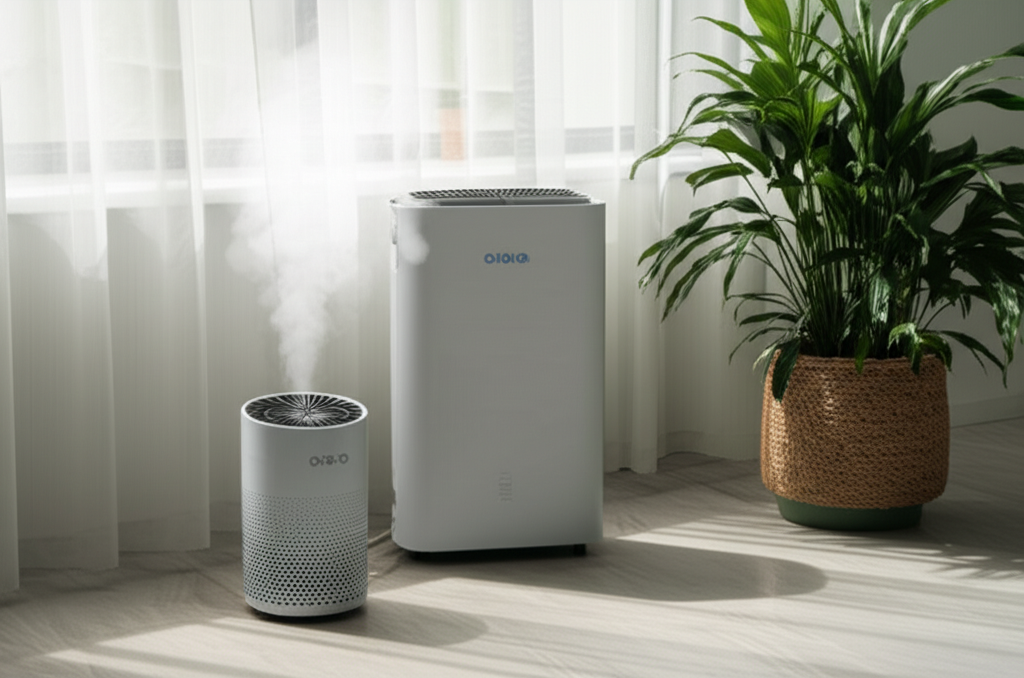
Air purifiers draw in surrounding air, pass it through a series of filters, and then release cleaner air back into the room. Different types of filters exist, but HEPA (High-Efficiency Particulate Air) filters are considered the gold standard for capturing very small particles. Some models also use activated carbon filters to remove odors and gases. This process directly combats airborne irritants.
When an Air Purifier is Your Best Bet
You should consider an air purifier if you suffer from allergies, asthma, or have pets. It’s also beneficial if you live in an area with high outdoor pollution or if someone in your home smokes. These devices actively reduce the triggers that can cause respiratory issues. Improving air quality leads to a healthier living space.
The Purpose of a Humidifier: Adding Moisture to the Air
A humidifier adds moisture to the air, increasing the humidity level. This is particularly useful in dry climates or during winter months when heating systems can strip moisture from the air. Dry air can lead to dry skin, chapped lips, and irritated sinuses. A humidifier combats these uncomfortable symptoms by creating a more balanced environment.
How Humidifiers Work
Humidifiers release water vapor into the air. There are several types, including evaporative, ultrasonic, and steam vaporizers. Evaporative humidifiers use a fan to blow air through a wet wick. Ultrasonic models use high-frequency vibrations to create a cool mist. Steam vaporizers boil water to release warm steam. Each method effectively adds moisture.
When a Humidifier is Your Best Choice
A humidifier is ideal if you experience dry skin, static electricity, or sinus congestion. It can also help protect wooden furniture and musical instruments from cracking due to dryness. If your home consistently feels dry, especially during certain seasons, a humidifier can significantly improve comfort. Maintaining optimal humidity levels is crucial for well-being.
Air Purifier vs. Humidifier: Direct Comparison
Let’s break down the key differences side-by-side. This table will help you see clearly whats better air purifier or humidifier for your specific situation.
| Feature | Air Purifier | Humidifier |
| :—————- | :—————————————– | :——————————————– |
| Primary Function | Removes airborne pollutants & allergens | Adds moisture to dry air |
| Benefits | Reduces allergy/asthma symptoms, eliminates odors | Relieves dry skin/sinuses, prevents static |
| Target Issue | Poor air quality | Low humidity levels |
| Maintenance | Filter replacement | Regular cleaning, water refilling |
| Best For | Allergy sufferers, pet owners, polluted areas | Dry climates, winter months, dry skin sufferers |
This comparison highlights that they address different problems. Neither is universally better; their effectiveness depends entirely on your needs.
Can You Use Both an Air Purifier and a Humidifier?
Absolutely! In fact, using both an air purifier and a humidifier can create the ideal indoor environment. This combination tackles both air quality and moisture levels. You can achieve optimal comfort and health by addressing both issues simultaneously. Many people find this dual approach to be the most effective.
Synergistic Benefits
When used together, an air purifier removes allergens that might trigger respiratory issues, while a humidifier keeps your nasal passages moist. This can be particularly helpful for individuals with persistent congestion or dryness-related discomfort. The combined effect enhances overall respiratory health and comfort. It’s a powerful duo for a healthier home.
Smart Placement and Usage
For best results, place them in the same room but not directly next to each other. This allows each device to work efficiently without interfering with the other. Ensure you maintain both units regularly for peak performance. Proper usage maximizes their individual and combined benefits.
Choosing the Right Device for Your Needs
To decide whats better air purifier or humidifier, first identify your main problem. Do you sneeze a lot indoors, or does your skin feel perpetually dry? Answering this question will guide your purchase. If both are issues, consider a combined unit or separate devices.
Assessing Your Home Environment
Consider the climate you live in and the season. Are you in a desert region, or is your home prone to dampness? Check your home’s humidity levels with a hygrometer. Most experts recommend indoor humidity levels between 30% and 50%. The EPA suggests maintaining these levels to prevent mold growth.
Considering Health Conditions
If you or family members have allergies, asthma, or other respiratory conditions, an air purifier is likely your priority. For those suffering from dry skin, cracked lips, or frequent nosebleeds due to dryness, a humidifier is essential. Your health concerns are a primary factor in this decision.
Maintenance and Cleaning: A Crucial Step
Both air purifiers and humidifiers require regular maintenance to function effectively and safely. Neglecting cleaning can lead to reduced performance and even health risks. Proper upkeep ensures you get the most benefit from your investment.
Air Purifier Maintenance
The most common maintenance for air purifiers is replacing or cleaning the filters. Follow the manufacturer’s recommendations for filter life, as this varies by model and usage. A clogged filter cannot effectively clean the air. Clean pre-filters regularly to extend the life of the main filters.
Humidifier Maintenance
Humidifiers need frequent cleaning to prevent the buildup of mold and bacteria. This is especially true for cool-mist humidifiers. Empty and dry the tank daily, and clean the unit thoroughly at least weekly. Using distilled or demineralized water can reduce mineral buildup. Mayo Clinic advises regular cleaning to prevent health issues.
Potential Downsides and What to Watch For
While beneficial, both devices have potential drawbacks. Understanding these helps you use them safely and effectively. It’s important to be aware of any limitations.
Air Purifier Considerations
Some air purifiers can be noisy, especially those with high fan speeds. Filter replacement costs can add up over time. Also, be aware of ozone-producing purifiers, as ozone can be harmful to respiratory health. Always choose models that are certified for safety and efficiency.
Humidifier Considerations
Over-humidifying a room can encourage mold and dust mite growth, which can worsen allergies. If using a warm-mist vaporizer, there’s a burn risk, especially around children. Ensure you use the right type of water to avoid dispersing minerals into the air. Monitor humidity levels closely.
Popular Brands and Types to Consider
When looking for an air purifier or humidifier, you’ll find many options. Brands like Coway, Blueair, and Dyson are popular for air purifiers. For humidifiers, Crane, Honeywell, and Levoit are well-regarded. Consider your budget and specific needs when choosing a brand and type.
Top Air Purifier Features
Look for HEPA filtration, activated carbon filters for odors, and appropriate room coverage (CADR rating). Smart features like app control and air quality sensors are also available. Energy efficiency is another important factor to consider for long-term use.
Top Humidifier Features
Consider cool mist vs. warm mist, tank capacity for longer run times, and ease of cleaning. Humidifiers with built-in hygrometers help maintain optimal humidity levels. Some also offer essential oil diffusers, though these should be used cautiously.
Frequently Asked Questions (FAQ)
Here are answers to some common questions about air purifiers and humidifiers.
Can an air purifier help with dry air?
No, an air purifier cleans the air but does not add moisture. If dry air is your concern, you need a humidifier.
Can a humidifier help with allergies?
A humidifier doesn’t directly remove allergens. However, by keeping nasal passages moist, it can reduce irritation from allergens for some people.
What is the ideal humidity level for a home?
The ideal indoor humidity level is typically between 30% and 50%. Too low or too high can cause problems.
How often should I change air purifier filters?
This depends on the model and air quality, but usually every 6-12 months. Check your user manual for specific recommendations.
Is a cool mist or warm mist humidifier better?
Cool mist is generally safer around children and pets. Warm mist can help kill germs in the water and may feel more comfortable in winter.
Do air purifiers use a lot of electricity?
Most modern air purifiers are energy-efficient. Look for ENERGY STAR certified models for the best efficiency.
Conclusion: Making the Right Choice for Your Home
So, whats better air purifier or humidifier? The answer truly depends on your individual needs and the specific issues you’re facing in your home. If your priority is cleaner air free from dust, pollen, and other irritants, an air purifier is the way to go. If dry air is causing discomfort, leading to dry skin or sinus problems, a humidifier will be your best friend. For many, the ultimate solution is to use both devices in tandem to create a perfectly balanced and healthy indoor environment. I hope this guide has clarified the roles of each and empowered you to make an informed decision. Breathe easy, and enjoy your improved home comfort!
