What’s Better For Allergies Air Purifier Or Humidifier: Essential Guide

For allergies, an air purifier tackles airborne irritants like pollen and dust, while a humidifier adds moisture to soothe dry nasal passages. Often, both are needed for complete relief, with the air purifier being the primary tool for allergy triggers.
Dealing with allergies can feel like a constant battle. You wake up sneezing, your eyes itch, and breathing feels heavy. Many people wonder if an air purifier or a humidifier is the better choice for relief. This guide will help you understand each device and decide what’s best for your specific allergy needs. We’ll explore how they work, their pros and cons, and when you might need both. Let’s find the right solution for a clearer, more comfortable home.
What’s Better For Allergies Air Purifier Or Humidifier? The Core Difference
The main difference lies in what each device targets. An air purifier cleans the air you breathe. A humidifier adds moisture to the air. Understanding this core function is key to knowing which one, or if both, will help your allergies.
Air purifiers actively remove tiny particles from the air. These particles are often what trigger allergic reactions. Humidifiers, on the other hand, focus on the air’s moisture level. This can help with symptoms caused by dry air, which can sometimes worsen allergy discomfort.
How Air Purifiers Help Allergy Sufferers
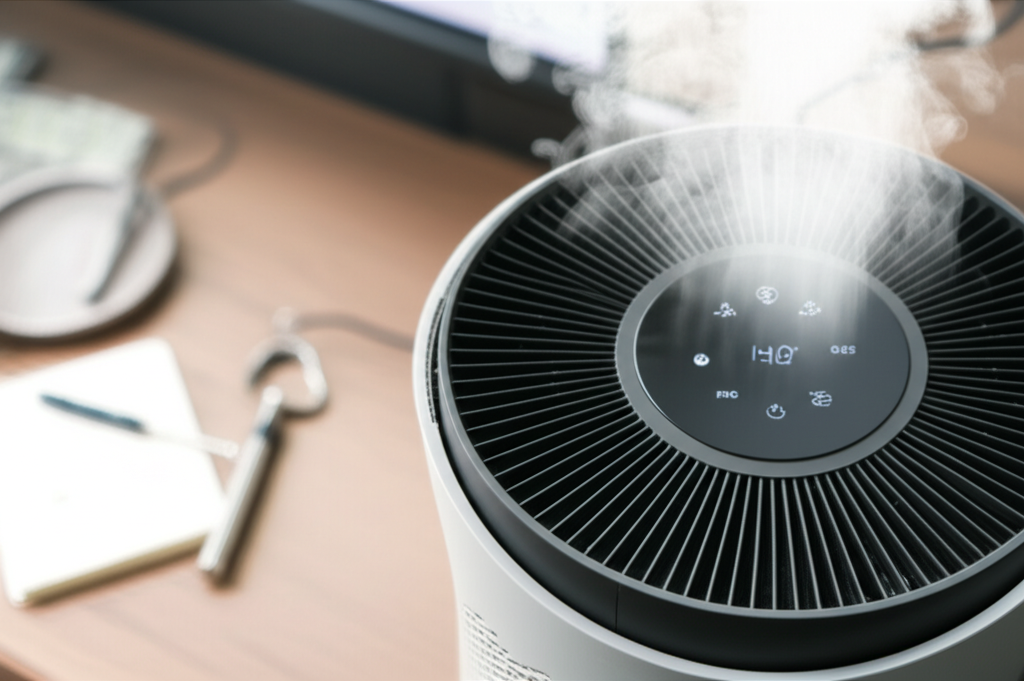
Air purifiers are designed to capture airborne allergens. They use filters to trap things like pollen, dust mites, pet dander, and mold spores. These microscopic invaders are common allergy triggers. By removing them, air purifiers create cleaner air for you to breathe.
A good air purifier will have a HEPA filter. HEPA stands for High-Efficiency Particulate Air. These filters are certified to remove at least 99.97% of particles as small as 0.3 microns. This means they can catch even the smallest allergy-causing particles.
Snippet-Ready Answer: An air purifier is generally better for allergies because it directly removes airborne allergens like pollen, dust, and dander. These particles are common triggers for sneezing, itchy eyes, and breathing difficulties. By trapping these irritants, air purifiers create a cleaner environment that reduces your exposure to allergens.
How Humidifiers Help Allergy Sufferers
Humidifiers add moisture to dry air. This can be beneficial for allergy sufferers in several ways. Dry air can irritate your nasal passages and throat, making allergy symptoms feel worse. It can also dry out mucus, making it harder for your body to clear out allergens.
Adding moisture can help keep your airways moist and comfortable. This can soothe a dry, scratchy throat and reduce nasal irritation. It may also help thin mucus, making it easier to expel allergens and irritants. However, humidifiers do not remove allergens from the air.
Snippet-Ready Answer: Humidifiers can help allergies by adding moisture to dry air, which soothes irritated nasal passages and throats. This can ease discomfort from dry air that sometimes worsens allergy symptoms. They help by making your airways feel better, not by removing allergens.
Air Purifier vs. Humidifier: A Feature Comparison
Let’s break down what each device offers for allergy relief. This comparison will highlight their specific functions and benefits.
| Feature | Air Purifier | Humidifier |
| :—————— | :——————————————– | :—————————————— |
| Primary Action | Removes airborne particles (allergens) | Adds moisture to the air |
| Target Problems | Pollen, dust, dander, mold spores, smoke | Dry air, irritated sinuses, dry cough |
| Allergy Relief | Direct reduction of triggers | Indirect relief by soothing symptoms |
| Maintenance | Filter replacement | Cleaning to prevent mold/bacteria growth |
| Ideal Use Case | Homes with pets, high pollen counts, dust | Dry climates, winter months, dry environments |
Both devices can improve indoor air quality. But they do so in very different ways, addressing distinct aspects of your environment.
When an Air Purifier is Your Best Bet for Allergies
If your allergies are mainly triggered by things floating in the air, an air purifier is likely your best choice. Think pollen that blows in from outside, dust that settles on furniture, or pet dander shed by your furry friends. These are all things an air purifier is built to capture.
Studies show that air purifiers can significantly reduce indoor allergen levels. This leads to fewer allergy symptoms for many people. For instance, the Asthma and Allergy Foundation of America recommends air purifiers with HEPA filters for allergy sufferers. This is because they effectively remove common triggers.
Using an air purifier in your bedroom can be especially helpful. You spend many hours there, and cleaner air can lead to better sleep. Many brands like Coway and Blueair offer models specifically designed for allergy relief.
When a Humidifier is Your Best Bet for Allergies
A humidifier shines when dry air is making your allergy symptoms worse. This is often the case during winter months when heating systems dry out the air. It can also be an issue in arid climates. Dry air can dehydrate your nasal passages, making them more sensitive to allergens.
Symptoms like a dry, scratchy throat, sinus headaches, and even nosebleeds can be linked to low humidity. A humidifier adds that much-needed moisture back into the air. This can make breathing more comfortable and reduce irritation. Brands like Levoit and Honeywell offer various humidifier types.
However, it’s important to note that too much humidity can encourage mold and dust mite growth. These are also allergens. So, maintaining the right humidity level is crucial.
The Case for Using Both: A Dual Approach to Allergy Relief
For many allergy sufferers, the most effective solution involves using both an air purifier and a humidifier. This approach tackles both airborne allergens and the discomfort caused by dry air. It offers comprehensive relief by addressing multiple aspects of your indoor environment.
Imagine this: your air purifier is busy trapping pollen that sneaked in. Meanwhile, your humidifier is adding moisture to prevent your dry nasal passages from feeling irritated by that pollen. This dual action provides a more complete allergy management plan. You can create an optimal environment for breathing easier.
The key is to use them wisely. Monitor humidity levels with a hygrometer to keep them between 30-50%. This range is generally considered ideal for both comfort and preventing mold growth.
Choosing the Right Air Purifier for Allergies
When selecting an air purifier for allergies, look for specific features. A true HEPA filter is non-negotiable. This ensures it can capture the tiny particles that cause reactions. Consider the CADR (Clean Air Delivery Rate) for the size of your room. A higher CADR means faster air cleaning.
Extra filters, like an activated carbon filter, can also be beneficial. These help remove odors and gases, which can sometimes accompany allergens. Some air purifiers also have pre-filters to catch larger particles like pet hair, extending the life of the main HEPA filter.
Brands like Coway, Blueair, and Dyson are known for their effective air purifiers. Reading reviews from other allergy sufferers can also provide valuable insights into performance.
Choosing the Right Humidifier for Allergies
For allergy relief, a cool-mist humidifier is often recommended. Warm-mist humidifiers boil water, which can be a burn hazard. Cool-mist models are safer, especially in homes with children or pets. Look for models with an adjustable mist output. This allows you to control the humidity level.
Ease of cleaning is also important. Humidifiers can become breeding grounds for mold and bacteria if not cleaned regularly. Choose a model that is easy to disassemble and clean. Some even have features like UV lights to help kill germs in the water.
Popular humidifier brands include Levoit, Honeywell, and Vicks. Again, user reviews can help you find a reliable and effective model.
Maintaining Your Allergy-Fighting Tools
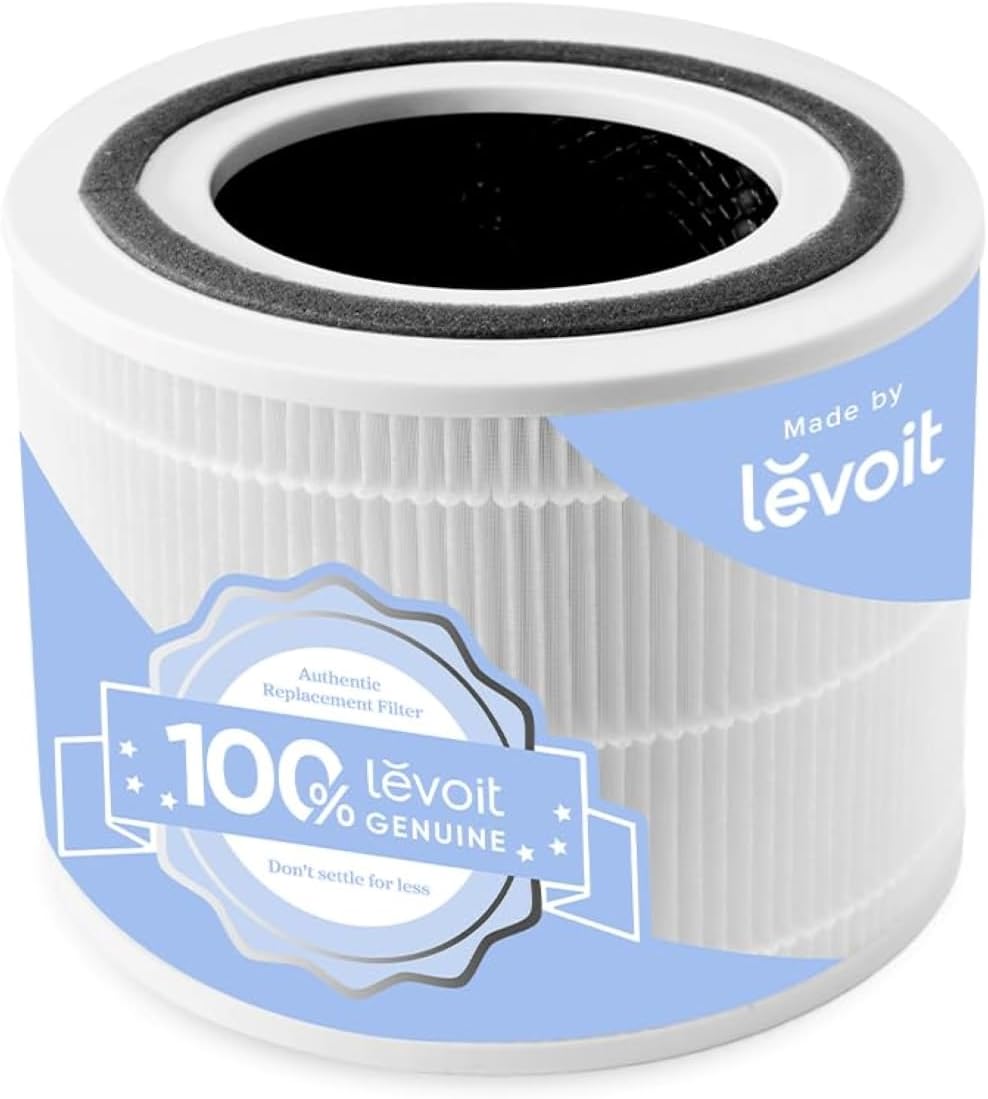
Proper maintenance is crucial for both air purifiers and humidifiers. For air purifiers, this means regularly cleaning or replacing the filters. Dirty filters can’t capture allergens effectively and can even become a source of irritants themselves. Follow the manufacturer’s recommendations for filter changes.
Humidifiers require regular cleaning to prevent mold and bacteria growth. Empty and rinse the water tank daily. Clean the unit thoroughly at least once a week. Using distilled or demineralized water can also help reduce mineral buildup.
Consistent maintenance ensures your devices work efficiently and safely. It helps you get the most benefit from your investment in allergy relief.
Frequently Asked Questions About Air Purifiers and Humidifiers for Allergies
Q1: Can an air purifier get rid of dust mites?
Yes, air purifiers with HEPA filters can capture dust mite allergens. These allergens are tiny particles shed by dust mites. While they don’t eliminate the mites themselves, they remove the allergens that cause reactions.
Q2: Will a humidifier make my allergies worse?
A humidifier can worsen allergies if not used correctly. If humidity levels get too high (above 50%), it can promote mold and dust mite growth. Regular cleaning is also essential to prevent bacteria buildup.
Q3: Which is better for a stuffy nose, an air purifier or a humidifier?
For a stuffy nose caused by dry air, a humidifier is generally better. It adds moisture to soothe irritated nasal passages. If the stuffiness is due to allergens like pollen or dust, an air purifier can help by removing those triggers.
Q4: How often should I run my air purifier for allergies?
It’s often recommended to run an air purifier continuously, especially in rooms where you spend the most time. This ensures the air is consistently being cleaned of allergens. For bedrooms, running it overnight can significantly improve sleep quality for allergy sufferers.
Q5: Can I use essential oils in a humidifier for allergies?
Some humidifiers are designed to diffuse essential oils, while others are not. Using oils in a humidifier not meant for them can damage the unit. Also, some essential oils can be irritants for people with allergies or asthma. It’s best to check your humidifier’s manual and consult with a doctor if you have concerns.
Conclusion: Your Path to Allergy Relief
So, what’s better for allergies, an air purifier or a humidifier? The answer often depends on your specific symptoms and environment. For direct allergen removal, an air purifier is the primary tool, tackling pollen, dust, and dander. If dry air irritates your airways and worsens your symptoms, a humidifier can provide soothing relief.
Many allergy sufferers find the greatest comfort by using both an air purifier and a humidifier together. This dual approach creates a cleaner, more comfortable indoor environment. By understanding how each device works and maintaining them properly, you can take significant steps toward breathing easier and enjoying your home more. I hope this guide helps you make the best choice for your allergy needs.