
What’s Better Air Purifier or Dehumidifier: Essential Guide

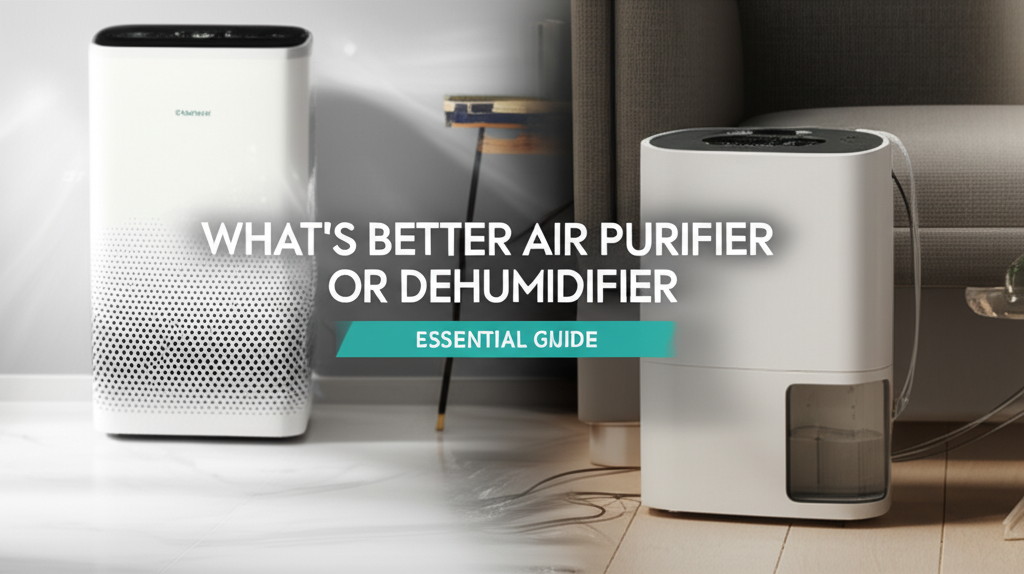
Choosing between an air purifier and a dehumidifier depends on your specific home’s needs. An air purifier cleans the air of pollutants like dust and allergens, while a dehumidifier removes excess moisture. Understanding their distinct functions is key to deciding whats better air purifier or dehumidifier for your home’s health.
Introduction
Is your home feeling stuffy or damp? You might be wondering about the best way to improve your indoor air quality. Many people struggle to decide between an air purifier and a dehumidifier. These devices do very different jobs, and picking the wrong one won’t solve your problem. I’m here to help you understand exactly what each machine does. We’ll explore their benefits and figure out which one, or perhaps both, is right for your home. Let’s clear the air and make your living space more comfortable and healthy.
What is an Air Purifier and What Does It Do?
An air purifier cleans the air in your home. It removes tiny particles that you can’t see. These particles can cause allergies and breathing problems. Think of it as a vacuum cleaner for the air. It pulls air in, filters out the bad stuff, and sends clean air back out. This makes the air you breathe much healthier.
How Air Purifiers Work
Air purifiers typically use fans to draw air into the unit. Inside, different types of filters capture pollutants. HEPA filters are very common and effective. They trap at least 99.97% of particles that are 0.3 microns in size. Other filters, like activated carbon, remove odors and gases. The clean air is then released back into the room.
Common Pollutants Air Purifiers Target
Air purifiers fight against many common indoor air problems. They capture dust, pet dander, and pollen. Mold spores and dust mites are also removed. Smoke particles from cooking or cigarettes are tackled. Even some bacteria and viruses can be captured. This leads to a fresher, cleaner breathing environment for everyone.
Benefits of Using an Air Purifier
Using an air purifier can significantly improve your home’s air. It can reduce allergy symptoms like sneezing and itchy eyes. Asthma sufferers often find relief with cleaner air. Removing odors makes your home smell better. It can also help protect your family from airborne illnesses. Cleaner air contributes to overall better health and comfort.
What is a Dehumidifier and What Does It Do?
A dehumidifier removes excess moisture from the air. If your home feels damp, sticky, or smells musty, a dehumidifier might be the answer. It works by pulling moisture out of the air and collecting it. This helps prevent mold growth and makes your home feel more comfortable. It’s like a sponge for the air’s humidity.
How Dehumidifiers Work
Dehumidifiers pull moist air into the unit. Inside, a cooling coil cools the air. This causes the water vapor in the air to condense into liquid water. The water then drips into a collection tank or is drained away. The drier air is then warmed slightly and released back into the room. This process lowers the overall humidity level.
Signs Your Home Needs a Dehumidifier
Several signs indicate your home has too much humidity. You might see condensation on windows or pipes. A persistent musty smell is a common indicator of mold. Peeling wallpaper or damp spots on walls can also be clues. If your basement feels clammy or you notice water stains, it’s time to consider a dehumidifier. According to the Environmental Protection Agency (EPA), controlling humidity is key to preventing mold.
Benefits of Using a Dehumidifier
Reducing humidity offers many advantages for your home and health. It prevents the growth of mold and mildew, which can damage your home and health. It can help alleviate allergy symptoms triggered by mold. Dehumidifiers also make your home feel cooler in the summer, reducing the need for air conditioning. This can save you money on energy bills. It also helps protect your belongings from moisture damage.
Air Purifier vs. Dehumidifier: The Core Differences
The main difference lies in their function: air purifiers clean pollutants, while dehumidifiers remove moisture. An air purifier focuses on particle removal, improving air freshness and reducing allergens. A dehumidifier focuses on water vapor, controlling dampness and preventing mold. They address separate but equally important aspects of indoor environmental quality.
What They Target
An air purifier targets airborne particles like dust, pollen, pet dander, smoke, and mold spores. It aims to make the air cleaner and easier to breathe. A dehumidifier targets water vapor in the air, lowering the relative humidity. This is crucial for preventing mold growth and making spaces feel less sticky.
How They Improve Your Home
An air purifier improves air quality by removing irritants. This can lead to fewer allergy and asthma symptoms. A dehumidifier improves your home’s condition by preventing moisture-related problems. This includes stopping mold, mildew, and musty odors. Both contribute to a healthier living environment, but in distinct ways.
Can They Do Each Other’s Job?
No, an air purifier cannot dehumidify your home. It’s not designed to remove moisture from the air. Similarly, a dehumidifier cannot purify your air from pollutants. It doesn’t have the filters needed to capture dust, pollen, or other particles. They are specialized tools for different problems.
When is an Air Purifier the Better Choice?
An air purifier is your best bet when your main concern is the quality of the air you breathe. If you or your family suffer from allergies, asthma, or sensitivities to dust, pollen, or pet dander, an air purifier is essential. It also helps eliminate odors from cooking, smoke, or pets. This is especially true in homes with good ventilation but still experiencing airborne irritants.
Identifying Air Purity Issues
You might need an air purifier if you notice a lot of dust settling quickly. Frequent sneezing, coughing, or watery eyes, especially indoors, are signs. If you have pets and struggle with dander or odors, an air purifier is beneficial. Smoke from nearby fires or cigarettes can also necessitate an air purifier.
Specific Situations Favoring Air Purifiers
Homes with pets are prime candidates for air purifiers. If you live in an area with high pollen counts or air pollution, an air purifier can create a clean sanctuary. People with respiratory conditions like asthma or COPD will find significant relief. It’s also a good idea for new parents to ensure a healthy environment for their baby.
Air Purifier Features to Look For
When choosing an air purifier, look for a true HEPA filter. This ensures the highest level of particle filtration. Consider the CADR (Clean Air Delivery Rate) to match the unit’s size to your room. Activated carbon filters are important for odor and gas removal. Energy efficiency and noise levels are also practical considerations.
When is a Dehumidifier the Better Choice?
A dehumidifier is the right choice when your home feels consistently damp or clammy. If you notice condensation on windows, walls, or pipes, it’s a clear sign. Musty smells are also a strong indicator of excess moisture. This is particularly common in humid climates or in specific areas like basements and bathrooms.
Identifying Humidity Problems
Signs of high humidity include a sticky feeling in the air. You might see mold or mildew spots appearing on walls or ceilings. Your skin might feel dry or irritated, and your hair could be frizzy. Wooden furniture or musical instruments might warp or show damage. These are all signals that moisture levels are too high.
Specific Situations Favoring Dehumidifiers
Basements and crawl spaces are often damp and prone to mold, making dehumidifiers essential there. Homes in humid regions, like coastal or tropical areas, benefit greatly. Bathrooms and laundry rooms, where moisture is generated, can also use a dehumidifier. If you store items sensitive to moisture, like books or electronics, a dehumidifier protects them.
Dehumidifier Features to Look For
Consider the unit’s capacity, measured in pints of water removed per day. Match this to the size of the area you need to treat. Look for a built-in humidistat to maintain a desired humidity level automatically. A continuous drain option is convenient for larger spaces or if you don’t want to empty the tank often. Energy Star certification indicates efficiency.
Can You Use Both an Air Purifier and a Dehumidifier?
Yes, you can absolutely use both an air purifier and a dehumidifier in your home. In fact, for many households, using both devices offers the most comprehensive solution for indoor air quality and comfort. They address different environmental issues, and their benefits complement each other. Using both can create a truly optimal living space.
When Using Both Makes Sense
If your home suffers from both airborne pollutants and excess moisture, using both is ideal. For example, a basement might have mold spores (addressed by a dehumidifier) and dust (addressed by an air purifier). Homes in humid climates with pets would benefit from both. It creates a balanced indoor environment.
How They Work Together
The dehumidifier tackles moisture, preventing mold and mildew growth. This means fewer mold spores are released into the air. The air purifier then captures any remaining airborne particles, including dust, dander, and those mold spores the dehumidifier couldn’t prevent. This dual approach tackles a wider range of issues.
Placement and Usage Tips
Place the dehumidifier in the dampest area, like a basement or bathroom. Position the air purifier in living spaces or bedrooms where you spend the most time. Ensure both units have adequate airflow around them. Run them as needed based on your home’s specific conditions. Regular maintenance of both devices is key.
Understanding Relative Humidity and Air Quality
Relative humidity (RH) is the amount of water vapor in the air compared to the maximum it can hold at a certain temperature. Ideal indoor RH is typically between 30% and 50%. High humidity (above 60%) encourages mold and dust mites. Low humidity (below 30%) can dry out skin and irritate airways. Air quality refers to the absence of pollutants like dust, allergens, and VOCs.
Ideal Humidity Levels for Health
Maintaining the right humidity level is crucial for health. According to the American Academy of Allergy, Asthma & Immunology (AAAAI), controlling humidity can reduce triggers for allergies and asthma. Levels between 40-50% are often recommended. This range discourages dust mites and mold while preventing dryness.
The Impact of Humidity on Air Quality
Humidity directly impacts air quality. High humidity promotes the growth of mold and dust mites, which are common allergens. It can also make the air feel heavier and more stagnant. Low humidity can lead to dry nasal passages and throats, making you more susceptible to infections. It can also cause static electricity.
How Devices Affect These Levels
A dehumidifier actively lowers high humidity levels. An air purifier, while not directly controlling humidity, can indirectly help by removing mold spores that thrive in damp conditions. Some advanced air purifiers may have humidity sensors, but their primary function is particle filtration. They are not designed to manage moisture.
Key Features and Considerations for Both Devices
When selecting either an air purifier or a dehumidifier, several factors are important. Size matters – ensure the unit is appropriate for your room dimensions. Noise levels are also a consideration, especially for bedrooms. Energy efficiency can save you money over time.
Size and Capacity
For air purifiers, look at the CADR rating. This tells you how quickly it cleans a room of smoke, dust, and pollen. For dehumidifiers, capacity is measured in pints of water removed per day. Choose a unit that matches the square footage of the space you need to treat.
Noise Levels and Energy Consumption
Many air purifiers and dehumidifiers have multiple fan speeds, affecting noise. Check the decibel (dB) rating for quieter operation. Energy Star certified models are more energy-efficient, saving you money on electricity bills. This is an important long-term cost consideration.
Maintenance and Filter Replacement
Both types of devices require regular maintenance. Air purifiers need their filters replaced periodically, usually every 6-12 months. Dehumidifiers need their water tanks emptied or their drainage hoses connected, and their filters cleaned. Neglecting maintenance reduces effectiveness and can lead to issues.
Comparing Popular Brands and Models
Several reputable brands offer effective air purifiers and dehumidifiers. For air purifiers, brands like Coway, Blueair, and Levoit are popular. For dehumidifiers, Frigidaire, Honeywell, and GE are well-regarded. Each brand offers a range of models with different features and price points.
Top Air Purifier Picks
Coway Airmega: Known for excellent HEPA filtration and smart features.
Blueair Classic: Offers quiet operation and strong performance for larger rooms.
Levoit Core Series: A budget-friendly option that is very popular for smaller spaces.
Top Dehumidifier Picks
Frigidaire FFAP Series: Reliable and effective for various room sizes.
Honeywell TP Series: Offers good performance and user-friendly controls.
GE APER Series: Known for durability and efficient moisture removal.
What to Expect in Terms of Price
Air purifiers can range from $50 for small units to over $500 for high-end models with advanced features. Dehumidifiers typically range from $150 to $400, depending on capacity and features. Prices can vary significantly based on brand, size, and technology.
Air Purifier vs. Dehumidifier: A Quick Comparison Table
Here’s a simple table to summarize the key differences and when each is best suited:
| Feature | Air Purifier | Dehumidifier |
| :————— | :—————————————— | :——————————————– |
| Primary Function | Removes airborne pollutants (dust, allergens, smoke) | Removes excess moisture from the air |
| Main Benefit | Cleaner, fresher air; allergy relief | Prevents mold, mildew, musty odors; comfort |
| Targets | Particles, gases, odors | Water vapor |
| Best For | Allergies, asthma, pets, odors, smoke | Dampness, mold, musty smells, humid climates |
| Humidity Impact| None | Directly lowers humidity |
| Example Use | Living room, bedroom, nursery | Basement, bathroom, laundry room, humid areas |
Frequently Asked Questions (FAQ)
Q1: Can an air purifier help with mold?
An air purifier can help by capturing mold spores that are already in the air. However, it won’t stop mold from growing. You need to address the moisture source with a dehumidifier or by fixing leaks to truly prevent mold.
Q2: Will a dehumidifier make my air cleaner?
A dehumidifier primarily removes water vapor, not particles like dust or allergens. While it can help reduce the conditions that allow mold to grow, it doesn’t purify the air itself. For cleaner air, you need an air purifier.
Q3: What humidity level is too high for my home?
Generally, indoor humidity levels above 60% are considered too high. This is because it creates an environment where mold, mildew, and dust mites can thrive. Aim for a level between 30% and 50% for optimal comfort and health.
Q4: How often should I run my air purifier or dehumidifier?
It’s often best to run both devices continuously, especially during seasons when your home experiences issues. For an air purifier, continuous use ensures consistent air cleaning. For a dehumidifier, continuous operation helps maintain ideal humidity levels, particularly in damp areas.
Q5: Can I place an air purifier and dehumidifier in the same small room?
Yes, you can place both in the same room, but ensure adequate space for each unit to function effectively. Proper ventilation is key for both. They tackle different issues and can work together to create a healthier environment.
Conclusion
Deciding whats better air purifier or dehumidifier for your home depends entirely on your specific needs. If your priority is breathing cleaner air, free from allergens and pollutants, an air purifier is your solution. If you’re battling dampness, musty odors, and the risk of mold, a dehumidifier is essential. For many, the ideal scenario involves using both devices to create a perfectly balanced, healthy, and comfortable indoor environment. By understanding their distinct roles, you can make an informed choice that truly enhances your living space.
—
Internal Link Suggestions:
1. How to Choose the Right Air Purifier for Allergies (Anchor text: How to Choose the Right Air Purifier for Allergies)
2. The Ultimate Guide to Basement Dehumidifiers (Anchor text: The Ultimate Guide to Basement Dehumidifiers)
3. Understanding Indoor Air Quality: A Beginner’s Guide (Anchor text: Understanding Indoor Air Quality)
