
Coway vs Dyson Air Purifier: Essential Guide

The Coway vs Dyson air purifier debate is crucial for clean air seekers. This guide breaks down their core differences, helping you choose the best fit for your home’s health and your budget.
Breathing fresh, clean air indoors is more important than ever, but with so many options, choosing the right air purifier can feel overwhelming. You’ve likely heard of Coway and Dyson – two giants in the home appliance world, both offering highly-rated air purifiers. But when it comes to tackling allergens, pollutants, and odors, which one truly delivers superior performance for your specific needs? I’ve spent time researching and comparing these popular brands to help you make an informed decision.
Understanding Your Air Purification Needs
Before diving into the specifics of Coway and Dyson, let’s clarify what makes an air purifier effective for you. The best air purifier isn’t just about powerful fans; it’s about matching filtration technology, coverage area, and smart features to your home environment and personal health goals. Consider factors like room size, common allergens (pets, pollen), potential indoor pollutants (VOCs from furniture, cooking fumes), and your sensitivity to noise. Understanding these basics will guide your choice between Coway and Dyson.
Coway Air Purifiers: Value and Performance
Coway has built a strong reputation for delivering robust air purification performance at competitive price points. They often focus on multi-stage filtration systems designed to capture a wide range of airborne contaminants. Many users appreciate Coway for its user-friendly design and consistently effective air cleaning capabilities, making it a popular choice for everyday households seeking reliable air quality improvement.
Key Features of Coway Air Purifiers
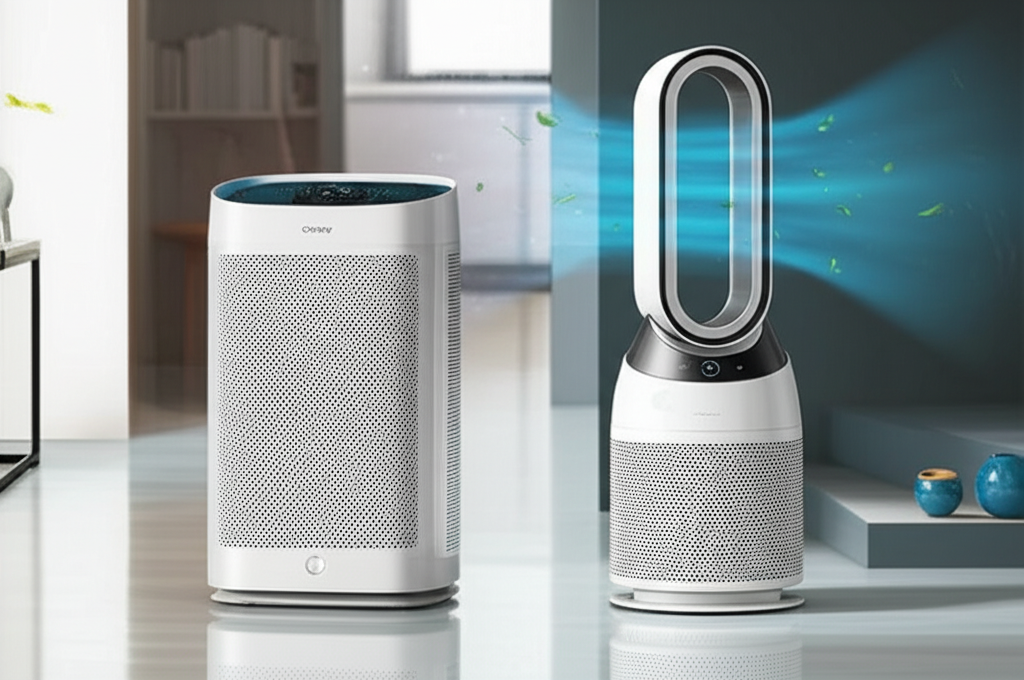
Coway purifiers typically feature advanced multi-stage filtration, including a pre-filter for larger particles, an activated carbon filter for odors and VOCs, and a True HEPA filter for fine particles like dust, pollen, and pet dander. Some models also incorporate specialized filters or UV-C light for enhanced purification. Their designs are often compact and aesthetically pleasing, fitting seamlessly into various home decors.
Coway’s Filtration Technology Explained
The heart of a Coway air purifier lies in its layered filtration approach. The pre-filter traps visible debris, extending the life of subsequent filters. The carbon filter then absorbs unpleasant smells and harmful gases, while the True HEPA filter captures at least 99.97% of airborne particles as small as 0.3 microns. This comprehensive system ensures thorough air cleaning.
Dyson Air Purifiers: Innovation and Smart Technology
Dyson is renowned for its cutting-edge technology and sleek, futuristic designs. Their air purifiers often go beyond simple filtration, incorporating features like advanced air quality sensing, real-time reporting, and even heating or cooling functions. Dyson positions its products as intelligent home devices that not only purify air but also enhance the overall living environment with sophisticated technology.
Dyson’s Unique Features and Design Philosophy
Dyson air purifiers stand out with their bladeless fan technology, which creates a powerful, smooth airflow while ensuring safety. They often feature integrated LCD displays showing detailed air quality reports and a sealed filtration system to prevent pollutants from escaping back into the room. The aesthetic is undeniably modern, designed to be a statement piece in any home.
Dyson’s Air Multiplier™ and HEPA Filtration
Dyson’s Air Multiplier™ technology projects purified air powerfully and evenly throughout a room. Combined with a fully sealed HEPA and activated carbon filter system, it captures 99.97% of particles down to 0.3 microns, along with gases and odors. This integrated approach aims for comprehensive room coverage and superior pollutant capture.
Comparing Core Performance: Coway vs Dyson Air Purifier
When directly comparing the core performance of a Coway vs Dyson air purifier, both brands excel at removing common airborne pollutants. However, their approaches differ. Coway often focuses on sheer filtration power and coverage for its price, while Dyson emphasizes advanced sensing, real-time data, and innovative airflow dynamics. The “better” performer often depends on whether you prioritize raw filtration efficiency or smart integration and design.
CADR Ratings and Room Coverage
Clean Air Delivery Rate (CADR) is a key metric indicating how quickly an air purifier can clean a room. While specific CADR ratings vary by model, both Coway and Dyson offer units designed for different room sizes. Dyson’s Air Multiplier™ technology is often cited for its ability to distribute purified air effectively across larger spaces, ensuring consistent air quality. Coway models are also engineered for excellent coverage within their stated room recommendations.
Noise Levels and User Experience
Noise level is a critical consideration, especially for bedrooms or living areas. Coway purifiers are generally known for being quieter on lower settings, making them ideal for continuous use. Dyson purifiers, while powerful, can sometimes produce more noticeable noise at higher fan speeds due to their unique airflow system. User interfaces also differ, with Dyson offering more app-driven smart control and detailed air quality feedback.
Filtration Systems: A Deeper Dive
The effectiveness of any air purifier hinges on its filtration system. Understanding the types of filters used by Coway and Dyson can help you choose the best option for your specific air quality concerns. Both brands utilize HEPA filters, but the overall system design and additional layers can vary significantly.
HEPA Filter Effectiveness
Both Coway and Dyson employ True HEPA filters, which are the gold standard for capturing microscopic particles. These filters are certified to trap at least 99.97% of airborne particles 0.3 microns in size, including allergens, mold spores, bacteria, and viruses. This ensures a fundamental level of clean air delivery from both brands.
Activated Carbon and Other Filters
Beyond HEPA, the presence and quality of activated carbon filters play a crucial role in odor and VOC removal. Coway models often feature substantial carbon filters designed to tackle household smells, pet odors, and chemical fumes. Dyson units also include activated carbon filtration, integrated within their sealed systems, to address similar issues effectively. Some specialized Coway models might offer additional filters for specific concerns like fine dust or pet dander.
Smart Features and Connectivity
In today’s connected world, smart features are increasingly important. Both Coway and Dyson offer models with app connectivity, allowing for remote control and monitoring. However, Dyson often leads in the sophistication of its smart offerings, providing granular air quality data and intelligent automation.
App Control and Air Quality Monitoring
Dyson’s app, Dyson Link, provides comprehensive real-time and historical air quality data, broken down by pollutant type. You can control fan speed, set schedules, and receive notifications. Coway’s companion apps also offer remote control and basic air quality indicators, though often with less detailed reporting than Dyson.
Auto Modes and Sensors
Many models from both brands feature an auto mode that adjusts fan speed based on detected air quality. Dyson’s sensors are often highlighted for their precision, detecting a wider range of pollutants and providing more detailed feedback. This allows the purifier to respond proactively to changes in your indoor air.
Design and Aesthetics
The appearance of an air purifier is a significant factor for many consumers, as it will be a visible part of their home. Coway generally opts for more conventional, compact, and often understated designs that blend into various room decors. Dyson, on the other hand, embraces a bold, modern aesthetic, with its signature bladeless design making a distinct visual statement.
Coway’s Practical and Subtle Designs
Coway purifiers are typically designed with functionality and unobtrusiveness in mind. They are often cylindrical or rectangular, with clean lines and neutral color palettes. This makes them easy to place in bedrooms, living rooms, or offices without drawing excessive attention.
Dyson’s Futuristic and Statement Designs
Dyson’s commitment to innovation is reflected in its distinctive designs. The bladeless fan technology not only serves a functional purpose but also creates a unique visual appeal. These units are often seen as modern appliances that complement contemporary interior design schemes.
Cost and Maintenance: Coway vs Dyson Air Purifier
The long-term cost of ownership is a vital part of the Coway vs Dyson air purifier comparison. This includes the initial purchase price as well as the ongoing expense of replacement filters. Generally, Dyson purifiers command a higher initial price point, while Coway offers a more budget-friendly entry into effective air purification.
Initial Purchase Price
Dyson air purifiers are positioned as premium products, and their pricing reflects this, often ranging from $400 to over $800 depending on the model and its features. Coway offers a wider price spectrum, with many highly effective models available in the $200 to $400 range, making them more accessible for a broader audience.
Replacement Filter Costs and Lifespan
Replacement filters are an ongoing cost for all air purifiers. Coway’s replacement filters are typically moderately priced and designed for an average lifespan of 6-12 months, depending on usage and air quality. Dyson’s sealed filter systems are also designed for long lifespans, usually around 12 months, but the cost per filter can be higher, aligning with their premium positioning.
User Reviews and Expert Opinions
What are real users and experts saying about these brands? User reviews often highlight specific performance aspects, ease of use, and long-term reliability. Expert opinions tend to focus on technical specifications, filtration efficiency, and innovation.
What Users Say About Coway
Many users praise Coway for its quiet operation on lower settings, effective odor removal, and overall value. Common feedback includes satisfaction with improved allergy symptoms and the straightforward operation of the devices. Some users note that while effective, the design might be less “premium” than competitors.
What Users Say About Dyson
Dyson users frequently rave about the advanced smart features, detailed air quality reporting, and the unique bladeless design. The ability to control and monitor air quality remotely is a significant draw. Some users find the higher fan speeds noisy, and the premium price point is a common point of discussion.
Coway vs Dyson Air Purifier: Which is Right for You?
Deciding between a Coway vs Dyson air purifier ultimately comes down to your priorities. If you’re looking for excellent, reliable air purification with a strong focus on filtration performance and value for money, Coway is likely your best bet. For those who prioritize cutting-edge technology, extensive smart features, real-time data, and a distinctive modern design, and are willing to invest more, Dyson offers a compelling, innovative solution.
When to Choose Coway
Choose a Coway air purifier if:
Your primary goal is effective and reliable air purification without breaking the bank.
You value quiet operation, especially for bedrooms.
You need a simple, user-friendly device that just works.
You are managing common allergens like dust, pollen, and pet dander.
Budget is a significant consideration.
When to Choose Dyson
Choose a Dyson air purifier if:
You are a tech enthusiast who loves smart home integration and detailed data.
You want a stylish, modern appliance that doubles as a design piece.
You need comprehensive room coverage with innovative airflow.
You are willing to pay a premium for advanced features and engineering.
You appreciate real-time, granular insights into your home’s air quality.
Frequently Asked Questions About Coway vs Dyson Air Purifiers
Q1: Which brand is better for allergies, Coway or Dyson?
Both brands offer True HEPA filters capable of capturing allergens. Coway often excels with robust multi-stage filtration that tackles a broad spectrum of particles effectively, while Dyson’s sealed system ensures minimal leakage. Your choice may depend on specific allergens and room size.
Q2: Are Dyson air purifiers worth the extra cost compared to Coway?
Dyson air purifiers offer advanced smart features, real-time air quality reporting, and unique designs that justify their higher price for some users. If these technological advancements and aesthetic appeal are important to you, they can be worth the investment.
Q3: How often do I need to replace filters for Coway and Dyson?
Typically, both Coway and Dyson filters need replacement every 6 to 12 months, depending on usage and local air quality. Always check the specific model’s recommendations.
Q4: Which brand offers quieter operation?
Generally, Coway models are known for quieter operation on lower fan speeds, making them excellent for bedrooms. Dyson purifiers can be louder at higher settings due to their powerful airflow technology.
Q5: Can I use both a Coway and a Dyson air purifier in the same room?
While possible, it’s usually unnecessary and can be redundant. Most air purifiers are designed to adequately cover a specific room size. Using two might increase noise and energy consumption without significantly improving air quality beyond what one efficient unit can achieve.
Q6: Do Dyson air purifiers also function as heaters or fans?
Yes, many Dyson air purifiers are multi-functional, acting as both purifiers and heaters or cooling fans, offering year-round environmental control. Coway primarily focuses on air purification.
Conclusion: Making Your Final Choice
Navigating the Coway vs Dyson air purifier landscape reveals two excellent brands with distinct strengths. Coway offers dependable, high-performance air purification at a more accessible price point, making it a fantastic choice for value-conscious consumers prioritizing clean air. Dyson, on the other hand, leads in innovation, smart technology, and design, providing a premium experience for those who want the latest in home environmental control and are willing to invest accordingly. Consider your budget, desired features, and aesthetic preferences to make the best choice for your home’s health.
