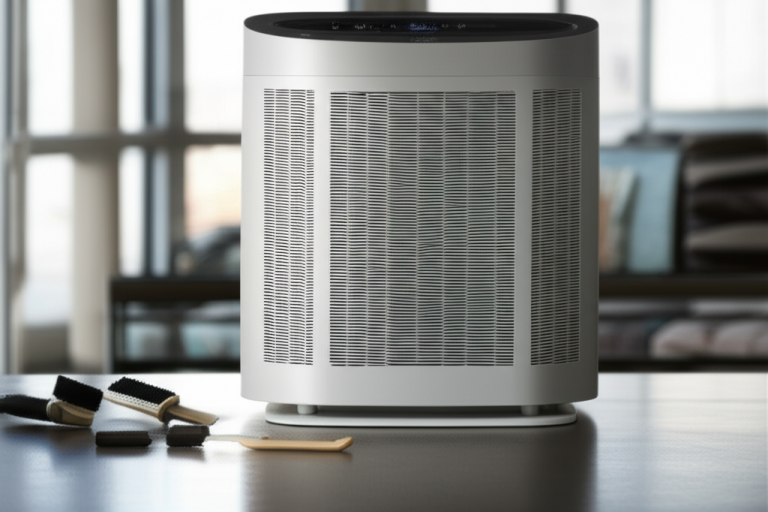
Best Air Purifiers For Dust Allergies: Proven Relief

Breathe easier with the best air purifiers for dust allergies, offering proven relief by capturing microscopic allergens and improving indoor air quality for a healthier home.
Are dust allergies making your home feel like a constant battleground? You’re not alone. Millions suffer from dust mite, pollen, and pet dander allergies, leading to sneezing, itchy eyes, and sleepless nights. But relief is closer than you think. This guide will walk you through choosing the best air purifiers for dust allergies, transforming your living space into a sanctuary of clean, fresh air. Get ready to discover how the right air purifier can make a significant difference in your daily comfort and well-being.
Why Dust Allergies Demand a Top-Tier Air Purifier
Dust allergies are a persistent problem, exacerbated by microscopic particles like dust mites, pet dander, pollen, and mold spores that circulate in our homes. These allergens can trigger uncomfortable symptoms, impacting your quality of life. An effective air purifier acts as a shield, actively removing these airborne irritants. It’s a proactive step toward a healthier indoor environment, especially crucial for those with sensitive respiratory systems. Investing in a quality air purifier means investing in your comfort and health.
Understanding Air Purifier Technologies for Dust Allergy Relief
Different air purification technologies tackle dust allergies in unique ways, each with its strengths. Understanding these can help you choose the most effective device for your needs. HEPA filters are the gold standard, while activated carbon filters target odors and VOCs. Ionizers and UV-C lights offer additional benefits, though some considerations are necessary. Knowing these core technologies is the first step in finding a solution that works.
True HEPA Filters: The Allergy Warrior

True HEPA (High-Efficiency Particulate Air) filters are the most critical component for combating dust allergies. They are designed to capture at least 99.97% of airborne particles as small as 0.3 microns. This includes dust, pollen, pet dander, and mold spores that trigger allergic reactions. When looking for an air purifier for dust allergies, a “True HEPA” filter is non-negotiable. This ensures the highest level of particle removal for optimal relief.
Activated Carbon Filters: Beyond Particles
While HEPA filters trap physical particles, activated carbon filters address other common indoor air pollutants. These filters are highly porous and excel at adsorbing gases, odors, and volatile organic compounds (VOCs). For allergy sufferers, this means eliminating pet odors, cooking smells, and even the faint scent of dust itself. A combination of HEPA and activated carbon filtration provides a comprehensive approach to cleaner air.
Other Technologies: Ionizers and UV-C Lights
Ionizers release negative ions that attach to airborne particles, causing them to clump together and fall to the ground, making them easier to capture by a filter. UV-C light technology aims to neutralize airborne microorganisms like bacteria and viruses. While these can offer supplementary benefits, it’s important to choose purifiers where they are optional or clearly safe, as some ionizers can produce ozone, which is a lung irritant. Always prioritize HEPA filtration as the primary defense.
Key Features to Look for in the Best Air Purifiers for Dust Allergies
Selecting the right air purifier involves more than just checking for a HEPA filter. Several other features significantly enhance its effectiveness and usability for managing dust allergies. Consider room size, noise levels, and maintenance requirements to ensure your chosen model fits seamlessly into your life. These practical considerations ensure you get the most value and relief.
Coverage Area (CADR) and Room Size
The Clean Air Delivery Rate (CADR) indicates how quickly an air purifier can clean a room of specific pollutants like dust, pollen, and smoke. It’s crucial to match the purifier’s CADR to your room size. A higher CADR means faster and more effective air cleaning. For dust allergies, aim for a CADR rating that is at least two-thirds of the room’s square footage. This ensures the air is circulated and cleaned frequently enough to make a difference.
HEPA Filter Type: True HEPA vs. HEPA-Type
It’s vital to distinguish between “True HEPA” and “HEPA-Type” filters. True HEPA filters meet stringent performance standards (capturing 99.97% of 0.3-micron particles), while HEPA-Type or HEPA-like filters may capture larger particles but don’t meet the same rigorous standards. Always opt for “True HEPA” for effective dust allergy relief. This distinction is fundamental for achieving genuine improvements in air quality.
Noise Level (dB) and Sleep Mode
Air purifiers operate continuously, so noise level is a significant factor, especially for bedrooms. Look for models with low decibel (dB) ratings on their lowest setting, ideally below 30 dB, which is comparable to a whisper. A dedicated sleep mode often reduces fan speed and dims indicator lights, ensuring undisturbed rest. This feature is particularly beneficial for allergy sufferers who may experience nighttime congestion.
Filter Replacement Frequency and Cost
Air purifiers require regular filter replacement to maintain optimal performance. Consider the lifespan of both the HEPA and activated carbon filters, as well as their replacement cost. Some manufacturers offer filter subscription services for convenience. Factor these ongoing costs into your budget to avoid unexpected expenses and ensure your purifier always functions at its best.
Additional Features: Smart Controls and Air Quality Sensors
Modern air purifiers often come with smart features like Wi-Fi connectivity for app control, allowing you to adjust settings remotely. Air quality sensors can automatically detect pollution levels and adjust the fan speed accordingly, optimizing performance and energy efficiency. These advanced features can enhance convenience and ensure your air is consistently clean.
Top Air Purifier Picks for Dust Allergy Sufferers in [Current Year]
Based on extensive research and user reviews, here are some of the best air purifiers that excel at tackling dust allergies. Each model offers a strong combination of True HEPA filtration, effective coverage, and user-friendly features. These selections are designed to provide noticeable relief from common allergens.
1. Coway Airmega AP-1512HH Mighty
The Coway Airmega AP-1512HH Mighty is a perennial favorite for good reason. It features a multi-stage filtration system including a True HEPA filter, an activated carbon filter, and a washable pre-filter. Its intelligent auto mode, powered by an air quality sensor, adjusts fan speed as needed. This model is highly effective for medium-sized rooms and operates relatively quietly.
2. Blueair Blue Pure 211+ Auto
For larger spaces, the Blueair Blue Pure 211+ Auto is an excellent choice. It utilizes a unique combination of electrostatic and mechanical filtration (HEPASilent™ technology) to capture a wide range of particles. The large, single-button control and washable fabric pre-filters make it incredibly easy to use and maintain. Its modern design also blends well into most home decors.
3. Levoit Core 300S Smart True HEPA Air Purifier
The Levoit Core 300S is a compact yet powerful option ideal for smaller rooms or bedrooms. It boasts a three-stage filtration system, including a True HEPA filter, and offers smart capabilities via the VeSync app. Its quiet operation, particularly in sleep mode, makes it unobtrusive. The affordable price point and filter replacements also make it an attractive option.
4. Winix 5500-2 Air Purifier with True HEPA
The Winix 5500-2 is a versatile air purifier known for its robust performance. It combines a True HEPA filter, an activated carbon filter, and Winix’s PlasmaWave technology (which can be turned off if preferred). Its auto mode effectively monitors air quality and adjusts settings. This model is a great all-rounder for various living spaces.
5. Dyson Purifier Cool TP07
While often pricier, Dyson purifiers offer advanced technology and sleek design. The Dyson Purifier Cool TP07 combines air purification with a powerful fan. It captures allergens and pollutants with a fully sealed HEPA and activated carbon filtration system. Its smart features and real-time air quality reporting provide comprehensive control and insight.
How to Maximize Your Air Purifier’s Effectiveness Against Dust Allergies
Simply buying an air purifier isn’t enough; proper placement and maintenance are key to getting the most relief. Implementing a few simple strategies can significantly enhance your air purifier’s performance. These practices ensure you’re getting the cleanest air possible.
Strategic Placement for Optimal Airflow
Place your air purifier in the room where you spend the most time, such as your bedroom or living room. Ensure it has at least a foot of clearance around it to allow for unobstructed airflow. Avoid placing it directly against walls or furniture, as this can impede its ability to circulate and filter air effectively. Good placement is foundational for efficient purification.
Regular Filter Maintenance is Crucial
The effectiveness of your air purifier hinges on its filters. Follow the manufacturer’s recommendations for cleaning pre-filters and replacing HEPA and carbon filters. Clogged filters reduce airflow and purification efficiency, making your purifier work harder and less effectively. Consistent maintenance is the most critical factor in long-term allergy relief.
Complementary Strategies for a Dust-Free Home
Air purifiers are powerful allies, but they work best as part of a holistic approach to managing dust allergies. Regular cleaning, vacuuming with a HEPA filter, dusting with microfiber cloths, and controlling humidity can further reduce allergen levels. These combined efforts create a truly healthier indoor environment.
When to Consider a Whole-House Air Purification System
For severe allergies or larger homes, a whole-house air purification system might be the ultimate solution. These systems integrate directly into your HVAC unit, filtering the air throughout your entire home. While a significant investment, they offer unparalleled coverage and continuous air cleaning. Consulting with an HVAC professional can help determine if this is the right option for you.
Frequently Asked Questions About Air Purifiers and Dust Allergies
What size room can a typical air purifier cover?
Air purifiers are rated for specific room sizes, usually indicated by their CADR (Clean Air Delivery Rate). It’s important to choose a unit that matches or slightly exceeds the square footage of your room for optimal performance.
How often should I replace the HEPA filter in my air purifier?
Most HEPA filters need replacement every 6 to 12 months, depending on usage and air quality. Always check your manufacturer’s recommendations for the most accurate replacement schedule.
Can air purifiers eliminate dust mites?
Air purifiers can significantly reduce the number of airborne dust mite allergens by capturing them as they circulate. However, they cannot eliminate dust mites from surfaces like mattresses or carpets, which require regular cleaning.
Are ozone-producing air purifiers safe for allergy sufferers?
No, ozone-producing air purifiers are generally not recommended for allergy sufferers or anyone with respiratory issues. Ozone is a lung irritant and can worsen allergy symptoms. Always opt for ozone-free models.
How can I tell if my air purifier is working effectively?
You’ll notice a reduction in airborne dust, fewer allergy symptoms, and less lingering odors. Many modern purifiers also have air quality sensors and indicators that provide real-time feedback on air purity.
Conclusion: Your Path to Allergy Relief Starts Here
Finding the best air purifiers for dust allergies is a crucial step toward reclaiming your comfort and well-being. By understanding the different technologies, key features, and top-rated models, you can make an informed decision. Prioritizing True HEPA filtration, appropriate room coverage, and consistent maintenance will ensure your chosen air purifier effectively combats dust and other allergens. Invest in cleaner air today and breathe easier, knowing you’ve taken proven steps towards a healthier home environment.