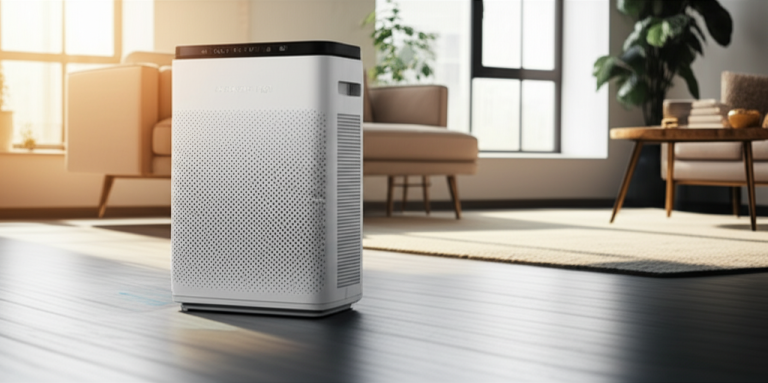
What Is The Best Activated Carbon Air Purifier: Essential Guide

The best activated carbon air purifier effectively removes odors, VOCs, and gases by trapping pollutants within its porous structure. Choosing one involves understanding filter types, CADR, room size, and added features like HEPA filters for comprehensive air cleaning.
When you think about clean air, you might picture fresh outdoor breezes. But inside our homes, things can get a bit stuffy. Everyday activities, from cooking to cleaning, can release tiny particles and odors into the air. This is where activated carbon air purifiers come in. They are like super-sponges for your air, soaking up all those unwanted smells and gases. If you’re wondering what is the best activated carbon air purifier for your needs, you’re in the right place. I’ll guide you through everything you need to know to breathe easier at home.
Why Activated Carbon is Key for Air Purification
Activated carbon is a special type of charcoal that has been treated to be incredibly porous. Think of it like a sponge with millions of tiny holes. These holes are perfect for trapping molecules that cause odors and harmful gases. This process is called adsorption, where molecules stick to the surface of the carbon. It’s a powerful way to clean the air from things like cooking smells, pet odors, and even chemicals from cleaning products.
Activated carbon filters are a crucial part of many air purifiers. They work by pulling air through the filter, where the activated carbon grabs onto the odor-causing particles. This leaves the air smelling fresher and cleaner. It’s a simple yet effective technology that makes a big difference in indoor air quality.
Understanding How Activated Carbon Air Purifiers Work
Activated carbon air purifiers use a filter made of this special charcoal. As air passes through the filter, tiny gas molecules and odor particles get stuck in the carbon’s pores. It’s like a sticky trap for smells and gases. This is different from HEPA filters, which are great at trapping physical particles like dust and pollen. Activated carbon specifically targets gases and odors.
The effectiveness of an activated carbon filter depends on how much carbon it contains and how long the air is in contact with it. More carbon and longer contact time generally mean better odor and gas removal. This makes them a vital component for a truly clean-smelling home environment.
What Makes an Activated Carbon Air Purifier “The Best”?
When searching for what is the best activated carbon air purifier, several factors stand out. The amount and quality of activated carbon are paramount. A thicker, denser carbon filter will absorb more odors and gases than a thin one. You should also consider the purifier’s Clean Air Delivery Rate (CADR), which measures how quickly it cleans a room.
Beyond the carbon, look at the overall design of the purifier. Does it have a pre-filter to catch larger particles and extend the life of the carbon filter? Is it energy-efficient? Does it have a HEPA filter as well, for a more complete air purification system? These details help determine the best fit for your specific needs.
Key Features to Look For in an Activated Carbon Air Purifier
When you’re looking for what is the best activated carbon air purifier, keep these features in mind. First, the type and amount of activated carbon are crucial. Look for filters with a substantial amount of granular or pelletized carbon, not just a thin carbon-coated mesh. Next, consider the CADR ratings for smoke, dust, and pollen. Higher numbers mean faster air cleaning.
Also, check the room coverage area – make sure the purifier is designed for the size of your space. A pre-filter is beneficial for capturing larger particles, protecting the main filters. Finally, consider noise levels and energy consumption, especially if the purifier will run continuously.
Activated Carbon vs. Other Air Purifier Technologies
Activated carbon is excellent for odors and gases, but it’s not the only technology. HEPA filters are essential for trapping tiny physical particles like dust, pollen, mold spores, and pet dander. Many of the best air purifiers combine activated carbon with HEPA filters for comprehensive cleaning.
Other technologies like UV-C light can kill germs, and ionizers release charged particles to capture pollutants. However, some ionizers can produce ozone, which can be harmful. For a balance of odor control and particle removal, a purifier with both activated carbon and a true HEPA filter is often considered the most effective all-around solution.
Choosing the Right Size and CADR for Your Room
The size of the room is a major factor in selecting what is the best activated carbon air purifier. A small purifier won’t be effective in a large living room. Look for the manufacturer’s recommended room size coverage. Then, check the CADR ratings. The CADR indicates how much clean air the purifier delivers.
For example, a CADR of 200 means the purifier can clean 200 cubic feet of air per minute. A higher CADR means faster cleaning. It’s generally recommended to choose a purifier with a CADR that is at least two-thirds of the room’s square footage. This ensures efficient air circulation and purification.
Essential LSI Keywords and Entities to Consider
When you’re researching what is the best activated carbon air purifier, you’ll encounter several important terms. VOCs (Volatile Organic Compounds) are gases released from paints, cleaning supplies, and furniture, and activated carbon is great at removing them. Odor absorption is a primary function. You’ll also see HEPA filters, which work alongside carbon to remove particles.
Other entities include brands like Coway, Levoit, and Blueair, and concepts like air changes per hour (ACH), which refers to how many times the air in a room is filtered per hour. Understanding these terms helps you make a more informed choice.
Top Activated Carbon Air Purifiers: A Comparative Look
Choosing what is the best activated carbon air purifier often comes down to comparing specific models. Here’s a look at some popular options and their strengths:
| Air Purifier Model | Key Activated Carbon Feature | HEPA Filter | Best For | Approximate Price Range |
|—|—|—|—|—|
| Levoit Core 300S | Large cylindrical activated carbon filter | True HEPA | Small to medium rooms, odor control | $$ |
| Coway Airmega 200M | Carbon filter with extensive surface area | True HEPA | Medium to large rooms, multi-stage filtration | $$$ |
| Blueair Blue Pure 211+ Auto | Washable fabric pre-filter, large carbon filter | Proprietary HEPASilent™ | Large open spaces, high dust/allergen areas | $$$$ |
| Winix 5500-2 | Washable PlasmaWave technology, True HEPA, Carbon filter | True HEPA | Medium rooms, pet owners, general air quality | $$ |
Note: Prices are approximate and can vary.
This table highlights how different purifiers balance their activated carbon capabilities with other features. Your specific needs, like the size of your room or presence of pets, will guide you to the right choice.
Maintenance and Filter Replacement for Optimal Performance
To ensure your activated carbon air purifier continues to perform well, regular maintenance is key. The carbon filter will eventually become saturated and lose its effectiveness. Manufacturers typically recommend replacing the carbon filter every 6-12 months, depending on usage and air quality. Ignoring this can mean your purifier stops removing odors and gases effectively.
Always check the manufacturer’s instructions for your specific model. Some purifiers have filter life indicators. Cleaning the pre-filter regularly (often weekly) will also extend the life of the main filters and improve overall performance. This simple upkeep ensures you’re always breathing the cleanest air possible.
Real-World Benefits: Cleaner Air and Odor Elimination
Many users report significant improvements in air quality after using an activated carbon air purifier. For instance, pet owners often find relief from persistent pet odors. People living in urban areas or near busy roads notice a reduction in traffic fumes and other external smells. Those sensitive to cooking odors also benefit greatly.
A study published in the Journal of Environmental Science and Health highlighted the effectiveness of activated carbon in removing common household VOCs. This translates to a more pleasant and healthier living environment. For many, the peace of mind that comes with knowing their air is being cleaned is invaluable.
Frequently Asked Questions About Activated Carbon Air Purifiers
What is the primary benefit of activated carbon in an air purifier?
Activated carbon is best at trapping odors, gases, and VOCs. It acts like a sponge for smells and chemicals, making your air smell fresher.
How often do I need to replace the activated carbon filter?
Typically, you’ll need to replace the carbon filter every 6 to 12 months. This depends on how much you use the purifier and the air quality in your home.
Can activated carbon filters remove all types of air pollutants?
No, activated carbon is mainly for gases and odors. For physical particles like dust, pollen, and pet dander, you need a HEPA filter.
Do activated carbon air purifiers produce ozone?
Most modern activated carbon air purifiers do not produce ozone. However, some older technologies or specific types, like certain ionizers, might. Always check the product specifications.
How do I know if I need an activated carbon air purifier?
If you experience persistent odors from cooking, pets, smoke, or chemicals, an activated carbon purifier can significantly help. It’s also great for general air freshness.
Can I wash activated carbon filters?
Generally, no. Activated carbon filters are designed to be replaced once they are saturated. Washing them won’t reactivate their porous structure for trapping gases.
Conclusion: Finding Your Best Activated Carbon Air Purifier
Deciding what is the best activated carbon air purifier for your home involves understanding your specific needs. For maximum effectiveness against a wide range of pollutants, a unit that combines a robust activated carbon filter with a true HEPA filter is often the ideal choice. Consider the size of your room, the CADR ratings, and features like pre-filters and noise levels. By paying attention to these details and remembering the importance of regular filter replacement, you can ensure you’re breathing cleaner, fresher air every day. Invest in your home’s air quality, and you’ll likely notice a positive difference in your overall well-being.