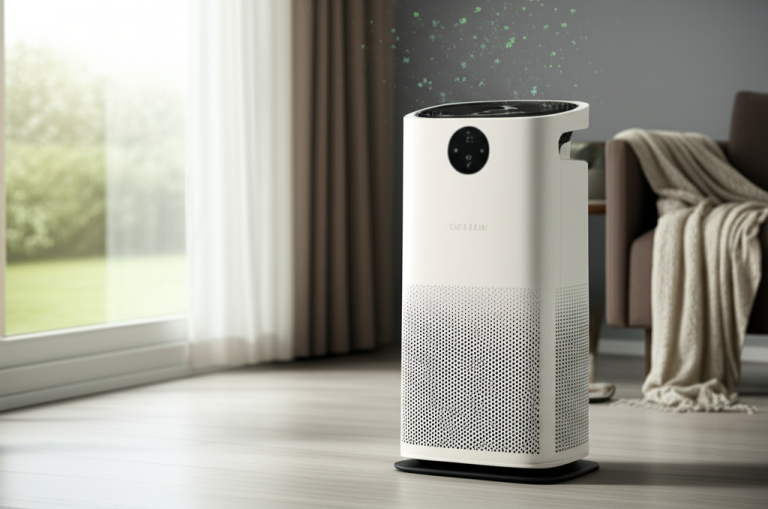
What Air Purifier Is The Best: Genius Choice

Choosing the best air purifier involves understanding your needs and the technology. The top choices excel in HEPA filtration, CADR ratings, and smart features for clean, healthy air at home. We’ll guide you to a genius choice.
Breathing clean air is important for your health. Many homes have air that isn’t as fresh as we think. Dust, pollen, pet dander, and even invisible pollutants can float around. This can make allergies worse or cause breathing problems. Finding the right air purifier can make a big difference. But with so many options, it’s hard to know which one is the best air purifier. This guide will help you understand what makes a great air purifier. We’ll break down the key features and help you find the perfect fit for your home.
What Air Purifier Is The Best? Understanding Your Needs
The best air purifier for you depends on your specific needs, like room size, allergies, and budget. Consider these factors to make a smart, personalized choice for healthier air.
To pick the best air purifier, think about your home and what you need it to do. What size is the room you want to purify? Do you have allergies or asthma? Are you concerned about pet odors or smoke? Knowing these things helps narrow down your choices. It ensures you get an air purifier that truly solves your air quality problems.
Sizing Up Your Space: Room Size Matters
An air purifier’s effectiveness is directly tied to the size of the room it’s meant for. Ensure the unit’s Clean Air Delivery Rate (CADR) matches your room’s dimensions for optimal performance.
Air purifiers are designed for specific room sizes. A small unit won’t clean the air well in a large living room. Always check the manufacturer’s recommended room size. This is usually listed in square feet. It helps you match the purifier’s power to your space.
Allergy Season Survival: HEPA Filters Are Key
For allergy and asthma sufferers, a true HEPA filter is non-negotiable. It captures 99.97% of airborne particles as small as 0.3 microns, offering significant relief from allergens.
If you suffer from allergies or asthma, a HEPA filter is your best friend. True HEPA filters trap tiny particles. These include dust, pollen, pet dander, and mold spores. This type of filter is essential for improving air quality for sensitive individuals.
Beyond Allergens: Tackling Odors and Smoke
Activated carbon filters are crucial for removing odors, smoke, and VOCs (Volatile Organic Compounds). They work by adsorcing (not absorbing) gases and smells, leaving your air fresh.
Some air purifiers have special filters for odors and smoke. These are often made of activated carbon. This material is very good at trapping smells. It can help with cooking odors, pet smells, and smoke from cigarettes or wildfires.
Smart Features for Modern Homes
Modern air purifiers offer smart features like app control, air quality sensors, and automatic mode adjustments. These enhance convenience and ensure your air is always clean without constant manual input.
Many new air purifiers have smart technology. You can often control them with a smartphone app. Some even have sensors that detect air pollution. They can then automatically adjust their fan speed. This makes them easy to use and very efficient.
What Air Purifier Is The Best? Top Technologies Explained
Understanding air purifier technologies, like HEPA, activated carbon, and ionizers, helps you choose the most effective model for your home’s specific air quality concerns.
Air purifiers use different technologies to clean your air. Knowing these technologies will help you make a smart choice. Each type tackles different kinds of pollutants. This section will explain the most common and effective ones.
True HEPA: The Gold Standard for Particles
True HEPA (High-Efficiency Particulate Air) filters are the benchmark for capturing microscopic particles. They are rigorously tested to remove at least 99.97% of airborne contaminants down to 0.3 microns.
HEPA filters are very important for clean air. The “True HEPA” standard means they are highly effective. They catch even very small particles that you can’t see. This includes allergens like pollen and dust mites.
Activated Carbon: Your Odor and Gas Neutralizer
Activated carbon filters are porous and highly effective at adsorbing gases, odors, and volatile organic compounds (VOCs). The more carbon a filter contains, the more effective it will be at neutralizing smells and chemicals.
Activated carbon filters are like sponges for smells. They have many tiny holes that trap gas molecules. This is great for getting rid of cooking smells or pet odors. It also helps with fumes from cleaning products.
Pre-filters: The First Line of Defense
A washable pre-filter captures larger particles like hair and dust bunnies. This protects the more expensive HEPA and carbon filters, extending their lifespan and maintaining overall performance.
Most air purifiers have a pre-filter. This is the first layer of filtration. It catches bigger things like pet hair and large dust particles. Cleaning the pre-filter regularly helps the other filters last longer.
Ionizers and UV-C: Additional Purification Methods
Ionizers release charged particles to clump pollutants, while UV-C light can neutralize airborne viruses and bacteria. However, some ionizers can produce ozone, so check for CARB certification for safety.
Some air purifiers use ionizers or UV light. Ionizers make particles stick together so they fall out of the air. UV-C light can kill germs. Always check if an ionizer is certified to be ozone-free for safety. The U.S. Environmental Protection Agency (EPA) notes that ozone can be harmful to your health.
What Air Purifier Is The Best? Key Performance Metrics
Evaluating air purifiers involves understanding metrics like CADR, ACH, and noise levels. These numbers provide objective measures of a unit’s cleaning power, air exchange rate, and quiet operation.
How well an air purifier works is measured by certain numbers. These metrics help you compare different models. They tell you how fast and how effectively it cleans the air. Understanding these will help you find the best air purifier.
CADR: How Fast It Cleans
The Clean Air Delivery Rate (CADR) indicates how quickly an air purifier can filter specific pollutants. Higher CADR ratings mean faster cleaning, especially important for larger rooms or severe air quality issues.
CADR stands for Clean Air Delivery Rate. It tells you how quickly the purifier cleans the air. There are usually CADR ratings for smoke, dust, and pollen. A higher CADR means it cleans faster.
ACH: Air Changes Per Hour
Air Changes per Hour (ACH) signifies how many times the air in a room is completely filtered in one hour. For optimal air quality, especially for allergy sufferers, aim for 4-5 ACH.
ACH means how many times the air in your room gets cleaned each hour. If a purifier has an ACH of 5, it cleans all the air in the room five times every hour. This is great for keeping the air very fresh.
Noise Levels: Keeping the Peace
Air purifier noise is measured in decibels (dB). Lower dB ratings mean quieter operation, crucial for bedrooms or living areas where you want clean air without disruptive sound.
Air purifiers make noise when they run. This is measured in decibels (dB). Lower numbers mean it’s quieter. If you plan to use it in a bedroom, look for a model with a low noise level.
What Air Purifier Is The Best? Top Brands and Models
Based on performance, features, and user reviews, certain brands consistently offer top-tier air purifiers. Considering models from Coway, Levoit, and Blueair often leads to a genius choice.
Many brands make good air purifiers. Some are known for their high performance and reliability. Here are a few popular brands that often have excellent models. They are good places to start your search for the best air purifier.
Coway: Airmega Series Excellence
Coway’s Airmega series is highly regarded for its powerful performance, advanced filtration, and user-friendly smart features. Models like the Airmega 200M offer excellent value and effectiveness.
Coway makes very popular air purifiers. Their Airmega models are well-liked. They are good at cleaning the air and easy to use. Many people find them to be a great choice for their homes.
Levoit: Affordable and Effective Solutions
Levoit offers a range of affordable air purifiers that deliver strong performance, particularly their Core series. They are a popular choice for smaller to medium-sized rooms and budget-conscious buyers.
Levoit is a brand that offers good air purifiers at lower prices. Their Core models are very popular. They are a great option if you need a good air purifier but don’t want to spend a lot of money.
Blueair: Performance and Design
Blueair purifiers are known for their high CADR ratings, sleek Scandinavian design, and efficient HEPASilent technology. They are excellent for larger spaces and those who value both performance and aesthetics.
Blueair air purifiers are known for cleaning air very well. They also look nice in a home. Their technology is very efficient. These are good for bigger rooms or if you care about how things look.
What Air Purifier Is The Best? Choosing by Need
Tailoring your air purifier choice to your specific needs – whether it’s tackling pet dander, smoke, or general air freshness – ensures you get the most effective and satisfying solution.
Think about why you need an air purifier. This will guide you to the best choice. Different purifiers are better for different problems. Let’s look at some common needs.
For Pet Owners: Odor and Dander Control
Pet owners benefit most from purifiers with robust pre-filters for hair and strong activated carbon filters for odors. Look for high CADR ratings to handle dander effectively in larger areas.
If you have pets, you need an air purifier that can handle pet hair and smells. A good pre-filter will catch the hair. A strong carbon filter will remove pet odors. Make sure it’s strong enough for your room size.
For Allergy Sufferers: Maximum Particle Capture
Individuals with allergies should prioritize true HEPA filters and high ACH ratings. These ensure maximum capture of pollen, dust mites, and other microscopic allergens for a healthier indoor environment.
People with allergies need the best particle capture. Look for a true HEPA filter. This is the most important thing for allergies. A high ACH rating also helps keep the air clean.
For Smokers or Wildfire Areas: Smoke and Odor Specialists
For smoke, a purifier with a substantial activated carbon filter is essential. Look for high CADR ratings specifically for smoke to quickly clear the air of particulate matter and unpleasant smells.
If you smoke or live in an area with wildfire smoke, you need a strong carbon filter. These filters are best for removing smoke. A high CADR rating for smoke is also very important. It helps clear the air fast.
What Air Purifier Is The Best? Understanding Filters
Air purifier filters are the heart of the machine. Knowing the types of filters and their limitations helps you choose a unit that effectively addresses your air quality concerns.
Filters are the most important part of an air purifier. They are what actually clean the air. There are different types of filters. Each one does a specific job.
Filter Types and Their Jobs
Pre-filter: Catches large particles like hair and lint. Usually washable.
True HEPA Filter: Captures 99.97% of particles down to 0.3 microns (dust, pollen, dander, mold spores). Needs regular replacement.
Activated Carbon Filter: Adsorbs odors, gases, and VOCs (smoke, cooking smells, chemical fumes). Needs regular replacement.
Specialty Filters: Some purifiers have filters for specific issues like formaldehyde or viruses.
Filter Lifespan and Replacement Costs
Filters don’t last forever and need replacement. Factor in the ongoing cost of replacement filters when budgeting for an air purifier, as this can add up over time.
You will need to replace filters. This is an ongoing cost. Check how often filters need to be replaced. Also, find out how much new filters cost. This is part of the total cost of owning an air purifier.
What Air Purifier Is The Best? Energy Efficiency and Certifications
Choosing an energy-efficient air purifier saves on electricity bills and is better for the environment. Look for ENERGY STAR certification and CARB compliance for safe and efficient operation.
Air purifiers use electricity. Some use more than others. Look for ENERGY STAR certified models. These use less energy. This saves you money on your electric bill. It’s also better for the planet.
ENERGY STAR: Saving Energy, Saving Money
ENERGY STAR certified air purifiers are more energy-efficient than standard models. They meet strict guidelines set by the U.S. Environmental Protection Agency for reduced energy consumption.
ENERGY STAR means the appliance is energy efficient. This is good for your wallet. It also means it’s better for the environment. Many good air purifiers have this certification.
CARB Certification: Ozone Safety
The California Air Resources Board (CARB) certifies air purifiers that meet strict ozone emission limits. This is crucial for ensuring the unit doesn’t produce harmful ozone gas, especially if it has an ionizer.
CARB certification is important for safety. It means the air purifier does not produce too much ozone. Ozone can be bad for your health. Always look for CARB certification, especially if the purifier has an ionizer. The EPA states that ozone can irritate the lungs.
What Air Purifier Is The Best? User Experience and Maintenance
A great air purifier is not just effective but also easy to use and maintain. Consider features like simple controls, filter replacement indicators, and quiet operation for a seamless experience.
Using an air purifier should be easy. You shouldn’t have to be a tech expert. Look for simple controls. A filter replacement light is helpful. Quiet operation is also a big plus.
Ease of Use and Controls
Intuitive controls, clear displays, and simple setup make an air purifier a pleasure to use. Smart features can add convenience, but core functionality should remain straightforward.
Good air purifiers are easy to operate. The buttons should be clear. The display should be easy to read. Smart features can be nice, but the basic functions should be simple.
Maintenance: Filters and Cleaning
Regular maintenance, primarily filter replacement and occasional cleaning of the unit and pre-filter, is key to an air purifier’s longevity and performance. Follow the manufacturer’s instructions.
You need to do some basic maintenance. This means changing filters. You might also need to clean the outside of the unit. Always follow the instructions from the maker. This keeps your purifier working well.
What Air Purifier Is The Best? Price vs. Performance
While budget is a factor, the best air purifier offers a balance of effective filtration, suitable room coverage, and reasonable running costs. Investing a bit more can often lead to superior performance and longevity.
Air purifiers cost different amounts. Some are very expensive. Others are much cheaper. The most expensive one is not always the best. You need to find a good balance. Think about what you get for the price.
Budget-Friendly Options
For those on a tighter budget, brands like Levoit offer effective models that provide good value. They might lack some advanced features but still deliver essential air purification.
If you don’t have a lot of money to spend, you can still find a good air purifier. Levoit is a good brand for this. They offer models that work well without costing too much.
Mid-Range Performers
The mid-range offers a sweet spot with models from brands like Coway and Winix. These units provide excellent HEPA filtration, good CADR ratings, and often include useful smart features.
In the middle price range, you find great options. Brands like Coway often have models here. They offer good filters and clean the air well. They might also have smart features.
Premium Choices
High-end air purifiers from brands like Blueair or Dyson often feature cutting-edge technology, superior design, and advanced sensors. They are ideal for larger spaces or those seeking the absolute best performance.
The most expensive air purifiers have the latest technology. They might also look very modern. These are good if you have a big room or want the very best. But remember, a cheaper one might do the job just fine.
Frequently Asked Questions (FAQ)
What is the most important factor when choosing an air purifier?
The most important factor is a true HEPA filter for capturing tiny particles. After that, consider room size and CADR ratings.
How often should I replace air purifier filters?
You should replace filters typically every 6 to 12 months. Check your model’s manual for specific recommendations.
Can air purifiers help with COVID-19?
Air purifiers with HEPA filters can help reduce airborne virus particles. However, they are not a substitute for other safety measures like masks and ventilation.
Do air purifiers use a lot of electricity?
Most modern air purifiers are energy-efficient, especially those with ENERGY STAR certification. They use less electricity than many other home appliances.
What is the difference between an air purifier and an air filter?
An air filter is a component that traps particles. An air purifier is the entire machine that uses filters (and sometimes other technologies) to clean the air.
Can I run an air purifier 24/7?
Yes, you can run most air purifiers continuously. It’s often recommended for optimal air quality, especially if you have allergies or pets.
Conclusion: Your Genius Choice for Cleaner Air
The best air purifier for you is one that meets your specific needs for room size, filtration type, and budget. Prioritize true HEPA filters and appropriate CADR ratings for a truly genius choice in cleaner, healthier air.
Finding what air purifier is the best is about making a smart choice for your home. It’s not just about buying a machine. It’s about understanding how clean air helps you. It’s about picking the right tool for your needs. By looking at filter types, room size, and performance ratings, you can find a purifier that truly works. This will help you breathe easier and feel better in your own home. We hope this guide helps you make your genius choice.