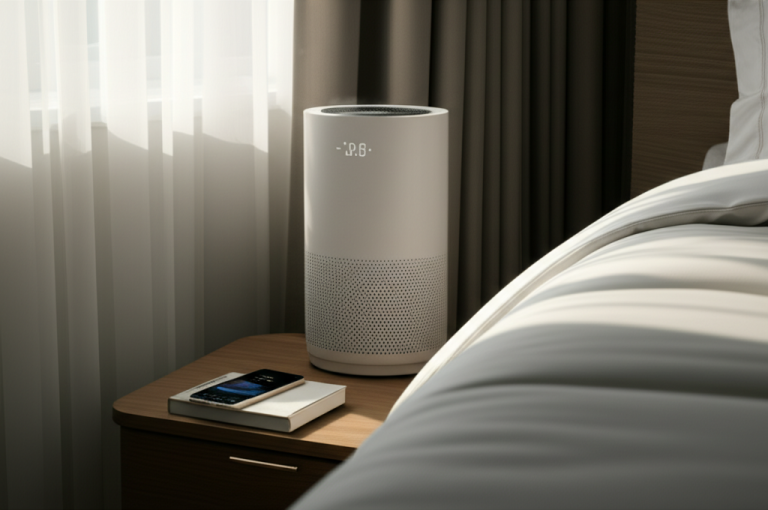
Uv-C Sterilization Air Purifier: Essential For Schools

A uv-c sterilization air purifier is crucial for schools to kill germs in the air. This helps prevent sickness and keeps students and staff healthy. It’s an important tool for creating safer learning environments.
The classroom is a place for learning and growing. But it can also be a breeding ground for germs. When many children share a space, airborne viruses and bacteria can spread quickly. This leads to more sick days for students and teachers. Keeping the air clean is a big challenge. A uv-c sterilization air purifier offers a powerful solution to this common problem. It helps create a healthier environment for everyone. Let’s explore how this technology can protect your school.
What is a UV-C Sterilization Air Purifier?
A uv-c sterilization air purifier uses a special type of light, called UV-C light, to kill germs. This light damages the DNA of viruses, bacteria, and mold. When their DNA is damaged, they can’t reproduce or make people sick anymore. The air passes through the purifier, and the UV-C light cleans it. This makes the air safer to breathe for everyone in the room.
Why Schools Need Air Purification
Schools are busy places with many people close together. This makes them ideal spots for germs to spread. Common illnesses like colds, the flu, and even more serious viruses can move from person to person quickly. High levels of airborne contaminants can also affect concentration and learning. Improving air quality is vital for student well-being and academic success.
The Science Behind UV-C Light
UV-C light is part of the ultraviolet light spectrum. It’s naturally produced by the sun, but at ground level, it’s mostly blocked by the ozone layer. In air purifiers, a special lamp generates UV-C light. This light is very effective at inactivating microorganisms. It works by breaking down their genetic material. This process renders them harmless. Many scientific studies confirm the effectiveness of UV-C light against a wide range of pathogens.
How UV-C Sterilization Air Purifiers Work in Classrooms
When air enters a uv-c sterilization air purifier, it first passes through a filter. This filter captures larger particles like dust and pet dander. Then, the air is exposed to the UV-C light. This light neutralizes any viruses, bacteria, or mold spores that made it through the filter. Finally, the cleaned air is released back into the classroom. This continuous cycle helps reduce the overall germ load in the air.
Benefits of UV-C Sterilization Air Purifiers for Schools
Using a uv-c sterilization air purifier in schools offers many advantages. It significantly reduces the spread of airborne illnesses. This means fewer sick days for students and staff. Healthier students can attend school more regularly, leading to better academic performance. Cleaner air can also reduce allergy symptoms and improve overall comfort. This creates a more positive learning atmosphere.
Reduced Illness and Absenteeism
One of the biggest benefits is fewer sick days. When fewer students and teachers get sick, learning isn’t interrupted. This helps students keep up with their studies. It also reduces the burden on teachers who might have to cover for absent colleagues. Lower absenteeism contributes to a more consistent and effective educational experience for all.
Improved Air Quality
Beyond killing germs, these purifiers can also help with other air quality issues. They can remove odors and some volatile organic compounds (VOCs). This creates a fresher, more pleasant environment. Better air quality can lead to increased alertness and better cognitive function in students. It simply makes the classroom a nicer place to be.
Protection Against Emerging Threats
In today’s world, we face new health challenges. A uv-c sterilization air purifier provides an extra layer of defense. It can help neutralize a wide range of airborne pathogens. This proactive approach is essential for maintaining a safe school environment. It offers peace of mind to parents, teachers, and administrators.
Key Features to Look for in a School Air Purifier
When choosing a uv-c sterilization air purifier for a school, consider several factors. You’ll want a unit that is powerful enough for the room size. Look for multiple stages of filtration, including a HEPA filter and UV-C technology. Durability and ease of maintenance are also important. Safety features, like enclosed UV-C lamps, are crucial in a school setting.
Coverage Area and CADR
The Clean Air Delivery Rate (CADR) tells you how quickly a purifier cleans a room. Ensure the unit’s CADR is appropriate for the size of the classroom or space. A higher CADR means faster air cleaning. It’s important to match the purifier’s capacity to the room’s volume. This ensures effective air purification throughout the day.
Filter Types and Lifespan
Most good air purifiers use a multi-stage filtration system. This typically includes a pre-filter, a HEPA filter, and an activated carbon filter. The UV-C light is an added sterilization step. Check how often filters need to be replaced and their cost. Longer-lasting filters can save money in the long run. Easy access for filter changes is also a plus.
Safety Certifications and Design
Look for safety certifications from organizations like UL or ETL. Ensure the UV-C light source is fully enclosed. This prevents accidental exposure. Units designed for commercial use are often more robust. Consider noise levels too; a quiet purifier won’t disrupt learning. A well-designed unit is both effective and safe for a school environment.
Implementing UV-C Sterilization Air Purifiers in Schools
Putting uv-c sterilization air purifiers into schools requires a thoughtful plan. Start by assessing the needs of different areas. Classrooms, libraries, gyms, and offices may have different requirements. Consider the number of students and staff in each space. Proper placement of the units is also key to effective air circulation.
Placement Strategy
Place purifiers where they can best circulate air. Avoid blocking the intake or outlet vents. Placing them away from corners allows air to flow more freely. In classrooms, consider placing one unit towards the front and another towards the back if the room is large. This ensures consistent air cleaning across the entire space.
Maintenance Schedule
Regular maintenance is essential for the purifier to work effectively. This includes cleaning pre-filters and replacing main filters as recommended. The UV-C lamp also has a lifespan and will need replacement eventually. Creating a clear maintenance schedule and assigning responsibility will ensure the units remain operational. This is a vital step for sustained air quality improvement.
Cost-Effectiveness and Budget Considerations
Investing in a uv-c sterilization air purifier is an investment in health. While there is an upfront cost, the benefits often outweigh the expense. Reduced healthcare costs from fewer sick days can be substantial. Consider the long-term savings from improved attendance and productivity. Many manufacturers offer bulk discounts for educational institutions.
Expert Opinions and Research
Numerous studies support the use of UV-C light for air disinfection. The U.S. Environmental Protection Agency (EPA) acknowledges UV-C’s role in air cleaning. Organizations like the Centers for Disease Control and Prevention (CDC) have also published guidance on UV disinfection technologies. These sources highlight the proven efficacy of UV-C in reducing airborne pathogens.
> “UV-C light is a proven technology for inactivating a wide range of microorganisms. Its application in air purification systems offers a valuable tool for enhancing indoor air quality, especially in shared environments like schools.” – A statement from an HVAC industry journal.
Comparing UV-C Air Purifiers with Other Methods
While ventilation and good hygiene are important, they have limitations. Opening windows can be impractical due to weather or security concerns. Traditional air filters capture particles but don’t actively kill germs. A uv-c sterilization air purifier adds a powerful germicidal layer. It complements other methods for comprehensive air safety.
Here’s a look at different air cleaning approaches:
| Method | How it Works | Effectiveness Against Germs | Pros | Cons |
| :————————- | :—————————————— | :————————– | :—————————————– | :——————————————- |
| Ventilation | Brings in fresh outdoor air | Moderate | Removes pollutants, improves air freshness | Impractical in bad weather, security risks |
| HEPA Filtration | Traps particles like dust and pollen | Good for particles | Removes allergens, improves air clarity | Doesn’t kill viruses/bacteria, needs filter replacement |
| UV-C Sterilization | Uses UV light to kill germs | Excellent for germs | Kills viruses, bacteria, mold | Needs proper shielding, lamp replacement |
| Activated Carbon Filter| Absorbs odors and gases | Good for odors/gases | Removes smells, some VOCs | Doesn’t filter particles or kill germs |
Addressing Concerns and Misconceptions
Some people worry about the safety of UV-C light. However, modern uv-c sterilization air purifiers have safety features. The UV-C lamps are typically enclosed within the unit. This means the light never directly exposes people. The air passing through is sterilized safely. It’s a contained and controlled process.
Frequently Asked Questions About UV-C Air Purifiers for Schools
What is UV-C light and how does it sterilize air?
UV-C light is a germicidal wavelength of ultraviolet light. It damages the DNA and RNA of microorganisms like viruses and bacteria. This prevents them from multiplying and causing infections.
Are UV-C air purifiers safe for use around children?
Yes, when used in enclosed air purifiers, they are safe. The UV-C light is contained within the unit. It does not directly expose people.
How often do UV-C lamps need to be replaced?
UV-C lamps have a limited lifespan, typically 9,000 to 12,000 hours of use. This usually means replacement once a year or every 18 months, depending on usage.
Can a UV-C air purifier eliminate all airborne germs?
While highly effective, no single device can eliminate 100% of all airborne germs. However, a uv-c sterilization air purifier significantly reduces the concentration of pathogens.
Do UV-C air purifiers produce ozone?
Reputable UV-C air purifiers are designed not to produce ozone. Ozone can be harmful to respiratory health. Always choose certified, ozone-free models.
How large of a room can one UV-C air purifier cover?
Coverage varies by model. Check the manufacturer’s specifications for room size and CADR (Clean Air Delivery Rate). Choose a unit appropriate for your classroom size.
Conclusion
A uv-c sterilization air purifier is a smart and effective investment for any school. It offers a powerful defense against airborne illnesses. By neutralizing viruses, bacteria, and mold, it creates a healthier learning environment. This leads to fewer sick days, better concentration, and overall improved well-being for students and staff. Implementing this technology is a proactive step towards a safer and more productive school year. Consider a uv-c sterilization air purifier as an essential tool for modern education.