
The Best Air Purifier For Pet Hair: Genius Solution

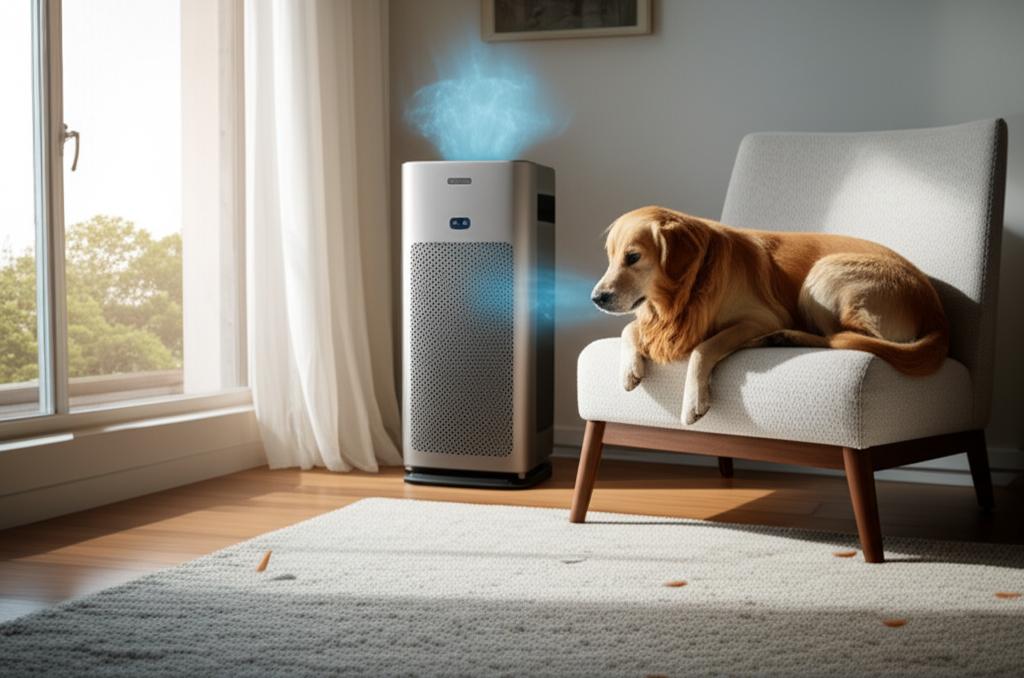
The best air purifier for pet hair offers a genius solution to combat dander, odors, and allergens. This guide helps you find a model that effectively cleans your air, creating a healthier home for you and your furry friends.
Having pets brings so much joy, but it also brings challenges like pesky pet hair floating everywhere. You might notice more sneezing, itchy eyes, or even just a lingering odor. It can feel overwhelming to keep your home clean and fresh. But don’t worry, I’ve got a simple, effective solution for you. This guide will walk you through choosing the best air purifier for pet hair. We’ll look at what makes a good one and help you pick the perfect machine for your needs.
Why Pet Hair Needs a Special Air Purifier
Pet hair isn’t just visible fluff; it carries dander and allergens. Dander is tiny skin flakes that pets shed. These particles are so small they can easily become airborne. They can trigger allergies and asthma symptoms in people. Standard air filters might miss these tiny offenders. Therefore, a specialized air purifier is crucial for a truly clean home environment.
Understanding Air Purifier Technologies for Pet Owners
Air purifiers use different methods to clean air. For pet owners, HEPA filters are a must-have. They capture at least 99.97% of particles 0.3 microns in size. This includes pet dander, dust mites, and pollen. Activated carbon filters are also important. They absorb odors from pets, litter boxes, and general pet smells. Some purifiers use ionizers or UV-C light, but these can sometimes produce ozone, which might irritate sensitive individuals.
Key Features to Look for in the Best Air Purifier for Pet Hair
When searching for the best air purifier for pet hair, several features stand out. You’ll want a robust filtration system, especially a True HEPA filter. Look for a unit with a substantial activated carbon filter to tackle odors. Consider the CADR (Clean Air Delivery Rate) for the room size. A higher CADR means it cleans air faster. Noise level is also important, especially if you’re sensitive to sound.
HEPA Filters: The Gold Standard for Pet Allergens
True HEPA filters are the most effective way to capture pet dander and hair. They work like a super-fine sieve for the air. These filters are certified to trap 99.97% of airborne particles. This includes allergens as small as 0.3 microns. Investing in an air purifier with a True HEPA filter is a game-changer for allergy sufferers. It ensures that even the tiniest dander particles are removed from your breathing space.
Activated Carbon Filters: Banishing Pet Odors
Pet odors can be persistent and unpleasant. Activated carbon filters are designed to adsorb these smells. They have a porous structure that traps odor molecules. Think of it like a sponge for smells. The more activated carbon a purifier has, the better it will be at eliminating common pet odors. This is essential for keeping your home smelling fresh and clean, no matter how many furry friends you have.
Room Size and CADR: Matching the Purifier to Your Space
Choosing the right size air purifier is vital for effectiveness. The CADR rating tells you how quickly a purifier can clean the air in a room. For pet hair and dander, you want a CADR that matches or exceeds your room size. Manufacturers often provide guidelines for recommended room coverage. It’s better to get a slightly larger unit than you think you need. This ensures it can handle the extra load from pet-related particles.
Understanding CADR Ratings
High CADR: Cleans large rooms quickly. Ideal for living areas.
Medium CADR: Suitable for moderate-sized bedrooms.
* Low CADR: Best for small offices or personal spaces.
Noise Levels: Keeping Your Home Peaceful
Air purifiers can sometimes be noisy. This is especially true for units with powerful fans. For bedrooms or quiet living spaces, look for purifiers with low noise levels. Many models offer a “sleep mode” or low fan setting that operates very quietly. Check the decibel (dB) rating for different fan speeds. A rating below 50 dB is generally considered quiet.
Maintenance: Filter Replacement and Cleaning
All air purifiers require maintenance. The most common task is replacing the HEPA and carbon filters. These filters get clogged over time and lose their effectiveness. Follow the manufacturer’s recommendations for filter replacement. This is usually every 6-12 months, depending on usage and air quality. Some units also have washable pre-filters that catch larger debris like visible pet hair. Regular cleaning of these pre-filters can extend the life of the main filters.
Top-Rated Air Purifiers for Pet Hair: Our Picks
After extensive research, here are some of the best air purifiers for pet hair on the market. These models consistently receive high marks for their performance in capturing dander, hair, and odors. They also offer excellent value and user satisfaction.
| Brand/Model | Filter Type | Room Size (sq ft) | Noise Level (dB) | Key Pet Features |
| :————————– | :——————————————- | :—————- | :————— | :——————————————— |
| Coway Airmega 200M | True HEPA, Activated Carbon, Pre-filter | 361 | 20.4 – 53.8 | Excellent dander and odor control. Auto mode. |
| Levoit Core 300S | True HEPA, Activated Carbon, Pre-filter | 219 | 24 – 50 | Compact, quiet, smart features. Good for bedrooms. |
| Blueair Blue Pure 211+ | HEPA-Silent, Activated Carbon | 540 | 31 – 53 | High performance, large coverage, washable pre-filter. |
| Winix 5500-2 | True HEPA, Activated Carbon, PlasmaWave™ | 360 | 28 – 55 | Auto mode, odor control, captures fine particles. |
Coway Airmega 200M: A Smart Choice
The Coway Airmega 200M is a standout performer. It features a multi-stage filtration system, including a True HEPA filter and an activated carbon filter. Its smart sensor adjusts fan speed automatically based on air quality. This ensures efficient cleaning without constant manual adjustments. It’s a reliable choice for medium to large rooms.
Levoit Core 300S: Compact Powerhouse
For smaller spaces or bedrooms, the Levoit Core 300S is excellent. It’s compact and surprisingly powerful for its size. It uses a 3-stage filtration system with a True HEPA filter. The smart capabilities allow for app control and voice commands. It’s also very quiet on its lowest setting, making it ideal for sleeping.
Blueair Blue Pure 211+: Large Coverage, Easy Care
The Blueair Blue Pure 211+ is designed for larger areas. Its washable fabric pre-filter is a huge plus for pet owners. It captures larger particles like visible hair, keeping the main filters cleaner for longer. The HEPA-Silent technology ensures quiet operation despite its high efficiency. This makes it a great option for living rooms or open-plan spaces.
What About Ozone?
Some air purifiers use technologies like ionizers or UV-C lights that can produce small amounts of ozone. While ozone can help neutralize odors and kill germs, it can also be a lung irritant for some people and pets. If you have respiratory sensitivities, it’s best to choose an air purifier that explicitly states it is ozone-free. Always check the specifications and certifications. The U.S. Environmental Protection Agency (EPA) has information on the health effects of ozone.
Installation and Setup: Getting Started
Setting up an air purifier is usually straightforward. Most models require minimal assembly. You’ll typically need to unwrap and insert the filters into the unit. Plug it in, choose your desired fan speed, and let it run. Many modern purifiers come with user-friendly controls or smartphone apps. Always read the user manual for specific instructions for your chosen model.
Frequently Asked Questions (FAQ)
Can an air purifier really get rid of pet hair?
Air purifiers are excellent at capturing airborne pet dander and fine hair particles. They don’t physically pick up hair from your floors or furniture, but they clean the air you breathe.
How often do I need to change the filters?
Filter replacement schedules vary by model and usage. Typically, HEPA filters need changing every 6-12 months. Activated carbon filters might need replacing at the same time or slightly more often.
Are air purifiers safe for cats and dogs?
Yes, most air purifiers are safe for pets. It’s best to choose models that do not produce ozone. Some pets might be curious about the noise, but they usually get used to it.
Which room is most important to place an air purifier in?
The room where you spend the most time is usually the best place. For many, this is the bedroom or living room. If your pet spends most of their time in a specific area, consider placing it there.
Do air purifiers help with pet smells?
Absolutely. Air purifiers with activated carbon filters are very effective at absorbing and neutralizing pet odors, keeping your home smelling fresh.
What is the difference between a HEPA filter and a True HEPA filter?
A True HEPA filter is certified to capture 99.97% of particles 0.3 microns in size. “HEPA-like” or “HEPA-type” filters may not meet these strict standards. Always look for “True HEPA.”
Conclusion: Breathe Easier with the Right Air Purifier
Finding the best air purifier for pet hair can truly transform your home environment. By understanding the importance of HEPA and activated carbon filters, considering room size, and checking noise levels, you can make an informed decision. These devices are not just appliances; they are investments in your health and comfort. They help reduce allergens, eliminate odors, and create a cleaner, fresher living space for everyone, including your beloved pets. I hope this guide helps you find the perfect solution for your home.
Now that you know what to look for, take the next step towards a cleaner home. Consider exploring specific models that fit your budget and room needs.
