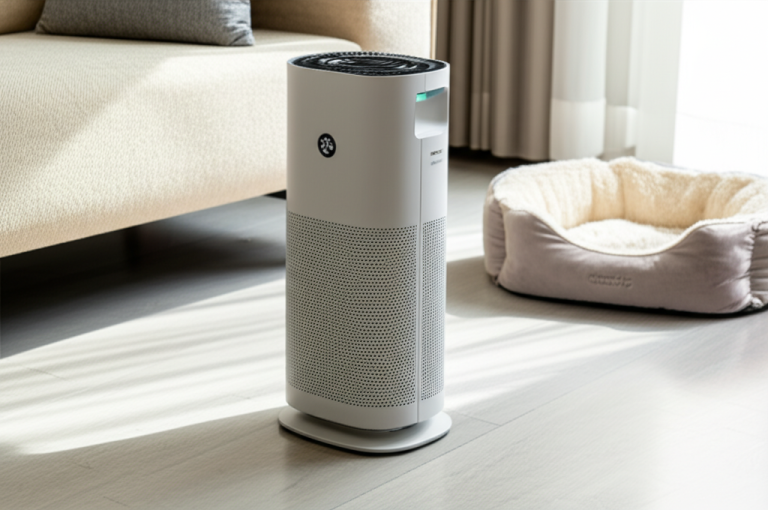
Small Powerful Air Purifier: Your Essential Classroom Solution

A small powerful air purifier is a game-changer for classrooms, tackling airborne germs, allergens, and odors effectively. It ensures healthier air for students and teachers, improving focus and reducing illness. This guide explores why these compact units are essential and how to choose the best one for your learning space.
The air in a classroom can get stuffy quickly. With many people breathing, talking, and moving around, tiny particles like dust, germs, and allergens can spread easily. This can make students feel sleepy or even sick, affecting their ability to learn. But what if there was a simple way to make the air cleaner and fresher? We’ll explore how a small but mighty air purifier can be your classroom’s best friend.
Why Classrooms Need Cleaner Air
Classrooms are busy places where germs and allergens can thrive. Think about all the shared supplies, close seating, and constant interaction. This environment can easily spread colds, flu, and allergy triggers. Studies show that poor indoor air quality can impact cognitive function and increase absenteeism. Ensuring good air quality is crucial for a healthy and productive learning environment.
A small powerful air purifier can make a big difference in a classroom setting by capturing these airborne irritants. It helps create a safer space for everyone.
The Problem with Classroom Air Quality
Many factors contribute to poor air quality in schools. High occupancy, inadequate ventilation, and the use of cleaning products can all release pollutants. Even common things like chalk dust or craft supplies can become airborne. This can lead to more sick days and a less focused student body.
The good news is that addressing these issues doesn’t have to be complicated. A well-chosen air purifier offers a practical solution to these common classroom air problems.
What Makes an Air Purifier “Small” and “Powerful”?
When we talk about a “small powerful air purifier,” we mean a unit that is compact in size but strong in performance. These purifiers use advanced filter technology, like HEPA filters, to capture very tiny particles. Despite their smaller footprint, they are designed to clean the air in a typical classroom space efficiently.
They are built to handle the demands of a busy room without taking up too much valuable space. Their power comes from efficient motors and effective filtration systems.
Key Features of a Small Powerful Air Purifier for Classrooms
Choosing the right air purifier involves looking at specific features. For a classroom, you’ll want something that is effective, quiet, and easy to maintain. Look for units with multi-stage filtration, including a HEPA filter.
Consider its CADR (Clean Air Delivery Rate) to ensure it can clean the air in your room quickly. A low noise level is also essential so it doesn’t disrupt lessons.
Here are some important features to consider:
True HEPA Filter: Captures 99.97% of particles down to 0.3 microns.
Activated Carbon Filter: Removes odors, VOCs, and smoke.
Pre-filter: Catches larger particles like dust and hair, extending the life of other filters.
CADR Rating: Higher is better for faster air cleaning.
Room Size Coverage: Ensure it’s rated for your classroom dimensions.
Noise Level: Look for units under 50 decibels for minimal distraction.
Energy Efficiency: Choose ENERGY STAR certified models.
These features work together to provide a healthier air environment.
How a Small Powerful Air Purifier Benefits Students
Cleaner air directly impacts students’ well-being and learning. By removing allergens like dust mites, pollen, and pet dander, purifiers can reduce symptoms for students with allergies or asthma. This means fewer missed school days and more consistent attendance.
Furthermore, reducing airborne germs can help slow the spread of common illnesses, leading to a healthier classroom overall. A study published in the Journal of Environmental Health* highlighted how improved air quality can lead to better student performance.
How a Small Powerful Air Purifier Benefits Teachers
Teachers also benefit greatly from cleaner classroom air. Reduced exposure to airborne pathogens means fewer sick days for educators. This ensures continuity in teaching and reduces the burden of lesson planning for substitutes.
A less polluted environment can also lead to less fatigue and improved concentration for teachers, making their demanding jobs a little easier. It creates a more comfortable workspace for everyone.
Selecting the Right Small Powerful Air Purifier: A Step-by-Step Guide
Picking the perfect air purifier for your classroom involves a few simple steps. First, measure your classroom to know the square footage. This is crucial for selecting a unit that can effectively clean the air.
Next, consider the noise level. A quiet unit is vital for a learning environment. Finally, think about filter replacement costs and availability.
Here’s a simple process to follow:
1. Measure Your Classroom: Determine the square footage of the room.
2. Check CADR: Ensure the CADR rating is appropriate for your room size. Aim for a CADR that is at least two-thirds of the room’s square footage.
3. Consider Noise Level: Look for models with a decibel rating below 50 dB on their lowest setting.
4. Evaluate Filter Type: Prioritize True HEPA and activated carbon filters.
5. Research Maintenance: Understand how often filters need changing and their cost.
6. Read Reviews: Look for feedback from users in similar settings.
Following these steps will help you find a reliable and effective solution.
Top Features to Look For
When you’re looking at different models, some features stand out. A True HEPA filter is non-negotiable for capturing fine particles. An activated carbon filter is excellent for neutralizing classroom smells.
Look for a unit with multiple fan speeds so you can adjust it as needed. Smart features, like air quality sensors and automatic modes, can be helpful too.
Here’s a quick comparison of essential features:
| Feature | Importance in Classroom | Benefit |
| :——————- | :———————- | :———————————————————————- |
| True HEPA Filter | Very High | Captures 99.97% of allergens, germs, and fine dust. |
| Activated Carbon | High | Removes odors from snacks, art supplies, and general stuffiness. |
| Low Noise Operation | Very High | Prevents disruption to lessons and student concentration. |
| Compact Size | High | Fits easily on shelves or desks without taking up much space. |
| Energy Efficiency | Medium | Saves on electricity costs, especially if running for long hours. |
| Air Quality Sensor | Medium | Automatically adjusts fan speed based on detected pollution levels. |
This table highlights why certain features are more critical than others for a classroom.
Popular Small Powerful Air Purifier Brands and Models
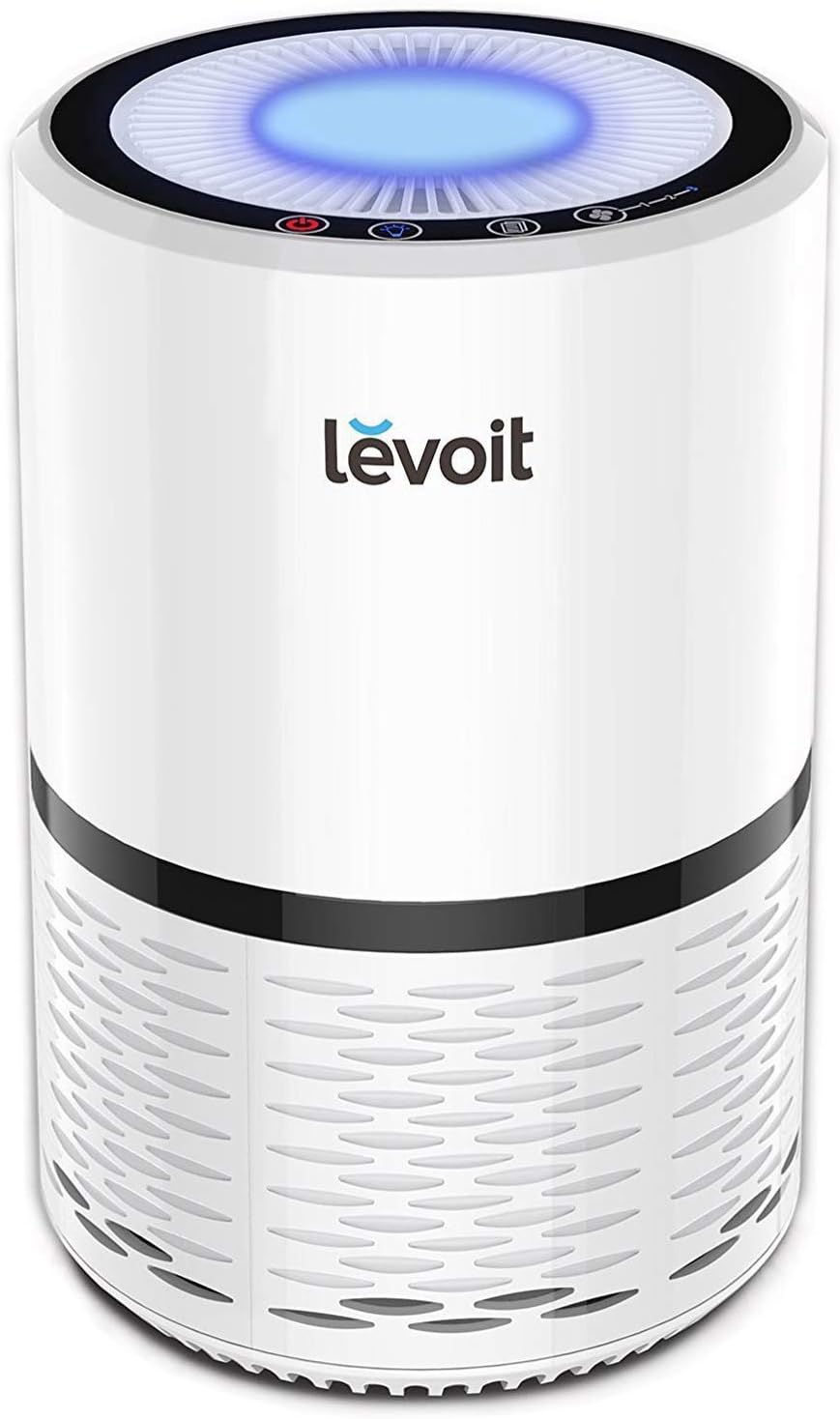
Several brands offer excellent small powerful air purifier options suitable for classrooms. Coway is often praised for its effective filtration and quiet operation. Levoit offers budget-friendly yet capable units. Blueair provides sleek designs with strong performance.
Always check the specific model’s CADR and room coverage to match your classroom needs. Researching these brands can give you a good starting point for your search.
For example, the Coway AP-1512HH Mighty is a popular choice known for its robust filtration and user-friendly features. Another strong contender is the Levoit Core 300, which is compact and relatively quiet.
Installation and Maintenance: Keeping It Simple
Setting up your small powerful air purifier is usually straightforward. Most units come with clear instructions: unpack, remove any plastic from the filters, insert the filters, and plug it in. Place it in a location where it can circulate air freely, away from walls or furniture.
Maintenance is typically limited to filter replacements. Check the manufacturer’s recommendation for how often to change filters, usually every 6-12 months depending on usage and air quality. Some units have filter indicator lights to remind you.
Keeping it clean ensures it runs efficiently. Regularly wipe down the exterior with a damp cloth. You might also need to vacuum the pre-filter if it has one.
Cost-Effectiveness and Value
While there’s an initial cost for a small powerful air purifier, the long-term benefits offer significant value. Reducing sick days for both students and staff can save schools money on substitute teachers and lost instructional time. Cleaner air can also lead to improved academic performance.
Consider the cost of replacement filters when budgeting. Many units are energy-efficient, minimizing electricity expenses. Investing in a good air purifier is an investment in health and education.
Frequently Asked Questions (FAQ)
Can one small air purifier clean an entire classroom?
Yes, if you choose a model with a CADR rating suitable for your classroom’s square footage. Most small units are designed to effectively clean medium-sized rooms.
How often should I run an air purifier in the classroom?
It’s best to run it continuously during school hours and potentially for a few hours before and after. This ensures the air is consistently being cleaned.
Are air purifiers noisy?
Many modern units are designed to be very quiet, especially on lower settings. Look for models with decibel ratings below 50 dB.
What is a HEPA filter, and why is it important?
A HEPA filter is a special type of filter that can trap at least 99.97% of airborne particles 0.3 micrometers in size. This includes dust, pollen, mold spores, and bacteria.
How do I know when to replace the filters?
Most air purifiers have an indicator light that signals when it’s time to replace the filters. You can also check the manufacturer’s manual for recommended replacement intervals.
Can air purifiers help with odors in a classroom?
Yes, models with an activated carbon filter are very effective at removing odors from the air. This is great for classrooms where snacks are eaten or art supplies are used.
Conclusion: A Breath of Fresh Air for Learning
A small powerful air purifier is more than just an appliance; it’s a vital tool for creating a healthier and more productive classroom environment. By tackling airborne pollutants, allergens, and germs, these compact units support the well-being of both students and teachers. They help reduce sickness, improve concentration, and foster a better learning atmosphere.
Investing in a quality air purifier is a smart choice for any educational setting. It’s a simple yet effective way to ensure that the air students breathe supports their growth and success. Consider these compact powerhouses as your essential classroom solution for cleaner, healthier air.