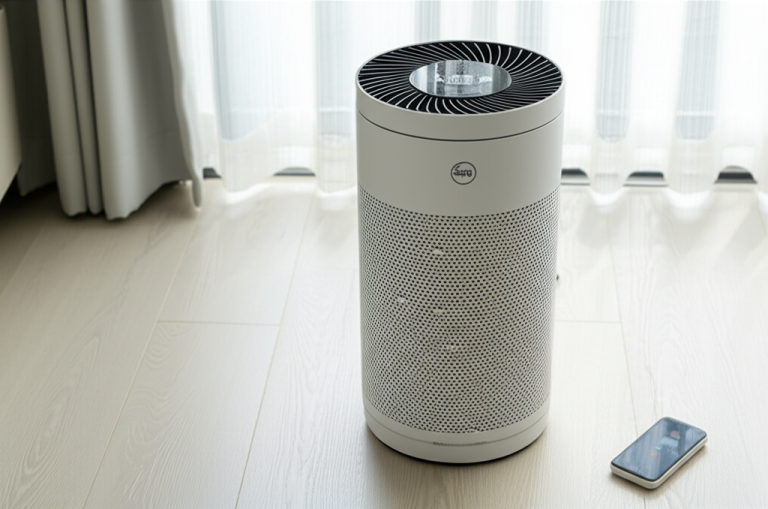
Shark vs Honeywell Air Purifier: Essential Choice

Choosing between a Shark vs Honeywell air purifier involves weighing advanced filtration technology against proven reliability. This guide helps you make the essential choice for cleaner indoor air by comparing key features, performance, and value.
Breathing clean air at home is more important than ever. Many of us wonder if our homes are truly fresh. Air purifiers can help. Two popular brands are Shark and Honeywell. They both make good air purifiers. But which one is right for you? This article will help you decide. We will look at what makes each one special. We will compare their filters, how well they work, and what they cost. Let’s find the best air purifier for your home.
Shark vs Honeywell Air Purifier: Which Cleans Your Air Better?
When you compare a Shark vs Honeywell air purifier, you’re looking at two different approaches to cleaner air. Shark often brings newer technology and unique features. Honeywell is known for its long history and dependable performance. Both aim to remove pollutants like dust, pollen, and smoke. The best choice depends on your specific needs and priorities.
Understanding Air Purifier Technology: HEPA and Beyond
Air purifiers work by pulling air through a series of filters. The most common and effective type is a HEPA filter. HEPA stands for High-Efficiency Particulate Air. A true HEPA filter can capture at least 99.97% of airborne particles. These particles are as small as 0.3 microns. Think of dust mites, pet dander, and mold spores. Some purifiers also use activated carbon filters. These are great for removing odors and gases.
Shark Air Purifiers: Innovation and Advanced Features
Shark is a brand known for its innovative home appliances. Their air purifiers often come with advanced features. Some models have unique filtration systems designed for specific needs. They might offer features like odor neutralization or advanced sensor technology. Shark aims to provide a modern and effective solution for indoor air quality.
Shark air purifiers often integrate smart features and unique filtration technologies. They focus on capturing a wide range of pollutants and can offer specific solutions for odors and allergens. Their designs are often sleek and modern.
Many Shark air purifiers boast multi-stage filtration. This usually includes a HEPA filter and an activated carbon layer. Some models also feature pre-filters to catch larger particles like hair. This helps to extend the life of the main filters. Shark’s focus on innovation means you might find unique technologies not seen in older brands.
Honeywell Air Purifiers: A Legacy of Reliability
Honeywell has been making air purifiers for a long time. They are known for building reliable and effective machines. Their focus is often on simple, powerful air cleaning. Honeywell purifiers are designed to perform well and last. They are a trusted name for many households.
Honeywell air purifiers are recognized for their long-standing reputation for reliability and effective air cleaning. They typically feature robust HEPA filtration systems designed for consistent performance in removing common household allergens and pollutants.
Honeywell often uses strong HEPA filters in their units. These are excellent at trapping allergens. Many models also include activated carbon filters to tackle odors. Their designs are usually straightforward and built for durability. You can count on a Honeywell to do its job well.
Filtration Performance: HEPA vs. Enhanced Systems
Both Shark and Honeywell use HEPA filtration. This is the gold standard for capturing tiny particles. Shark sometimes enhances its HEPA filtration with other technologies. They might have specific odor-eliminating layers or allergen-targeting features. Honeywell relies on its proven HEPA performance. They ensure their filters meet high standards for particle capture.
A true HEPA filter captures 99.97% of particles down to 0.3 microns. This includes pollen, pet dander, and dust. Shark may add proprietary technologies to this. These could target specific VOCs (volatile organic compounds) or microscopic allergens. Honeywell’s strength lies in its consistent HEPA performance. They ensure you get reliable air cleaning.
Coverage Area and Room Size: Matching the Purifier to Your Space
When choosing an air purifier, its coverage area is crucial. This is measured in square feet. A larger room needs a purifier with a higher CADR (Clean Air Delivery Rate). CADR indicates how quickly the purifier cleans the air. Both Shark and Honeywell offer models for various room sizes. You need to match the purifier’s capacity to your room.
For a small bedroom, a less powerful unit might suffice. For a large living room, you’ll need a more robust model. Always check the manufacturer’s recommended room size. This ensures the purifier can effectively clean your air. A purifier that is too small will struggle. It won’t clean the air as well as it should.
Noise Levels: Finding Peace and Quiet
Air purifiers have fans that make noise. This can be an important factor, especially for bedrooms or quiet living spaces. Some models are designed to be quieter than others. Look for purifiers with low decibel (dB) ratings on their lower settings. Shark and Honeywell offer models with varying noise levels.
Lower dB ratings mean less noise. A quiet setting can be around 20-30 dB. This is similar to a whisper. Higher settings will be louder, especially when the fan is working hard. Reading reviews can help you understand real-world noise levels. Some purifiers have a “sleep mode” that reduces fan speed and light.
Smart Features and Controls: Convenience at Your Fingertips
Modern air purifiers often come with smart features. These can include app control, voice commands, and automatic modes. Shark tends to incorporate more of these advanced features. They might offer Wi-Fi connectivity for remote operation. Honeywell also has smart models, but their focus is often on core performance.
Smart features allow you to monitor air quality. You can adjust settings from your phone. Some purifiers use sensors to detect pollution levels. They then automatically adjust their fan speed. This provides convenience and ensures efficient operation. Decide if these features are important for your home.
Cost and Value: Investment in Your Health
The price of air purifiers varies greatly. Shark models can sometimes be more expensive due to their advanced features. Honeywell offers a range of options at different price points. Consider not just the initial cost but also the ongoing cost of replacement filters. Filter life and availability are important factors.
A good air purifier is an investment in your health. Look for the best value for your budget. Compare the features, performance, and filter replacement costs. Sometimes a simpler, reliable model offers better long-term value. Other times, the advanced features of a premium model are worth the extra cost.
Shark vs. Honeywell: A Comparative Table
Here’s a quick look at how Shark and Honeywell air purifiers often compare:
| Feature | Shark Air Purifiers | Honeywell Air Purifiers |
| :————— | :—————————————————- | :—————————————————- |
| Filtration | Advanced HEPA with enhanced odor/allergen features | Strong HEPA filtration, reliable particle capture |
| Innovation | High, often includes unique technologies and smarts | Moderate, focus on proven performance |
| Noise Level | Varies, some models are very quiet | Varies, generally dependable noise performance |
| Smart Features | Common, app control, sensors, auto modes | Available on select models, focus on core function |
| Price Point | Mid to High | Mid to High, with some budget-friendly options |
| Reliability | Generally good, backed by strong warranty | Excellent, long-standing reputation |
| Filter Cost | Can be higher due to proprietary technologies | Generally competitive |
User Reviews and Real-World Performance
Looking at what other people say is very helpful. User reviews can give you insights into daily performance. They often mention noise levels, ease of use, and filter life. Many users praise Honeywell for its consistent performance over years. Shark users often appreciate the advanced features and modern design.
For example, some users report that Shark’s odor-reducing filters are very effective. Others find Honeywell’s simple operation a major plus. It’s good to read reviews for specific models you are considering. This gives you a clearer picture of what to expect.
Making Your Essential Choice: Shark vs. Honeywell
So, which brand is the winner in the Shark vs Honeywell air purifier debate? It truly depends on what you value most. If you want the latest technology, smart features, and perhaps specific allergen or odor solutions, Shark might be your choice. They offer innovative ways to clean your air.
If your priority is proven, long-lasting reliability and straightforward, powerful air cleaning, Honeywell is an excellent option. They have a solid track record for performance. Both brands offer HEPA filtration, which is key for clean air. Consider your room size, budget, and desired features. Making an informed choice ensures you get the best air purifier for your home.
Frequently Asked Questions About Shark vs Honeywell Air Purifiers
Do Shark air purifiers have HEPA filters?
Yes, most Shark air purifiers feature true HEPA filters. These filters are designed to capture 99.97% of airborne particles as small as 0.3 microns. This includes common allergens like pollen, dust, and pet dander.
Are Honeywell air purifiers good for allergies?
Yes, Honeywell air purifiers are very good for allergies. They use HEPA filters that effectively capture allergy-triggering particles. Many models also include activated carbon filters to help reduce odors and VOCs.
Which brand is generally quieter, Shark or Honeywell?
Both brands offer models with varying noise levels. Some Shark models are designed with quiet operation in mind, featuring specific sleep modes. Honeywell also has quiet models, but it’s best to check the decibel (dB) rating for specific units.
What is the average cost of replacement filters for Shark and Honeywell?
The cost of replacement filters can vary significantly by model. Shark filters, especially those with proprietary technologies, can sometimes be more expensive. Honeywell filters are often competitively priced, but always check the cost and availability for the specific model you choose.
Which air purifier is better for large rooms, Shark or Honeywell?
Both Shark and Honeywell offer models designed for large rooms with high CADR ratings. The best choice depends on the specific model’s square footage coverage. Always compare the CADR and recommended room size for the units you are considering.
Can I use both Shark and Honeywell air purifiers in my home?
Yes, you can certainly use air purifiers from both brands in different rooms or areas of your home. This allows you to leverage the specific strengths of each brand based on the needs of each space.
Conclusion: Your Best Air Quality Awaits
Deciding between a Shark vs Honeywell air purifier is about finding the perfect fit for your home and your health. Both brands offer excellent options for cleaner indoor air. Shark brings innovation and advanced features to the table, appealing to those who want the latest technology. Honeywell stands out with its dependable performance and long-standing reputation for reliability.
Ultimately, the best air purifier is the one that meets your specific needs. Consider your room size, budget, and whether smart features are important to you. By understanding what each brand offers, you can confidently make an essential choice for a healthier living environment. Invest in clean air today for a better tomorrow.