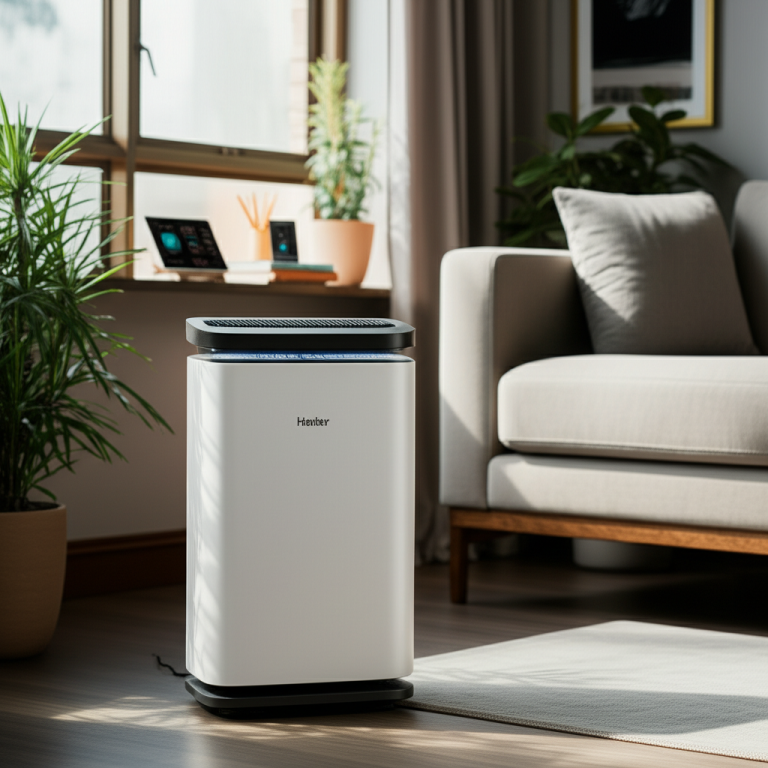
Quiet Ionic Air Purifiers For Home: Essential Peace

Breathe easy with quiet ionic air purifiers for home. These devices offer essential peace by silently removing allergens, dust, and pollutants. Enjoy cleaner air and a calmer living space without disruptive noise. Find the perfect silent solution for your home.
Why Quiet Ionic Air Purifiers Are Your Home’s New Best Friend
Is the constant hum of an air purifier disrupting your peace? Many homes struggle with airborne irritants like dust, pollen, and pet dander. These can cause allergies and make your living space feel less comfortable. Traditional purifiers can be noisy, making it hard to relax or sleep. This is where quiet ionic air purifiers for home come in. They offer a silent solution to cleaner air, bringing you much-needed tranquility.
Understanding Ionic Air Purifiers: The Silent Force
Ionic air purifiers work differently than filter-based ones. They release negative ions into the air. These ions attach to airborne particles like dust and allergens. The charged particles then stick to surfaces or are collected by a plate inside the purifier. This process is often very quiet, as there are no fans or filters to create noise. It’s like a gentle, invisible hand cleaning your air.
How Do Ions Make Air Cleaner?
Negative ions are naturally found in fresh air, like near waterfalls or after a thunderstorm. When an ionic purifier releases them, they seek out positively charged particles in your home. These particles include dust, mold spores, and even some bacteria. Once attached, the ions neutralize these pollutants. They fall to the floor or stick to surfaces, making them easier to clean.
The “Quiet” Factor: What Makes Them Different?
The “quiet” aspect is key for many users. Unlike HEPA purifiers that rely on powerful fans to push air through filters, many ionic models have fewer moving parts. Some use an electrostatic charge to draw particles, minimizing fan noise. This makes them ideal for bedrooms, nurseries, or any space where silence is golden. The absence of loud fan noise is a major advantage for a peaceful home environment.
Benefits of Choosing Quiet Ionic Air Purifiers for Home
Choosing quiet ionic air purifiers for home offers several advantages. They can significantly improve indoor air quality without adding noise pollution. This leads to a more comfortable and healthier living environment for everyone. You’ll notice fewer allergens and a fresher smell.
Improved Air Quality for Allergy Sufferers
For those with allergies or asthma, clean air is crucial. Quiet ionic purifiers help capture common allergens like pollen, dust mites, and pet dander. By reducing these irritants, they can lessen allergy symptoms. This means fewer sneezes, less congestion, and easier breathing in your own home.
Odor Elimination: A Breath of Fresh Air
Beyond particles, ionic purifiers can also help with odors. They can break down odor-causing molecules from cooking, pets, or smoke. This leaves your home smelling fresher and cleaner. It’s like having a constant breeze of fresh air, even in enclosed spaces.
Energy Efficiency and Cost Savings
Many quiet ionic air purifiers are very energy efficient. They use less electricity than models with powerful fans. This can lead to lower energy bills over time. Some models also don’t require filter replacements, saving you money on ongoing costs.
Top Features to Look For in a Quiet Ionic Air Purifier
When selecting a quiet ionic air purifier for home, certain features stand out. You want a device that effectively cleans your air without being intrusive. Consider the size of your room and the specific pollutants you want to target.
Noise Level (Decibels)
The most critical feature is the noise level, measured in decibels (dB). Look for models that operate at 30 dB or lower on their lowest setting. This is quieter than a whisper. Some purifiers even have a “sleep mode” that further reduces noise.
Coverage Area
Ensure the purifier is rated for the size of your room. A purifier that’s too small won’t clean the air effectively. Check the manufacturer’s specifications for the recommended square footage. A larger room will need a more powerful unit, but always check its lowest noise setting.
Ion Output Control and Safety
Some purifiers allow you to adjust the ion output. This can be helpful if you are sensitive. It’s also important to choose models that meet safety standards regarding ozone production. While ionic purifiers produce very little ozone, it’s wise to be aware. Reputable brands will provide this information.
Ease of Maintenance
Consider how easy the unit is to clean. Some have washable collection plates, while others might require occasional wiping. The absence of disposable filters simplifies maintenance for many users. Check the manual or product description for cleaning instructions.
Popular Quiet Ionic Air Purifier Brands and Models
Several brands offer excellent quiet ionic air purifiers for home. Researching these can help you find a reliable option. Each brand offers unique features and price points.
| Brand Name | Key Features | Typical Noise Level (dB) | Ideal For |
|—|—|—|—|
| Brand A | Compact design, multiple fan speeds, washable filter | 25-45 dB | Small to medium rooms, bedrooms |
| Brand B | Large coverage area, smart features, odor control | 30-50 dB | Living rooms, open-plan spaces |
| Brand C | Very low noise, simple operation, affordable | 20-40 dB | Nurseries, offices, quiet spaces |
Note: Noise levels can vary depending on the fan speed setting.
Brand A Example: The Whisper-Quiet Champion
Brand A often gets high marks for its exceptionally quiet operation. Many of their models are designed for bedrooms, making them perfect for ensuring a peaceful night’s sleep. They focus on simple controls and effective particle removal. You can often find reviews praising their silent performance.
Brand B Example: The Smart & Silent Solution
Brand B might offer models with advanced features like app control or air quality sensors. These purifiers can automatically adjust their settings based on the air quality. They aim to provide both powerful purification and a quiet user experience. This is a good choice if you like technology.
Brand C Example: The Budget-Friendly Peacekeeper
Brand C is known for offering more affordable options. These purifiers deliver essential air cleaning with minimal noise. They are a great entry point for those new to air purifiers or on a tighter budget. You still get the benefit of cleaner air without the disruptive sound.
How to Use Your Quiet Ionic Air Purifier Effectively
Proper placement and use will maximize the benefits of your quiet ionic air purifier for home. Think of it as a helpful tool that needs the right environment to do its best work. Small adjustments can make a big difference.
Optimal Placement in Your Home
Place the purifier in the room where you spend the most time. For bedrooms, place it on a nightstand or dresser. In living areas, position it in a corner or near where you relax. Ensure there’s space around the unit for air to circulate freely. Avoid placing it directly against walls or furniture.
Running Your Purifier for Best Results
For continuous air cleaning, run your purifier on its lowest setting most of the time. Use higher settings when needed, like during cooking or if you notice more dust. Many people leave them on 24/7. This ensures the air is always being cleaned.
Cleaning and Maintenance Schedule
Regular cleaning is essential for ionic purifiers. Follow the manufacturer’s instructions. This usually involves wiping down the collection plates or washing them. A clean unit works more efficiently and lasts longer. Neglecting maintenance can reduce its effectiveness.
Understanding Ozone and Ionic Purifiers: A Safety Check
A common concern with ionic purifiers is ozone production. Ozone is a gas that can irritate the lungs. However, reputable manufacturers design their units to produce very little ozone, well within safety limits. It’s important to choose certified products.
What is Ozone and Why is it a Concern?
Ozone is a molecule made of three oxygen atoms. In the upper atmosphere, it protects us from the sun. Near the ground, it can be a pollutant that irritates the respiratory system. This is why air purifiers that produce ozone should be used with caution.
Safety Standards and Certifications
Look for air purifiers certified by organizations like the California Air Resources Board (CARB). CARB has strict limits for ozone emissions from air purifiers. Devices that meet these standards are considered safe for home use. Always check product specifications for certifications.
When to Be Cautious
If you have severe respiratory issues or are very sensitive to air quality, consult your doctor. While most quiet ionic air purifiers for home are safe, personal sensitivity varies. Ensure you are buying from trusted brands that prioritize safety.
Quiet Ionic vs. HEPA Air Purifiers: Which is Right for You?
The choice between ionic and HEPA purifiers depends on your needs. Both have pros and cons, especially regarding noise and maintenance. Understanding these differences helps you make the best decision for your home.
HEPA Purifiers: The Filtered Approach
HEPA (High-Efficiency Particulate Air) purifiers use a fan to pull air through a dense filter. This filter traps tiny particles like dust, pollen, and smoke. They are very effective but can be noisy due to the fan. Filters also need regular replacement, adding to the cost.
Ionic Purifiers: The Silent Alternative
As we’ve discussed, ionic purifiers use ions to remove particles. They are generally much quieter and often have lower running costs due to fewer filter replacements. Their effectiveness against very fine particles can sometimes be debated, and ozone is a factor to consider.
A Comparison Table
| Feature | Quiet Ionic Air Purifier | HEPA Air Purifier |
|—|—|—|
| Noise Level | Very Low (often <30 dB) | Moderate to High (can be noisy) |
| Maintenance | Usually washable plates, no filters | Regular filter replacement needed |
| Particle Removal | Effective, but some debate on ultrafine particles | Highly effective for all particle sizes |
| Ozone Production | Low, but check certifications | Generally none |
| Cost (Ongoing) | Low (no filters) | Moderate (filter costs) |
Frequently Asked Questions About Quiet Ionic Air Purifiers
Here are some common questions people have about these purifiers.
What is the quietest type of air purifier?
Generally, ionic air purifiers and electrostatic precipitators are the quietest. They use less mechanical action and fewer or no fans compared to HEPA purifiers. Look for models specifically advertised as “whisper-quiet.”
Do ionic air purifiers really work?
Yes, ionic air purifiers can be effective at removing airborne particles like dust, pet dander, and pollen. They work by charging these particles so they stick to surfaces or a collection plate. For best results, keep them clean and ensure proper room coverage.
Are quiet ionic air purifiers safe for pets?
Yes, most quiet ionic air purifiers for home are safe for pets. They help remove pet dander and odors, which can benefit both pets and their owners. Always ensure the unit is certified to produce minimal ozone.
How often should I clean an ionic air purifier?
You should clean the collection plates or parts of your ionic air purifier every 2-4 weeks. Refer to your specific model’s manual for exact instructions. Regular cleaning ensures optimal performance and longevity.
Can an ionic air purifier make my allergies worse?
For most people, ionic air purifiers help reduce allergy symptoms. However, a very small percentage of individuals might be sensitive to ionizers or the trace amounts of ozone they can produce. If you experience worsening symptoms, discontinue use and consult a healthcare professional.
What is the best quiet ionic air purifier for a bedroom?
The best quiet ionic air purifier for a bedroom is one with a noise level below 30 dB on its lowest setting. Look for compact models with simple controls and features like a sleep mode. Brands like Brand A and Brand C often have suitable options.
Conclusion: Find Your Peace with Cleaner Air
Quiet ionic air purifiers for home offer a fantastic way to enjoy cleaner air without the distraction of noise. They are energy-efficient, cost-effective in the long run, and excellent for reducing allergens and odors. By understanding their technology and choosing a model that fits your space and needs, you can create a more peaceful and healthy living environment. Invest in your well-being and experience the essential peace that truly clean air can bring.
If you found this guide helpful, consider subscribing for more home wellness tips!