Powered Air Purifying Respirators 3M: Essential Guide

A comprehensive guide to 3M powered air purifying respirators (PAPRs) explains their importance in providing superior respiratory protection for various environments, focusing on their features, benefits, and proper use for optimal safety.
Breathing clean air is incredibly important, especially when you’re working with dust, fumes, or other tiny particles. Sometimes, regular masks just aren’t enough. That’s where 3M powered air purifying respirators, or PAPRs, come in. These special devices use a battery-powered fan to pull air through filters, giving you a constant supply of clean, breathable air. If you’re wondering if a 3M PAPR is right for you, you’ve come to the right place. We’ll explore everything you need to know about these essential safety tools.
What is a 3M Powered Air Purifying Respirator (PAPR)?
A 3M PAPR is a type of respirator that uses a battery-powered fan to move air through filters. This system then delivers the filtered air to your breathing zone. Unlike tight-fitting respirators, PAPRs are loose-fitting and do not require a tight seal to your face. This makes them more comfortable for extended wear and suitable for people who cannot get a good seal with other types of respirators. They offer a higher level of protection against airborne contaminants.
3M PAPRs are designed to provide a comfortable and reliable way to breathe easier in challenging environments. They are a significant step up from disposable or reusable half-face respirators.
Why Choose a 3M PAPR for Respiratory Protection?
Choosing a 3M PAPR offers distinct advantages for respiratory protection. Their powered system creates a positive pressure inside the head covering, meaning air is always flowing out, not in. This significantly reduces the chance of contaminants leaking in, providing a higher protection factor than many other respirators. They are also generally more comfortable for long periods of use.
These respirators are ideal for environments with high concentrations of dust, fumes, or vapors where other respirators might not offer adequate protection. The comfort factor means users are more likely to wear them correctly for their entire shift.
Key Components of a 3M PAPR System
A typical 3M PAPR system consists of several key parts working together to keep you safe. Understanding each component helps in selecting and maintaining your device. The core elements include the blower motor assembly, the battery pack, the head covering (hood, helmet, or tight-fitting facepiece), and the appropriate filters or cartridges. The blower unit is the heart of the system, providing the airflow.
The filters are specifically chosen based on the type of airborne hazards present in your work environment. Proper assembly and maintenance of these components are crucial for effective protection.
Types of 3M PAPR Systems and Their Applications
3M offers a range of PAPR systems tailored for different needs and industries. Some common types include the Versaflo™ line, which features lightweight and comfortable head coverings. These are popular in healthcare, general industry, and manufacturing. Another example is the W-Series, often used in heavy industrial settings like welding or grinding due to its durable construction and integrated head protection.
Each system is designed with specific applications in mind, from protecting against dust and mist to organic vapors and acid gases. The choice depends heavily on the specific hazards you face at work.
3M™ Versaflo™ TR-800 Series PAPR
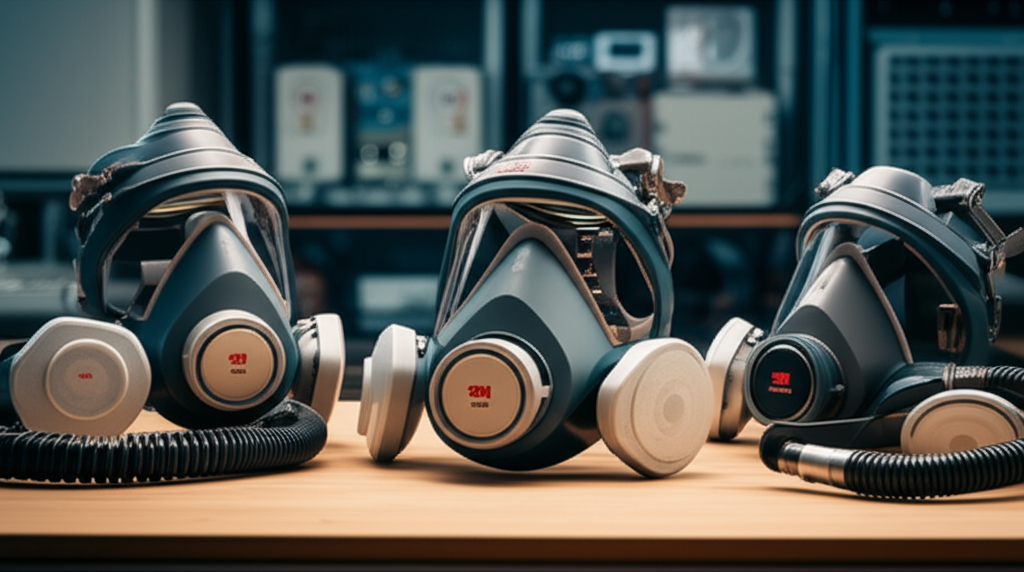
The 3M™ Versaflo™ TR-800 Series PAPR is a highly versatile option. It’s designed for use in environments where both particulate and certain gas/vapor hazards exist. This system is lightweight and features a comfortable, adjustable head suspension. Its ease of use makes it a favorite for many professionals.
This series is excellent for tasks involving sanding, grinding, or working with chemicals that produce vapors. It offers a good balance of protection and comfort for extended use.
3M™ W-Series PAPR
The 3M™ W-Series PAPR is built for tougher environments. It typically includes a more robust hood or helmet designed for greater impact protection. This series is often chosen for demanding jobs in industries like construction, metal fabrication, and heavy manufacturing.
The W-Series PAPRs provide excellent protection against a wide range of airborne contaminants. They are engineered for durability and reliable performance under harsh conditions.
Selecting the Right 3M PAPR Filters and Cartridges
Choosing the correct filters and cartridges is critical for the effectiveness of your 3M PAPR. Filters are designed to capture particles like dust, mist, and fumes. Cartridges are used to remove specific gases and vapors. Often, you will use a combination of both.
For example, if you are working with wood dust, you would need a particulate filter. If you are also exposed to organic vapors from solvents, you would add an organic vapor cartridge. Always consult the respirator’s manual and your workplace safety guidelines to determine the right combination.
Understanding Filter Types
3M offers various filters, often designated by color codes and letters. Particulate filters are typically numbered (e.g., P95, P100), with P100 offering the highest level of particulate filtration. Cartridges are identified by the type of contaminant they protect against, such as organic vapors (black), acid gases (green), or ammonia (yellow).
It’s important to match the filter or cartridge to the specific hazard you are trying to protect yourself from. Using the wrong filter will not provide adequate protection.
Proper Use and Maintenance of Your 3M PAPR
Using your 3M PAPR correctly and maintaining it properly ensures it works as intended. Before each use, inspect the entire system for any damage, including the blower, battery, hoses, and head covering. Ensure the battery is fully charged.
After use, clean the components according to the manufacturer’s instructions. Store the PAPR in a clean, dry place, away from contaminants. Regular maintenance and proper storage are key to extending the life of your respirator and ensuring your safety.
Fit Testing and User Training
While PAPRs are loose-fitting, proper user training is still essential. Users need to understand how to assemble, operate, and maintain the equipment. Training should cover the limitations of the respirator and the specific hazards it protects against.
While formal fit testing like that required for tight-fitting respirators isn’t needed for PAPRs, ensuring the head covering fits comfortably and doesn’t impede airflow is important. A good user seal check, if applicable to the specific head covering, can also be beneficial.
Benefits of Using 3M PAPRs in Different Industries
3M PAPRs offer significant benefits across various industries. In construction, they protect against silica dust and fumes from welding. In healthcare, they provide a high level of protection against airborne pathogens for medical professionals. Manufacturing plants use them to shield workers from chemical fumes and metal dust.
The enhanced comfort and higher protection factor lead to improved worker compliance and safety. This can reduce illness and injuries related to respiratory hazards.
Case Study: Improved Safety in Automotive Manufacturing
In a large automotive manufacturing plant, workers were exposed to various fumes and particulate matter during painting and assembly processes. After implementing 3M Versaflo™ PAPRs, the plant reported a significant decrease in respiratory-related complaints and lost workdays. Workers found the PAPRs more comfortable than their previous respirators, leading to better adherence to safety protocols.
This demonstrates how the right respiratory protection can directly impact worker well-being and operational efficiency.
Factors to Consider When Purchasing a 3M PAPR
When buying a 3M PAPR, consider the specific hazards you will encounter, the duration of use, and comfort requirements. Your work environment will dictate the type of filters or cartridges needed. If you’ll be wearing the respirator for long shifts, comfort and weight become very important factors.
Also, consider the battery life and charging time if you need continuous protection throughout a workday. Your budget and available support from the supplier are also practical considerations.
Cost vs. Protection: Making the Right Investment
While 3M PAPRs represent a significant investment compared to disposable masks, the level of protection and comfort they provide is often invaluable. The long-term cost savings from reduced health issues and increased productivity can outweigh the initial expense. Investing in a quality PAPR is investing in your health and safety.
A study by the National Institute for Occupational Safety and Health (NIOSH) highlights the importance of selecting appropriate respirators for specific hazards, emphasizing that the correct equipment can prevent serious health consequences.
Frequently Asked Questions About 3M Powered Air Purifying Respirators
What is the main advantage of a 3M PAPR over a regular mask?
A 3M PAPR uses a fan to provide a constant flow of filtered air, creating positive pressure. This offers superior protection by preventing contaminants from leaking in, unlike many masks that rely on a tight seal.
How long does a 3M PAPR battery typically last?
Battery life can vary depending on the specific 3M PAPR model and usage. However, most batteries are designed to last a full work shift, typically 6-8 hours, on a single charge. Always check the product specifications for exact details.
Can I wear glasses or other PPE with a 3M PAPR?
Yes, many 3M PAPR head coverings are designed to accommodate safety glasses or other personal protective equipment. Some helmet-style PAPRs offer integrated eye protection. Always ensure that wearing additional PPE does not compromise the seal or comfort of the respirator.
How do I clean and maintain my 3M PAPR?
Cleaning involves wiping down the blower unit, head covering, and hose with a mild detergent and water. Filters and cartridges are typically disposable and should be replaced as needed. Always follow the specific cleaning and maintenance instructions in your PAPR’s user manual.
Are 3M PAPRs suitable for people with beards?
Yes, because 3M PAPRs are loose-fitting and do not require a tight seal to the face, they are generally suitable for individuals with beards. This is a significant advantage over tight-fitting respirators like N95s.
Where can I buy 3M PAPRs and replacement parts?
3M PAPRs and their replacement parts can be purchased through authorized 3M distributors, safety supply stores, and online retailers. It is important to buy from reputable sources to ensure you receive genuine products.
Conclusion: Investing in Your Respiratory Health with 3M PAPRs
Powered air purifying respirators from 3M offer a robust solution for protecting your lungs in hazardous environments. They provide a high level of comfort and safety, making them an excellent choice for many industrial and professional applications. By understanding the different types of 3M PAPRs, selecting the right filters, and adhering to proper usage and maintenance, you can ensure you are well-protected. Investing in a 3M PAPR is a vital step towards safeguarding your long-term respiratory health.
If you’re looking for reliable respiratory protection, exploring the 3M PAPR options is a smart move for your safety.