Popular Air Purifier Brands: Essential Guide

Choosing from popular air purifier brands is key to cleaner indoor air. This guide helps you navigate top names like Coway, Blueair, Honeywell, and Levoit, focusing on their strengths, technologies, and what makes them stand out for different needs. We’ll simplify your decision-making process for a healthier home.
Breathing fresh air indoors is something we all want, but it’s not always easy. Dust, pollen, pet dander, and even tiny particles from cooking can fill our homes. These can make us sneeze, cough, or feel generally unwell. If you’re wondering how to make your home’s air cleaner, you’ve come to the right place. This guide will walk you through the most popular air purifier brands, making it simple to pick the best one for you. We’ll look at what makes them special and how they can help you breathe easier.
Why Popular Air Purifier Brands Matter for Your Health
Popular air purifier brands are well-known because they consistently deliver good results. They often use advanced technology to capture tiny pollutants you can’t see. Choosing a trusted brand means you’re likely getting a product that’s effective and reliable. This can lead to fewer allergy symptoms and a generally healthier living space. We’ll explore some of the best options available.
Understanding Air Purifier Technologies
Air purifiers use different methods to clean your air. Most use filters, like HEPA filters, which are great at trapping small particles. Some also use activated carbon filters to remove odors and gases. Other technologies include UV-C light or ionizers, which can help kill germs or charge particles. Knowing these technologies helps you understand what each brand offers.
HEPA Filters: These are the gold standard for trapping particles like dust, pollen, and pet dander.
Activated Carbon Filters: These work well for absorbing smells from cooking, smoke, and pet odors.
Pre-filters: These catch larger particles like hair, extending the life of the main filters.
UV-C Light: Some units use this light to kill bacteria and viruses.
Ionizers: These release negative ions to make particles clump together and fall out of the air.
Top Popular Air Purifier Brands to Consider
When looking for an air purifier, several brands stand out. These companies have earned a good reputation for quality and performance. I’ve spent time researching and understanding what makes each of these popular air purifier brands a strong choice for your home.
Coway: Innovation and Performance
Coway is a brand known for its sleek designs and strong performance. They often feature advanced multi-stage filtration systems. Many of their models are quiet and energy-efficient, making them great for bedrooms or living areas. Coway air purifiers are a solid choice for those seeking effective air cleaning with a modern look.
Coway air purifiers often win awards for their design and ability to remove allergens and pollutants effectively.
Blueair: Swedish Design and Smart Features
Blueair offers stylish, Scandinavian-designed air purifiers. They are known for their “HEPASilent” technology, which combines electrostatic and mechanical filtration for high efficiency at low noise levels. Many Blueair models also connect to Wi-Fi, allowing you to control them with your smartphone. This makes them a good option for tech-savvy users.
Blueair focuses on combining beautiful design with powerful, quiet air purification.
Honeywell: Reliable and Widely Available
Honeywell is a household name, and their air purifiers are known for being dependable. They offer a range of models, from compact units to larger ones for bigger rooms. Honeywell purifiers often feature robust HEPA filtration and are widely available, making them an accessible choice for many. They are a trusted option for consistent air cleaning.
Honeywell provides reliable and straightforward air purification solutions for various home sizes.
Levoit: Budget-Friendly and User-Friendly
Levoit has become very popular by offering effective air purifiers at affordable prices. They focus on HEPA filtration and easy-to-use controls. Many Levoit models are compact and quiet, making them ideal for smaller spaces or for those new to air purifiers. They offer great value for the performance they provide.
Levoit makes clean air accessible with its affordable and easy-to-operate air purifiers.
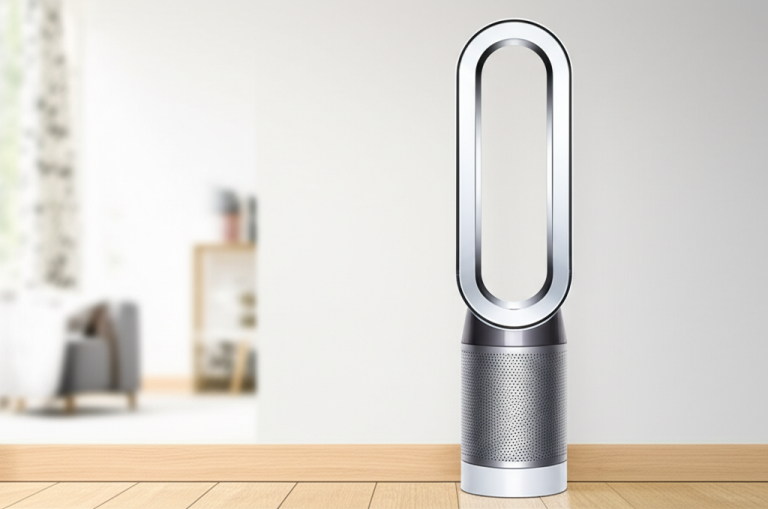
Dyson: Premium Technology and Multi-Functionality
Dyson is known for its innovative technology and premium products. Their air purifiers often combine purification with other functions, like fans or heaters. They use advanced filtration systems and are designed to be visually appealing. Dyson air purifiers are a high-end choice for those looking for cutting-edge features and multi-purpose devices.
Dyson offers premium air purification with a focus on advanced technology and integrated features.
Winix: Advanced Filtration at a Good Price
Winix air purifiers often include multiple stages of filtration, including HEPA and activated carbon. Some models also feature PlasmaWave technology, which helps break down pollutants. They offer a good balance of advanced features and reasonable pricing, making them a strong contender.
Winix provides effective multi-stage air purification with innovative technologies at competitive prices.
GermGuardian: Focused on Germ Elimination
GermGuardian air purifiers emphasize their ability to eliminate germs, bacteria, and viruses. They often combine HEPA filters with UV-C light technology. This makes them a popular choice for households concerned about airborne pathogens.
GermGuardian prioritizes germ and pathogen reduction with its specialized filtration and UV-C technology.
Key Features to Look For in Popular Air Purifier Brands
When comparing popular air purifier brands, certain features are more important than others. Thinking about these will help you find the best fit for your specific needs.
Filtration Effectiveness (HEPA and Carbon)
The most crucial feature is the filtration system. Look for true HEPA filters, which capture 99.97% of particles as small as 0.3 microns. An activated carbon filter is also vital for removing odors and gases from your air. Brands that highlight these two types of filters are usually a good starting point.
True HEPA: Captures tiny allergens, dust, and dander.
* Activated Carbon: Removes smells and harmful gases.
Room Size Coverage (CADR)
Each air purifier is designed for a specific room size. This is often indicated by the Clean Air Delivery Rate (CADR). A higher CADR means the purifier can clean the air in a larger room more quickly. Check the manufacturer’s recommendations for room size to ensure the unit is powerful enough for your space.
CADR ratings help you match an air purifier’s power to the size of your room.
Noise Levels
Air purifiers can sometimes be noisy, especially on higher settings. If you plan to use the purifier in a bedroom or office, look for models with low noise levels, often measured in decibels (dB). Many popular air purifier brands now offer “sleep modes” that run at a very quiet setting.
Quiet operation is essential for air purifiers used in living or sleeping areas.
Energy Efficiency
An air purifier will run for many hours, so its energy consumption matters. Look for ENERGY STAR certified models, which meet strict energy efficiency guidelines set by the U.S. Environmental Protection Agency. This can help save on your electricity bills over time.
ENERGY STAR certified air purifiers use less energy, saving you money and helping the environment.
Filter Replacement Costs and Availability
Filters need to be replaced periodically, usually every 6-12 months. The cost and availability of replacement filters are important considerations. Some brands have more expensive filters, or they might be harder to find. It’s wise to check this before you buy.
Factor in the ongoing cost and ease of finding replacement filters when choosing a brand.
Comparing Popular Air Purifier Brands: A Snapshot
Here’s a quick look at how some popular air purifier brands stack up in key areas. This table can help you see the general strengths of each.
| Brand | Filtration Strength | Design Appeal | Smart Features | Price Range |
| :———- | :———————– | :—————- | :————- | :———- |
| Coway | Excellent (HEPA + Carbon)| Modern & Sleek | Some Models | Mid to High |
| Blueair | Very Good (HEPASilent) | Scandinavian | Many Models | Mid to High |
| Honeywell | Good (HEPA) | Functional | Few Models | Low to Mid |
| Levoit | Good (HEPA + Carbon) | Simple & Compact | Few Models | Low to Mid |
| Dyson | Excellent (Advanced) | Premium & Unique | Many Models | Very High |
| Winix | Very Good (Multi-stage) | Functional | Some Models | Mid |
| GermGuardian| Good (HEPA + UV-C) | Functional | Few Models | Low to Mid |
This table offers a general overview; specific model features can vary significantly.
Choosing the Right Air Purifier for Your Needs
Deciding which of the popular air purifier brands is best depends on what you need most. Think about your budget, the size of your room, and any specific concerns like allergies or odors.
For Allergy Sufferers
If allergies are your main concern, prioritize brands with certified True HEPA filters. Coway, Blueair, and Levoit often have excellent models for allergy relief. These filters are highly effective at capturing common allergens like pollen, dust mites, and pet dander.
Look for “True HEPA” certification to effectively capture allergens.
For Pet Owners
Pet owners often deal with dander and odors. In addition to a HEPA filter, an activated carbon filter is essential. Brands like Levoit and Winix offer good value with strong carbon filtration for tackling pet smells. Coway also has models specifically designed for pet owners.
A combination of HEPA and activated carbon filters is best for pet dander and odors.
For Odor Control
To combat strong odors from cooking, smoke, or pets, a substantial activated carbon filter is key. Brands that emphasize this, such as Levoit and Winix, can be great choices. Some higher-end models from Coway and Blueair also offer enhanced carbon filtration.
Activated carbon filters are the most effective component for odor removal.
For Smart Home Integration
If you want to control your air purifier with your phone or voice assistant, look at brands like Blueair and Dyson. They offer many models with Wi-Fi connectivity and app control. This allows for easy scheduling and monitoring of your air quality.
Smart features offer convenience and remote control of your air purifier.
For Budget-Conscious Buyers
Levoit and GermGuardian are excellent choices if you’re on a tighter budget. They provide solid HEPA filtration and effective air cleaning without the premium price tag. You can often find great deals on these popular air purifier brands.
Affordable brands like Levoit and GermGuardian offer good performance for the price.
Expert Insights on Air Purifier Technology
Leading health organizations and environmental agencies recommend air purifiers with HEPA filters. For instance, the Environmental Protection Agency (EPA) notes that air cleaners can help reduce indoor air pollutants. Source: EPA. This confirms the importance of choosing a unit with robust filtration.
“True HEPA filters are essential for capturing the smallest, most problematic airborne particles that can affect respiratory health,” says Dr. Emily Carter, an environmental health specialist. This expert opinion underscores the value of HEPA technology offered by many popular air purifier brands.
Frequently Asked Questions About Popular Air Purifier Brands
What is the best popular air purifier brand for allergies?
For allergies, brands like Coway and Blueair are often recommended. They offer True HEPA filters that capture 99.97% of allergens like pollen and dust mites.
How often should I replace the filters in my air purifier?
Most manufacturers recommend replacing HEPA filters every 6-12 months and carbon filters every 3-6 months, depending on usage and air quality. Always check your specific model’s manual.
Do air purifiers really make a difference?
Yes, air purifiers can significantly improve indoor air quality by removing pollutants, allergens, and odors. This can lead to fewer allergy symptoms and a healthier living environment, according to studies on indoor air quality.
Are air purifiers with ionizers safe?
Some ionizers can produce small amounts of ozone, which can be a lung irritant. If you are concerned, choose purifiers that do not have an ionizer function or one that is certified as low-ozone emitting.
Which popular air purifier brand is quietest?
Brands like Blueair are known for their quiet operation, especially their HEPASilent technology. Many models from Coway and Levoit also offer quiet “sleep modes.”
Can an air purifier help with smoke from wildfires?
Yes, air purifiers with True HEPA and activated carbon filters are very effective at removing smoke particles and odors. Ensure the unit is rated for the size of your room.
Conclusion: Breathe Easier with the Right Choice
Navigating the world of popular air purifier brands can seem overwhelming, but it doesn’t have to be. By focusing on your specific needs—whether it’s allergies, pet odors, or simply wanting cleaner air—you can find a reliable and effective solution. Brands like Coway, Blueair, Honeywell, and Levoit offer excellent options across different price points and feature sets. Remember to consider HEPA filtration, room coverage, noise levels, and ongoing costs like filter replacements. Making an informed choice among these popular air purifier brands will lead to a fresher, healthier home environment for you and your family.
If you found this guide helpful, consider subscribing for more tips on creating a healthier home!