
Philips Air Purifier Reviews 2026: Essential Guide

Philips air purifier reviews 2025 will help you pick the best model for cleaner air at home. This guide covers top models, features, and what to look for in 2025. Get ready for a healthier living space.
Breathing clean air at home is so important for our health. Yet, many homes have air that isn’t as fresh as we’d like. Dust, pollen, pet dander, and even tiny particles from cooking can float around. This can make allergies worse and affect overall well-being. Choosing the right air purifier can make a big difference. This guide will walk you through the best Philips air purifier reviews for 2025. We’ll help you understand what makes them great so you can breathe easier.
Why Choose a Philips Air Purifier in 2025?
Philips air purifiers are known for their quality and advanced technology. They focus on effectively removing allergens and pollutants from your home. In 2025, Philips continues to innovate with smart features and improved filtration systems. These purifiers are designed to be user-friendly and quiet. They offer a reliable solution for creating a healthier indoor environment for your family.
Many people choose Philips because of their trusted brand name and commitment to air quality. Their purifiers often feature multi-layer filtration. This system captures a wide range of airborne particles. For instance, the pre-filter catches large dust and hair. The activated carbon filter tackles odors and gases. The HEPA filter then traps fine particles like allergens and bacteria.
Top Philips Air Purifier Models for 2025
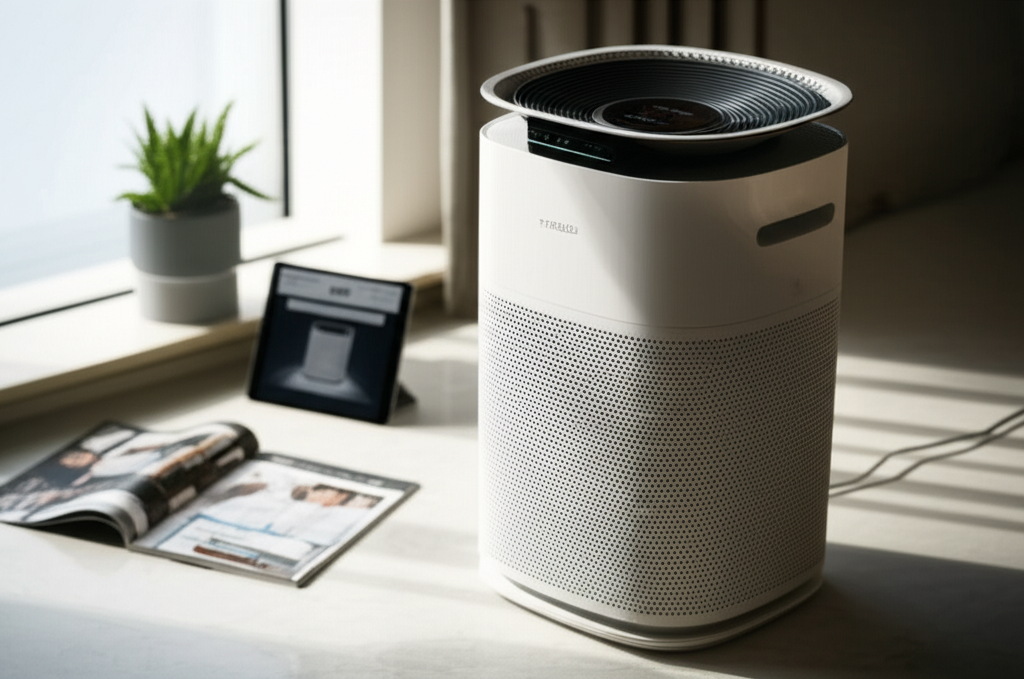
We’ve looked at the newest Philips air purifiers available for 2025. These models offer different features to suit various needs and room sizes. We considered performance, smart capabilities, and user feedback. This helps you make an informed choice for your home.
Here are some of the standout Philips air purifiers for 2025:
Philips 3000i Series (e.g., AC3059/60): Great for larger rooms, with smart sensors and app control.
Philips 2000i Series (e.g., AC2958/60): A good balance of performance and smart features for medium to large rooms.
Philips 1000i Series (e.g., AC1214/60): Ideal for bedrooms or smaller living spaces, offering quiet operation.
Philips NanoProtect HEPA Filters: While not a purifier itself, these replacement filters are key to maintaining performance.
These models are designed to tackle common indoor air pollutants effectively. They aim to improve air quality for allergy sufferers and general well-being.
Understanding Philips Air Purifier Technology
Philips uses advanced technology to ensure their air purifiers work efficiently. Their multi-layer filtration systems are a core part of this. They also incorporate smart sensors. These sensors detect air quality in real-time. This allows the purifier to adjust its fan speed automatically.
The brand’s commitment to research is evident in their products. For example, Philips has invested in studies on indoor air pollution. Their filters are designed to capture even very small particles. This includes PM2.5, which are fine particles that can be harmful to health. According to the World Health Organization, air pollution is a major health risk, and indoor air can be as polluted as outdoor air.
The Power of HEPA Filtration
HEPA stands for High-Efficiency Particulate Air. A true HEPA filter is designed to trap at least 99.97% of particles that are 0.3 microns in size. This is a very small size. Think of it like a super-fine sieve for the air.
Philips uses NanoProtect HEPA filters in many of their models. These filters are not only effective at capturing particles but are also designed for durability. This means they can often last longer than standard HEPA filters. This technology is crucial for removing allergens like pollen, dust mites, and pet dander. It also captures mold spores and bacteria.
Activated Carbon Filters for Odors and Gases
Beyond particles, air purifiers need to handle odors and harmful gases. This is where activated carbon filters come in. Activated carbon is a special type of charcoal. It has many tiny pores. These pores trap gas molecules, including volatile organic compounds (VOCs).
VOCs can come from cleaning products, furniture, and paints. They can cause headaches and other health issues. Philips’ activated carbon filters are designed to be robust. They effectively absorb common household odors from cooking, pets, and smoke. This dual-action filtration (HEPA + Carbon) ensures comprehensive air cleaning.
Key Features to Look for in 2025 Models
When choosing a Philips air purifier, several features stand out. These will help you get the best performance and value. Smart connectivity is becoming more important. So is energy efficiency and noise level.
Consider the size of the room you want to purify. Air purifiers have a Clean Air Delivery Rate (CADR). This tells you how quickly they can clean a room of smoke, dust, and pollen. Higher CADR means faster cleaning. Always check the manufacturer’s recommended room size for each model.
Smart Connectivity and App Control
Many Philips air purifiers in 2025 come with smart capabilities. This means you can connect them to your home Wi-Fi. You can then control them using a smartphone app. The Philips Clean Home+ app is a great example.
With the app, you can:
Turn the purifier on or off remotely.
Adjust fan speed settings.
Check the air quality in your home.
Monitor filter life and order replacements.
* Set schedules for the purifier to run.
This convenience allows you to manage your home’s air quality even when you’re not there. It’s a feature that many users find very useful.
Allergen and Pollutant Sensors
Philips air purifiers often have advanced sensors. These sensors continuously monitor the air. They detect levels of fine particles (like PM2.5) and allergens. Some models also detect gases and odors. When the sensors detect poor air quality, the purifier automatically increases its fan speed.
This automatic adjustment ensures your air is cleaned efficiently without you having to do anything. The air quality is often displayed on the purifier itself, sometimes with a color-coded light. This gives you immediate feedback on your indoor environment.
Energy Efficiency and Noise Levels
It’s important to consider how much energy an air purifier uses. Look for models with Energy Star certification. This means they meet strict energy efficiency guidelines set by the U.S. Environmental Protection Agency. Efficient models can save you money on electricity bills.
Noise level is also a key factor, especially for bedrooms or living areas. Philips purifiers are generally known for being quiet. They often have a “sleep mode.” In this mode, the fan speed is reduced, and the lights are dimmed. This ensures minimal disturbance while still purifying the air. Check the decibel (dB) rating for each model. Lower dB means quieter operation.
Philips Air Purifier Series Breakdown
Philips offers different series of air purifiers. Each series is designed for specific needs and budgets. Understanding these series can help you narrow down your choices.
The 3000i series is their premium offering. It’s packed with the latest technology and smart features. The 2000i series is a popular mid-range option. It provides excellent performance for most homes. The 1000i series is more budget-friendly. It’s best suited for smaller spaces.
The Premium 3000i Series
The Philips 3000i Series is for those who want the best. These units are designed for larger spaces. They boast superior filtration and the most advanced smart features. You can expect real-time air quality tracking and detailed insights via the app.
These models often feature a high CADR. This means they can clean large rooms quickly and effectively. They are also very quiet on lower settings. The sleek design fits well into modern homes. It’s a significant investment but offers top-tier performance.
The Versatile 2000i Series
The 2000i Series offers a great blend of performance and value. These purifiers are suitable for medium to large rooms. They include smart sensors and app connectivity. This makes them a popular choice for many households.
They provide excellent filtration for allergens, dust, and odors. The automatic mode works reliably. Filter replacement is usually straightforward. This series is a strong contender for anyone seeking effective air purification without the highest price tag.
The Compact 1000i Series
For smaller rooms or those on a tighter budget, the 1000i Series is a good option. These units are more compact. They are ideal for bedrooms, nurseries, or small offices. They still offer effective HEPA and activated carbon filtration.
While they might not have all the advanced features of the higher series, they deliver clean air efficiently. Noise levels are typically very low, especially in sleep mode. This makes them perfect for quiet spaces.
Comparing Top Philips Models: A Quick Look
To help you visualize the differences, here’s a simple comparison of popular models.
| Model Series | Best For | Key Features | App Control | Noise Level (Sleep Mode) |
| :———– | :—————– | :——————————————– | :———- | :———————– |
| 3000i Series | Large Rooms, Top Tech | Advanced Sensors, High CADR, Premium Design | Yes | Very Quiet (<30 dB) |
| 2000i Series | Medium-Large Rooms | Smart Sensors, Good CADR, Balanced Features | Yes | Quiet (<30 dB) |
| 1000i Series | Small Rooms, Budget | Compact, Effective Filtration, Quiet Operation | Yes | Very Quiet (<30 dB) |
This table provides a snapshot. Always check the specific model number for exact specifications.
Maintenance and Filter Replacement
To keep your Philips air purifier working its best, regular maintenance is key. The most important part of maintenance is replacing the filters. Your air purifier is only as good as its filters.
Philips recommends replacing filters at specific intervals. This is usually every 1-3 years, depending on the filter type and your usage. The purifier’s app or display will often tell you when a filter needs changing. Using genuine Philips replacement filters is important. They are designed to fit perfectly and perform optimally.
How to Replace Filters
Replacing filters is usually a simple process. Most Philips air purifiers are designed for easy access to the filter compartment.
Here are the general steps:
1. Unplug the purifier: Always disconnect the power before maintenance.
2. Open the filter cover: This is usually on the back or side of the unit.
3. Remove old filters: Note their orientation.
4. Insert new filters: Make sure they are placed correctly.
5. Close the cover: Ensure it clicks securely into place.
6. Reset the filter indicator: Many purifiers have a button or a setting in the app to reset the filter life counter.
Following these steps will ensure your purifier continues to deliver clean air.
Philips Air Purifier Reviews 2025: User Experiences
Real-world experiences are invaluable when choosing an air purifier. Many users report significant improvements in air quality after using Philips models. Allergy sufferers often notice fewer symptoms.
For example, a user with severe dust allergies shared, “Since I started using my Philips 2000i Series purifier, my morning congestion has vanished. I can finally sleep through the night without waking up stuffed up.” Another user commented on the quietness: “I love that the 1000i is so quiet. I barely notice it’s running in my bedroom, but I can feel the difference in the air.”
Some users have also praised the app’s usefulness. “Being able to check the air quality and adjust settings from my phone is incredibly convenient,” one reviewer noted. While most feedback is positive, some users mention that replacement filters can be a recurring cost. This is a common consideration for all air purifiers.
Frequently Asked Questions (FAQ)
Q1: How often should I replace the HEPA filter in my Philips air purifier?
A1: Typically, HEPA filters need replacement every 1 to 3 years. This depends on the model, your air quality, and how often you use the purifier. Your purifier’s indicator or app will usually alert you.
Q2: Are Philips air purifiers good for allergies?
A2: Yes, Philips air purifiers are excellent for allergies. Their multi-layer filtration, including HEPA filters, effectively captures allergens like pollen, dust mites, and pet dander. Many users report reduced allergy symptoms.
Q3: Can a Philips air purifier remove odors?
A3: Yes, Philips air purifiers with activated carbon filters are very effective at removing odors. They trap smells from cooking, pets, smoke, and other household sources.
Q4: Are Philips air purifiers noisy?
A4: Philips air purifiers are generally designed to be quiet. They often feature a “sleep mode” that significantly reduces fan speed and noise for nighttime use. You can check the decibel (dB) rating for specific models.
Q5: Do Philips air purifiers use a lot of electricity?
A5: Many Philips air purifiers are energy-efficient, especially those with Energy Star certification. They use less power than older or less efficient models. The energy consumption is usually comparable to a small appliance.
Q6: What is the difference between the Philips 2000i and 3000i series?
A6: The 3000i series is generally more powerful, designed for larger rooms, and includes the most advanced sensors and features. The 2000i series offers a strong balance of performance and features for medium to large rooms and is often more affordable.
Conclusion: Finding Your Perfect Philips Air Purifier for 2025
Choosing a Philips air purifier in 2025 means investing in your family’s health and comfort. With their advanced filtration, smart technology, and reliable performance, Philips offers solutions for every home. Whether you need to tackle severe allergies, eliminate odors, or simply ensure fresher air, there’s a Philips model that fits.
Consider your room size, specific air quality concerns, and desired features like app control. Remember to factor in the ongoing cost of replacement filters. By reviewing the options and understanding the technology, you can confidently select a Philips air purifier. You’ll enjoy cleaner, healthier air for years to come. We hope these Philips air purifier reviews 2025 have been helpful.


