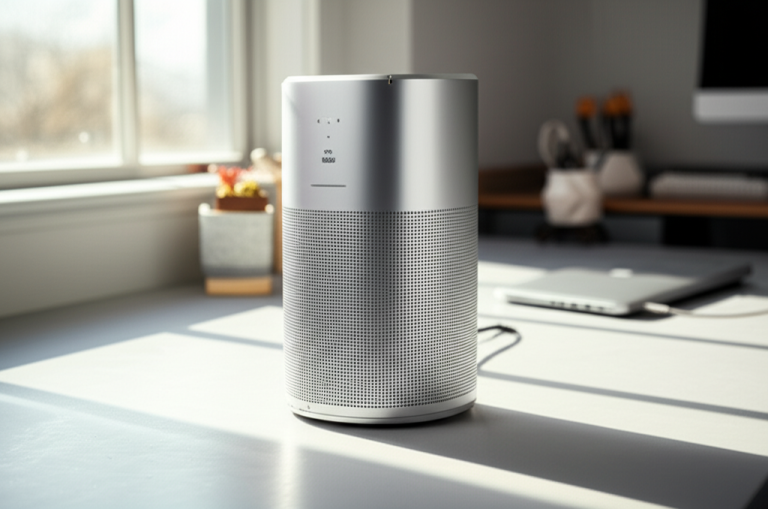
Permanent Filter Air Purifier Reviews: Essential Guide

Permanent filter air purifier reviews highlight devices that offer a cost-effective and eco-friendly solution for cleaner indoor air. Unlike disposable filters, these units feature washable or vacuumable filters, reducing long-term expenses and waste. This guide explores the best permanent filter air purifiers, their pros and cons, and what to consider before buying.
Breathing clean air at home is important for everyone’s health. Sometimes, the air inside our homes can get dusty or have tiny particles that are not good for us. Air purifiers help with this. Many air purifiers use filters that you have to buy again and again. This can get expensive and create a lot of trash. But there’s a better way: air purifiers with permanent filters. These filters can be cleaned and used over and over. This guide will help you understand permanent filter air purifiers and find the best one for your home.
What is a Permanent Filter Air Purifier?
A permanent filter air purifier uses a filter that you don’t need to replace. Instead of throwing away a filter every few months, you can wash or vacuum it. This makes them a great choice for saving money and helping the environment. These purifiers are designed to last a long time with simple maintenance. They help keep your home’s air fresh and healthy without the ongoing cost of disposable filters.
Why Choose a Permanent Filter Air Purifier?
Choosing a permanent filter air purifier offers significant advantages over traditional models. The primary benefits include long-term cost savings and a reduced environmental footprint. These units are ideal for budget-conscious households and those looking to minimize waste. They provide consistent air purification without the recurring expense and hassle of buying new filters.
Long-Term Cost Savings
Buying replacement filters for regular air purifiers adds up quickly. With a permanent filter air purifier, you buy it once and clean the filter. This can save you hundreds of dollars over the years. For example, if a disposable filter costs $30 and you replace it every 6 months, that’s $60 a year. Over five years, that’s $300. A permanent filter saves you this money.
Environmental Friendliness
Disposable filters create a lot of waste that goes to landfills. Permanent filters mean less trash. By washing or vacuuming your filter, you are making an eco-friendly choice. This reduces your home’s impact on the planet. Many people are looking for ways to be more sustainable at home.
Convenience and Simplicity
Cleaning a permanent filter is usually very easy. Most just need a quick rinse under water or a vacuum. This is much simpler than remembering to order and replace filters. It means your air purifier is always ready to work without interruption. You don’t have to worry about running out of filters.
How Permanent Filter Air Purifiers Work
Permanent filter air purifiers work by drawing air into the unit. A fan pulls the air through the filter. This filter traps particles like dust, pollen, and pet dander. The cleaned air is then released back into the room. The filter itself is made of durable materials that can withstand cleaning.
Types of Permanent Filters
There are a few main types of permanent filters. Some are made of mesh or foam that can be washed. Others use electrostatic charges to attract and hold particles. Some advanced models may combine these technologies. Each type has its own way of trapping pollutants.
Washable Mesh Filters: These are often made of metal or plastic mesh. They catch larger particles like dust and hair. You can usually wash them with soap and water.
Electrostatic Filters: These filters use static electricity to attract tiny particles. They are very effective but might need regular vacuuming.
Combination Filters: Some purifiers use a washable pre-filter to catch big particles, followed by another type of permanent filter for smaller ones.
Key Features to Look for in Permanent Filter Air Purifiers
When choosing a permanent filter air purifier, consider several important features. These will help you find a model that best suits your needs. Think about the size of your room, the noise level, and extra features.
Room Coverage (CADR Rating)
The Clean Air Delivery Rate (CADR) tells you how quickly an air purifier can clean a room. Higher CADR means it cleans faster. Check the manufacturer’s recommendation for room size. A purifier that is too small won’t clean the air effectively. Always match the purifier’s capacity to your room size.
Noise Level (Decibels)
Air purifiers have fans that make noise. This is measured in decibels (dB). A lower dB number means it’s quieter. For bedrooms or quiet offices, look for models below 40 dB. Some purifiers have a “sleep mode” that runs quieter at night.
Filter Lifespan and Maintenance
Even permanent filters need cleaning. Check how often and how easy it is to clean the filter. Some may need cleaning every 2-4 weeks, while others can go longer. Make sure you understand the maintenance schedule. Regular cleaning is key to keeping it working well.
Additional Features
Some purifiers offer extra features like air quality sensors. These sensors can automatically adjust the fan speed. Others have timers, remote controls, or smart features that connect to your phone. Consider if these extras are important to you.
Top Permanent Filter Air Purifier Reviews
Finding the best permanent filter air purifier requires looking at what’s available and what users say. Based on expert reviews and user feedback, here are some highly-rated options. These models are known for their performance, durability, and value.
Brand A: The Budget-Friendly Champion
This model is often praised for its affordability and effective basic filtration. It’s a great entry-level option for smaller rooms. The washable filter is simple to maintain. Users report it’s good at reducing common allergens.
Pros: Low cost, easy to clean filter, compact size.
Cons: Best for small rooms, may not have advanced features.
Brand B: The Powerful All-Rounder
This purifier offers strong performance for medium to large rooms. It features a robust permanent filter system that captures a wide range of pollutants. Many users appreciate its quiet operation on lower settings. It’s a solid choice for families with pets.
Pros: Effective for larger spaces, quiet operation, durable build.
Cons: Higher initial cost than basic models.
Brand C: The Smart Home Integration
For those who love smart technology, this unit connects to Wi-Fi. You can control it with an app on your phone. It also has an excellent permanent filter that is easy to clean. The air quality sensor provides real-time feedback.
Pros: Smart features, app control, good filtration.
* Cons: Can be more expensive, requires Wi-Fi setup.
Permanent Filter Air Purifier vs. HEPA Filter Air Purifier
It’s important to understand the difference between permanent filters and High-Efficiency Particulate Air (HEPA) filters. HEPA filters are designed to capture 99.97% of particles 0.3 microns in size. They are highly effective but must be replaced regularly.
| Feature | Permanent Filter Air Purifier | HEPA Filter Air Purifier |
| :—————– | :————————————- | :————————————— |
| Filter Type | Washable, vacuumable, reusable | Disposable, must be replaced |
| Initial Cost | Can be higher | Often lower |
| Long-Term Cost | Lower (no replacement filter costs) | Higher (ongoing filter replacement costs) |
| Environmental | More eco-friendly (less waste) | Less eco-friendly (generates waste) |
| Filtration Level | Varies; may not catch the smallest particles | Excellent for very small particles |
Permanent filters are great for general air quality improvement and cost savings. For specific health concerns like severe allergies or asthma, a HEPA filter might be preferred if budget allows for replacement filters. Some permanent filter systems are very advanced and can approach HEPA-level filtration.
Maintenance Tips for Your Permanent Filter Air Purifier
Keeping your permanent filter air purifier in top condition is simple with regular maintenance. Follow these tips to ensure it works effectively for years. Proper care extends the life of the unit and maintains air quality.
1. Regular Cleaning Schedule: Check the manufacturer’s recommendation for cleaning frequency. This is usually every 2-4 weeks. Do not wait too long, as a dirty filter reduces airflow.
2. Gentle Cleaning Methods: Use mild soap and water for washable filters. For vacuumable filters, use a soft brush attachment. Avoid harsh chemicals or abrasive materials.
3. Thorough Drying: Ensure the filter is completely dry before putting it back into the purifier. Moisture can lead to mold growth and damage the unit.
4. Inspect Other Parts: While cleaning the filter, inspect the fan and interior for dust buildup. Wipe these down gently as well.
Are Permanent Filter Air Purifiers Effective?
Yes, permanent filter air purifiers can be very effective at improving indoor air quality. They are excellent at capturing larger particles like dust, pet hair, and lint. Many modern permanent filters also use advanced materials or technologies to trap smaller particles. The key to their effectiveness is consistent maintenance.
A study by the Environmental Protection Agency (EPA) highlighted that air cleaners can reduce indoor air pollutants. The effectiveness depends on the type of filter and how well it’s maintained. For those with serious respiratory issues, consulting a doctor is always advised.
Potential Downsides of Permanent Filters
While permanent filters offer many benefits, there are a few things to consider. They might not capture the absolute smallest particles as effectively as a brand-new HEPA filter. Also, some people find the regular cleaning task to be inconvenient.
It is also important to note that “permanent” doesn’t always mean “forever.” Some permanent filters may degrade over many years of cleaning and might eventually need replacement. However, this is usually after a very long time, often 5+ years.
Expert Opinions on Permanent Filter Air Purifiers
Experts often recommend permanent filter air purifiers for general home use due to their cost-effectiveness and environmental benefits. Dr. Maria Sanchez, an environmental health specialist, states, “For most households seeking cleaner air and reduced waste, permanent filter units are a practical and sustainable choice. Their effectiveness is well-established for common indoor pollutants.” She also advises checking the specific filtration capabilities of any model.
Many consumer review sites also give high marks to well-designed permanent filter units. They highlight the long-term savings and ease of use for everyday dust and allergen control.
Frequently Asked Questions (FAQ)
Can a permanent filter air purifier really clean the air as well as a HEPA filter?
Permanent filters are great for larger particles like dust and pet dander. Some advanced permanent filters can capture very small particles too. However, true HEPA filters are certified to capture 99.97% of particles down to 0.3 microns. For severe allergies, a HEPA filter might be better, but permanent filters offer good general cleaning.
How often do I need to clean a permanent filter?
You usually need to clean a permanent filter every 2 to 4 weeks. Always check the manufacturer’s instructions. Cleaning it regularly is important for the purifier to work well. A dirty filter makes it harder for the air to pass through.
Are permanent filter air purifiers expensive to buy?
The initial cost of a permanent filter air purifier can sometimes be higher than a basic model with disposable filters. However, you save money over time because you don’t buy replacement filters. This makes them cheaper in the long run.
What happens if I don’t clean my permanent filter?
If you don’t clean your permanent filter, it will get clogged with dust and debris. This reduces the amount of air the purifier can draw in and clean. The purifier will become less effective. It can also put a strain on the motor, potentially shortening its lifespan.
Are there any permanent filter air purifiers that are good for allergies?
Yes, many permanent filter air purifiers are effective for allergy sufferers. Look for models that specifically mention capturing allergens like pollen, dust mites, and pet dander. Some use multiple stages of filtration, including a washable pre-filter and a finer permanent filter.
Conclusion
Permanent filter air purifiers offer a smart, economical, and eco-friendly way to enjoy cleaner indoor air. They provide significant long-term savings and reduce waste compared to models with disposable filters. When choosing a permanent filter air purifier, consider room coverage, noise level, and ease of maintenance. By understanding your needs and the features available, you can find a unit that perfectly suits your home. Investing in a quality permanent filter air purifier means breathing easier and saving money for years to come. We hope these permanent filter air purifier reviews have been helpful.