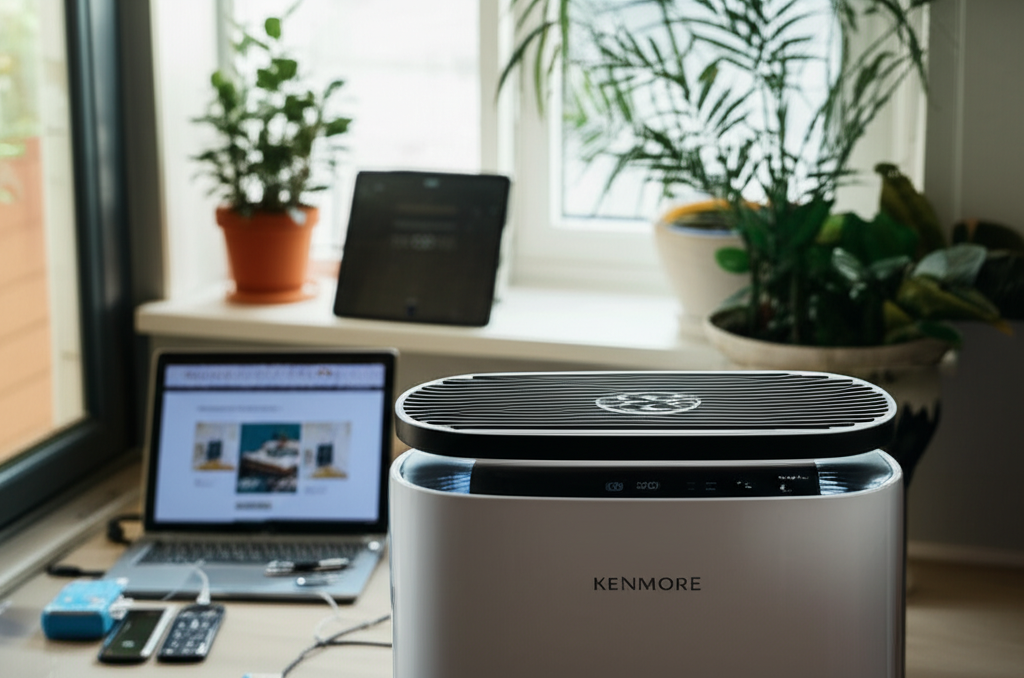
Kenmore Air Purifier Reviews: Essential, Genius Guide

Discover the best Kenmore air purifier reviews to breathe cleaner air. This essential guide breaks down top models, features, and what to look for, ensuring you find the perfect fit for your home’s health.
Are you worried about the air you breathe at home? Dust, pollen, and other tiny particles can cause allergies and make your home feel less fresh. Finding the right air purifier can feel overwhelming with so many choices. But don’t worry, I’m here to help you navigate the world of Kenmore air purifiers. This guide will walk you through everything you need to know to make a smart choice.
Why Choose a Kenmore Air Purifier?
Kenmore air purifiers are a popular choice for many households. They offer a good balance of performance and affordability. Many users find them effective at improving indoor air quality. Kenmore has a long history of making home appliances, which adds to their trustworthiness.
Kenmore aims to provide reliable air purification solutions. They focus on features that matter to everyday users. This makes their products a solid option for those seeking cleaner air.
Understanding Air Purifier Basics
An air purifier cleans the air in a room. It works by drawing air in and passing it through filters. These filters trap pollutants like dust, pet dander, and smoke. The cleaner air is then released back into the room.
Different types of filters exist, each targeting specific particles. HEPA filters are very common and effective. Activated carbon filters help with odors and gases. Understanding these basics helps you pick the right Kenmore model.
Key Features to Look for in Kenmore Air Purifiers
When looking at Kenmore air purifier reviews, pay attention to a few key things. The size of the room the purifier can handle is important. This is often measured in square feet or CADR (Clean Air Delivery Rate). Look for multi-stage filtration systems.
Other features to consider include noise levels, energy efficiency, and smart controls. Some Kenmore models have indicator lights that tell you when to change the filters. These details can make a big difference in your daily experience.
Top Kenmore Air Purifier Models: A Closer Look
Let’s dive into some popular Kenmore air purifier models. The Kenmore PF100 is a compact option often praised for its quiet operation. It’s great for smaller rooms like bedrooms or offices. For larger spaces, the Kenmore PF200 might be a better fit.
These models typically feature a true HEPA filter and an activated carbon pre-filter. They are designed to tackle common household allergens. Checking specific model numbers will give you the most up-to-date information.
Kenmore PF100 Review: Compact Powerhouse
The Kenmore PF100 is designed for smaller spaces, typically up to 200 square feet. It uses a three-stage filtration system. This includes a pre-filter, a true HEPA filter, and an activated carbon filter.
It’s known for being relatively quiet, making it suitable for bedrooms. Many users appreciate its simple controls and filter replacement indicator. This model offers good value for its price point.
Kenmore PF200 Review: For Larger Rooms
The Kenmore PF200 is built for larger areas, often recommended for rooms up to 300-400 square feet. It boasts a similar multi-stage filtration system to the PF100. However, it has a higher CADR, meaning it cleans air faster.
This model often includes additional features like an air quality sensor. It can automatically adjust fan speed based on detected pollutants. This makes it a more automated and powerful solution for bigger homes.
Understanding CADR and Room Size
CADR stands for Clean Air Delivery Rate. It measures how quickly an air purifier can clean a room of smoke, dust, and pollen. A higher CADR means faster air cleaning. Kenmore provides CADR ratings for their models.
Match the purifier’s CADR to your room size. A general rule is to use a purifier with a CADR of at least two-thirds of the room’s square footage. For example, a 100 sq ft room needs a CADR of at least 67. Always check the manufacturer’s recommendations.
Filter Types and Maintenance
Kenmore air purifiers typically use a combination of filters. A pre-filter captures larger particles like hair. A true HEPA filter traps 99.97% of particles 0.3 microns in size. An activated carbon filter absorbs odors and VOCs (Volatile Organic Compounds).
Filter replacement is crucial for performance. Most Kenmore models have indicator lights. Check your manual for specific replacement intervals, usually every 6-12 months depending on usage. Dirty filters reduce effectiveness.
Kenmore Air Purifier Pros and Cons
Here’s a quick look at the advantages and disadvantages of Kenmore air purifiers.
Pros:
Affordable: Often more budget-friendly than premium brands.
Effective Filtration: True HEPA filters capture many allergens.
Good for Basic Needs: Handles common household air pollutants well.
Widely Available: Easy to find replacement filters.
Cons:
Limited Smart Features: Some models lack advanced smart home integration.
Noise Levels: Can be louder on higher settings compared to some competitors.
* Design: May be less stylish than other brands.
Many users find the pros outweigh the cons for their specific needs.
Comparing Kenmore Models
| Feature | Kenmore PF100 | Kenmore PF200 |
| :—————— | :———————- | :———————- |
| Room Size | Up to 200 sq ft | Up to 400 sq ft |
| Filtration | 3-Stage (Pre, HEPA, Carbon) | 3-Stage (Pre, HEPA, Carbon) |
| CADR | Moderate | Higher |
| Noise Level | Generally Quiet | Moderate |
| Air Quality Sensor | No | Yes |
| Filter Indicator | Yes | Yes |
This table gives a simple overview. Always check the latest specifications for the most current models.
User Experiences and Testimonials
Many people share positive experiences with Kenmore air purifiers. For instance, Sarah from Ohio mentioned, “My Kenmore PF100 made a huge difference with my seasonal allergies. I can finally sleep through the night without sneezing.” Another user, Mark, noted, “The PF200 handles my smoky kitchen odors surprisingly well. It’s a solid machine for the price.”
These real-world examples highlight the effectiveness for common issues like allergies and odors. However, some users in very polluted areas might seek more advanced features.
Frequently Asked Questions (FAQ)
What is the best Kenmore air purifier?
The “best” Kenmore air purifier depends on your room size and needs. The PF100 is great for small rooms, while the PF200 is better for larger spaces. Both offer effective filtration for common allergens.
How often should I change Kenmore air purifier filters?
You should change Kenmore air purifier filters typically every 6 to 12 months. This depends on how much you use the purifier and the air quality in your home. Many models have a filter change indicator light.
Are Kenmore air purifiers good for allergies?
Yes, Kenmore air purifiers with true HEPA filters are good for allergies. They trap tiny particles like pollen, dust mites, and pet dander that trigger allergic reactions.
Where can I buy Kenmore air purifiers?
You can buy Kenmore air purifiers from major retailers like Amazon, Walmart, and directly from the Kenmore website. Check their official store locator for authorized dealers.
Do Kenmore air purifiers use a lot of electricity?
Kenmore air purifiers are generally energy-efficient, especially when using lower fan speeds. Check the wattage on specific models, but most are designed to be cost-effective to run.
Conclusion: Making Your Choice
Choosing a Kenmore air purifier is a smart step toward cleaner indoor air. By understanding the key features, CADR ratings, and filter types, you can confidently select a model that fits your home. Whether you choose the compact PF100 or the more robust PF200, you’re investing in a healthier living environment.
I hope this comprehensive guide to Kenmore air purifier reviews has been helpful. Breathe easier knowing you’ve made an informed decision. If you found this useful, consider exploring more home health tips on our site!