
Is An Air Purifier Or Humidifier Better: Essential Guide

An air purifier cleans your air, while a humidifier adds moisture. Neither is inherently “better”; the best choice depends on your specific air quality concerns and health needs. Understanding their distinct functions is key to improving your home’s environment.
Air purifiers and humidifiers are often mentioned together when talking about improving indoor air quality. Many people wonder, “is an air purifier or humidifier better” for their home. Both devices serve different purposes. One cleans the air, and the other adds moisture. Choosing the right one, or even both, can make a big difference in how you feel at home. This guide will help you understand which device is best for you.
What Does an Air Purifier Do?
An air purifier is designed to remove pollutants from the air. It uses filters to trap particles like dust, pollen, pet dander, and smoke. Some purifiers also have activated carbon filters to absorb odors and gases. They work by drawing air in, passing it through filters, and then releasing cleaner air back into the room. This can be very helpful for people with allergies or asthma.
What Does a Humidifier Do?
A humidifier adds moisture to the air. When the air in your home is too dry, it can cause problems. Dry air can lead to dry skin, chapped lips, and irritated nasal passages. It can also make you more susceptible to colds and the flu. A humidifier releases water vapor into the air, increasing the humidity level. This can make your home feel more comfortable, especially during dry winter months.
Air Purifier vs. Humidifier: The Core Difference
The main difference lies in their function. An air purifier focuses on cleaning the air by removing contaminants. A humidifier focuses on conditioning the air by adding moisture. Think of it like this: an air purifier is like a vacuum cleaner for your air, while a humidifier is like a mister for your air. They tackle entirely different issues in your home’s atmosphere.
When to Consider an Air Purifier
You should consider an air purifier if you struggle with allergies, asthma, or have pets. If you live in an area with high pollution or frequently experience smoke from wildfires, an air purifier is a wise investment. They are also beneficial for removing odors from cooking or smoking. The Environmental Protection Agency (EPA) notes that air purifiers can reduce indoor air pollutants.
Snippet-Ready Answer: An air purifier is better if you have allergies, asthma, pets, or live in a polluted area. It removes dust, pollen, dander, smoke, and other harmful particles from your air, making it cleaner and healthier to breathe.
When to Consider a Humidifier
A humidifier is a good choice if your home’s air feels dry. This is common in winter when heating systems dry out the air. Symptoms like dry skin, itchy eyes, sore throats, and static electricity are signs that you might need more humidity. Humidifiers can also help protect wooden furniture and musical instruments from cracking due to dryness. According to the Mayo Clinic, maintaining optimal humidity levels can ease symptoms of colds and sinus infections.
Snippet-Ready Answer: A humidifier is better if your home’s air is dry, causing dry skin, chapped lips, or irritated sinuses. It adds moisture to the air, making breathing more comfortable and protecting your home from dryness.
Can You Use Both an Air Purifier and a Humidifier?
Yes, you can absolutely use both an air purifier and a humidifier together. In fact, for many people, this combination offers the most comprehensive improvement to indoor air quality. You can run them in the same room. This allows you to both clean the air of allergens and add much-needed moisture. This is especially helpful for individuals with respiratory issues who benefit from both cleaner and more humid air.
How to Choose the Right Device for You
To decide if an air purifier or humidifier is better, assess your primary concern. If airborne particles and allergens are the issue, choose an air purifier. If dryness and its related symptoms are the problem, opt for a humidifier. If you experience both, consider getting both devices. It’s about targeting your specific indoor air quality problems effectively.
Key Features to Look For
When selecting an air purifier, look for HEPA filters, which are highly effective at trapping small particles. Consider the CADR (Clean Air Delivery Rate) to ensure it’s suitable for your room size. For humidifiers, choose between cool mist and warm mist options. Cool mist is generally safer for children and pets, while warm mist can help kill germs. Look for models with adjustable humidity settings and an automatic shut-off feature.
Understanding Humidity Levels
The ideal indoor humidity level is typically between 30% and 50%. You can measure your home’s humidity with a hygrometer, a small device that measures moisture in the air. If your humidity consistently falls below 30%, a humidifier is likely needed. If it’s consistently above 50%, you might consider a dehumidifier instead. Maintaining this balance is crucial for comfort and health.
Potential Downsides and Maintenance
Both devices require regular maintenance to function effectively and safely. Air purifiers need their filters replaced periodically, usually every 6-12 months, depending on the model and usage. If filters aren’t changed, the purifier becomes less effective and can even recirculate dust. Humidifiers need regular cleaning to prevent mold and bacteria growth in the water tank. Neglecting this can lead to releasing these contaminants into the air, which is counterproductive.
Air Purifier vs. Humidifier: A Comparison Table
| Feature | Air Purifier | Humidifier |
| :—————- | :———————————————- | :———————————————- |
| Primary Function | Removes pollutants (dust, pollen, smoke) | Adds moisture to dry air |
| Best For | Allergies, asthma, pets, pollution | Dry air, winter months, dry skin, sinus issues |
| Key Component | Filters (HEPA, activated carbon) | Water tank, misting mechanism |
| Maintenance | Filter replacement | Cleaning water tank, descaling |
| Potential Issue | Can dry out air if used excessively | Can promote mold/bacteria if not cleaned |
Can an Air Purifier Help with Dryness?
No, an air purifier cannot add moisture to the air. Its purpose is to remove particles, not to increase humidity levels. In fact, some air purifiers, especially those with very efficient filters, might slightly reduce humidity by trapping airborne water vapor particles. Therefore, if dryness is your main concern, an air purifier alone will not solve the problem.
Can a Humidifier Help with Allergies?
A humidifier does not remove allergens from the air, so it won’t directly help with allergies caused by airborne particles like pollen or dust. However, by keeping your nasal passages moist, a humidifier can make them less irritated and better able to trap allergens. This can provide some relief from allergy symptoms. But for actual allergen removal, an air purifier is the more effective solution.
Frequently Asked Questions (FAQ)
Q1: Which is better for sleep, an air purifier or a humidifier?
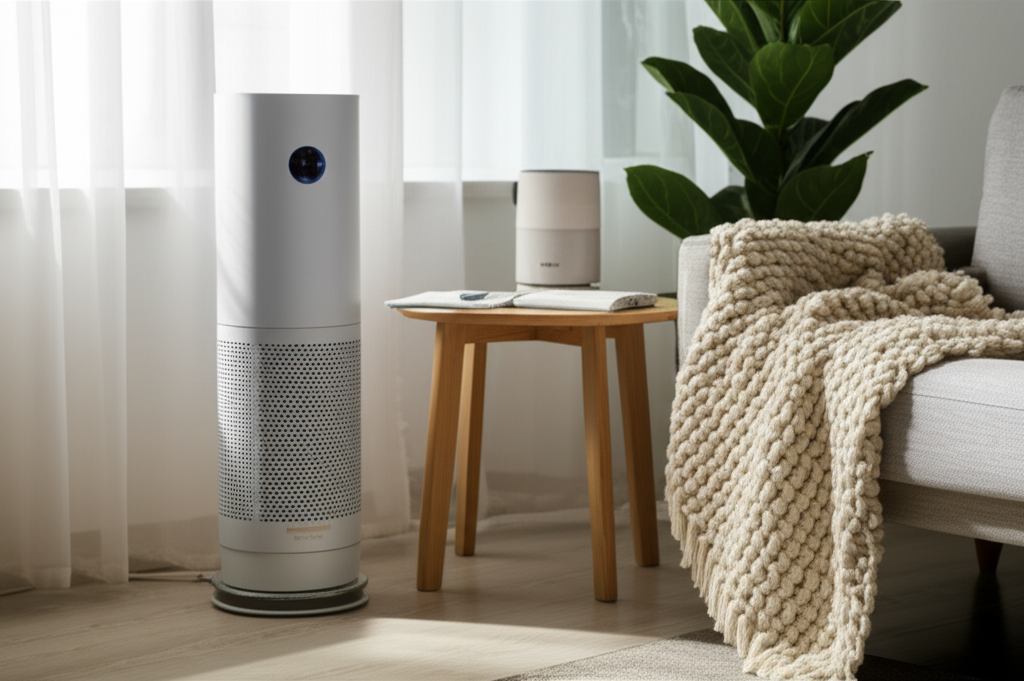
For better sleep, consider your specific sleep issues. If you wake up with a dry throat or stuffy nose due to dry air, a humidifier can help. If dust, pollen, or pet dander bothers you, an air purifier will create cleaner air, which might improve sleep. Many people find using both beneficial.
Q2: Can I use essential oils in an air purifier?
No, you should never add essential oils or any other liquids to an air purifier. Most air purifiers are not designed for this and doing so can damage the filters and the unit, voiding warranties and potentially releasing harmful chemicals. Some humidifiers, however, are designed with separate compartments for essential oils.
Q3: How often should I clean my humidifier?
You should clean your humidifier at least once a week to prevent the buildup of mold and bacteria. Always follow the manufacturer’s instructions for cleaning your specific model. Emptying and drying the tank daily can also help prevent issues.
Q4: How do I know if my air is too dry?
Signs of dry air include dry skin, chapped lips, static electricity shocks, dry or itchy eyes, a sore throat, and increased susceptibility to colds. You can also use a hygrometer to measure the humidity level, aiming for 30-50%.
Q5: Can an air purifier make my allergies worse?
An air purifier, when properly maintained with clean filters, should help reduce allergy symptoms by removing allergens. If an air purifier is old, has a dirty filter, or is the wrong size for the room, it might not be effective or could even recirculate dust, potentially worsening symptoms.
Conclusion
So, is an air purifier or humidifier better? The answer truly depends on what you need. If your air is filled with dust, pollen, or pet dander, an air purifier is your best bet for cleaner air. If your home feels like a desert, especially in winter, a humidifier will bring much-needed moisture back into your environment. For the ultimate comfort and health, using both an air purifier and a humidifier can create a perfectly balanced indoor atmosphere. Both are valuable tools for a healthier home.
