
Hunter HP800 Air Purifier Reviews: Essential Guide

Explore comprehensive Hunter HP800 air purifier reviews to understand its performance, features, and value, helping you make an informed decision for cleaner indoor air.
Breathing cleaner air at home isn’t just a luxury; it’s essential for your well-being, especially with rising concerns about indoor air quality. Many of us wonder if our homes are truly as fresh as they feel, battling invisible pollutants like dust, allergens, and odors. This is where a reliable air purifier becomes a game-changer, and the Hunter HP800 model often comes up in discussions. We’ll dive deep into Hunter HP800 air purifier reviews to see if it lives up to the hype.
Hunter HP800 Air Purifier: A Closer Look
The Hunter HP800 air purifier is designed to tackle common indoor air quality issues, offering a blend of filtration technology and user-friendly features. It aims to provide a noticeable improvement in the air you breathe, making it a popular choice for those seeking relief from allergens or simply wanting a fresher living space. Understanding its capabilities is key to determining if it’s the right fit for your home.
This section will break down the core aspects of the Hunter HP800, covering its design, filtration system, and overall effectiveness based on available reviews. We’ll explore what makes it stand out and where it might have limitations.
Design and Build Quality
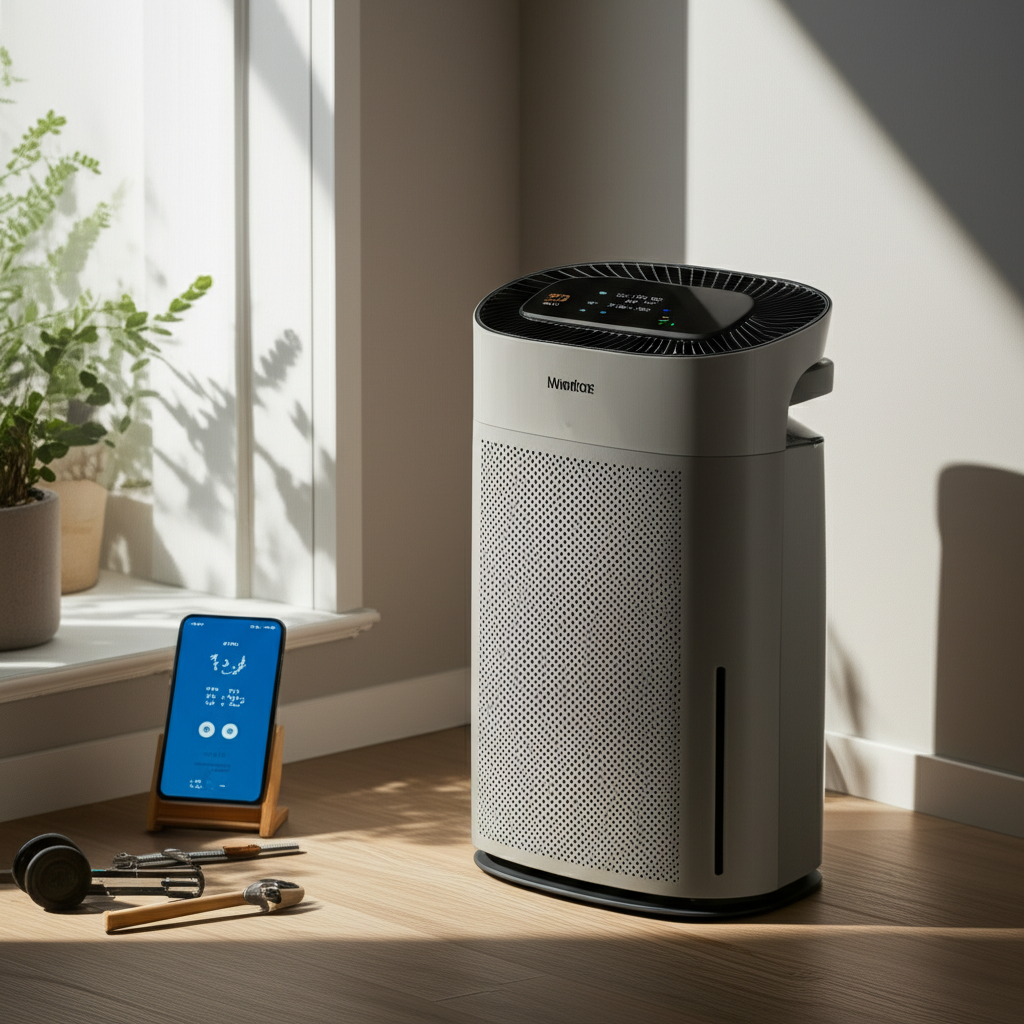
The Hunter HP800 features a sleek, modern design that can easily blend into most home decors. Its compact size makes it suitable for placement in various rooms without being obtrusive. The build quality feels solid, suggesting durability for long-term use.
Its intuitive controls are located on the top panel, making adjustments simple and accessible. The overall aesthetic focuses on functionality without sacrificing visual appeal, a common trait in well-regarded home appliances.
Filtration System Explained
At the heart of the Hunter HP800 is its multi-stage filtration system, crucial for effective air purification. This typically includes a pre-filter to capture larger particles, an activated carbon filter for odors and gases, and a True HEPA filter for microscopic allergens.
The combination of these filters is designed to capture a significant percentage of airborne contaminants, creating a healthier indoor environment. Understanding each layer helps appreciate the purifier’s comprehensive approach to air cleaning.
Pre-Filter Performance
The pre-filter acts as the first line of defense, trapping larger particles like pet hair, dust bunnies, and lint. This not only improves the air quality but also extends the life of the subsequent, more sensitive filters. Regular cleaning of the pre-filter is essential for maintaining optimal performance.
Cleaning the pre-filter is usually a straightforward process, often involving vacuuming or rinsing. This simple maintenance step significantly impacts the overall efficiency of the air purifier.
Activated Carbon Filter
This layer is specifically designed to neutralize odors and volatile organic compounds (VOCs) that can originate from cooking, pets, smoke, or household cleaning products. The activated carbon adsorbs these airborne pollutants, preventing them from recirculating in your home.
A robust activated carbon filter is key for households dealing with persistent smells or chemical sensitivities. Its effectiveness can vary based on the amount and quality of carbon used.
True HEPA Filter Efficacy
The True HEPA filter is the workhorse for capturing fine particles. It is certified to remove at least 99.97% of airborne particles as small as 0.3 microns. This includes common allergens like pollen, dust mites, mold spores, and pet dander.
For individuals suffering from allergies or asthma, the True HEPA filter is the most critical component of an air purifier. Its efficiency directly correlates with the reduction of allergy triggers in the air.
Performance and Air Cleaning Capabilities
Based on user feedback and manufacturer claims, the Hunter HP800 demonstrates strong performance in clearing the air of common pollutants. Its effectiveness is particularly noted in medium-sized rooms, where it can significantly reduce dust and allergen levels.
The unit operates quietly on lower settings, making it suitable for use in bedrooms or living areas without causing disruption. Higher settings are more powerful but naturally produce more sound.
Coverage Area and CADR Ratings
Understanding the coverage area and Clean Air Delivery Rate (CADR) of the Hunter HP800 is vital for matching it to your room size. The CADR ratings indicate how quickly the purifier can clean the air of smoke, dust, and pollen.
A higher CADR means faster and more efficient air cleaning. The HP800 is generally rated for rooms up to a certain square footage, ensuring it can effectively purify the air in typical bedrooms or living spaces. For instance, many reviews suggest it performs well in spaces up to 500 square feet.
Ease of Use and Controls
The Hunter HP800 is designed with user convenience in mind. Its control panel is intuitive, allowing for easy selection of fan speeds, timer settings, and filter replacement indicators. Many users appreciate the straightforward operation, requiring minimal technical knowledge.
The filter replacement process is also typically designed to be simple, often involving just a few steps to open the unit and swap out the old filter for a new one. This ensures that maintaining the purifier is never a chore.
Noise Levels
Noise is a significant factor for many air purifier buyers, especially for use in bedrooms or quiet workspaces. The Hunter HP800 generally receives positive marks for its relatively quiet operation on lower fan speeds.
On higher settings, the noise level increases, as expected with any air purification device working at maximum capacity. Many users find the white noise produced on higher settings to be unobtrusive or even conducive to sleep.
Filter Replacement and Maintenance
Regular filter replacement and maintenance are key to ensuring your Hunter HP800 continues to perform optimally. The manufacturer typically recommends replacing the HEPA and carbon filters at specific intervals, usually every 6-12 months, depending on usage and air quality.
The pre-filter, however, can often be cleaned and reused, which helps reduce ongoing costs. Keeping track of filter life and cleaning schedules is crucial for sustained effectiveness.
Hunter HP800 vs. Competitors
When considering the Hunter HP800 air purifier, it’s helpful to compare it against other popular models in the market. While the HP800 offers a solid set of features for its price point, competitors might excel in specific areas like smart connectivity or advanced sensor technology.
However, the HP800’s strengths lie in its reliable filtration and ease of use, making it a strong contender for those prioritizing core air purification performance. For example, brands like Coway and Levoit also offer comparable models, each with unique selling propositions.
Hunter HP800 Air Purifier Reviews: User Experiences
User reviews for the Hunter HP800 air purifier are generally positive, highlighting its effectiveness in reducing common allergens and improving overall air freshness. Many users report a noticeable difference in air quality, especially those with allergies or pets.
Some common praises include its quiet operation on lower settings and the clear indicator for filter replacement. Negative feedback, though less frequent, sometimes points to the cost of replacement filters or the noise level on the highest setting.
Pros and Cons Summary
Here’s a quick overview of the advantages and disadvantages often mentioned in Hunter HP800 air purifier reviews:
| Pros | Cons |
| :————————————- | :—————————————- |
| Effective True HEPA filtration | Replacement filter costs can add up |
| Quiet operation on low/medium speeds | Higher settings can be noisy |
| User-friendly controls and indicators | May lack advanced smart features |
| Modern and compact design | Coverage area might be limited for very large rooms |
| Good value for its performance | |
Key Features and Specifications
The Hunter HP800 is packed with features designed for efficient and convenient air purification. Knowing these specifications helps you understand its capabilities for your specific needs.
Filtration Type: True HEPA, Activated Carbon, Pre-filter
Room Coverage: Suitable for medium-sized rooms (e.g., up to 500 sq. ft.)
CADR Ratings: Specific ratings vary by pollutant (Smoke, Dust, Pollen)
Fan Speeds: Multiple speed settings (e.g., 3 or 4)
Noise Level: Typically 30-55 dB depending on speed
Filter Life Indicator: Yes
Timer: Yes
Dimensions: Compact, suitable for various spaces
* Power Consumption: Energy-efficient operation
Where to Buy and Price Considerations
The Hunter HP800 air purifier is widely available through major online retailers like Amazon, Walmart, and directly from the Hunter Fan Company website. Pricing can fluctuate based on sales and promotions, but it generally positions itself as a mid-range option.
When budgeting, remember to factor in the ongoing cost of replacement filters, which is a crucial consideration for any air purifier purchase. Comparing prices across different retailers can help you secure the best deal.
Frequently Asked Questions about the Hunter HP800
Here are answers to some common questions people have about the Hunter HP800 air purifier.
Q1: How often should I replace the filters in my Hunter HP800?
A1: The True HEPA and activated carbon filters typically need replacement every 6 to 12 months, depending on your home’s air quality and how often the unit is used. Always refer to your user manual for the most accurate recommendation.
Q2: Can the Hunter HP800 effectively remove pet dander and odors?
A2: Yes, the combination of a True HEPA filter for dander and an activated carbon filter for odors makes the Hunter HP800 quite effective at addressing pet-related air quality issues. Its performance can be enhanced by regularly cleaning the pre-filter.
Q3: Is the Hunter HP800 suitable for large rooms?
A3: The Hunter HP800 is generally recommended for medium-sized rooms, typically up to 500 square feet. For very large open-plan areas, you might consider using multiple units or a model with a higher CADR rating and larger coverage area.
Q4: Does the Hunter HP800 have an air quality sensor?
A4: Many Hunter HP800 models do not come equipped with automatic air quality sensors. This means you’ll typically need to manually adjust fan speeds or rely on the timer settings rather than having the unit adapt automatically to changing air conditions.
Q5: What is the energy consumption of the Hunter HP800?
A5: The Hunter HP800 is designed to be energy-efficient, especially on lower fan speeds. Its power consumption is comparable to that of a standard light bulb when running on its lowest setting, making it cost-effective for continuous use.
Conclusion: Is the Hunter HP800 Air Purifier Worth It?
After reviewing the features, performance, and user feedback, the Hunter HP800 air purifier stands out as a solid choice for improving indoor air quality in medium-sized spaces. Its robust multi-stage filtration system, including a True HEPA filter, effectively tackles allergens, dust, and odors, providing a noticeable difference for many users. The intuitive design and quiet operation on lower settings further enhance its appeal for everyday use in homes.
While it may lack some of the advanced smart features found in higher-end models, the Hunter HP800 delivers on its core promise of cleaner air at a competitive price point. If you’re seeking a reliable, easy-to-use air purifier that offers excellent value, the Hunter HP800 air purifier reviews suggest it’s a worthy investment for a healthier home environment.
Consider following HomeHygia.com for more expert reviews and tips on creating a healthy living space.
