
Humidifier vs Air Purifier For Cough: Essential Relief

Choosing between a humidifier and an air purifier for cough relief depends on the cause of your cough. A humidifier adds moisture to dry air, soothing irritated airways, while an air purifier removes allergens and irritants. Understanding their distinct functions is key to finding essential relief for your cough.
It’s a frustrating cycle: you’re battling a persistent cough, and you’re desperate for relief. You’ve heard that both humidifiers and air purifiers can help, but which one is right for you? Navigating the options can feel overwhelming, especially when your comfort is on the line. This guide will break down the differences between a humidifier and an air purifier, specifically focusing on how each can address your cough. We’ll explore their unique benefits, when to choose one over the other, and how they can work together for optimal relief.
Understanding Your Cough: Dryness vs. Irritants
Before we dive into humidifiers and air purifiers, it’s crucial to understand the common culprits behind a cough. Often, a cough is your body’s way of clearing irritants from your airways. These irritants can stem from dry air, allergens like dust and pollen, or even airborne pollutants. Identifying the primary cause will guide you to the most effective solution for your cough relief.
A dry cough, often worse at night or in dry climates, signals that your airways might be dehydrated. This can make them feel scratchy and inflamed, triggering a cough reflex. Conversely, a cough accompanied by sneezing, itchy eyes, or a stuffy nose suggests airborne allergens or irritants are the likely cause.
Humidifier: The Soothing Moisture Provider
A humidifier works by increasing the moisture content in the air. It releases water vapor, turning dry indoor air into a more comfortable, humid environment. This is particularly beneficial during winter months when heating systems tend to dry out the air significantly. For coughs caused by dryness, a humidifier can be a game-changer.
When your airways are dry, they become more sensitive and prone to irritation. This can lead to a hacking, ticklish cough that feels like it won’t stop. Adding moisture to the air helps to soothe these irritated membranes, making them feel less scratchy and reducing the urge to cough.
How a Humidifier Helps a Cough
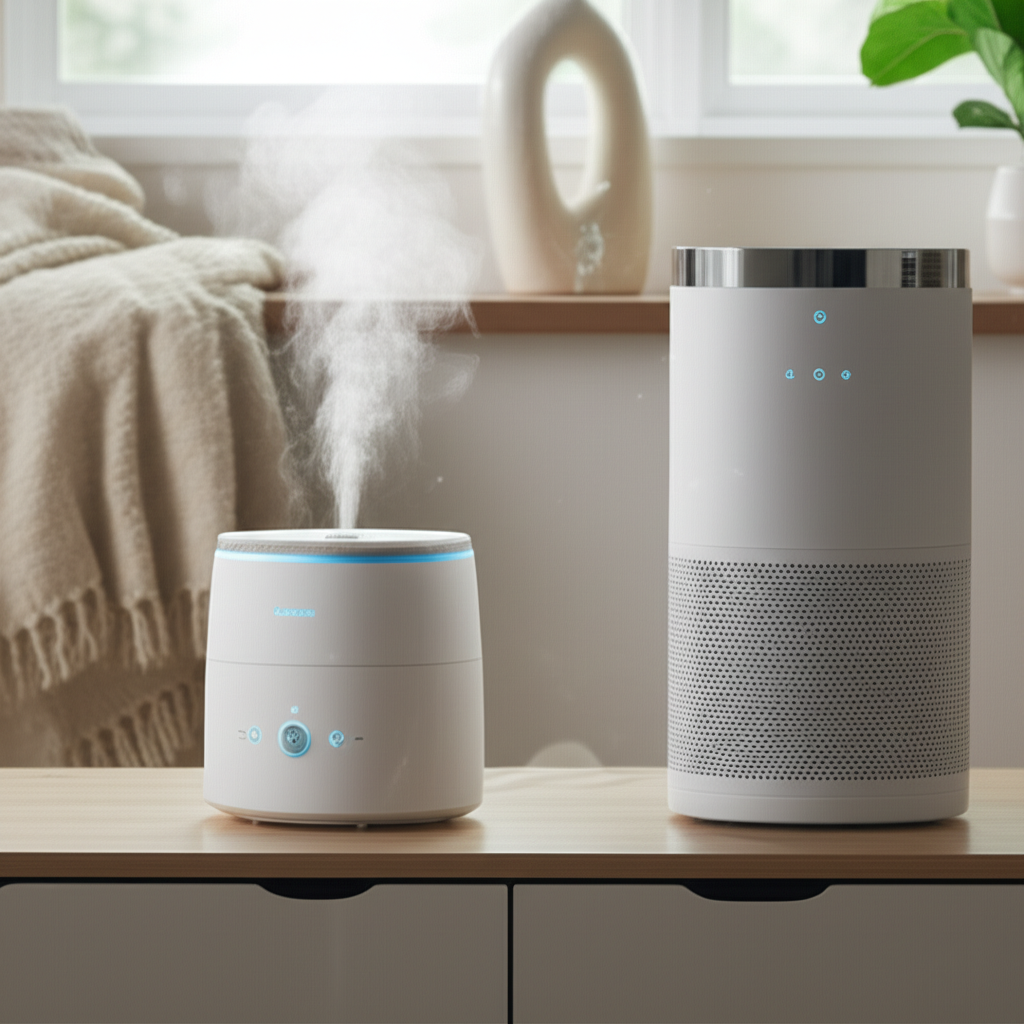
A humidifier can ease a cough by preventing your throat and nasal passages from drying out. This keeps your mucus thin and easier to expel, preventing it from becoming thick and congested. It also helps to lubricate your airways, reducing that dry, ticklish sensation that often triggers coughing fits.
By maintaining optimal humidity levels, typically between 40% and 60%, a humidifier can significantly alleviate symptoms associated with dry air. This includes dry coughs, sore throats, and even dry skin. You’ll find yourself breathing more comfortably, especially during sleep.
Types of Humidifiers
There are several types of humidifiers, each with its own mechanism for adding moisture to the air. Understanding these differences can help you choose the best fit for your needs. The most common types include cool mist, warm mist, ultrasonic, and evaporative humidifiers.
Cool Mist Humidifiers: These release a cool mist into the air and are generally safer for homes with children and pets as they don’t use heat. They can be either evaporative or ultrasonic.
Warm Mist Humidifiers: These boil water to produce steam, releasing warm, moist air. The boiling process can help kill some bacteria and mold in the water.
Ultrasonic Humidifiers: These use high-frequency vibrations to create a fine mist. They are typically quiet and efficient.
Evaporative Humidifiers: These use a fan to blow air through a wet wick or filter, evaporating the water into the air.
When to Choose a Humidifier for Cough Relief
You should consider a humidifier if your cough is dry, persistent, and seems to worsen in dry environments or during winter. If you experience a scratchy throat, sinus congestion, or nosebleeds due to dryness, a humidifier is likely your best bet. It’s also excellent for soothing coughs associated with colds and the flu.
A humidifier can make sleeping more comfortable by preventing your throat from drying out overnight. This can lead to fewer awakenings due to coughing, promoting better rest and faster recovery. Many users report a noticeable difference in their cough’s severity and frequency within a day or two of consistent use.
Air Purifier: The Allergen and Irritant Fighter
An air purifier is designed to remove airborne contaminants from your indoor air. It uses filters, such as HEPA (High-Efficiency Particulate Air) filters, to trap particles like dust, pollen, pet dander, mold spores, and smoke. If your cough is triggered by allergies or irritants, an air purifier is the more suitable choice.
By removing these microscopic particles, an air purifier creates cleaner air for you to breathe. This directly reduces the exposure that causes your respiratory system to react and trigger a cough. Think of it as a powerful vacuum for the air in your home.
How an Air Purifier Helps a Cough
An air purifier combats coughs by eliminating the allergens and irritants that inflame your airways. When these triggers are removed from the air, your respiratory system has less to react to, leading to a reduction in coughing. This is especially effective for allergic coughs or coughs caused by environmental pollutants.
Studies have shown that HEPA air purifiers can significantly reduce indoor concentrations of airborne allergens. For example, a study published in the Journal of Allergy and Clinical Immunology highlighted the effectiveness of air filtration in homes with children who have asthma. This reduction in allergens directly translates to fewer coughing episodes for sensitive individuals.
Key Components of an Air Purifier
Most effective air purifiers utilize a multi-stage filtration system to tackle a wide range of airborne pollutants. The core of an air purifier is its filter, with HEPA filters being the gold standard for capturing fine particles. Many also include pre-filters for larger debris and activated carbon filters for odors and gases.
Pre-filter: Captures larger particles like hair and dust bunnies, extending the life of the main filters.
HEPA Filter: Captures at least 99.97% of airborne particles 0.3 microns in size, including pollen, mold spores, and pet dander.
* Activated Carbon Filter: Adsorbs odors, smoke, and volatile organic compounds (VOCs).
When to Choose an Air Purifier for Cough Relief
Opt for an air purifier if your cough is accompanied by allergy symptoms like sneezing, itchy eyes, or a runny nose. It’s also ideal if you live in an area with poor air quality, near busy roads, or if you have pets that shed dander. If your cough is triggered by smoke or strong odors, an air purifier with a carbon filter is essential.
For individuals with asthma or other respiratory conditions, an air purifier can be a vital tool in managing their symptoms and reducing coughing. By continuously cleaning the air, it provides a sanctuary from common indoor allergens and irritants.
Humidifier vs. Air Purifier for Cough: The Core Differences
The fundamental difference lies in their function: humidifiers add moisture, while air purifiers remove particles. This distinction is critical when deciding which device is best suited for your specific cough symptoms. A humidifier addresses dryness-induced coughs, whereas an air purifier targets irritant-induced coughs.
Think of it this way: if your throat feels like sandpaper, you need moisture (humidifier). If your airways feel constantly irritated by invisible particles, you need to clean the air (air purifier). They solve different problems, though sometimes the symptoms can overlap.
Here’s a quick comparison to highlight their distinct roles:
| Feature | Humidifier | Air Purifier |
| :————— | :——————————————– | :—————————————————– |
| Primary Function | Adds moisture to the air. | Removes airborne particles and contaminants. |
| Best For | Dry coughs, dry throat, dry sinuses. | Allergy coughs, asthma, smoke, pet dander, pollutants. |
| Mechanism | Evaporates water into the air. | Filters air through HEPA, carbon, and pre-filters. |
| Relief Type | Soothes irritated, dry airways. | Reduces exposure to cough triggers. |
| Maintenance | Regular cleaning to prevent mold/bacteria. | Filter replacement at recommended intervals. |
Can You Use Both a Humidifier and an Air Purifier Together?
Absolutely! For many people, using both a humidifier and an air purifier offers the most comprehensive approach to cough relief. This dual strategy addresses both dryness and airborne irritants simultaneously, creating an optimal breathing environment. This is especially beneficial if your cough has multiple triggers or if you live in an environment with both dry air and allergens.
Imagine a scenario where you have a cold (leading to dry airways) and also suffer from seasonal allergies (triggered by pollen). In this case, a humidifier would soothe your dry throat, while an air purifier would capture pollen and other allergens that could exacerbate your cough. Together, they provide a more robust solution than either device alone.
Synergy for Superior Relief
The synergistic effect of using both devices can lead to faster and more complete relief from persistent coughing. The humidifier ensures your airways remain moist and less sensitive, while the air purifier diligently removes the particles that could otherwise irritate them. This combination creates a healthier indoor environment conducive to recovery.
A report from the Environmental Protection Agency (EPA) suggests that improving indoor air quality can reduce respiratory symptoms. While they emphasize ventilation, air cleaning devices like purifiers and humidifiers can play a supplementary role, especially in specific situations like dry seasons or high-allergen periods.
Choosing the Right Device: A Step-by-Step Approach
To determine whether a humidifier or an air purifier is your best first step, consider these questions:
1. What time of year or day is your cough worst? If it’s during dry winter months or at night, dryness might be the culprit. If it’s year-round and linked to pollen seasons, allergens are more likely.
2. Do you have other allergy symptoms? Sneezing, itchy eyes, and a runny nose strongly point towards allergens.
3. What is your home environment like? Is the air noticeably dry? Do you have pets? Are you near a busy road?
4. Have you experienced relief from moisture or cleaner air in the past? Reflecting on previous experiences can offer valuable clues.
By answering these, you can prioritize the device that directly addresses the most probable cause of your cough. If both seem to be contributing factors, consider a combined approach.
Key Considerations for Humidifiers
When selecting a humidifier for cough relief, consider the size of the room it will be used in and the type of mist you prefer (cool or warm). Ease of cleaning is also paramount, as dirty humidifiers can breed mold and bacteria, worsening respiratory issues. Look for models with features like adjustable humidity levels and automatic shut-off.
The American Academy of Pediatrics recommends cool-mist humidifiers for children’s rooms due to the absence of burn risks associated with warm mist. Always use distilled or demineralized water to prevent mineral buildup and the release of white dust into the air. Regular cleaning, as per the manufacturer’s instructions, is non-negotiable for safe operation.
Key Considerations for Air Purifiers
For air purifiers, focus on the coverage area (CADR rating) to ensure it’s appropriate for your room size. A HEPA filter is essential for capturing fine particles, and an activated carbon filter is beneficial for odor control. Look for certified performance from organizations like AHAM (Association of Home Appliance Manufacturers).
When comparing models, consider the noise level, energy consumption, and the cost and availability of replacement filters. Some purifiers offer smart features like air quality sensors and app control, which can be convenient for monitoring and adjusting settings.
Expert Insights and User Experiences
Many healthcare professionals recommend humidifiers for dry coughs and air purifiers for allergy-induced coughs. Dr. Anya Sharma, a pulmonologist at City General Hospital, notes, “For coughs stemming from dry, irritated airways, increasing humidity can provide immediate soothing. However, if allergens are the primary trigger, an air purifier is the more effective long-term solution.”
Sarah K., a user who struggled with nighttime coughing for months, shared her experience: “My cough was relentless every night. I tried everything until I got an air purifier with a HEPA filter. Within a week, my cough reduced by about 70%. I still use a humidifier on very dry nights, but the purifier was the real game-changer for my allergy-related cough.”
Frequently Asked Questions (FAQ)
Will a humidifier make my cough worse?
Generally, no. A humidifier helps by adding moisture to dry air, which soothes irritated airways and can make coughs more productive. However, if the humidifier is not cleaned regularly, it can breed mold and bacteria, which could potentially worsen respiratory symptoms.
Can an air purifier remove viruses that cause coughs?
While air purifiers with HEPA filters can capture airborne virus particles, they are not a substitute for good hygiene practices like handwashing and vaccination. They help reduce the concentration of airborne pathogens but don’t eliminate them entirely.
How often should I clean my humidifier?
It’s recommended to clean your humidifier thoroughly every one to three days to prevent the growth of mold and bacteria. Empty the tank, wipe it down with a soft cloth, and allow it to air dry. More detailed cleaning with vinegar or a recommended cleaning solution should be done weekly.
What is the ideal humidity level for cough relief?
The ideal indoor humidity level for most people, including those with coughs, is between 40% and 60%. Levels below 40% can lead to dry airways, while levels above 60% can promote mold and dust mite growth.
Which type of air purifier is best for allergies and coughs?
An air purifier with a True HEPA filter is generally considered the most effective for allergies and coughs caused by airborne irritants like pollen, dust mites, and pet dander. Models with activated carbon filters are also beneficial for reducing odors and smoke.
Conclusion: Finding Your Essential Cough Relief
Ultimately, the choice between a humidifier and an air purifier for cough relief hinges on the root cause of your symptoms. If dry air is irritating your airways, a humidifier offers soothing moisture. If allergens and pollutants are triggering your cough, an air purifier provides cleaner, healthier air. For many, the most comprehensive solution involves using both devices in tandem to combat dryness and airborne irritants.
By understanding the unique benefits of each, you can make an informed decision to find the essential relief you need. Prioritize your comfort and well-being by addressing the specific factors contributing to your cough. Explore our other guides at HomeHygia.com to further enhance your home’s air quality and comfort.
