
Good Air Purifier for Home: Essential Clean Air

A good air purifier for home is essential for creating a healthy living space, effectively removing allergens, pollutants, and odors for cleaner, fresher air. This guide helps you find the best option to breathe easier and improve your well-being.
There’s nothing quite like the feeling of walking into a home that smells fresh and clean. But what if that freshness is just a mask for unseen irritants? Indoor air can be up to five times more polluted than outdoor air, according to the U.S. Environmental Protection Agency. Dust, pollen, pet dander, mold spores, and even volatile organic compounds (VOCs) from everyday products can linger, impacting your health and comfort. This is where a good air purifier for home becomes a vital tool. It’s a common frustration for many to deal with allergies, respiratory issues, or persistent odors, and the solution often lies in actively cleaning the air you breathe. We’ll walk you through everything you need to know to choose the right air purifier for your needs, ensuring a healthier environment for you and your loved ones.
Why a Good Air Purifier for Home is a Must-Have
A good air purifier for home acts as a powerful defense against the invisible threats in your indoor environment. These devices actively filter out airborne particles, significantly reducing allergens and pollutants. This can lead to fewer allergy symptoms, improved sleep, and a generally healthier living space. It’s an investment in your family’s well-being.
The Invisible Invaders: What’s Really in Your Air?
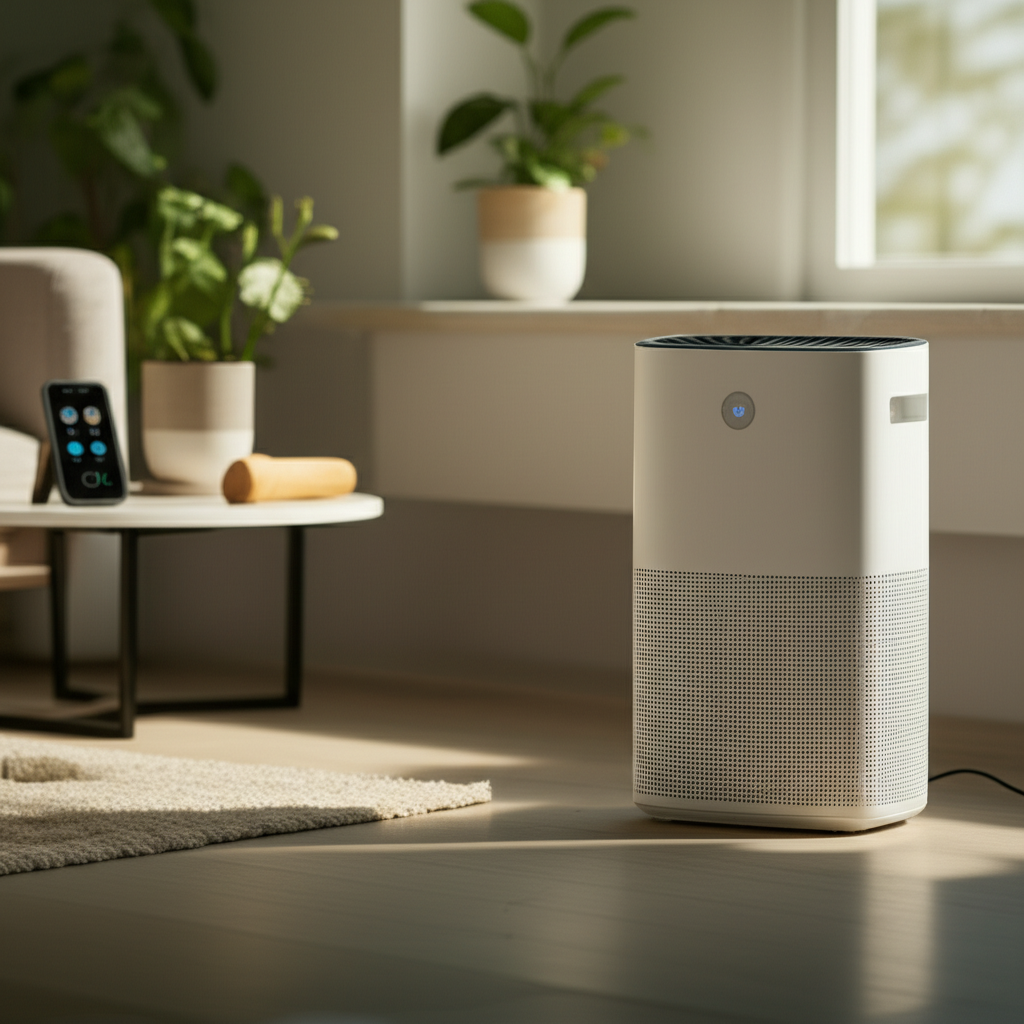
Indoor air quality is a growing concern, with numerous microscopic particles circulating in our homes. These can include common allergens like dust mites and pollen, as well as pet dander, mold spores, and smoke particles. Beyond these, VOCs off-gassed from furniture, cleaning products, and paints contribute to a less healthy atmosphere.
Health Benefits of Cleaner Air
Breathing cleaner air can have a profound impact on your health. For allergy sufferers, a good air purifier can mean fewer sneezes, less congestion, and more comfortable days. It can also help individuals with asthma by reducing triggers in the air. Beyond specific conditions, consistently breathing purified air can lead to better sleep, increased energy levels, and a stronger immune system.
Understanding Air Purifier Technology: The Core Components
At its heart, a good air purifier for home utilizes several key technologies to clean your air. Understanding these components will help you make an informed decision. The most crucial elements are the filters, which trap different types of pollutants.
HEPA Filters: The Gold Standard
High-Efficiency Particulate Air (HEPA) filters are the most critical component of many air purifiers. A true HEPA filter is designed to capture at least 99.97% of airborne particles as small as 0.3 microns. This includes dust, pollen, pet dander, mold spores, and even some bacteria and viruses. Look for “True HEPA” to ensure you’re getting the highest level of filtration.
Activated Carbon Filters: Tackling Odors and Gases
While HEPA filters excel at capturing particles, activated carbon filters are essential for addressing gases, odors, and VOCs. These filters use a porous material that adsorbs (not absorbs) unwanted chemicals and smells from the air. The more activated carbon a filter contains, the more effective it will be at neutralizing odors from cooking, pets, smoke, and chemical fumes.
Pre-filters: The First Line of Defense
Most good air purifiers for home include a pre-filter. This is typically a washable mesh layer that captures larger particles like hair and large dust bunnies. Its primary role is to protect the more delicate HEPA and carbon filters, extending their lifespan and maintaining the overall efficiency of the unit.
Other Filtration Technologies
Beyond HEPA and carbon, some purifiers employ additional technologies. UV-C light aims to kill germs and viruses, while ionizers release charged particles to clump pollutants together, making them easier to capture. However, some ionizers can produce ozone, a lung irritant, so it’s wise to choose models with an ozone-free certification or the option to disable this feature.
Key Features to Look For in a Good Air Purifier for Home
When shopping for a good air purifier for home, several features can significantly impact its performance and your user experience. Considering these will help you find a unit that perfectly suits your living space and needs.
Room Size and CADR Rating
The Clean Air Delivery Rate (CADR) is a crucial metric indicating how quickly an air purifier can clean the air in a specific room size. It’s measured for three pollutants: dust, pollen, and smoke. Higher CADR ratings mean faster air cleaning. Always check the manufacturer’s recommended room size and ensure the CADR is appropriate for the space where you plan to use the purifier. A common recommendation is to choose a purifier rated for a slightly larger room than you have to ensure efficient operation.
Noise Levels
Air purifiers operate with a fan, and this naturally creates noise. This is especially important if you plan to use the purifier in a bedroom or a quiet living area. Look for models that specify their noise levels in decibels (dB) on their lowest setting. Many units offer a “sleep mode” or ultra-quiet setting that operates at a very low dB level, often below 30 dB, which is comparable to a whisper.
Energy Efficiency
An air purifier is a device that will likely run for many hours a day, making energy consumption a consideration. Look for Energy Star certified models, which meet strict energy efficiency guidelines set by the U.S. Environmental Protection Agency. These models use less electricity without compromising performance, saving you money on your energy bills and reducing your environmental impact.
Filter Replacement Costs and Frequency
The ongoing cost of replacing filters is an important factor often overlooked. HEPA and carbon filters have a limited lifespan and will need to be replaced periodically. Check the manufacturer’s recommendations for filter replacement frequency (usually every 6-12 months for HEPA and 3-6 months for carbon, depending on usage and air quality) and research the cost of replacement filters. Some purifiers have indicators that alert you when it’s time to change filters.
Smart Features and Controls
Modern air purifiers often come with advanced features. These can include Wi-Fi connectivity for app control, allowing you to adjust settings, monitor air quality, and set schedules remotely. Some models also feature automatic modes that adjust fan speed based on real-time air quality readings from built-in sensors. Other convenient controls include timers, filter life indicators, and child locks.
Choosing the Right Air Purifier for Your Needs
Selecting a good air purifier for home involves matching its capabilities to your specific environment and concerns. Consider the size of your room, the types of pollutants you’re most concerned about, and any personal preferences you have.
For Allergy Sufferers
If allergies are your primary concern, prioritize air purifiers with True HEPA filters. These are highly effective at capturing common allergens like pollen, dust mites, and pet dander. Look for models with high CADR ratings for pollen and dust to ensure quick removal of these airborne irritants. Some units also feature specialized allergen modes.
For Pet Owners
Pet owners often contend with dander and odors. A good air purifier for home in this scenario needs both a robust HEPA filter for dander and a substantial activated carbon filter to tackle pet odors. Consider units with a pre-filter to catch pet hair, extending the life of the main filters. Many users find that placing purifiers in common pet areas or bedrooms significantly reduces airborne dander and smells.
For Odor Control and VOCs
If cooking smells, smoke, or chemical odors are an issue, an activated carbon filter is paramount. Look for purifiers with a significant amount of activated carbon – the more, the better for odor absorption. These models are also beneficial for homes where VOCs might be a concern due to new furniture or recent renovations.
For Large Spaces and Open Concepts
For larger rooms or open-plan living areas, you’ll need an air purifier with a higher CADR rating and a capacity suitable for the square footage. Some manufacturers offer whole-house solutions, but for individual rooms, consider units designed for medium to large spaces. You might even consider using two smaller units in different strategic locations for better coverage.
Top Air Purifier Brands and Models to Consider
While specific models change, several brands have consistently offered high-quality air purifiers. Researching these established names can be a great starting point for finding a good air purifier for your home.
| Brand Name | Key Strengths | Common Features | Best For |
| :——— | :—————————————— | :————————————————– | :————————————— |
| Coway | Excellent filtration, quiet operation | True HEPA, carbon filters, auto mode, air quality sensor | Allergies, general air quality |
| Levoit | Affordable, good performance for price | True HEPA, carbon filters, compact designs, smart options | Budget-conscious, small to medium rooms |
| Blueair | High performance, energy-efficient | HEPASilent technology, sleek design, smart controls | Modern homes, energy efficiency |
| Winix | Advanced filtration, PlasmaWave technology | True HEPA, carbon filter, washable pre-filter, auto mode | Comprehensive air cleaning, odor control |
| Dyson | Unique design, multi-functional (fan/heater) | HEPA filtration, activated carbon, air quality sensors | Style-conscious, multi-season use |
Note: This table provides general insights. Always check the latest model specifications and reviews.
Setting Up and Maintaining Your Air Purifier
Once you’ve chosen a good air purifier for home, proper setup and regular maintenance are key to ensuring it performs optimally. Following these steps will maximize its effectiveness and longevity.
Placement Matters
For best results, place your air purifier in the room where you spend the most time or where air quality is a particular concern. Ensure there’s adequate space around the unit (usually at least 1-2 feet) to allow for unobstructed airflow. Avoid placing it directly against walls or furniture, which can impede its ability to draw in and filter air effectively.
Understanding Filter Replacement
As mentioned, filters need regular replacement. Note the manufacturer’s recommended schedule and purchase replacement filters in advance. Some users find it helpful to keep a spare set on hand. Always use genuine replacement filters from the manufacturer to ensure the best fit and filtration performance. Using non-genuine filters can sometimes void warranties and reduce effectiveness.
Cleaning Your Air Purifier
Beyond filter replacement, regularly clean the exterior of your air purifier with a soft, dry cloth. Many units have a washable pre-filter that should be cleaned according to the manufacturer’s instructions, typically by rinsing it under water and allowing it to dry completely before reinserting. This simple maintenance helps keep the unit running efficiently and looking its best.
Common Questions About Air Purifiers Answered
Here are answers to some frequently asked questions about choosing and using a good air purifier for home.
Q1: How often should I run my air purifier?
For optimal benefits, it’s recommended to run your air purifier continuously, especially in rooms where you spend a lot of time. Many modern units are energy-efficient and have auto modes that adjust based on air quality, making continuous operation practical.
Q2: Can an air purifier eliminate all allergens?
While a good air purifier for home significantly reduces allergens like dust, pollen, and pet dander, it cannot eliminate them entirely. They are part of a comprehensive approach that includes regular cleaning and source control.
Q3: Are air purifiers noisy?
Air purifiers do produce noise from their fans. However, many models offer quiet or sleep modes that operate at very low decibel levels, making them suitable for bedrooms. Always check the dB ratings before purchasing.
Q4: Do air purifiers with ionizers produce ozone?
Some ionizers can produce ozone, which is a lung irritant. It’s best to choose models certified as ozone-free or those that allow you to disable the ionizer function if you are concerned about ozone production.
Q5: How do I know what size air purifier I need?
You need to match the air purifier’s CADR (Clean Air Delivery Rate) to the square footage of your room. Manufacturers usually provide recommended room sizes. It’s often better to choose a unit rated for a slightly larger room than you have for maximum efficiency.
Conclusion: Breathe Easier with the Right Air Purifier
Investing in a good air purifier for home is a proactive step towards creating a healthier and more comfortable living environment. By understanding the different technologies, key features, and your specific needs, you can confidently select a unit that effectively tackles airborne pollutants, allergens, and odors. Whether you’re battling seasonal allergies, dealing with pet dander, or simply want fresher air, the right air purifier can make a noticeable difference. Don’t underestimate the power of clean air to improve your well-being. Consider the options, prioritize your health, and start breathing easier today.
