
Best Air Purifiers For Mold Spores: Essential Guide

The best air purifiers for mold spores offer a multi-stage filtration system, particularly HEPA and activated carbon filters, to effectively capture and neutralize airborne mold particles and inhibit their growth. This guide helps you choose the right one for a healthier home environment.
Are you noticing that musty smell or experiencing allergy symptoms that seem worse indoors? Mold spores can be the culprit, lurking unseen in your air and potentially causing health issues. It’s a common and frustrating problem, especially in humid environments or older homes. But don’t worry, you can reclaim your indoor air quality. This guide will walk you through everything you need to know to find the best air purifiers for mold spores, ensuring a cleaner, healthier living space for you and your family.
Why Air Purifiers Are Crucial for Mold Spore Control
Air purifiers are essential tools in combating mold spores because they actively remove these microscopic allergens from your living space. Standard HVAC filters often aren’t fine enough to catch tiny mold particles, allowing them to circulate freely. An effective air purifier acts as a dedicated defense, capturing what your home’s ventilation system misses.
Understanding Mold Spores and Their Impact
Mold spores are microscopic reproductive units released by mold. They are present in virtually all environments, both indoors and outdoors, but become problematic when they find a suitable environment to grow, such as damp walls, leaky pipes, or humid bathrooms. Inhaling these spores can trigger allergic reactions, asthma attacks, and other respiratory problems, making their removal a priority for many homeowners.
Key Features to Look for in a Mold Spore Air Purifier
When selecting an air purifier for mold spores, certain features are non-negotiable for optimal performance. Prioritizing these will ensure you get a unit that truly addresses your needs and effectively tackles mold contamination.
True HEPA Filtration: The Gold Standard
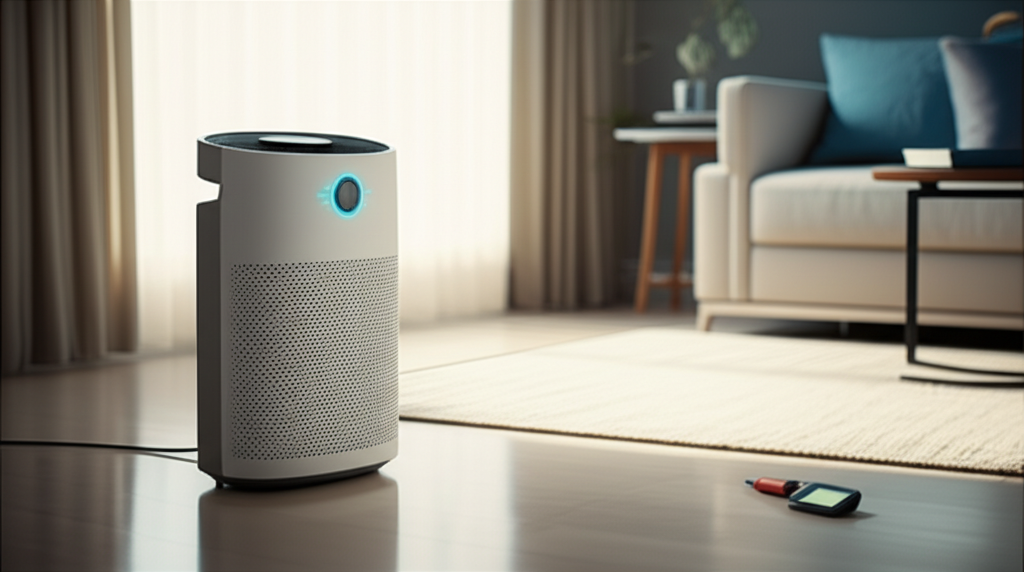
A True HEPA filter is the most critical component in an air purifier designed to combat mold spores. This certification means the filter can capture at least 99.97% of airborne particles as small as 0.3 microns. Since mold spores often fall within this size range, a True HEPA filter effectively traps them, preventing their circulation and re-settlement.
Activated Carbon Filters: Odor and Gas Neutralization
While HEPA filters capture the physical mold particles, activated carbon filters are vital for addressing the associated odors and volatile organic compounds (VOCs) that mold can produce. These filters work by adsorption, trapping gases and smells within their porous structure. This dual action ensures not only the removal of mold particles but also the elimination of that unpleasant musty scent.
Pre-filters: Extending Filter Life
A good pre-filter is the first line of defense, capturing larger particles like dust, hair, and pet dander. This layer protects the more sensitive HEPA and carbon filters from premature clogging, significantly extending their lifespan and maintaining the overall efficiency of the air purifier. It’s a simple yet highly effective feature for long-term performance.
CADR Rating: Room Size Matters
The Clean Air Delivery Rate (CADR) indicates how quickly an air purifier can clean a room of specific pollutants, including dust, smoke, and pollen. For mold spores, a higher CADR rating is generally better, especially for larger rooms. Ensure the CADR rating matches or exceeds the size of the area you intend to purify to guarantee effective air circulation and filtration.
Coverage Area: Matching Purifier to Space
Always check the manufacturer’s specified coverage area for the air purifier. This tells you the maximum room size the unit is designed to effectively clean. Using a purifier in a room larger than its recommended capacity will result in less efficient air cleaning and may not adequately address mold spore issues.
Top Air Purifiers for Mold Spores: Our Recommendations
After extensive research, we’ve identified several air purifiers that stand out for their effectiveness against mold spores, combining advanced filtration with user-friendly features. These models are designed to tackle airborne contaminants and promote a healthier indoor environment.
Coway Airmega 200M: All-Around Performance
The Coway Airmega 200M is a popular choice for its robust filtration system and excellent performance in medium to large rooms. It features a True HEPA filter, an activated carbon filter, and a washable pre-filter, making it a comprehensive solution for mold spore removal. Its smart features and quiet operation add to its appeal.
Levoit Core 300S: Compact Powerhouse
For smaller spaces or bedrooms, the Levoit Core 300S offers impressive performance in a compact design. It boasts a three-stage filtration system including a True HEPA filter, an activated carbon filter, and a fine preliminary filter. Its smart capabilities allow for app control, making it convenient to manage your air quality.
Blueair Classic 405: Energy Efficient Cleaning
Blueair purifiers are known for their innovative HEPASilent technology, which combines electrostatic and mechanical filtration for high efficiency and low noise. The Blueair Classic 405 is suitable for larger rooms and effectively captures mold spores, dust, and allergens. Its energy-saving design makes it an economical choice for continuous operation.
Winix 5500-2: Advanced Odor Control
The Winix 5500-2 is a highly-rated air purifier that excels in capturing airborne particles and neutralizing odors, making it an excellent option for homes dealing with mold. It features a True HEPA filter, an activated carbon filter, and PlasmaWave technology, which breaks down pollutants at a molecular level. Its auto mode and air quality sensor provide convenient, responsive operation.
How to Maximize Your Air Purifier’s Effectiveness Against Mold
Simply buying an air purifier isn’t enough; proper placement and maintenance are key to ensuring it works optimally to combat mold spores. Following these tips will help you get the most out of your investment in clean air.
Strategic Placement for Optimal Airflow
Place your air purifier in the room most affected by mold or where you spend the most time, such as bedrooms or living areas. Ensure there’s at least a foot of clearance around the unit to allow for unimpeded airflow. Avoid placing it directly against walls or furniture, which can restrict its ability to draw in and filter air effectively.
Regular Filter Maintenance is Key
HEPA and activated carbon filters have a limited lifespan and need regular replacement or cleaning. Check your manufacturer’s recommendations for filter change intervals, which typically range from 6 to 12 months for HEPA filters and 3 to 6 months for carbon filters, depending on usage and air quality. Some pre-filters are washable, saving on replacement costs.
Understanding Filter Replacement Indicators
Many modern air purifiers come with filter replacement indicators that alert you when it’s time for a change. Don’t ignore these signals. Dirty filters become less effective and can even become a breeding ground for mold themselves if not replaced promptly.
Combining Air Purification with Moisture Control
While air purifiers are excellent at removing existing mold spores, they don’t prevent mold growth. To truly combat mold, you must address the underlying moisture issues in your home. Use dehumidifiers in damp areas, fix leaks promptly, and ensure proper ventilation in bathrooms and kitchens to create an environment less hospitable to mold.
Air Purifier Technologies to Consider
Beyond the standard filtration, several advanced technologies can enhance an air purifier’s ability to tackle mold spores and improve overall air quality. Understanding these can help you make a more informed decision.
Ionizers and UV-C Light: Pros and Cons
Some air purifiers incorporate ionizers or UV-C light technology. Ionizers release charged ions that cause particles to clump together and fall, while UV-C light can kill mold spores and bacteria. However, ionizers can produce ozone, a lung irritant, so look for ozone-free models if you choose this feature. UV-C effectiveness can vary, and it’s crucial that the spores are exposed to the light for sufficient time.
The Importance of Ozone-Free Operation
Ozone is a known lung irritant and can exacerbate respiratory conditions. When selecting an air purifier, especially for mold spores, it’s crucial to opt for models that are certified as ozone-free. This ensures you’re improving your air quality without introducing a new health hazard.
Factors Influencing Air Purifier Performance
Several external factors can influence how well your air purifier performs its job of removing mold spores. Being aware of these helps you set realistic expectations and optimize its use.
Room Sealing and Ventilation Habits
The effectiveness of your air purifier is significantly impacted by how well your room is sealed and your ventilation habits. Keeping windows and doors closed while the purifier is running maximizes its efficiency by preventing new mold spores from entering. Conversely, regular ventilation is still important for fresh air exchange, so find a balance.
Airflow Dynamics within the Room
The way air circulates within a room plays a role in how effectively an air purifier can capture mold spores. Placing the unit in a central location or where there’s natural airflow can help draw contaminated air towards the purifier more efficiently. Avoid placing it in dead zones where air doesn’t move much.
Air Purifier Maintenance Schedule: A Quick Guide
Maintaining your air purifier is as important as choosing the right one. A consistent schedule ensures peak performance and longevity.
| Component | Frequency of Check/Action | Action |
| :————– | :———————— | :—————————————– |
| Pre-filter | Weekly/Bi-weekly | Vacuum or rinse to remove larger debris. |
| HEPA Filter | Every 6-12 months | Replace as per manufacturer’s recommendation. |
| Carbon Filter | Every 3-6 months | Replace as per manufacturer’s recommendation. |
| Sensors | Monthly | Gently wipe clean to ensure accuracy. |
| Exterior | As needed | Wipe down with a damp cloth. |
Frequently Asked Questions About Air Purifiers for Mold Spores
Here are some common questions beginners ask when looking for the best air purifiers for mold spores.
Can an air purifier completely eliminate mold?
An air purifier can significantly reduce the concentration of airborne mold spores, but it cannot completely eliminate mold. Mold needs moisture and a food source to grow on surfaces. Addressing these underlying issues is crucial for complete mold control.
How often should I run my air purifier for mold?
For optimal mold spore control, it’s recommended to run your air purifier continuously, especially in areas prone to mold or during seasons when mold counts are high. Running it 24/7 ensures constant air cleaning and removal of newly released spores.
Will an air purifier help with mold allergies?
Yes, by removing airborne mold spores and other allergens, an air purifier can help alleviate symptoms associated with mold allergies, such as sneezing, itchy eyes, and respiratory discomfort.
How do I know if my air purifier is working effectively for mold?
You’ll likely notice a reduction in that musty smell and a potential decrease in allergy symptoms. Many purifiers have air quality indicators that can show a decrease in particulate matter. Regular filter checks are also key; if they’re excessively dirty, the unit is working hard.
Can air purifiers prevent mold from growing?
Air purifiers do not prevent mold growth. They are designed to capture airborne mold spores. To prevent mold, you need to control humidity levels, fix leaks, and ensure proper ventilation.
What is the difference between a HEPA filter and a regular filter for mold?
A True HEPA filter is certified to capture 99.97% of particles 0.3 microns in size, including most mold spores. Regular filters are not as efficient and may not capture these tiny, problematic particles effectively.
Conclusion: Breathe Easier with the Right Air Purifier
Finding the best air purifiers for mold spores is a proactive step towards a healthier home environment. By understanding the importance of True HEPA and activated carbon filtration, considering CADR ratings and coverage areas, and committing to regular maintenance, you can effectively combat airborne mold spores. Remember that an air purifier is part of a larger strategy that also includes moisture control and good ventilation. Investing in a quality air purifier means investing in your family’s well-being, allowing you to breathe easier and live more comfortably.
