
Best Air Purifier for Pets and Mold: Proven Solution

Breathe easier with the best air purifier for pets and mold, a proven solution to common household allergens. This guide helps you choose a unit that effectively tackles pet dander, odors, and mold spores, ensuring a healthier home environment for everyone.
Introduction
Living with beloved pets and dealing with persistent mold can significantly impact your home’s air quality and your family’s well-being. Pet dander, fur, and odors are common irritants, while mold spores can trigger allergies and respiratory issues. Finding the right solution to combat both these challenges can feel overwhelming, but it’s entirely achievable. This article will guide you through selecting the best air purifier for pets and mold, offering practical advice and proven strategies to create a cleaner, fresher living space.
Why You Need the Best Air Purifier for Pets and Mold
A dedicated air purifier is essential for households with pets and potential mold issues. It actively removes airborne particles that traditional cleaning methods can’t reach, significantly improving indoor air quality. This not only alleviates allergy symptoms but also helps prevent the spread of mold spores and pet-related odors.
The Dual Threat: Pet Dander and Mold Spores
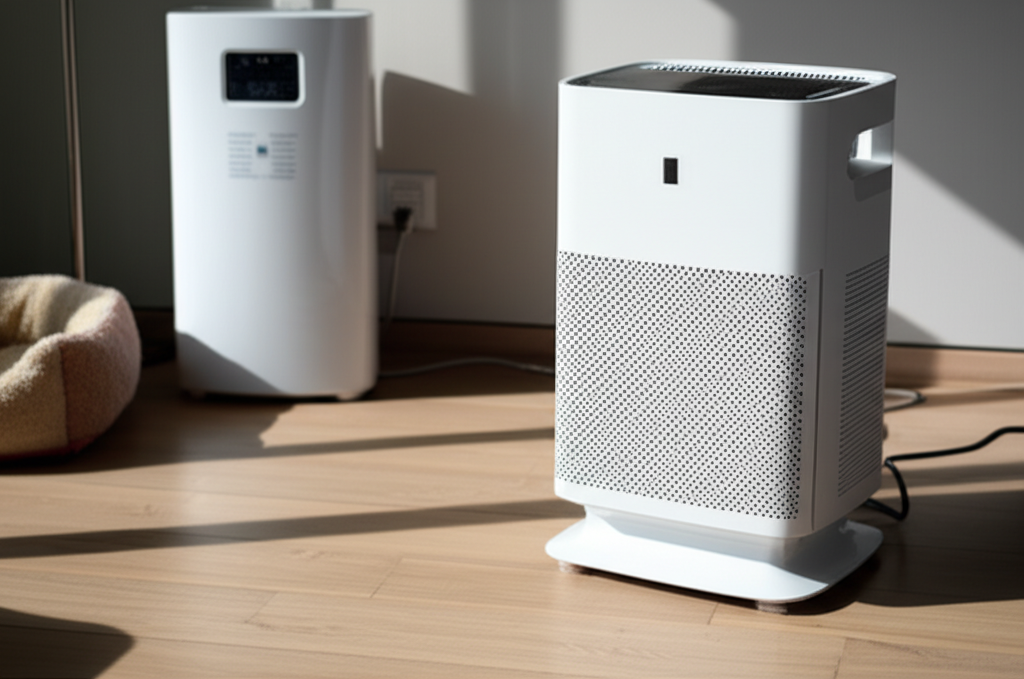
Pet dander, microscopic skin flakes, is a primary allergen for many. It, along with pet hair and dander-infused odors, circulates in the air, triggering sneezing, itching, and respiratory discomfort. Simultaneously, mold spores, invisible to the naked eye, can thrive in damp areas, releasing mycotoxins that are detrimental to health.
Common Household Sources of Mold
Understanding where mold originates is key to managing it. Bathrooms, kitchens, basements, and areas with poor ventilation are prime breeding grounds. Leaky pipes, condensation, and high humidity contribute to mold growth, making proactive air purification crucial.
Key Features to Look for in an Air Purifier for Pets and Mold
When choosing the best air purifier for pets and mold, specific features are non-negotiable. These components work together to capture a wide range of airborne contaminants effectively. Prioritizing these will ensure you get the most bang for your buck.
True HEPA Filtration: The Gold Standard
A True HEPA (High-Efficiency Particulate Air) filter is paramount. It’s certified to capture at least 99.97% of airborne particles as small as 0.3 microns, including pet dander, dust mites, pollen, and mold spores. This level of filtration is critical for allergy sufferers.
Activated Carbon Filters: Tackling Odors and VOCs
For pet odors and potential mold-related smells, an activated carbon filter is indispensable. This porous material effectively adsorbs gases, odors, and volatile organic compounds (VOCs) that HEPA filters cannot capture. The more carbon, the better it is at neutralizing smells.
Pre-filters: Capturing Larger Particles
A washable pre-filter is a valuable addition, as it captures larger particles like pet hair and dust bunnies. This protects the more sensitive HEPA and carbon filters, extending their lifespan and maintaining optimal performance. Regular cleaning of the pre-filter is essential.
Coverage Area and CADR Ratings
Ensure the air purifier is sized correctly for your room. Check the Clean Air Delivery Rate (CADR) for smoke, dust, and pollen, and the manufacturer’s recommended room size. A higher CADR means faster air cleaning. For best results, choose a unit rated for a slightly larger room than you have.
Noise Levels and Energy Efficiency
Consider the noise level, especially if the purifier will be in a bedroom or living area. Look for models with multiple fan speeds, including a quiet “sleep mode.” Energy efficiency is also important for long-term cost savings; look for ENERGY STAR certified models.
Top Air Purifier Technologies for Pet Owners and Mold Concerns
Several technologies are employed in air purifiers to tackle specific contaminants. Understanding these can help you make an informed decision about which best air purifier for pets and mold suits your needs. Each technology offers unique benefits.
HEPA and Activated Carbon Combination
This is the most common and effective combination for addressing both particulate matter and odors. The HEPA filter traps allergens, while the activated carbon tackles smells and gases, providing comprehensive air purification. This dual approach is ideal for multi-allergen households.
Ionizers and UV-C Light: Pros and Cons
Ionizers release negative ions that cause particles to clump and fall, while UV-C light can kill mold spores and bacteria. However, some ionizers can produce ozone, a lung irritant, so look for ozone-free models or units where the ionizer can be turned off. UV-C effectiveness can vary.
Choosing the Right Technology
For most pet owners and those concerned about mold, a combination of True HEPA and a substantial activated carbon filter is the most reliable and safest bet. Avoid purifiers that heavily rely on ozone generation. Always research independent lab tests and certifications.
How to Choose the Best Air Purifier for Pets and Mold: A Step-by-Step Guide
Selecting the right air purifier involves more than just picking a popular brand. Follow these steps to ensure you invest in a unit that effectively addresses your specific concerns for pet dander and mold. This methodical approach guarantees a better outcome.
Step 1: Assess Your Needs and Room Size
Determine which rooms are most affected by pet dander, odors, or potential mold. Measure the square footage of these spaces. This will help you select an air purifier with an appropriate coverage area and CADR rating.
Step 2: Prioritize Filtration Systems
Look for units featuring a True HEPA filter and a robust activated carbon filter. Consider the amount of activated carbon – more is generally better for odor control. A pre-filter is also highly beneficial for capturing pet hair.
Step 3: Research CADR and Room Coverage
Compare CADR ratings for smoke, dust, and pollen. Ensure the air purifier’s stated room coverage is suitable for your space. It’s often wise to slightly oversize the unit for more efficient and faster air cleaning.
Step 4: Read Reviews and Check Certifications
Seek out reviews from pet owners and individuals dealing with allergies or mold. Look for third-party certifications like AHAM (Association of Home Appliance Manufacturers) for CADR verification and ENERGY STAR for energy efficiency.
Step 5: Consider Maintenance and Running Costs
Factor in the cost and frequency of filter replacements. Some pre-filters are washable, saving money. Also, check the energy consumption, especially if the unit will run continuously.
Top Picks for the Best Air Purifier for Pets and Mold
Based on comprehensive research and user feedback, several models stand out for their effectiveness in tackling pet dander, odors, and mold spores. These units offer a proven solution for cleaner indoor air.
Coway Airmega 200M: A Powerful All-Rounder
The Coway Airmega 200M consistently receives high marks for its performance. It features a True HEPA filter and a robust activated carbon filter, effectively capturing pet allergens and odors. Its smart features and energy efficiency make it a top choice.
Levoit Core 300S: Compact and Effective
For smaller rooms, the Levoit Core 300S is an excellent option. It boasts a 3-stage filtration system including a True HEPA filter and an activated carbon filter, ideal for pet dander and mild odors. Its quiet operation and affordable price point are significant advantages.
Blueair Blue Pure 211+: High Capacity for Large Spaces
The Blueair Blue Pure 211+ is designed for larger rooms and offers impressive performance. Its unique HEPASilent technology combines electrostatic and mechanical filtration to capture fine particles, while the activated carbon filter addresses odors. It’s known for its high air-changing capacity.
Winix 5500-2: Advanced Filtration and Odor Control
The Winix 5500-2 is a popular choice for its comprehensive filtration, including True HEPA, activated carbon, and PlasmaWave technology (which can be turned off). It excels at removing pet dander, odors, and airborne pollutants, making it a strong contender for the best air purifier for pets and mold.
Understanding Air Purifier Maintenance for Optimal Performance
Regular maintenance is crucial for your air purifier to perform at its best, especially when dealing with stubborn pet odors and mold spores. Neglecting maintenance can reduce efficiency and even lead to secondary air quality issues.
Cleaning the Pre-filter
The pre-filter should be cleaned regularly, typically every 2-4 weeks, depending on usage and pet activity. Most pre-filters are washable; simply rinse them under water and allow them to dry completely before reinserting. This step is vital for prolonging the life of the main filters.
Replacing HEPA and Carbon Filters
HEPA and activated carbon filters are not washable and need replacement at recommended intervals, usually every 6-12 months. Check your manufacturer’s manual for specific timelines. Replacing these filters ensures continuous removal of allergens and odors.
Cleaning the Unit and Sensors
Wipe down the exterior of the air purifier with a damp cloth periodically. If your unit has air quality sensors, gently clean them according to the manufacturer’s instructions to ensure accurate readings and automatic adjustments.
Frequently Asked Questions About Air Purifiers for Pets and Mold
Here are answers to common questions about selecting and using the best air purifier for pets and mold. These address typical concerns and provide further clarity.
Can an air purifier completely eliminate pet dander and mold?
While an air purifier significantly reduces pet dander and mold spores, it cannot completely eliminate them. Consistent use, combined with regular cleaning and addressing the source of mold, is key for optimal results.
How often should I run my air purifier?
For best results, especially with pets and mold concerns, run your air purifier 24/7 on an appropriate setting. Many units have an auto mode that adjusts fan speed based on air quality, optimizing performance and energy use.
Are air purifiers noisy?
Air purifier noise levels vary by model and fan speed. Most units have a quiet “sleep” or “low” setting that is barely audible, making them suitable for bedrooms. Higher settings will naturally produce more sound.
What is ozone, and should I avoid it in air purifiers?
Ozone is a gas that can be harmful to the lungs. Some air purifiers, particularly those using ionizers, can produce small amounts of ozone. It’s generally recommended to choose ozone-free models or units where the ozone-generating feature can be disabled.
How do I know if my air purifier is working effectively?
You’ll notice a reduction in pet odors, less dust settling on surfaces, and potentially fewer allergy symptoms. Many modern purifiers also have indicator lights or app notifications that show air quality levels.
Can an air purifier help with damp, musty smells from mold?
Yes, air purifiers with activated carbon filters are highly effective at adsorbing and neutralizing musty smells associated with mold. Combined with a HEPA filter to trap spores, they provide a comprehensive solution for mold-related odors.
Conclusion: Investing in a Healthier Home Environment
Choosing the best air purifier for pets and mold is a proactive step toward a healthier, more comfortable living space. By prioritizing True HEPA filtration, effective activated carbon, and appropriate room coverage, you can significantly reduce allergens, odors, and mold spores. Remember that regular maintenance, including filter replacement and cleaning, is vital for sustained performance. Investing in a quality air purifier not only combats immediate issues but also contributes to long-term well-being for you, your family, and your furry companions. Breathe easier knowing you’ve made a proven choice for cleaner air.
