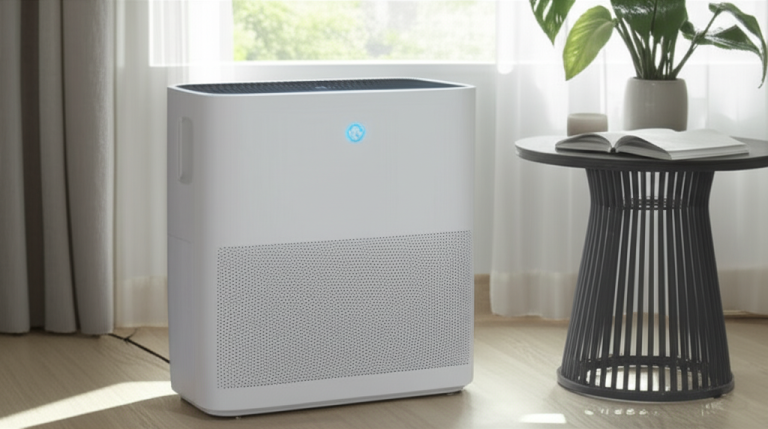
GermGuardian Vs Honeywell Air Purifier: Essential Choice

Choosing between a GermGuardian and a Honeywell air purifier is a crucial decision for your home’s air quality. This comparison dives deep into their features, performance, and value to help you make the essential choice for a healthier living space.
Breathing clean air at home is more important than ever. With concerns about allergens, pollutants, and even airborne viruses, many of us are turning to air purifiers. Two of the most popular brands you’ll encounter are GermGuardian and Honeywell. Both offer a range of models designed to improve your indoor environment, but which one is the right fit for you? This guide will break down the key differences, helping you navigate the choices and make an informed decision for your essential air purification needs.
GermGuardian vs Honeywell Air Purifier: The Core Differences
When comparing GermGuardian and Honeywell air purifiers, the primary distinctions lie in their filtration technology, price points, and specific features. GermGuardian often emphasizes its multi-stage filtration systems, including HEPA filters, and its UV-C light technology for germicidal action. Honeywell, a long-standing brand in home appliances, typically offers robust, well-built units with strong performance, often focusing on high CADR (Clean Air Delivery Rate) ratings and effective HEPA filtration.
GermGuardian units are frequently found at more budget-friendly price points, making them an accessible option for many households. Honeywell purifiers, while sometimes a bit pricier, are known for their durability and performance, often catering to larger spaces or those with more severe air quality concerns. Both brands offer models with activated carbon filters to combat odors and VOCs, but the effectiveness and quantity of this material can vary.
Understanding Air Purifier Filtration Technologies
The heart of any air purifier is its filtration system. Both GermGuardian and Honeywell utilize multi-stage filtration, which is key to capturing a wide range of airborne particles. A true HEPA filter is designed to capture 99.97% of airborne particles as small as 0.3 microns, including dust mites, pollen, pet dander, and mold spores.
Beyond HEPA, many models from both brands include an activated carbon pre-filter. This layer is crucial for absorbing odors from cooking, pets, and smoke, as well as trapping larger particles like hair and dust before they reach the HEPA filter, extending its life. Some GermGuardian models also feature a UV-C light that aims to kill airborne bacteria and viruses. While this technology can be effective, its overall impact depends on the bulb’s strength and the air’s contact time with the light.
GermGuardian Air Purifier: Key Features and Benefits
GermGuardian air purifiers are often recognized for their value and comprehensive filtration approach. Many of their popular models, like the GermGuardian AC4825, feature a 3-in-1 or 4-in-1 filtration system. This typically includes a pre-filter for larger particles, a true HEPA filter, and an activated carbon filter.
A standout feature for some GermGuardian units is the inclusion of a UV-C light. This germicidal light is intended to neutralize airborne microorganisms. For consumers seeking an affordable yet effective solution for common allergens and odors, GermGuardian presents a compelling choice. Their designs are often compact and suitable for medium-sized rooms, fitting well into various home decors.
Honeywell Air Purifier: Key Features and Benefits
Honeywell air purifiers are known for their powerful performance and robust build quality. They often boast high CADR ratings, indicating how quickly they can clean the air in a room, making them suitable for larger spaces or areas with significant air quality challenges. Many Honeywell models feature advanced HEPA filtration, capable of capturing very fine particles.
Honeywell also places a strong emphasis on odor reduction, with many units incorporating substantial activated carbon filters. The brand’s commitment to durability means their purifiers are often built to last, providing long-term air purification benefits. For those prioritizing raw cleaning power and reliability, especially in larger living areas or for individuals with severe allergies or asthma, Honeywell is a strong contender.
Performance Comparison: HEPA Filtration and CADR Ratings
When evaluating an air purifier’s effectiveness, the HEPA filter’s capability and the CADR rating are paramount. Both GermGuardian and Honeywell offer models with true HEPA filters, essential for capturing microscopic allergens and pollutants. However, the size of the HEPA filter and the overall air intake/output of the unit can influence performance.
CADR ratings, provided by AHAM (Association of Home Appliance Manufacturers), measure how quickly an air purifier can filter specific pollutants like smoke, dust, and pollen. Generally, Honeywell models tend to offer higher CADR ratings, especially in their larger units, suggesting they can clean the air in a given room more rapidly. While GermGuardian units are effective for their intended room sizes, Honeywell often excels in pure air-cleaning speed for larger areas.
Odor and VOC Control: Activated Carbon and Beyond
Controlling odors and volatile organic compounds (VOCs) is a significant benefit of air purifiers. Both GermGuardian and Honeywell incorporate activated carbon filters for this purpose. The effectiveness, however, can depend on the amount of activated carbon present in the filter.
Some users find that Honeywell’s larger units or specific models may have more substantial carbon filters, leading to superior odor elimination. GermGuardian also offers effective odor control, particularly in models designed for smaller to medium rooms. For households dealing with strong pet odors, cooking smells, or smoke, a purifier with a robust activated carbon layer is essential.
UV-C Light Technology: A GermGuardian Specialty
UV-C light technology is a feature more commonly associated with GermGuardian air purifiers. This technology uses ultraviolet light to kill or inactivate airborne bacteria, viruses, and mold spores. When air passes through the unit, it’s exposed to the UV-C light, which aims to neutralize these microorganisms.
While UV-C can be an added layer of protection, its effectiveness is debated. For it to work optimally, the air needs sufficient contact time with the light. Some studies suggest that for home air purifiers, the impact might be limited compared to the particle-capturing power of HEPA filters. Honeywell generally does not emphasize UV-C technology in its standard air purifier lines.
Price and Value: Which Offers Better Bang for Your Buck?
The price point is a major consideration for most consumers. GermGuardian typically offers more budget-friendly options, making advanced air purification accessible to a wider audience. You can often find effective GermGuardian models for under $150, providing a good balance of features and affordability.
Honeywell air purifiers can range from mid-tier to premium pricing, often reflecting their higher CADR ratings, larger capacities, and robust build. While they might represent a higher initial investment, their durability and powerful performance can offer excellent long-term value, especially for larger homes or those with significant air quality needs.
Design and User Experience: Aesthetics and Ease of Use
Both brands offer a variety of designs, from sleek, modern units to more utilitarian appliances. GermGuardian often features compact, tower-like designs that are easy to place in bedrooms or living rooms. Control panels are usually straightforward, with simple button interfaces for adjusting fan speed and filter indicators.
Honeywell purifiers also come in various styles, often emphasizing a clean, functional aesthetic. Many models include digital displays with detailed air quality readouts and intuitive controls. Features like filter replacement indicators and multiple fan speeds are common across both brands, ensuring a user-friendly experience.
Which Air Purifier is Right for You?
Deciding between a GermGuardian and a Honeywell air purifier ultimately depends on your specific needs and priorities. If you are on a tighter budget, looking for effective allergen removal in a medium-sized room, and perhaps intrigued by UV-C technology, a GermGuardian might be your ideal choice. They offer a solid performance for everyday air purification needs.
However, if you have a larger space to cover, require faster air cleaning, or are dealing with more severe air quality issues like strong odors or very high allergen levels, a Honeywell air purifier could be a better investment. Their higher CADR ratings and often more substantial filtration systems provide powerful performance and long-term reliability. Consider the size of your room, your primary concerns (allergens, odors, germs), and your budget when making your essential choice.
GermGuardian vs Honeywell Air Purifier: At a Glance
| Feature | GermGuardian | Honeywell |
| :——————– | :—————————————— | :——————————————— |
| Price Range | Generally more affordable | Mid-range to premium |
| Filtration | HEPA, Activated Carbon, often UV-C light | True HEPA, substantial Activated Carbon |
| CADR Ratings | Good for intended room sizes | Often higher, suitable for larger spaces |
| Odor Control | Effective, especially with carbon filters | Strong, due to often larger carbon filters |
| Target User | Budget-conscious, medium rooms, general use | Larger spaces, high-performance seekers |
| Durability | Good, especially for the price | Excellent, known for robust build |
| Unique Feature | UV-C germicidal light | High CADR, powerful performance |
Frequently Asked Questions About GermGuardian and Honeywell Air Purifiers
Q1: Do GermGuardian air purifiers really kill germs with UV-C light?
UV-C light technology in GermGuardian purifiers aims to neutralize airborne bacteria and viruses. While it can be an added layer of defense, its effectiveness in home settings can vary based on factors like air contact time.
Q2: Are Honeywell air purifiers good for large rooms?
Yes, many Honeywell air purifiers are designed for larger rooms and often feature higher CADR ratings, indicating their ability to clean the air in expansive spaces more quickly and efficiently.
Q3: How often do I need to replace filters for GermGuardian and Honeywell?
Filter replacement schedules vary by model and usage, but generally, HEPA filters need replacing every 6-12 months, and activated carbon filters every 3-6 months. Always check your specific model’s manual.
Q4: Can these air purifiers help with pet dander and allergies?
Absolutely. Both GermGuardian and Honeywell air purifiers, especially those with true HEPA filters, are excellent at capturing common allergens like pet dander, pollen, and dust mites, significantly improving air quality for allergy sufferers.
Q5: Which brand is better for smoke odor removal?
For strong smoke odors, a purifier with a substantial activated carbon filter is crucial. While both brands offer this, some larger Honeywell models might have more robust carbon filtration, potentially offering superior odor removal.
Q6: Is the initial cost of a Honeywell air purifier worth it?
If you need high performance for a larger space or have severe air quality concerns, the higher initial cost of a Honeywell purifier can be worth it due to its powerful cleaning capabilities, durability, and long-term effectiveness.
Conclusion: Making Your Essential Air Purification Choice
Choosing between a GermGuardian and a Honeywell air purifier involves weighing your specific needs against the strengths of each brand. GermGuardian offers an accessible entry into cleaner air with its budget-friendly options and added UV-C technology. For those prioritizing powerful performance, rapid air cleaning in larger spaces, and long-term durability, Honeywell stands out as a reliable and effective choice. By considering room size, primary air quality concerns like allergens or odors, and your budget, you can confidently select the air purifier that best suits your home and ensures you breathe easier.