
Dyson Air Purifier Smells Like Chemicals: Essential Fix

Experiencing a chemical smell from your Dyson air purifier? This guide provides essential fixes, covering filter issues, environmental factors, and maintenance tips to restore clean air and peace of mind.
It can be unsettling when your Dyson air purifier, designed to deliver pristine air, starts emitting a strange chemical smell. This common issue often arises from a combination of factors, leaving users concerned about air quality. Don’t worry; most causes are easily identifiable and resolvable with a few simple steps. We’ll walk you through diagnosing and fixing that chemical odor, ensuring your Dyson continues to perform as intended.
Why Does My Dyson Air Purifier Smell Like Chemicals?
A Dyson air purifier smelling like chemicals is often a sign that something in the purification process or the unit itself needs attention. This could range from new filter off-gassing to environmental contaminants being processed. Understanding the potential culprits is the first step towards resolving the issue and enjoying the clean air you expect.
New Filter Off-Gassing: A Common Initial Odor
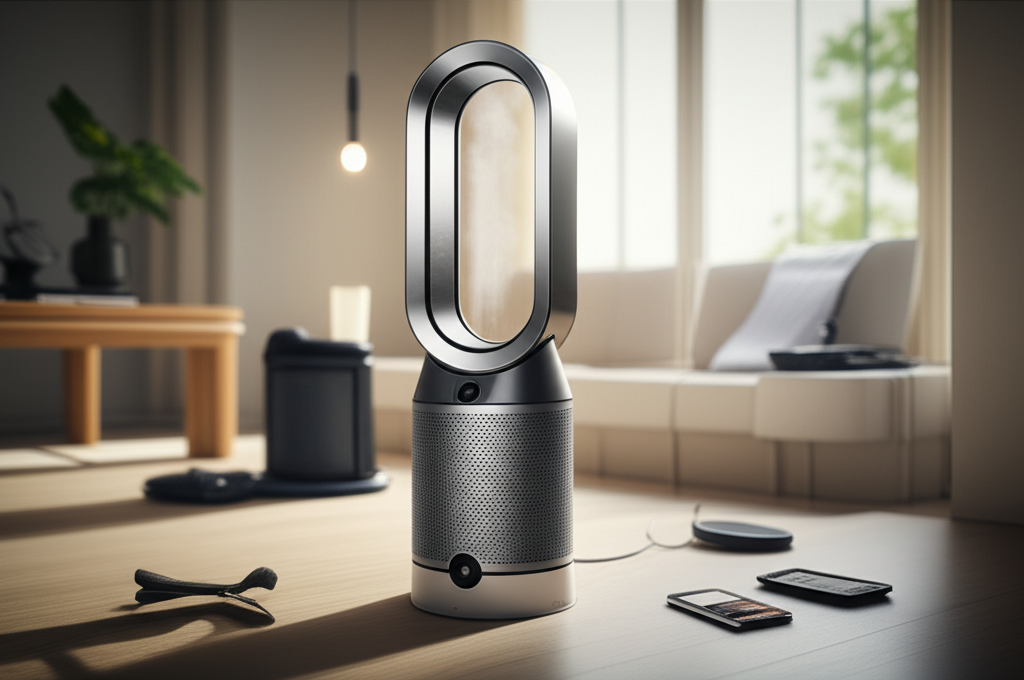
When you first install a new Dyson filter, it’s not uncommon to detect a faint chemical smell. This is often due to the materials used in the filter’s construction, such as activated carbon and HEPA media, which can release trace amounts of volatile organic compounds (VOCs) as they acclimate. This scent usually dissipates within a few days of operation.
Environmental Contaminants and Chemical Smells
Your Dyson air purifier works by drawing in air and filtering out pollutants. If the air surrounding the unit contains strong chemical odors from sources like new furniture, paints, cleaning products, or even perfumes, the purifier will capture these. The fan may then recirculate a less intense version of that smell, making it seem like the purifier itself is the source.
Accumulated Grime and Decomposing Particles
Over time, dust, pet dander, and other particles can accumulate within the Dyson air purifier’s housing and fan assembly. If these organic materials are exposed to moisture or warmth, they can begin to decompose, leading to musty or even chemical-like odors. Regular cleaning of the unit’s exterior and internal components is crucial to prevent this.
Filter Saturation and End-of-Life Issues
Dyson air purifiers have filters that have a finite lifespan. When a filter becomes saturated with pollutants, its ability to capture new contaminants diminishes. In some cases, a fully saturated filter might even start to release trapped odors back into the air, which can be perceived as a chemical smell.
Troubleshooting Steps for a Smelly Dyson Air Purifier
Addressing a chemical smell from your Dyson air purifier requires a systematic approach, starting with the most common and easiest fixes. By following these steps, you can effectively identify and eliminate the odor.
Step 1: Assess the Newness of Your Filter
If you’ve recently replaced the filter, give it some time to off-gas. Running the purifier on a medium setting for 24–48 hours in a well-ventilated room can significantly reduce any initial new-filter smell. Ensure the filter is correctly installed as per the manufacturer’s instructions.
Step 2: Check for Environmental Odor Sources
Walk around your Dyson air purifier and try to identify any strong smells in the immediate vicinity. Are there new carpets, freshly painted walls, or strong cleaning products being used nearby? Relocating the purifier away from these sources or ventilating the room thoroughly can help.
Step 3: Inspect and Clean the Pre-Filter
Many Dyson models feature a washable pre-filter designed to catch larger particles. If this pre-filter is clogged with dust and debris, it can trap odors and contribute to a chemical smell. Detach it and wash it gently with water, ensuring it’s completely dry before reattaching.
Step 4: Deep Clean the Dyson Unit
Turn off and unplug your Dyson air purifier. Use a soft, damp cloth to wipe down the exterior casing and the air intake/outlet vents. For the internal components, carefully consult your Dyson manual for specific cleaning instructions, as some parts may be accessible for gentle dusting.
Step 5: Run the Purifier in a Different Location
Sometimes, the issue isn’t with the purifier but with the air it’s drawing in. Moving the unit to another room for a day or two can help determine if the smell is localized to a specific area or a persistent problem with the device itself.
Step 6: Monitor Filter Life and Replacement Schedule
Dyson machines typically notify you when a filter needs replacing. If you’re experiencing odors and the unit hasn’t indicated a filter change, it’s still worth checking the filter’s condition visually. A heavily discolored or visibly dirty filter is a strong candidate for replacement.
When to Replace Your Dyson Air Purifier Filter
The lifespan of a Dyson filter varies depending on usage and air quality, but they generally need replacement every 6 to 12 months. Ignoring this schedule is a primary reason for diminished performance and potential odors.
Signs Your Filter Needs Replacement
Visible Dirt and Discoloration: A heavily soiled filter will appear gray or brown.
Reduced Airflow: If you notice significantly less air being expelled, the filter might be clogged.
Persistent Odors: As mentioned, a saturated filter can start to emit smells.
Filter Life Indicator: Your Dyson unit will typically display a notification when the filter reaches its end of life.
Replacing the filter is a straightforward process. Always use genuine Dyson replacement filters to ensure optimal performance and compatibility. You can find reputable sources for Dyson filters on the official Dyson website or authorized retailers.
Understanding Filter Materials and Potential Smells
Dyson filters, particularly the HEPA and activated carbon layers, are engineered to capture a wide range of airborne particles and gases. While highly effective, the materials themselves can sometimes be the source of initial odors.
| Filter Component | Function | Potential Odor Source | Resolution |
| :—————— | :———————————————— | :—————————————————- | :———————————————————————- |
| HEPA Layer | Captures fine particles like dust, pollen, mold. | Minimal; primarily physical capture. | Ensure proper seal; replace when saturated. |
| Activated Carbon | Adsorbs gases, VOCs, and odors. | Trace amounts of manufacturing residues; initial off-gas. | Run unit for 24-48 hours; ensure adequate ventilation during initial use. |
| Glass Fiber Media | Supports the HEPA layer and captures larger dust. | Generally inert; unlikely to cause odors. | Replace as part of the full filter unit when recommended. |
The activated carbon layer is most likely to contribute to initial smells due to its porous nature and the manufacturing processes involved. This is a normal part of the filter’s “break-in” period.
Advanced Cleaning and Maintenance Tips
Beyond routine filter replacement and cleaning, a few advanced maintenance practices can help keep your Dyson air purifier smelling fresh. These methods ensure the longevity and effectiveness of your device.
Regular Fan Blade Cleaning
The fan blades can accumulate dust over time, which can contribute to odors. If your Dyson model allows for safe access to the fan blades (check your manual!), gently clean them with a dry microfiber cloth or a soft brush. This is a task often overlooked but can significantly impact air quality.
Deodorizing the Unit (Caution Advised)
If a persistent chemical smell remains after thorough cleaning and filter replacement, some users have experimented with placing an open box of baking soda inside the unit (when unplugged and filters removed) for a few days. However, Dyson does not officially recommend this, and it carries a risk of introducing new particles or moisture. Proceed with extreme caution and only if other methods fail.
Using Essential Oils (Avoidance Recommended)
While some people might consider using essential oils to mask odors, this is generally not recommended for air purifiers. Essential oils are volatile organic compounds themselves and can clog the filters, damage the unit’s components, or even be released back into the air in a concentrated, potentially harmful form. Stick to methods that address the root cause of the smell.
When to Contact Dyson Support
If you’ve tried all the troubleshooting steps, replaced the filter with a genuine Dyson part, and your air purifier still smells like chemicals, it’s time to escalate. There might be an internal issue that requires professional attention.
Signs You Need to Contact Support
Persistent Chemical Smell: The odor doesn’t improve after several days of use and cleaning.
Unusual Noises: The purifier makes strange sounds in addition to smelling bad.
Error Messages: Your Dyson unit displays error codes related to performance or sensors.
Unit Overheating: The device feels excessively hot during operation.
When contacting Dyson support, have your model number and serial number ready. They can guide you through further diagnostics or arrange for repairs if necessary. You can typically find contact information on the official Dyson website for your region.
Frequently Asked Questions About Dyson Air Purifier Smells
Here are answers to some common questions about chemical smells from Dyson air purifiers.
Q1: Is it normal for a new Dyson air purifier to smell?
Yes, it’s often normal for a brand-new Dyson air purifier to have a slight chemical smell. This is usually due to the manufacturing process and materials in the new filters, especially activated carbon. The odor typically fades within a few days of normal operation.
Q2: How long does the chemical smell from a new filter last?
The chemical smell from a new filter usually dissipates within 24 to 72 hours of continuous use. Running the purifier on a medium to high setting in a well-ventilated room can help speed up this process.
Q3: Can my Dyson air purifier smell like chemicals if the air quality is bad?
Absolutely. If the air in your home contains strong chemical pollutants (VOCs) from sources like paints, cleaning supplies, or new furniture, your Dyson air purifier will capture them. While it’s doing its job, you might temporarily smell these captured chemicals, especially when the filters are nearing saturation.
Q4: What should I do if my Dyson air purifier smells musty?
A musty smell often indicates trapped moisture or organic debris. Ensure the pre-filter is clean and dry, and check for any accumulation of dust inside the unit. If the smell persists, it might be time to replace the main filter.
Q5: Can I wash my Dyson HEPA filter?
No, Dyson HEPA filters are not designed to be washed. Washing a HEPA filter can damage its delicate media, compromising its ability to capture fine particles and potentially leading to odors. Always replace them according to the manufacturer’s recommendations.
Q6: Does running my Dyson on a lower setting help with the smell?
Running your Dyson on a lower setting might make the smell less noticeable, but it won’t resolve the underlying issue. For initial off-gassing or to clear out environmental odors, a medium to high setting is generally more effective.
Conclusion: Restoring Fresh Air with Your Dyson
Experiencing a chemical smell from your Dyson air purifier can be concerning, but it’s usually a manageable issue. By understanding that new filters can have an initial odor, and that environmental factors or accumulated grime are common culprits, you can effectively troubleshoot. Regular maintenance, including timely filter replacement and unit cleaning, is key to preventing these smells.
If the problem persists after following these steps, don’t hesitate to reach out to Dyson’s excellent customer support for further assistance. With a little attention, your Dyson air purifier will be back to delivering the clean, fresh air you rely on. We hope this guide has provided the essential fixes you need to enjoy a healthier home environment.
