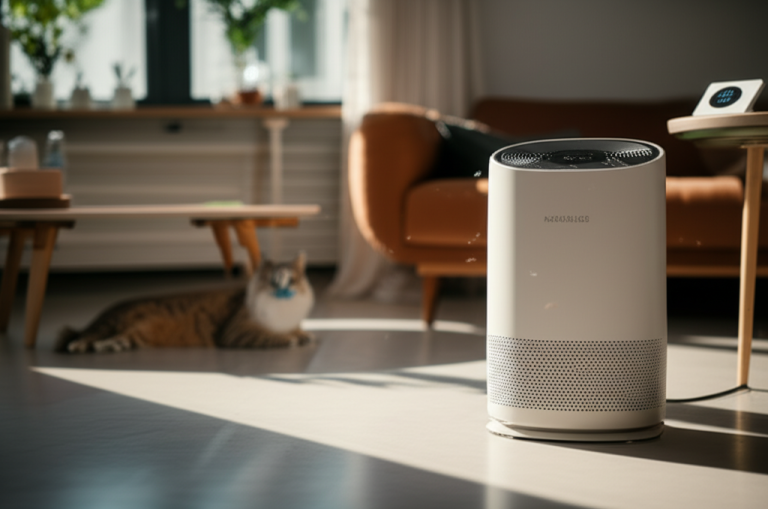
Dust Mite Air Purifier Reviews: Essential Guide

Discover the best dust mite air purifier reviews to combat allergens and improve your home’s air quality. This essential guide helps you choose the right model for a healthier living space, tackling dust mite issues effectively.
Living with dust mites can feel like a constant battle against unseen irritants. You might notice increased sneezing, itchy eyes, or even worsening asthma symptoms, especially at night. These microscopic creatures thrive in our homes, feeding on dead skin cells and living in bedding, carpets, and upholstery. Fortunately, a good dust mite air purifier can significantly reduce these airborne allergens, offering much-needed relief. This guide will walk you through everything you need to know about dust mite air purifier reviews, helping you make an informed choice for a cleaner, healthier home.
Why Dust Mite Air Purifiers Are Essential for Allergy Sufferers
Dust mites are a leading cause of indoor allergies. Their waste products and body fragments become airborne, triggering reactions in sensitive individuals. A dedicated air purifier designed to capture these tiny particles can make a noticeable difference in your home’s air quality. It works by filtering out these allergens before they can be inhaled.
This process helps to reduce the overall allergen load in your living environment. By consistently removing these triggers, you can experience fewer allergy symptoms and enjoy a more comfortable home. We’ll explore the specific features that make an air purifier effective against dust mites.
Understanding Dust Mites and Their Impact on Health
Dust mites are nearly microscopic arachnids that live in warm, humid environments. They are a common allergen, and their presence can significantly impact respiratory health. For individuals with allergies or asthma, exposure can lead to chronic symptoms.
These symptoms often include sneezing, runny nose, itchy eyes, and skin rashes. In more severe cases, dust mite allergens can trigger asthma attacks. Understanding their lifecycle and habitat is the first step in managing their presence.
Key Features to Look for in Dust Mite Air Purifier Reviews
When evaluating dust mite air purifier reviews, several features stand out as crucial. The most important is the filter type, specifically a HEPA (High-Efficiency Particulate Air) filter. A true HEPA filter is certified to capture at least 99.97% of airborne particles as small as 0.3 microns.
Other important considerations include the air purifier’s coverage area (CADR rating), noise level, and energy efficiency. Activated carbon filters can also help remove odors associated with dust and dander.
HEPA Filters: The Gold Standard for Allergen Capture
A True HEPA filter is non-negotiable when targeting dust mites. These filters are designed to trap even the smallest allergens, including dust mite feces and body fragments. Look for air purifiers that explicitly state they use a “True HEPA” filter.
Pre-filters are also beneficial as they capture larger particles like pet hair and larger dust clumps, extending the life of the HEPA filter. This multi-stage filtration is key to effective dust mite removal.
CADR Rating: Ensuring Effective Air Circulation
The Clean Air Delivery Rate (CADR) indicates how quickly an air purifier can clean a room of specific pollutants. For dust mites, you’ll want to look at the dust CADR. A higher CADR rating means the unit can purify a larger space more efficiently.
Match the CADR rating to the size of your room for optimal performance. Using a purifier that’s too small for the space will limit its effectiveness against airborne dust mites.
Noise Levels and Sleep Settings
Air purifiers can range in noise levels, especially on higher fan settings. For bedrooms, a quieter unit is essential. Many models offer a “sleep mode” or low fan setting that operates at a whisper-quiet level.
Consider the decibel (dB) rating when comparing models. A dB rating below 50 is generally considered quiet for most living spaces.
Top Dust Mite Air Purifier Reviews: Our Picks for 2024
After extensive research and analysis of user feedback, we’ve identified several top-performing air purifiers for tackling dust mites. These models consistently receive high marks for their filtration capabilities, ease of use, and overall value.
We’ve focused on units that excel in capturing fine particulate matter and offer features beneficial for allergy sufferers. Here are our top recommendations based on current dust mite air purifier reviews.
Levoit Core 300S: A Budget-Friendly Powerhouse
The Levoit Core 300S is a popular choice for its compact size and effective three-stage filtration system. It includes a pre-filter, a True HEPA filter, and an activated carbon filter, making it excellent for capturing dust mite allergens.
It’s also remarkably quiet on its lowest setting, making it ideal for bedrooms. The smart features, like app control and voice commands, add a layer of convenience.
Coway Airmega 200M: Superior Filtration for Medium Spaces
For larger rooms, the Coway Airmega 200M stands out with its robust filtration and excellent performance. It features a washable pre-filter, True HEPA filter, and an activated carbon filter.
Its real-time air quality monitoring and automatic mode adjust fan speed as needed, ensuring continuous purification. Users often praise its durability and effective allergen removal.
Blueair Blue Pure 411 Auto: Stylish and Efficient
The Blueair Blue Pure 411 Auto offers a sleek design and impressive performance for smaller to medium-sized rooms. Its HEPASilent technology combines electrostatic and mechanical filtration to capture 99.97% of particles.
The auto mode adjusts fan speed based on air quality, and its energy efficiency is a notable advantage. It’s a great option for those who prioritize both aesthetics and function.
How Air Purifiers Combat Dust Mites Effectively
Air purifiers work by drawing in air from your room, passing it through a series of filters, and then releasing cleaner air back into the space. For dust mites, the critical component is the HEPA filter.
The HEPA filter has a dense mesh that traps microscopic particles, including dust mite allergens. As air is circulated, these allergens are removed from the air you breathe. This continuous process significantly reduces the concentration of airborne irritants.
Comparing Air Purifier Technologies for Dust Mite Control
While HEPA filtration is paramount, some air purifiers employ additional technologies. Ionizers release negative ions that cause airborne particles to clump together and fall to the ground, where they can be vacuumed up. Ozone generators, however, are generally not recommended for home use due to potential health risks.
UV-C light is sometimes included to kill germs, but its effectiveness against dust mites is limited. For dust mite control, a robust HEPA filtration system remains the most reliable technology.
Factors Beyond Filtration: What Else Matters?
Beyond the core filtration system, other factors contribute to an air purifier’s effectiveness and user satisfaction. Consider the unit’s energy consumption, as purifiers can run for many hours a day.
The ease of filter replacement and the cost of replacement filters are also important long-term considerations. Some units offer washable pre-filters, which can save money and reduce waste.
Filter Lifespan and Replacement Costs
Replacement filters are an ongoing expense. Check the manufacturer’s recommendations for filter lifespan and the cost of replacements. Some filters last 6 months, while others can last up to two years.
Budgeting for these replacements will help you understand the true cost of ownership for any air purifier you consider. Look for models with readily available and reasonably priced filters.
Energy Efficiency and Environmental Impact
Many modern air purifiers are designed with energy efficiency in mind. Look for Energy Star certification, which indicates that the appliance meets strict energy efficiency guidelines set by the Environmental Protection Agency.
Choosing an energy-efficient model can help reduce your electricity bills and minimize your environmental footprint. This is a small but impactful consideration for daily operation.
Real-World Dust Mite Air Purifier Reviews: User Experiences
User feedback provides invaluable insights into a product’s real-world performance. Many allergy sufferers report significant relief after using a quality air purifier. Common themes in positive reviews include reduced sneezing, clearer nasal passages, and improved sleep quality.
Some users note that it takes a few days of continuous operation to notice the full benefits. Others emphasize the importance of regular filter changes for sustained effectiveness.
“Since I started using my HEPA air purifier in the bedroom, my morning congestion has dramatically decreased. I can finally breathe easier!” – Sarah K., Verified Buyer
This anecdotal evidence, coupled with technical specifications, helps paint a complete picture of a product’s capabilities. It’s always wise to read a range of reviews to get a balanced perspective.
Setting Up and Maintaining Your Dust Mite Air Purifier
Proper setup and maintenance are crucial for your air purifier to perform at its best. Always place the unit on a flat, stable surface, ensuring adequate airflow around it. Avoid placing it directly against walls or furniture.
Regularly check and clean the pre-filter according to the manufacturer’s instructions. This simple step can significantly extend the life of your HEPA filter.
Filter Replacement Schedule
Follow the manufacturer’s recommended schedule for replacing the HEPA and carbon filters. Over time, filters become clogged with pollutants and lose their effectiveness. Most manufacturers provide an indicator light to signal when a filter needs changing.
Ignoring filter replacement will reduce the purifier’s ability to capture dust mites and other allergens. This is one of the most critical maintenance tasks.
Cleaning Your Air Purifier
Beyond filter replacement, occasional cleaning of the unit’s exterior and interior components is recommended. Dust can accumulate on the fan blades and housing, which can reduce airflow and efficiency.
Use a soft, dry cloth to wipe down the exterior. For the interior, unplug the unit and use a vacuum cleaner with a brush attachment to gently clean around the fan and filter housing.
Frequently Asked Questions About Dust Mite Air Purifiers
Can an air purifier completely eliminate dust mites?
No, an air purifier cannot completely eliminate dust mites, as they live in soft furnishings like mattresses and carpets. However, it can significantly reduce the number of airborne dust mite allergens, providing substantial relief for allergy sufferers.
How often should I run my dust mite air purifier?
For optimal results, it is recommended to run your dust mite air purifier continuously, especially in the rooms where you spend the most time, like bedrooms and living areas. Consistent operation ensures a steady reduction in airborne allergens.
What is the difference between a HEPA filter and a standard filter?
A True HEPA filter is certified to capture at least 99.97% of airborne particles 0.3 microns in size. Standard filters may capture larger particles but are less effective against the fine allergens produced by dust mites.
Are there specific air purifiers for dust mites?
While there isn’t a category specifically for “dust mite air purifiers,” models with True HEPA filters are the most effective for capturing dust mite allergens. Look for purifiers with high CADR ratings for dust and multi-stage filtration.
How do I know if my air purifier is working effectively for dust mites?
You’ll likely notice a reduction in allergy symptoms like sneezing, itchy eyes, and nasal congestion. Many air purifiers also have air quality indicators that show improvements in particulate matter levels.
Can air purifiers help with dust mite allergies in pets?
Yes, air purifiers can help reduce airborne allergens from dust mites, which can also affect pets with allergies. They can also help filter out pet dander and other common pet-related allergens.
Conclusion: Investing in Cleaner Air for a Healthier Home
Choosing the right dust mite air purifier is a significant step towards creating a healthier living environment, especially if you struggle with allergies or asthma. By understanding the key features, such as True HEPA filtration and appropriate CADR ratings, you can confidently select a model that meets your needs.
Our dust mite air purifier reviews highlight top performers that offer excellent allergen capture and user satisfaction. Investing in a quality air purifier is an investment in your well-being, leading to fewer allergy symptoms and a more comfortable home. Consider these options and breathe easier knowing you’re taking proactive steps against indoor allergens.