Best HEPA Air Purifiers For Bedroom: Essential Sleep

Find the best HEPA air purifiers for your bedroom to dramatically improve sleep quality by removing allergens, dust, and pollutants, creating a healthier, more restful environment.
Breathing clean air in your bedroom is more than just a luxury; it’s fundamental to achieving truly restorative sleep. Many of us struggle with restless nights, allergies, or that general feeling of stuffiness without realizing the culprit might be the very air we breathe. Invisible particles like dust, pollen, pet dander, and even volatile organic compounds (VOCs) can disrupt our sleep cycles and impact our overall well-being. This guide will walk you through selecting the best HEPA air purifiers for your bedroom, transforming it into a sanctuary for deep, healthy sleep.
Why a HEPA Air Purifier is Crucial for Bedroom Sleep
A HEPA air purifier is essential for bedroom sleep because it actively removes microscopic pollutants that can trigger allergies, asthma, and other respiratory issues, leading to a more peaceful and uninterrupted night’s rest. By trapping these irritants, it creates a cleaner, healthier breathing environment.
Many people experience symptoms like sneezing, coughing, or a stuffy nose upon waking, attributing it to poor sleep habits rather than airborne contaminants. A HEPA filter, designed to capture at least 99.97% of particles 0.3 microns in size, is incredibly effective at tackling these common bedroom allergens. This means less irritation for your airways and a better chance for your body to relax and repair itself overnight. Investing in a quality HEPA air purifier is a direct investment in your sleep health.
Understanding HEPA Filters: The Gold Standard for Clean Air
HEPA (High-Efficiency Particulate Air) filters are the gold standard for air purification due to their rigorous standards for capturing tiny airborne particles, making them highly effective for allergy sufferers and anyone seeking cleaner bedroom air. These filters are engineered to trap a vast majority of microscopic irritants.
The definition of a true HEPA filter is quite specific: it must remove at least 99.97% of airborne particles that are 0.3 micrometers (µm) in diameter. This size is considered the most penetrating particle size (MPPS), meaning if a filter can capture particles at this size, it’s also highly efficient at capturing larger and even some smaller particles. This makes them ideal for removing common bedroom culprits like dust mites, pollen, mold spores, and pet dander.
Key Features to Look For in a Bedroom HEPA Air Purifier
When choosing the best HEPA air purifiers for your bedroom, prioritize features that enhance effectiveness, convenience, and quiet operation to ensure an undisturbed sleep environment. Look for units specifically designed for room size and noise levels.
Here are the essential features to consider:
True HEPA Filter: Ensure the purifier explicitly states it uses a “True HEPA” filter, not just a HEPA-like or HEPA-type filter, which may not meet the same rigorous standards.
CADR (Clean Air Delivery Rate): This rating indicates how quickly the purifier can clean a room of smoke, dust, and pollen. Match the CADR to your bedroom’s square footage.
Room Size Coverage: Manufacturers usually specify the recommended room size for their purifiers. Choose one that comfortably fits your bedroom’s dimensions.
Noise Level (dB): For bedrooms, low noise operation is paramount. Look for models with a “sleep mode” or a decibel (dB) rating below 50 dB on their lowest setting.
Activated Carbon Filter: This layer is crucial for removing odors, gases, and VOCs, which can also disrupt sleep.
Pre-filter: A washable pre-filter captures larger particles like hair and lint, extending the life of the HEPA filter.
Smart Features: Wi-Fi connectivity, app control, and air quality sensors can offer convenience and real-time monitoring.
Filter Replacement Indicator: This feature takes the guesswork out of when to replace your filters.
Selecting a purifier with these features ensures you get the most out of your investment for a healthier bedroom.
Top HEPA Air Purifiers for Enhanced Bedroom Sleep: Our Picks
After extensive research and considering user feedback, here are some of the best HEPA air purifiers specifically chosen for their effectiveness, quiet operation, and suitability for bedroom environments. These models consistently rank high for improving sleep quality.
1. Coway Airmega AP-1512HH Mighty
The Coway Airmega AP-1512HH Mighty is a standout choice for bedrooms, offering a powerful yet quiet performance that effectively tackles allergens and odors, making it one of the best HEPA air purifiers for bedroom use. Its compact design and advanced filtration system make it an excellent value.
This unit features a multi-stage filtration system, including a washable pre-filter, an activated carbon filter, and a True HEPA filter. Its intelligent auto mode adjusts fan speed based on real-time air quality, ensuring optimal performance without constant manual intervention. Users praise its quiet operation, especially on lower settings, making it ideal for light sleepers. The filter replacement indicator adds to its user-friendly design.
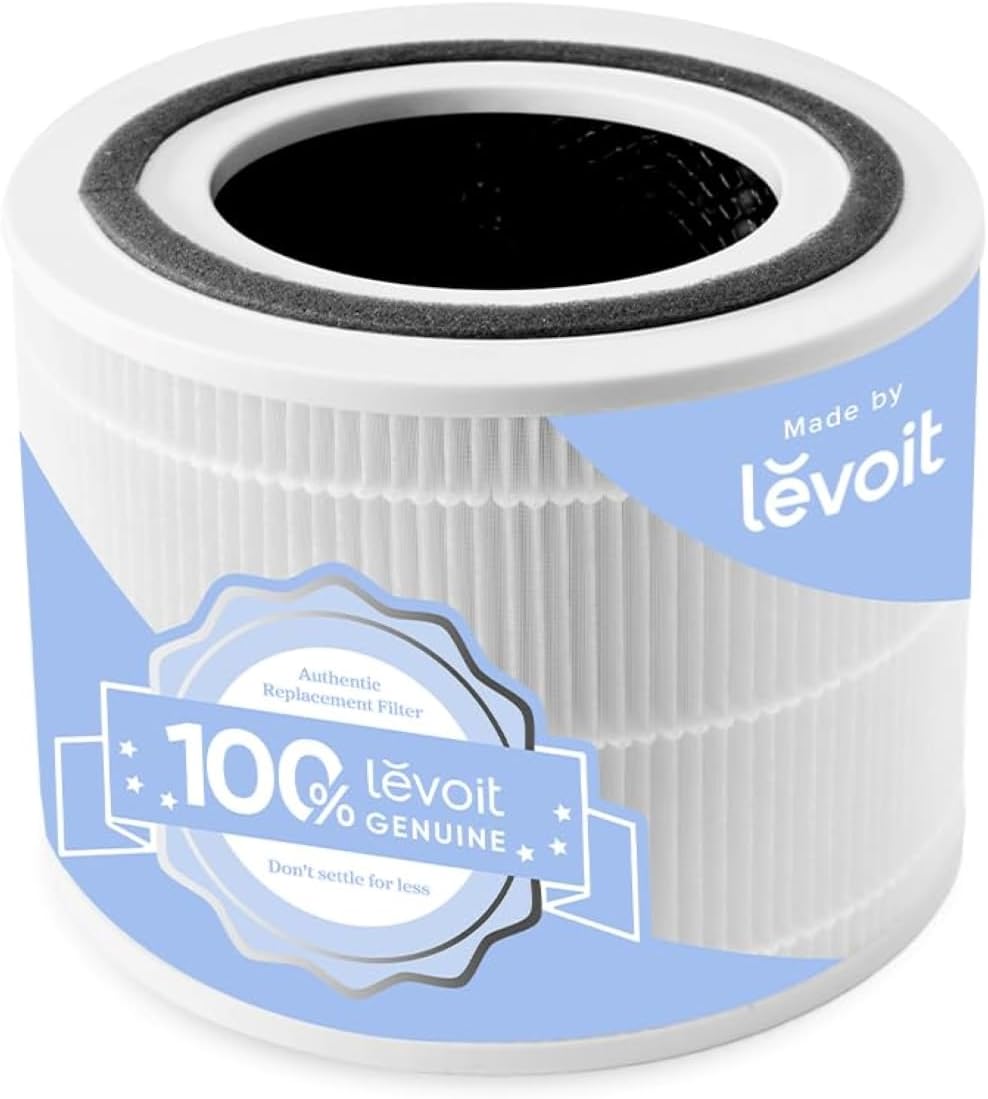
2. Levoit Core 300S Smart True HEPA Air Purifier
For those seeking smart features and effective purification in a compact package, the Levoit Core 300S is an excellent option, making it a strong contender for the best HEPA air purifiers for bedroom environments. It balances performance with modern convenience.
The Core 300S boasts a 3-stage filtration system: a pre-filter, a True HEPA filter, and an activated carbon filter. Its cylindrical design allows for 360-degree air intake, maximizing coverage. The “QuietKEAP Technology” ensures noise levels as low as 24dB on sleep mode, which is quieter than a whisper. You can control it via the VeSync app, set schedules, and receive filter life notifications.
3. Winix 5500-2 Air Purifier with True HEPA Filter
The Winix 5500-2 is a highly recommended model for bedrooms, known for its comprehensive filtration and effective odor removal, solidifying its place among the best HEPA air purifiers for bedroom sleep. It offers robust purification at a competitive price point.
This air purifier includes a True HEPA filter, an activated carbon filter, and Winix’s PlasmaWave technology, which can be turned on or off. PlasmaWave works to break down airborne pollutants at a molecular level without producing harmful ozone. Its auto mode and air quality sensor ensure it operates efficiently, adapting to changing conditions. The unit is relatively quiet, particularly on its lowest settings, making it suitable for night use.
4. Blueair Blue Pure 411 Auto
The Blueair Blue Pure 411 Auto is a minimalist yet powerful option, perfect for smaller bedrooms where space and aesthetics are a concern, proving itself as one of the best HEPA air purifiers for bedroom settings. Its simple operation and high efficiency are notable.
This purifier uses Blueair’s HEPASilent technology, which combines electrostatic and mechanical filtration to achieve high particle removal rates with low noise. It effectively captures dust, pollen, and pet dander. The Auto version features an air quality sensor and an auto mode that adjusts fan speed accordingly. Its single-button control and easily replaceable filter make it incredibly user-friendly.
5. Honeywell HPA300
The Honeywell H300 is a robust choice for larger bedrooms or those with significant allergen concerns, offering powerful filtration and excellent performance, positioning it as a top contender for the best HEPA air purifiers for bedroom environments. It’s designed for effectiveness.
This model features a True HEPA filter and an activated carbon pre-filter to capture a wide range of pollutants, from microscopic particles to odors and VOCs. It’s designed for medium to large rooms and has a high CADR rating. While not the quietest on its highest settings, it offers several fan speeds, including a lower, quieter option suitable for nighttime. Its straightforward controls and filter replacement indicator add to its appeal.
How to Choose the Right Size and Capacity for Your Bedroom
Selecting the correct size and capacity for your bedroom HEPA air purifier is crucial for optimal performance and ensuring you get the most value from your purchase. An undersized unit will struggle to clean the air effectively, while an oversized one might be unnecessarily noisy or expensive.
The key metric to consider is the CADR (Clean Air Delivery Rate). This is a standardized rating that measures how quickly an air purifier can remove specific pollutants like smoke, dust, and pollen from a room. Higher CADR ratings mean faster and more effective air cleaning.
Most air purifier manufacturers provide a recommended room size coverage for their units. This is usually based on achieving a certain number of air changes per hour (ACH). For bedrooms, aiming for at least 4-5 ACH is ideal for allergy sufferers and those seeking the cleanest possible air for sleep. This means the air in the room is fully filtered 4 to 5 times every hour.
Here’s a simple guide to matching CADR to room size:
| Room Size (sq ft) | Recommended CADR (Smoke) |
| :—————- | :———————– |
| 100-150 | 50-75 |
| 150-250 | 75-120 |
| 250-350 | 120-175 |
| 350-500 | 175-250 |
Note: This is a general guideline. Always check the manufacturer’s specific recommendations for the unit you are considering, as different purification technologies and designs can affect performance.
Consider your bedroom’s specific needs. If you have pets, severe allergies, or live in an area with high pollution, you might opt for a unit with a higher CADR than strictly recommended for the room size, allowing it to run on lower, quieter settings more often.
Noise Levels: Finding a Quiet Purifier for Undisturbed Sleep
The noise level of an air purifier is a critical factor for bedroom use, as even a slight hum can disrupt sleep for sensitive individuals. When looking for the best HEPA air purifiers for your bedroom, prioritize models with low decibel (dB) ratings, especially on their lowest settings or in designated “sleep modes.”
Decibel ratings measure sound intensity. For context, a whisper is around 30 dB, normal conversation is about 60 dB, and a library is typically around 40 dB. For a bedroom air purifier, aim for units that operate below 50 dB on their lowest setting. Many high-quality models offer a “sleep mode” that significantly reduces fan speed and often turns off indicator lights, bringing the noise level down to a barely perceptible 20-30 dB.
Here’s a quick comparison of common noise levels:
20-30 dB: Very quiet, comparable to rustling leaves or a whisper. Ideal for bedrooms.
30-40 dB: Quiet, like a library. Generally acceptable for most people.
40-50 dB: Noticeable but often tolerable, like a quiet refrigerator.
50+ dB: Can be disruptive to sleep for many.
When comparing models, look for the decibel rating at each fan speed, not just the lowest. Some purifiers might be quiet on their lowest setting but become quite loud on higher speeds, which you might need to use occasionally for a quick air refresh. Reading user reviews can also provide real-world insights into how noisy a purifier actually is in a bedroom setting.
The Importance of Activated Carbon Filters for Odor and VOC Removal
While True HEPA filters excel at capturing particulate matter, an activated carbon filter is essential for a truly comprehensive air purification solution in the bedroom, addressing odors, gases, and volatile organic compounds (VOCs) that can impact sleep quality. These invisible threats are often overlooked but can significantly affect your breathing comfort.
Activated carbon, also known as activated charcoal, is a highly porous material with an incredibly large surface area. This structure allows it to adsorb (chemically bind) a wide range of airborne gases, odors, and VOCs that HEPA filters cannot capture. VOCs are emitted from common household items like paints, cleaning products, furniture, and even air fresheners. In a confined space like a bedroom, these can build up and cause headaches, dizziness, and respiratory irritation, all of which hinder restful sleep.
An activated carbon filter is particularly beneficial for:
Eliminating pet odors: If you have pets sharing your bedroom, this is a must-have.
Reducing cooking smells: If your bedroom is near the kitchen, it can help clear lingering food odors.
Neutralizing smoke odors: Effective for smokers or homes where smoke is present.
Absorbing VOCs: Crucial for removing chemical off-gassing from new furniture or renovations.
Minimizing off-putting smells: From perfumes, detergents, or even natural sources.
Many of the best HEPA air purifiers for bedroom use combine a True HEPA filter with a substantial activated carbon layer. This dual approach ensures that both microscopic particles and gaseous pollutants are effectively removed, creating the freshest possible air for a night of deep, uninterrupted sleep.
Understanding Air Changes Per Hour (ACH) and Its Impact on Sleep
Air Changes Per Hour (ACH) is a vital metric that indicates how effectively an air purifier can cycle and clean the air within a specific room size, directly impacting the quality of air you breathe during sleep. A higher ACH means the air is being filtered more frequently, leading to a cleaner and healthier bedroom environment.
ACH refers to the number of times the air purifier completely circulates and filters the entire volume of air in a room within one hour. For example, an ACH of 5 means the air purifier filters the room’s air five times every hour. This rapid circulation is crucial for continuously removing allergens, dust, and other airborne irritants that are constantly being released into the air.
Why is a high ACH important for your bedroom?
Allergen Control: For individuals with allergies or asthma, a higher ACH (ideally 4-5 or more) is essential for significantly reducing exposure to triggers like pollen, dust mites, and pet dander throughout the night.
Pollutant Removal: It ensures that any new pollutants introduced into the room, such as VOCs or odors, are quickly captured and removed.
Consistent Air Quality: A higher ACH provides a more consistent level of clean air, preventing the buildup of irritants that can lead to breathing difficulties or sleep disturbances.
Faster Air Freshening: If you’ve recently used strong-smelling products or have lingering odors, a unit with a higher ACH will clear the air much faster.
When selecting the best HEPA air purifiers for your bedroom, always check the manufacturer’s stated ACH for your room size. Don’t just rely on the square footage coverage alone, as ACH provides a more precise understanding of the purifier’s actual cleaning power within that space. Aiming for a unit that can achieve at least 4-5 ACH in your bedroom will contribute significantly to a healthier and more restful sleep.
Maintenance: Keeping Your HEPA Air Purifier Running Efficiently
Proper maintenance is key to ensuring your HEPA air purifier continues to deliver optimal performance and clean air for your bedroom, ultimately supporting better sleep. Neglecting maintenance can reduce efficiency and even shorten the lifespan of the unit and its filters.
Regular cleaning of the pre-filter is one of the most important maintenance tasks. Most purifiers have a washable pre-filter designed to catch larger particles like hair and lint. Cleaning this filter every 2-4 weeks (depending on usage and air quality) prevents these larger particles from reaching and clogging the more expensive HEPA and carbon filters. This extends the life of the primary filters.
Here’s a general maintenance checklist:
Clean the Pre-filter: Washable pre-filters should be rinsed or vacuumed regularly. Allow them to dry completely before reinserting.
Replace HEPA Filters: True HEPA filters are not washable and need to be replaced according to the manufacturer’s recommendations, typically every 6-12 months. Look for the filter replacement indicator light on your unit.
Replace Activated Carbon Filters: These also need periodic replacement, often coinciding with HEPA filter changes, though some units have separate schedules.
Wipe Down the Exterior: Occasionally, wipe the outside of the purifier with a soft, dry cloth to keep it clean.
Check the Sensor: If your unit has an air quality sensor, gently clean it periodically with a dry cotton swab to ensure accurate readings.
Always refer to your specific air purifier’s manual for detailed maintenance instructions. Following these simple steps will ensure your chosen purifier remains one of the best HEPA air purifiers for your bedroom, consistently providing clean, fresh air for your sleep.
Are HEPA Air Purifiers Worth It for Bedroom Allergies?
Absolutely, HEPA air purifiers are incredibly worth it for bedroom allergies, as they directly target and remove the microscopic allergens that trigger symptoms, creating a significantly healthier environment for restful sleep. For allergy sufferers, the bedroom is often the primary battleground against irritants.
During the day, allergens like pollen can enter the room, and dust mites and pet dander accumulate on surfaces and in the air. Without an air purifier, these particles remain suspended, ready to be inhaled during sleep, leading to congestion, sneezing, itchy eyes, and disrupted rest. A True HEPA filter is designed to capture at least 99.97% of particles as small as 0.3 microns, which includes common allergens such as:
Pollen
Dust mite debris
Pet dander and saliva
Mold spores
* Fine dust particles
By removing these triggers from the air, a HEPA air purifier can dramatically reduce allergy symptoms experienced at night and upon waking. This leads to less inflammation in the airways, easier breathing, and ultimately, more restorative sleep. For anyone struggling with seasonal or year-round allergies, investing in one of the best HEPA air purifiers for your bedroom is a highly effective strategy for improving health and sleep quality.
Frequently Asked Questions About Bedroom Air Purifiers
Q1: How often should I run my HEPA air purifier in the bedroom?
It’s generally recommended to run your HEPA air purifier continuously in the bedroom, especially when you are sleeping, to maintain optimal air quality. Many models have energy-saving auto modes or sleep modes that can be used overnight.
Q2: Can a HEPA air purifier help with snoring?
While a HEPA air purifier doesn’t directly treat the cause of snoring, it can help alleviate symptoms related to allergies or congestion that might worsen snoring. By clearing irritants, it can lead to easier breathing, which may indirectly reduce snoring for some individuals.
Q3: How do I know if my air purifier is working effectively?
You can often tell if your air purifier is working by noticing a reduction in dust accumulation, fewer allergy symptoms, and a fresher smell in the room. Many modern units also have air quality sensors that display the current air quality level, providing real-time feedback.
Q4: What’s the difference between a HEPA filter and a HEPA-type filter?
A “True HEPA” filter meets stringent standards set by the U.S. Department of Energy, capturing at least 99.97% of airborne particles 0.3 microns in size. A “HEPA-type” or “HEPA-like” filter may capture a similar percentage of particles but often at a larger size, or it may not meet the same efficiency standards. Always look for “True HEPA” for the best results.
Q5: Can air purifiers remove viruses and bacteria from the bedroom?
True HEPA filters are highly effective at capturing airborne particles, including many bacteria and viruses which are often attached to larger particles like dust or water droplets. While they can reduce the concentration of these pathogens, they are not a substitute for proper hygiene and disinfection.
Q6: How much does a good HEPA air purifier for a bedroom cost?
The cost of a good HEPA air purifier for a bedroom can range from $80 to $300 or more, depending on the brand, features, room size coverage, and filtration technology. Mid-range models often offer the best balance of performance and affordability.
Conclusion: Breathe Easier, Sleep Deeper with the Right Air Purifier
Investing in one of the best HEPA air purifiers for your bedroom is a proactive step towards significantly enhancing your sleep quality and overall well-being. By effectively removing allergens, dust, pet dander, odors, and VOCs, these devices create a cleaner, healthier sanctuary for rest. Prioritizing features like True HEPA filtration, appropriate room size coverage, quiet operation, and activated carbon filters will ensure you make the most informed choice. Remember to consider maintenance to keep your purifier running at peak performance. Ultimately, a good HEPA air purifier in your bedroom means breathing easier and sleeping deeper, night after night.