Best Air Purifier For Home Allergies: Proven Relief

Struggling with home allergies? Discover the best air purifier for home allergies to breathe easier. This guide covers essential features, top picks, and expert tips for proven relief, transforming your living space into an allergen-free sanctuary.
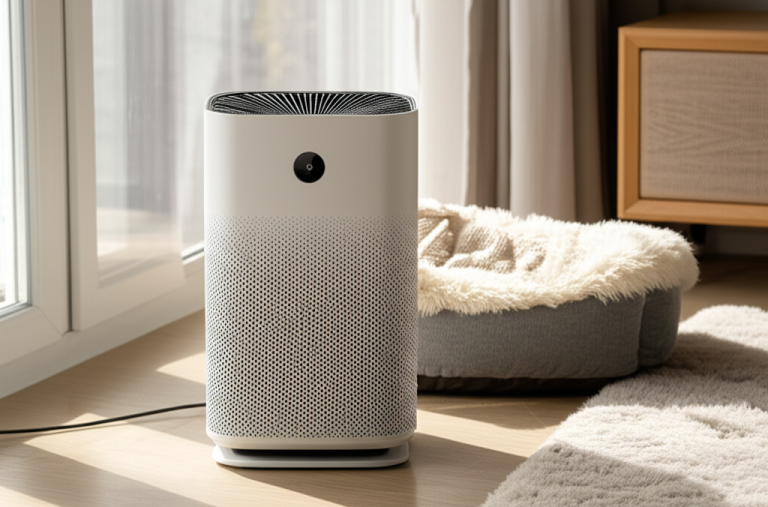
Living with allergies can make your own home feel like a battlefield. Sneezing, itchy eyes, and congestion shouldn’t be the norm when you’re trying to relax. Fortunately, the right air purifier can significantly reduce airborne allergens like pollen, dust mites, pet dander, and mold spores. This guide will help you find the best air purifier for home allergies, offering proven relief and a breath of fresh air.
Why Air Purifiers Are Essential for Allergy Sufferers
Air purifiers are crucial for allergy sufferers because they actively remove microscopic irritants from your indoor environment. These particles, often invisible to the naked eye, can trigger uncomfortable and persistent allergic reactions. By trapping these allergens, an air purifier creates a healthier living space. Investing in one means investing in your comfort and well-being.
Understanding Air Purifier Technologies for Allergies
Different air purification technologies tackle allergens in unique ways. Understanding these methods helps you choose the most effective device for your specific needs. Each technology offers distinct benefits in combating airborne irritants.
HEPA Filters: The Gold Standard for Allergy Relief
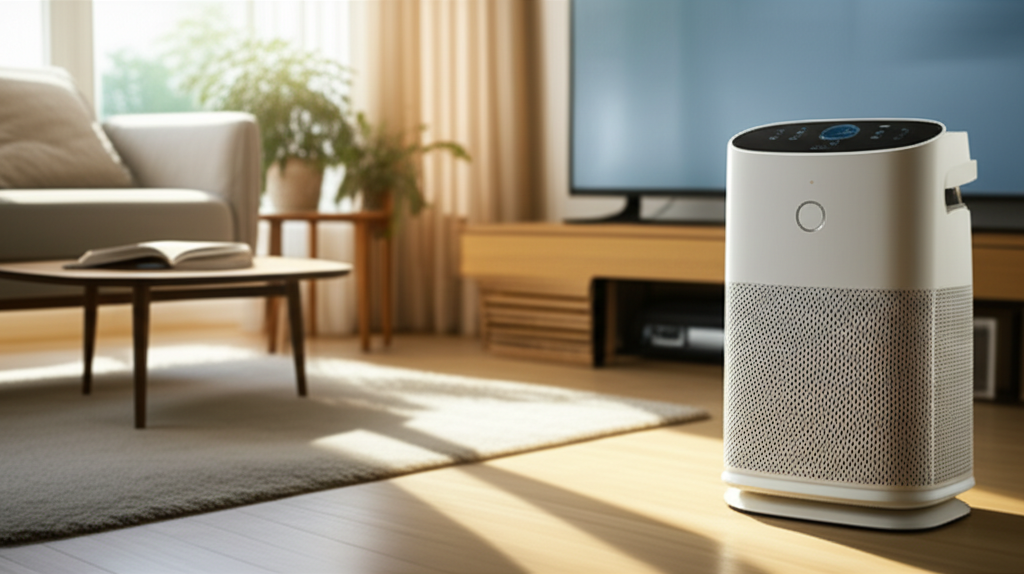
High-Efficiency Particulate Air (HEPA) filters are the most critical component for allergy sufferers. True HEPA filters are certified to capture at least 99.97% of airborne particles as small as 0.3 microns. This includes common allergens like pollen, dust mites, pet dander, and mold spores. They work by physically trapping these particles as air passes through the filter.
Key Benefits of HEPA Filters:
Captures microscopic allergens effectively.
Reduces common triggers for asthma and allergies.
Proven to be highly efficient in clinical studies.
Activated Carbon Filters: Tackling Odors and VOCs
While HEPA filters capture particles, activated carbon filters are designed to absorb gases, odors, and volatile organic compounds (VOCs). These can include pet odors, cooking smells, and chemicals released from household products. A good air purifier for allergies often combines HEPA and activated carbon filtration for comprehensive air cleaning. This dual approach ensures both particulate and gaseous pollutants are addressed.
Other Filtration Methods: Ionizers and UV-C Light
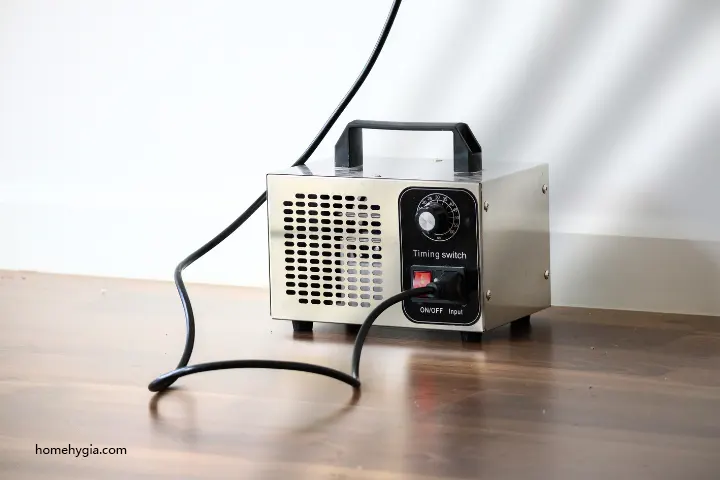
Ionizers release negative ions that attach to airborne particles, causing them to clump together and fall out of the air. UV-C light is used to kill airborne bacteria, viruses, and mold spores. While these technologies can be beneficial, some ionizers can produce ozone, which can be an irritant for sensitive individuals. Always check for ozone-free certifications if considering an ionizer.
Key Features to Look for in the Best Air Purifier for Home Allergies
When selecting an air purifier, several features directly impact its effectiveness for allergy relief. Prioritizing these will ensure you get the most out of your investment. These features are designed to maximize performance and user convenience.
Coverage Area and CADR Ratings
The coverage area indicates the room size the purifier is designed for, while the Clean Air Delivery Rate (CADR) measures how quickly it filters specific pollutants. Look for a CADR rating that is at least two-thirds of the room’s square footage for optimal performance. A higher CADR means faster air cleaning. Ensure the unit is sized appropriately for the space you intend to use it in.
Filter Replacement Indicators and Costs
Air purifiers require regular filter maintenance to remain effective. Models with filter replacement indicators alert you when it’s time to change them, ensuring optimal performance. Factor in the cost and availability of replacement filters when making your decision. Neglecting filter changes can significantly reduce the purifier’s ability to capture allergens.
Noise Levels and Sleep Modes
For bedrooms or quiet living areas, noise level is an important consideration. Many air purifiers offer multiple fan speeds, including a quiet “sleep mode.” Look for models that operate at a low decibel level, especially on their lowest settings. This ensures you can enjoy clean air without disruptive noise.
Energy Efficiency and Certifications
Opt for energy-efficient models to save on electricity bills. Look for certifications like ENERGY STAR, which indicates that the appliance meets strict energy efficiency guidelines. This not only saves you money but also contributes to environmental sustainability.
Top Picks: Best Air Purifier for Home Allergies in 2024
After extensive research and considering user reviews, I’ve identified several top-performing air purifiers that excel at providing relief from home allergies. These models consistently receive high marks for their effectiveness and features. Each offers a unique blend of performance and value for allergy sufferers.
Levoit Core 300S: Budget-Friendly All-Rounder
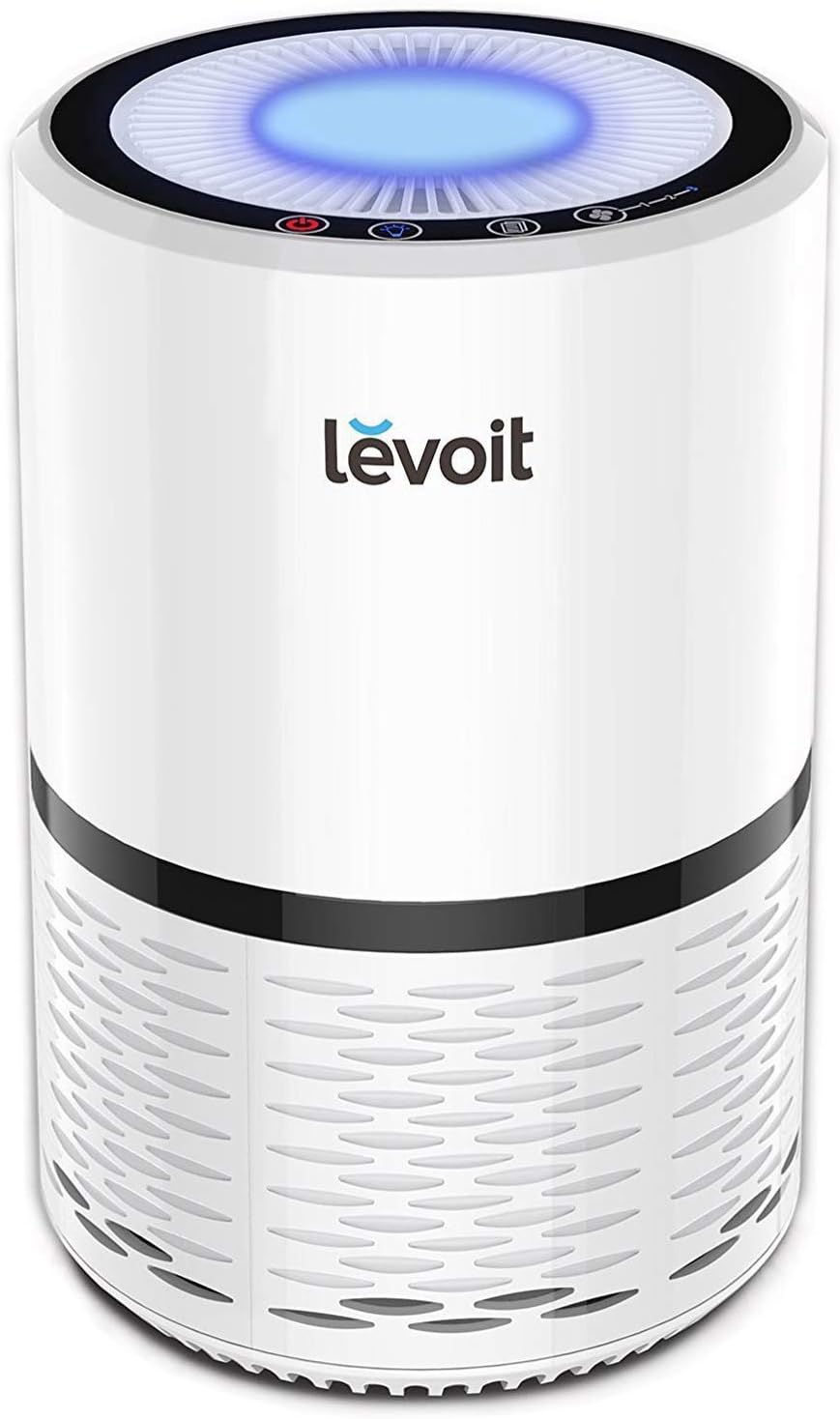
The Levoit Core 300S is a popular choice for its balance of performance and affordability. It features a 3-stage filtration system, including a HEPA filter, and smart capabilities for app control. This makes it an excellent option for smaller to medium-sized rooms. Its compact design also allows for easy placement.
Pros: Affordable, quiet operation, smart features, good for small to medium rooms.
Cons: Not ideal for very large spaces, replacement filters can add up over time.
Coway Airmega 200M: Powerful Performance for Medium to Large Rooms
The Coway Airmega 200M is a robust air purifier known for its powerful filtration and wide coverage area. It boasts a multi-stage filtration system, including a HEPA filter and an odor filter, effectively tackling allergens and odors. Its advanced sensor system automatically adjusts fan speed based on air quality. This unit is a solid investment for larger living spaces.
Pros: Excellent filtration, wide coverage, smart air quality monitoring, durable.
Cons: Higher initial cost, slightly larger footprint.
Blueair Blue Pure 211+ Auto: Sleek Design and Superior Airflow
Blueair is renowned for its efficient filtration technology. The Blue Pure 211+ Auto offers a unique HEPASilent™ technology that combines electrostatic and mechanical filtration for quiet yet powerful performance. It’s designed for medium to large rooms and features an attractive, modern design. The auto mode adjusts settings based on real-time air quality.
Pros: High CADR, quiet operation, energy-efficient, stylish design.
Cons: Replacement filters are proprietary, can be more expensive than basic models.
Winix 5500-2: Feature-Rich with PlasmaWave Technology
The Winix 5500-2 is a well-rounded air purifier that includes a True HEPA filter, activated carbon filter, and PlasmaWave technology. PlasmaWave can help break down airborne pollutants, though some users prefer to disable it if sensitive to its byproducts. It’s suitable for medium to large rooms and offers excellent value. This model is a consistent favorite among allergy sufferers.
Pros: Comprehensive filtration, auto mode, quiet operation, good value.
Cons: PlasmaWave technology may not be suitable for everyone, filter replacements are recurring costs.
How to Optimize Your Air Purifier for Maximum Allergy Relief
Simply owning an air purifier isn’t enough; proper placement and maintenance are key to unlocking its full allergy-fighting potential. Following these tips will ensure you get the most benefit from your device. Consistent application of these strategies is crucial.
Strategic Placement in Your Home
Place your air purifier in the room where you spend the most time, typically the bedroom or living room. Ensure there’s adequate space around the unit for optimal airflow; avoid placing it directly against walls or furniture. This allows the fan to draw in air efficiently and distribute purified air effectively.
Regular Filter Maintenance is Crucial
Adhere to the manufacturer’s recommendations for filter replacement. A clogged or old filter significantly reduces the purifier’s effectiveness and can even become a source of pollutants. Some units have indicator lights, while others require you to track usage. Make filter replacement a regular part of your home maintenance schedule.
Cleaning and Vacuuming Your Home
While an air purifier tackles airborne allergens, regular cleaning helps reduce the source of these particles. Vacuuming carpets and upholstery frequently, dusting surfaces, and washing bedding in hot water can further minimize allergen exposure. These combined efforts create a truly healthier indoor environment.
When to Consider an Air Purifier for Specific Allergies
Certain allergies might benefit more from specific air purifier features. Understanding these nuances can help you make a more targeted purchase. For example, pet owners might prioritize odor control alongside particle filtration.
Pet Allergies: Dander and Odor Control
For pet owners, the primary concerns are pet dander and associated odors. Look for air purifiers with a substantial activated carbon filter to effectively neutralize pet smells. A robust HEPA filter is essential for capturing the microscopic dander that triggers allergic reactions. Many users find that units specifically marketed for pet owners offer enhanced carbon filtration.
Dust Mites and Mold Spores: Consistent Filtration Power
Dust mites thrive in warm, humid environments, and mold spores can be present year-round or seasonally. Air purifiers with True HEPA filters are highly effective at capturing these microscopic irritants. Ensuring the purifier runs consistently, especially in areas prone to dust or moisture, is key. Maintaining proper humidity levels in your home also helps manage dust mite and mold populations.
Pollen Allergies: Seasonal and Outdoor Threats
During pollen seasons, outdoor air can carry significant amounts of pollen indoors. An air purifier can act as a vital barrier, trapping pollen that enters your home. Placing a purifier near windows or doors where pollen is likely to enter can be particularly beneficial. Running the purifier on a higher setting during peak pollen times can offer immediate relief.
Air Purifier vs. HVAC System Filters: What’s the Difference?
While both air purifiers and HVAC system filters aim to improve indoor air quality, they serve different primary functions. Understanding their roles helps in creating a comprehensive air quality strategy. Your HVAC filter primarily protects your system, while an air purifier focuses on your immediate living environment.
HVAC Filters: Protecting Your System
Your home’s HVAC (Heating, Ventilation, and Air Conditioning) system has filters to protect its internal components from dust and debris. While these filters can capture some larger airborne particles, they are generally not designed to capture the microscopic allergens that trigger allergic reactions. Higher MERV-rated HVAC filters can capture more, but they can also strain your system if not properly sized.
Air Purifiers: Targeted Allergen Removal
Air purifiers are specifically designed to target and remove a wide range of airborne pollutants, including allergens, from the air in a specific room or area. They use advanced filtration technologies like HEPA to capture particles as small as 0.3 microns, offering a much higher level of air purification for health-conscious individuals. They work independently of your HVAC system to provide localized clean air.
Frequently Asked Questions About Air Purifiers for Allergies
Here are answers to some common questions about using air purifiers to combat home allergies. These should help clarify any lingering doubts and guide your decision-making process.
What size air purifier do I need for my room?
You need to match the air purifier’s coverage area and CADR rating to the square footage of your room. For example, a room that is 150 sq ft typically needs a purifier with a CADR of at least 100. Always check the manufacturer’s specifications for room size recommendations.
How often should I replace the filters?
Filter replacement frequency varies by model and usage, but generally, HEPA filters need replacement every 6-12 months, and carbon filters every 3-6 months. Always follow the manufacturer’s guidelines. Many units have indicators to remind you.
Can air purifiers help with asthma?
Yes, air purifiers can significantly help individuals with asthma by removing triggers like dust, pet dander, and mold spores from the air, reducing the likelihood of an asthma attack. Always consult with a healthcare professional regarding asthma management.
Are ozone-producing air purifiers safe for allergies?
Ozone can be a lung irritant and may worsen allergies and asthma symptoms. It’s best to choose air purifiers that are certified ozone-free or have an option to disable ozone generation. Look for certifications from bodies like the California Air Resources Board (CARB).
How many air purifiers do I need in my home?
For optimal relief, it’s recommended to have an air purifier in each room where you spend significant time, especially bedrooms, living rooms, and home offices. One unit per room ensures targeted purification where it’s needed most.
Conclusion: Breathe Freely with the Right Air Purifier
Finding the best air purifier for home allergies can seem daunting, but with the right information, it’s an achievable goal. By understanding the technologies, key features, and top-performing models, you can make an informed decision that leads to proven relief. Investing in a quality air purifier is a powerful step towards creating a healthier, more comfortable home environment. Start breathing easier today and reclaim your living space from the grip of allergens.