
Are Air Purifiers Good For COVID: Proven Essential Protection

Yes, air purifiers can be a valuable tool in mitigating the spread of COVID-19 by filtering airborne virus particles, offering proven essential protection when used alongside other preventative measures.
As we navigate the ongoing presence of respiratory viruses, including SARS-CoV-2, the question of how best to safeguard our indoor environments has become paramount. Many of us wonder if the devices we use for general air quality can offer specific protection against airborne pathogens like the virus that causes COVID-19. It’s a valid concern, and understanding the role of air purifiers in this context can bring significant peace of mind. This guide will explore the science behind air purification and its effectiveness against COVID-19, offering clear, actionable insights to help you make informed decisions for your home.
The Science Behind Airborne COVID-19 Transmission
Airborne transmission is a primary way the virus that causes COVID-19 spreads, primarily through respiratory droplets and aerosols released when an infected person breathes, talks, coughs, or sneezes. These tiny particles can remain suspended in the air for extended periods, especially in poorly ventilated indoor spaces. Understanding this transmission route is crucial for implementing effective mitigation strategies.
This understanding highlights the importance of improving indoor air quality to reduce exposure risks. By diminishing the concentration of viral particles in the air, we can create safer environments for everyone.
How Air Purifiers Work to Combat Airborne Pathogens
Air purifiers work by drawing in indoor air, passing it through a series of filters, and then releasing cleaner air back into the room. These filters are designed to capture various airborne contaminants, including dust, pollen, pet dander, mold spores, and crucially, microscopic particles like viruses. The effectiveness hinges on the type of filter used and the unit’s ability to circulate air within a space.
High-efficiency particulate air (HEPA) filters are particularly noteworthy for their ability to capture at least 99.97% of airborne particles 0.3 microns in size. Since the SARS-CoV-2 virus, when present in aerosols, is often around this size or smaller, HEPA filters are highly effective at trapping it.
HEPA Filters: The Gold Standard for COVID-19 Protection
High-efficiency particulate air (HEPA) filters are considered the most effective type of filter for removing airborne virus particles, including those associated with COVID-19. They are designed to capture at least 99.97% of particles that are 0.3 microns in diameter. This stringent standard makes them a critical component in air purification systems aimed at improving indoor air safety.
When choosing an air purifier for COVID-19 protection, prioritizing models with True HEPA filters is essential. This certification ensures the unit meets the rigorous performance standards required to effectively capture the virus.
The Role of Activated Carbon Filters
While HEPA filters excel at capturing particulate matter like viruses, activated carbon filters are designed to adsorb gases, odors, and volatile organic compounds (VOCs). In the context of COVID-19, activated carbon filters don’t directly capture the virus itself. However, they can contribute to overall indoor air quality by removing odors and potentially some gaseous byproducts associated with viral presence or disinfection processes.
Combining HEPA and activated carbon filters in a single air purifier offers a more comprehensive approach to indoor air quality management. This dual-filter system addresses both particulate and gaseous contaminants.
Understanding CADR and Air Changes Per Hour (ACH)
Clean Air Delivery Rate (CADR) measures how quickly an air purifier filters specific pollutants, such as smoke, dust, and pollen. A higher CADR indicates a more powerful and efficient unit. Air Changes Per Hour (ACH) refers to how many times the air purifier can clean the entire volume of air in a room within one hour. For effective COVID-19 mitigation, aim for an air purifier with a CADR suitable for your room size and an ACH of at least 4-5.
Selecting an air purifier with an adequate CADR ensures it can effectively process the air in your designated space. This leads to a significant reduction in airborne viral load.
Are Air Purifiers a Substitute for Other COVID-19 Precautions?
It is crucial to understand that air purifiers are a complementary tool and not a replacement for established COVID-19 prevention strategies. While they significantly enhance indoor air quality, they should be used in conjunction with measures like vaccination, mask-wearing in high-risk settings, frequent handwashing, and maintaining good ventilation. Relying solely on an air purifier would be an incomplete approach to protection.
The Centers for Disease Control and Prevention (CDC) and the World Health Organization (WHO) emphasize a layered approach to reducing transmission risks. Air purification fits into this strategy as an important layer, but not the only one.
Proven Efficacy: What the Research Says
Numerous studies have demonstrated the effectiveness of air purifiers with HEPA filters in reducing the concentration of airborne viral particles, including coronaviruses. Research published in reputable scientific journals indicates that these devices can significantly lower the risk of transmission in indoor environments. For instance, studies have shown reductions in viral load in clinical settings and schools when air purifiers were deployed.
The scientific consensus supports the use of air purifiers as a valuable component of strategies to mitigate the spread of airborne pathogens. Their ability to physically remove virus-laden aerosols from the air is well-documented.
Selecting the Right Air Purifier for Your Needs
When choosing an air purifier, consider the size of the room it will be used in, ensuring its CADR is appropriately matched. Look for units with True HEPA filters and consider those with additional features like activated carbon filters for odor control. Energy efficiency and noise levels are also important factors for long-term use.
Here’s a quick comparison of key features to look for:
| Feature | Importance for COVID-19 Protection | Notes |
| :—————— | :——————————— | :——————————————————————————————————- |
| True HEPA Filter | Essential | Captures 99.97% of particles 0.3 microns in size, including virus aerosols. |
| CADR | High | Needs to be appropriate for room size to ensure sufficient air circulation and cleaning. |
| ACH | High (4-5+) | Indicates how frequently the purifier cleans the entire room’s air volume. |
| Activated Carbon | Beneficial | Adsorbs odors and VOCs, improving overall air quality. |
| Ozone Emission | Avoid | Some purifiers can emit ozone, which can be harmful to respiratory health. Look for ozone-free models. |
| Noise Level | Personal Preference | Important for continuous operation in living spaces or bedrooms. |
Always check independent lab certifications and reviews to verify performance claims.
Optimizing Air Purifier Placement and Usage
For maximum effectiveness, place your air purifier in a location where it can effectively draw in air from the room and circulate clean air. Avoid placing it directly against walls or furniture that could obstruct airflow. Running the air purifier continuously, especially in occupied spaces, is recommended for sustained protection. Regularly cleaning and replacing filters as per the manufacturer’s instructions is also vital for maintaining optimal performance.
Proper placement ensures the air purifier can operate at its peak efficiency. This maximizes the removal of airborne contaminants from your living space.
Beyond HEPA: Other Air Purification Technologies
While HEPA filters are the most scientifically supported technology for capturing virus particles, other technologies exist. These include UV-C light, ionizers, and photocatalytic oxidation (PCO). UV-C light can inactivate viruses, but its effectiveness in air purifiers depends on the intensity and duration of exposure, which can be limited in typical home units. Ionizers can help particles clump together, making them easier to capture, but some models can produce ozone, a lung irritant. PCO can break down pollutants but its efficacy against viruses in a home setting is less established than HEPA.
For proven protection against COVID-19, HEPA filtration remains the most reliable choice. Always research the safety and efficacy of any air purification technology.
Frequently Asked Questions About Air Purifiers and COVID-19
Can an air purifier kill the COVID-19 virus?
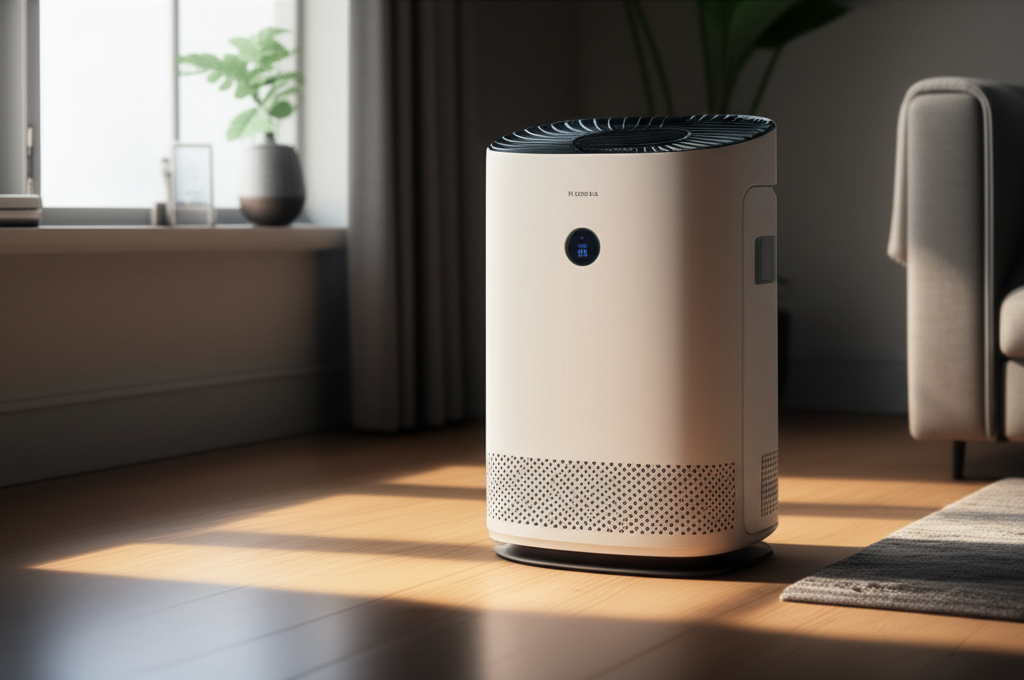
Air purifiers with HEPA filters physically capture virus particles, preventing them from circulating. Some units with UV-C light may also help inactivate viruses, but HEPA filtration is the primary mechanism for removal.
How many air changes per hour (ACH) do I need for COVID-19 protection?
For effective mitigation of airborne viruses like COVID-19, aiming for 4-5 air changes per hour (ACH) is recommended. This ensures the air in the room is thoroughly filtered multiple times an hour.
Should I run my air purifier 24/7?
Running your air purifier continuously, especially in shared indoor spaces, is recommended to maintain optimal air quality and reduce the risk of airborne transmission. Modern units are energy-efficient.
Are there specific brands of air purifiers that are better for COVID-19?
Many reputable brands offer air purifiers with True HEPA filters. Look for models certified by independent organizations like AHAM for verified CADR ratings. Brands like Coway, Levoit, Blueair, and Dyson are often well-regarded.
Can air purifiers help with long COVID symptoms related to air quality?
While air purifiers primarily target airborne particles and gases, improving indoor air quality can contribute to a healthier environment, potentially alleviating some respiratory discomfort that might be exacerbated by poor air. However, they are not a treatment for long COVID.
Do I still need ventilation if I have an air purifier?
Yes, ventilation is still crucial. Air purifiers clean the air already in a room, while ventilation brings in fresh outdoor air, diluting indoor contaminants and reducing overall exposure risk.
Conclusion: Essential Protection for Healthier Indoor Air
In conclusion, when asking “are air purifiers good for COVID?”, the answer is a resounding yes, with the crucial understanding that they are a vital part of a multi-layered protection strategy. Air purifiers equipped with True HEPA filters have proven effective at capturing the airborne virus particles that cause COVID-19, significantly enhancing indoor air quality and reducing transmission risk. By selecting the right unit, optimizing its placement, and using it alongside other recommended health measures like ventilation and vaccination, you can create a safer and healthier indoor environment for yourself and your loved ones. Investing in a quality air purifier is a proactive step towards safeguarding your home against airborne pathogens.
