Can I Put Perfume In My Air Purifier: Genius Safety Essential

No, you should not put perfume directly into your air purifier. While the idea of a fragranced home is appealing, adding perfume can damage the device, void warranties, and even pose health risks by releasing harmful compounds into the air you breathe.
Can I Put Perfume In My Air Purifier: Genius Safety Essential
It’s a tempting thought: wouldn’t it be wonderful if your air purifier could double as a scent diffuser, filling your home with a pleasant aroma? Many of us love the ambiance a good fragrance brings, and the idea of combining air purification with scent seems like a clever shortcut. However, before you reach for your favorite perfume bottle, it’s crucial to understand the potential consequences. This article will guide you through why this seemingly brilliant idea is actually a safety hazard, and what safe alternatives exist.
Why the Urge to Scent Your Air Purifier?
The desire to combine air purification with home fragrance is understandable. We invest in air purifiers to create a healthier, more pleasant living environment, and scent plays a significant role in our perception of comfort and cleanliness. If your air purifier is already working hard to remove odors, adding a pleasant scent seems like a natural next step to enhance the air quality and overall atmosphere. It feels like a simple, efficient solution to enjoy both clean air and a lovely fragrance.
The Harsh Reality: Perfume and Air Purifiers Don’t Mix
The simple answer to “can I put perfume in my air purifier” is a resounding no. Air purifiers are designed to capture airborne particles like dust, pollen, pet dander, and smoke. They are not built to handle liquids or concentrated oils. Introducing perfume, which is essentially a liquid with alcohol and fragrance compounds, can have detrimental effects on your appliance and the air it processes.
Understanding How Air Purifiers Work

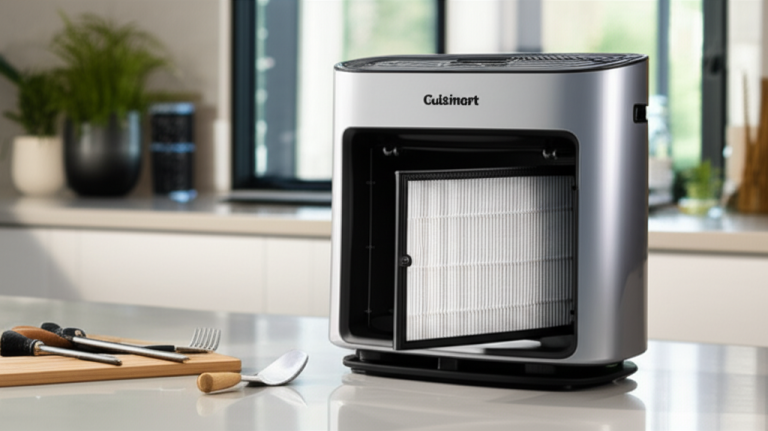
Air purifiers function by drawing in air through a fan and passing it through a series of filters. Typically, these include a pre-filter for larger particles, an activated carbon filter for odors and gases, and a HEPA filter for fine particles. Some models may include UV-C light or ionizers. The goal is to trap contaminants, not to disperse liquids.
The Damaging Effects of Perfume on Filters
When you add perfume to your air purifier, the liquid can saturate the filters. This can clog the pores of the HEPA and carbon filters, significantly reducing their efficiency in capturing actual pollutants. A saturated carbon filter, in particular, loses its ability to absorb odors and VOCs (Volatile Organic Compounds).
Risk of Mechanical Damage to the Purifier
Beyond the filters, perfume can also damage the internal components of your air purifier. The alcohol content in many perfumes can corrode plastic parts or electrical components within the fan and motor assembly. This kind of damage is often irreversible and can lead to costly repairs or the need for a complete replacement.
Voiding Your Manufacturer’s Warranty
Most air purifier manufacturers explicitly state that using the device with anything other than standard air is not recommended and will void the warranty. Attempting to use perfume or essential oils in a way not intended by the manufacturer will likely result in them refusing to cover any repairs if something goes wrong.
Health Concerns: What Happens When Perfume Meets Air Purification?
While the damage to the machine is a primary concern, the health implications of putting perfume in an air purifier are equally, if not more, significant. The intention is to improve air quality, but this action can have the opposite effect.
Release of Harmful VOCs
Perfumes, even those labeled as “natural” or “organic,” often contain a complex blend of chemicals, including Volatile Organic Compounds (VOCs). When heated or dispersed incorrectly, these VOCs can be released into the air, potentially at higher concentrations than intended. Some VOCs are known irritants or can contribute to indoor air pollution.
Irritation and Allergic Reactions
The concentrated fragrance compounds in perfume can act as irritants to the respiratory system, eyes, and skin. For individuals with asthma, allergies, or chemical sensitivities, this can trigger uncomfortable symptoms like coughing, sneezing, headaches, and even asthma attacks. Your air purifier, meant to alleviate such issues, could inadvertently worsen them.
The Misconception of “Cleaning” the Air
It’s a common misconception that adding fragrance “cleans” the air. In reality, perfume merely masks existing odors temporarily. It doesn’t remove the source of the smell or the harmful particles that an air purifier is designed to capture.
Safer Alternatives for a Fragrant and Clean Home
Fortunately, you don’t have to sacrifice a pleasant scent for clean air. There are many effective and safe ways to fragrance your home that complement, rather than compromise, your air purifier’s function.
Dedicated Scent Diffusers
Consider investing in a device specifically designed for scent diffusion, such as an ultrasonic or nebulizing essential oil diffuser. These devices are built to safely disperse essential oils or fragrance oils into the air without damaging the unit or releasing harmful compounds in the process.
Essential Oil Diffusers
How they work: Ultrasonic diffusers use water and essential oils to create a fine mist. Nebulizing diffusers use pressurized air to atomize pure essential oils.
Benefits: They can help create a relaxing or invigorating atmosphere and are generally considered a safer way to enjoy natural scents.
Important Note: Always use high-quality, pure essential oils. Some synthetic fragrance oils can still contain VOCs.
Room Sprays and Potpourri
Traditional room sprays offer a quick burst of fragrance. Potpourri, a mixture of dried, naturally fragrant plant material, can also provide a subtle, long-lasting scent. Place these items away from your air purifier to avoid any accidental contact.
Scented Candles (with caution)
High-quality scented candles, especially those made from natural waxes like soy or beeswax and scented with essential oils, can add ambiance and fragrance. However, always burn candles in well-ventilated areas and never leave them unattended. Be mindful that some candles can release soot and VOCs, so ensure your air purifier is running to capture these.
Natural Odor Absorbers
For a truly fresh scent, focus on eliminating odors at their source. Baking soda is excellent for absorbing smells in refrigerators or carpets. Activated charcoal is another powerful natural odor absorber that can be placed in various rooms.
Ventilation is Key
The simplest way to refresh your home’s scent and air quality is through good old-fashioned ventilation. Open windows regularly to allow fresh air to circulate, carrying away stale air and odors. This is a crucial step that complements any air purification efforts.
Can I Put Essential Oils in My Air Purifier?
Similar to perfume, putting essential oils directly into your air purifier is not recommended. While essential oils are natural, they are highly concentrated liquids. Adding them to your air purifier can still lead to filter damage, internal component corrosion, and the unintended dispersal of potent compounds.
The Difference Between Perfume and Essential Oils for Diffusers
Essential oils are derived from plants and are used for aromatherapy and scent. Perfumes are complex mixtures of natural and synthetic fragrance compounds, often with a high alcohol base. Both are liquids and pose risks when introduced into an air purifier not designed for them.
Why Diffusers Are the Safer Choice for Oils
Dedicated diffusers are engineered to handle the oils and water (in the case of ultrasonic diffusers) safely. They control the rate of dispersal and ensure the oils are atomized or misted effectively without harming the device or releasing uncontrolled VOCs.
Maintaining Your Air Purifier for Optimal Performance
To ensure your air purifier works effectively and lasts as long as possible, stick to its intended use. Regular maintenance is key to its longevity and performance.
Regular Filter Replacement
Follow the manufacturer’s recommendations for filter replacement. Clogged filters reduce airflow and efficiency, making your purifier work harder and less effectively. Check your purifier’s manual for specific intervals, which can vary based on usage and air quality.
Cleaning the Exterior and Interior
Periodically wipe down the exterior of your air purifier with a damp cloth. You can also gently vacuum the pre-filter if it’s washable. Never use harsh chemicals or water directly on the internal components.
Placement Matters
Ensure your air purifier is placed in a location where it can draw in air freely. Avoid corners, tight spaces, or placing it directly against furniture. Optimal placement allows for maximum air circulation and purification.
Troubleshooting Common Air Purifier Issues
If you encounter problems with your air purifier, always consult the manual first. Common issues often have simple solutions that don’t involve adding foreign substances.
Unusual Noises
A sudden unusual noise might indicate a foreign object in the fan or a motor issue. Do not attempt to add liquid to “fix” it. Check for visible obstructions after unplugging the unit.
Reduced Airflow
This is almost always due to clogged filters. Replace them according to the manufacturer’s schedule.
Strange Smells
If your air purifier starts emitting a strange smell, it could be a sign that the carbon filter is saturated and needs replacement, or there might be an internal issue.
Can I Put Perfume In My Air Purifier: A Final Verdict
The question “can I put perfume in my air purifier” has a definitive and crucial answer: no. While the allure of a fragrant, purified home is strong, introducing perfume into your air purifier is a risky endeavor. It can lead to expensive damage to your appliance, void your warranty, and potentially release harmful compounds into your air, undermining the very purpose of the purifier. Prioritize the health of your machine and your household by using your air purifier as intended and exploring safe, dedicated alternatives for home fragrance.
Frequently Asked Questions About Air Purifiers and Scent
Can I put essential oils in my air purifier?
No, it is not recommended to put essential oils directly into most air purifiers as it can damage the filters and internal components. Use a dedicated essential oil diffuser instead.
What happens if I put perfume in my air purifier?
Putting perfume in your air purifier can clog the filters, damage internal parts, void your warranty, and potentially release harmful VOCs into the air.
Are air purifiers supposed to make my room smell good?
Air purifiers are designed to remove odors and particles, not to add fragrance. Some models may have a light, clean scent from their filters, but they are not scent diffusers.
What is the safest way to scent my home if I have an air purifier?
The safest ways include using dedicated essential oil diffusers, room sprays, natural potpourri, or opening windows for ventilation.
Can I use my air purifier to remove strong perfume smells?
Yes, an air purifier with a good activated carbon filter can help reduce strong perfume odors by absorbing some of the VOCs. However, it’s best to ventilate the room thoroughly first.
Will putting perfume in my air purifier damage the HEPA filter?
Yes, perfume can saturate and clog a HEPA filter, reducing its effectiveness and potentially causing permanent damage.
Are there any air purifiers that can also diffuse scents?
While rare, some newer models are emerging that integrate air purification with gentle scent diffusion. Always check the product specifications carefully to ensure it’s designed for this purpose and follow manufacturer guidelines precisely.