
Anti Viral Air Purifiers: Essential Protection

Anti Viral Air Purifiers: Essential Protection for a Healthier Home
Anti viral air purifiers offer crucial protection against airborne pathogens, making them an essential investment for safeguarding your home and loved ones. These advanced devices actively neutralize viruses, bacteria, and other harmful particles, ensuring cleaner, safer air for everyone.
Breathing clean air is fundamental to our well-being, yet invisible threats like viruses and bacteria constantly circulate in our homes. This can be a common and frustrating concern, especially for families and those with respiratory sensitivities. You might feel helpless against these airborne invaders, but there’s a powerful solution. This guide will walk you through everything you need to know about anti viral air purifiers, empowering you to create a healthier living environment. Get ready to discover how these devices provide essential protection.
What Makes Air Purifiers “Anti-Viral”?
The term “anti-viral” in air purifiers signifies their ability to actively neutralize or capture airborne viruses. This goes beyond simply filtering particles; it involves technologies designed to inactivate the infectious agents themselves. These purifiers are engineered to break down the structure of viruses, rendering them harmless. They offer a proactive defense against the spread of illness within your home.
The Science Behind Anti-Viral Air Purification
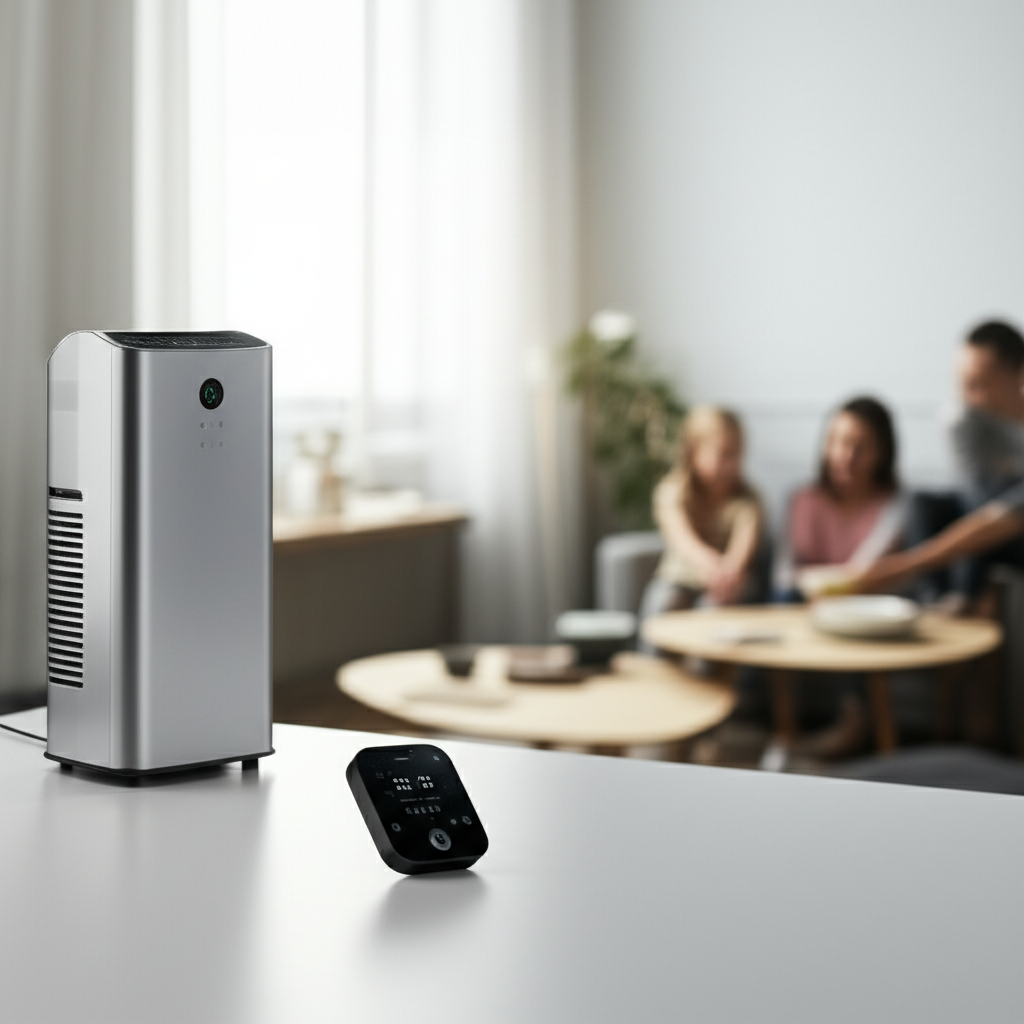
Anti-viral air purification relies on a combination of advanced filtration and inactivation technologies. HEPA filters capture the majority of airborne particles, including virus-laden droplets. However, true anti-viral action often involves technologies like UV-C light, ionization, or specialized photocatalytic oxidation (PCO) processes. These methods work to destroy the genetic material or outer casing of viruses, effectively deactivating them.
How Do Anti-Viral Air Purifiers Work?
These purifiers draw in contaminated air, passing it through a series of filters and treatment stages. A pre-filter captures larger particles, followed by a True HEPA filter that traps 99.97% of particles as small as 0.3 microns. The crucial anti-viral component then targets any remaining microscopic pathogens. Finally, purified air is released back into the room, significantly reducing the viral load.
Key Technologies in Anti-Viral Air Purifiers
Understanding the specific technologies employed by anti-viral air purifiers is key to making an informed choice. Different mechanisms offer varying levels of effectiveness and may appeal to different user preferences. Each technology plays a distinct role in creating a pathogen-free environment.
UV-C Germicidal Irradiation
UV-C light is a powerful germicide that disrupts the DNA and RNA of viruses and bacteria. When air passes over a UV-C lamp within the purifier, the light effectively neutralizes any pathogens present. This technology is highly effective at inactivating a wide range of microorganisms. It’s a proven method used in various sterilization applications.
Ionization and Bipolar Ionization
Ionizers release charged particles into the air, which attach to airborne contaminants like viruses. This process causes the contaminants to clump together, making them easier for filters to capture or causing them to fall out of the air. Bipolar ionization takes this a step further by releasing both positive and negative ions, which can neutralize pathogens more effectively. Some studies suggest these ions can break down virus structures.
Photocatalytic Oxidation (PCO)
PCO technology uses UV light to activate a catalyst, typically titanium dioxide. This reaction creates hydroxyl radicals, which are highly reactive molecules that break down airborne pollutants, including viruses and bacteria, into harmless substances like water and carbon dioxide. PCO is a powerful oxidation process that can effectively eliminate VOCs and pathogens.
Activated Carbon Filters
While not directly “anti-viral,” activated carbon filters are essential components in most air purifiers. They excel at adsorbing odors, gases, and volatile organic compounds (VOCs). By removing these substances, they contribute to overall air quality and can indirectly support a healthier environment by eliminating carriers for some airborne irritants.
Benefits of Using Anti-Viral Air Purifiers
Investing in an anti-viral air purifier offers a multitude of benefits that extend beyond simply reducing illness. These devices contribute to a more comfortable, healthier, and potentially more productive living space. They provide a tangible layer of defense against unseen threats.
Reduced Transmission of Airborne Illnesses
The primary benefit is a significant reduction in the transmission of viruses and bacteria. By actively neutralizing airborne pathogens, these purifiers create a safer environment, especially during flu seasons or pandemics. This can lead to fewer sick days for families and a general improvement in community health.
Improved Allergy and Asthma Symptoms
Beyond viruses, anti-viral air purifiers also capture allergens like pollen, dust mites, and pet dander. By removing these irritants, they can provide substantial relief for individuals suffering from allergies and asthma. Cleaner air means less exposure to triggers, leading to fewer symptoms.
Elimination of Odors and VOCs
Many anti-viral air purifiers incorporate activated carbon filters that effectively remove unpleasant odors from cooking, pets, and smoke. They also neutralize harmful volatile organic compounds (VOCs) emitted from household products, contributing to fresher-smelling and healthier air. This enhances the overall comfort of your living space.
Peace of Mind and Enhanced Well-being
Knowing you are actively protecting your home and loved ones from airborne pathogens provides invaluable peace of mind. This proactive approach to health can reduce anxiety and contribute to a greater sense of well-being. It’s an investment in a healthier future for your family.
Choosing the Right Anti-Viral Air Purifier for Your Needs
Selecting the best anti-viral air purifier requires careful consideration of several factors. Your specific needs, the size of your space, and the technologies you prioritize will guide your decision. Making the right choice ensures you get the most effective protection.
Consider Room Size and CADR Rating
The Clean Air Delivery Rate (CADR) indicates how quickly a purifier can clean the air in a specific room size. Always choose a purifier with a CADR rating appropriate for the square footage of the area you intend to use it in. A higher CADR means faster and more efficient air cleaning.
Evaluate Filtration Stages and Technologies
Look for purifiers with a multi-stage filtration system, including a True HEPA filter and your preferred anti-viral technology (UV-C, ionization, PCO). Ensure the technology aligns with your comfort level regarding ozone production if considering ionization. A comprehensive system offers the best protection.
Check for Certifications and Third-Party Testing
Seek out purifiers that have been independently tested and certified by reputable organizations like AHAM (Association of Home Appliance Manufacturers) or Energy Star. These certifications ensure the device performs as advertised and meets safety standards. This verification adds a layer of trust.
Noise Levels and Energy Consumption
Consider the noise level, especially if the purifier will be used in a bedroom or living area. Look for models with multiple fan speeds, including a quiet sleep mode. Also, check the energy consumption to ensure it’s energy-efficient and won’t significantly increase your electricity bill.
Maintenance and Filter Replacement Costs
Factor in the ongoing costs of filter replacements. Some filters need to be replaced every 6-12 months, while others, like UV bulbs, have a longer lifespan. Research these costs beforehand to budget effectively for your purifier’s upkeep. Regular maintenance is key to sustained performance.
Top Anti-Viral Air Purifier Features to Look For
Beyond the core anti-viral technology, several features can enhance the usability and effectiveness of an air purifier. These additions can make a significant difference in your daily experience with the device. Prioritizing these can lead to greater satisfaction.
Smart Features and App Control
Many modern air purifiers offer smart capabilities, allowing you to control settings, monitor air quality, and set schedules via a smartphone app. Some even integrate with voice assistants like Alexa or Google Assistant for convenient hands-free operation. These features add a layer of modern convenience.
Air Quality Sensors and Auto Mode
An air quality sensor detects the level of pollutants in your air and automatically adjusts the fan speed accordingly. This auto mode ensures optimal performance without manual intervention, saving energy and providing continuous protection. It’s a set-it-and-forget-it convenience.
Filter Replacement Indicators
A built-in indicator light or notification system alerts you when it’s time to replace the filters. This takes the guesswork out of maintenance and ensures your purifier continues to operate at peak efficiency. Never miss a filter change again.
Coverage Area and Portability
Ensure the purifier’s coverage area matches the room you intend to use it in. If you plan to move it between rooms, consider its weight and any handles for portability. Some units are designed for smaller spaces, while others can handle large open-plan areas.
Comparing Anti-Viral Technologies: A Quick Guide
Choosing the right technology can feel overwhelming. Here’s a simplified comparison to help you understand the strengths of each anti-viral approach. This table highlights key aspects for quick decision-making.
| Technology | Primary Mechanism | Effectiveness Against Viruses | Potential Downsides | Best For |
| :———————— | :———————————————— | :—————————- | :————————————— | :————————————— |
| UV-C Germicidal Light | DNA/RNA disruption via UV radiation | High | Bulb lifespan, requires airflow | General pathogen inactivation |
| Ionization | Electrically charged particles | Moderate to High | Potential ozone production (older models) | Odor removal, particle clumping |
| Bipolar Ionization | Release of positive and negative ions | Moderate to High | Ozone concerns (check certifications) | Enhanced pathogen neutralization |
| Photocatalytic Oxidation | UV light activating catalyst to create radicals | High | Can produce byproducts (check testing) | VOCs and pathogen breakdown |
| HEPA Filtration (Standard) | Physical particle capture | Captures virus-carrying particles | Doesn’t inactivate viruses directly | General particle and allergen removal |
Remember that many effective anti-viral air purifiers combine HEPA filtration with one or more of these active technologies for comprehensive protection. Always research specific models and their certifications.
Are Anti-Viral Air Purifiers Safe for Home Use?
Safety is a paramount concern when introducing any new technology into your home. Reputable anti-viral air purifiers are designed with user safety as a top priority. Understanding the safety aspects, particularly regarding ozone, is crucial.
Ozone Production Concerns
Some older or poorly designed ionizers can produce ozone as a byproduct, which can be harmful to respiratory health at high concentrations. Look for purifiers certified as “ozone-free” or with very low ozone emission levels, such as those meeting the California Air Resources Board (CARB) standards. Many modern technologies have significantly reduced or eliminated this issue.
UV-C Safety Features
When UV-C light is used, ensure it is fully enclosed within the unit. This prevents direct exposure to skin and eyes, which can be harmful. Reputable manufacturers design their purifiers with safety interlocks to stop the UV-C light if the unit is opened.
Understanding PCO Byproducts
Photocatalytic oxidation can potentially produce trace amounts of byproducts. Look for purifiers that have undergone rigorous testing and are certified to ensure any byproducts are at safe, negligible levels. Manufacturers committed to safety will provide this information.
Installation and Maintenance of Your Anti-Viral Air Purifier
Proper installation and regular maintenance are essential for ensuring your anti-viral air purifier functions effectively and safely. Following the manufacturer’s guidelines will maximize its lifespan and performance. These steps are straightforward and crucial for optimal results.
Initial Setup and Placement
Place the air purifier in the room where you spend the most time or where air quality is a primary concern. Ensure there is adequate space around the unit for proper air circulation, typically at least a foot from walls and furniture. Avoid placing it directly near windows or vents that might disrupt airflow.
Regular Filter Replacement Schedule
Adhere strictly to the manufacturer’s recommended filter replacement schedule. HEPA filters typically need replacement every 6-12 months, while pre-filters may require cleaning or replacement more frequently. UV bulbs also have a finite lifespan. Neglecting filter changes significantly reduces the purifier’s effectiveness.
Cleaning Your Air Purifier Unit
Periodically wipe down the exterior of the air purifier with a soft, damp cloth. The intake and exhaust grilles can be gently vacuumed to remove dust buildup. Always unplug the unit before cleaning to prevent any electrical hazards. A clean exterior ensures optimal operation.
Monitoring Performance and Air Quality
Pay attention to the air purifier’s performance and any air quality indicators. If you notice a decrease in effectiveness or unusual noises, it might be time for maintenance or filter replacement. Many smart models will alert you to potential issues. This proactive monitoring ensures consistent protection.
Who Can Benefit Most from Anti-Viral Air Purifiers?
While everyone can benefit from cleaner air, certain groups stand to gain the most from the added protection of anti-viral air purifiers. These devices offer a vital layer of defense for those most vulnerable to airborne pathogens. Understanding these groups can help you assess your own needs.
Families with Young Children and Elderly Individuals
Young children and the elderly often have developing or weakened immune systems, making them more susceptible to infections. Anti-viral air purifiers can significantly reduce their exposure to viruses and bacteria, helping to keep them healthier. This is especially important during cold and flu seasons.
Individuals with Respiratory Conditions
People with asthma, allergies, COPD, or other respiratory ailments can find immense relief from air purifiers. By removing not only viruses but also allergens, pollutants, and irritants, these devices can lead to fewer flare-ups and easier breathing. Cleaner air directly impacts respiratory health.
People Living in Densely Populated Areas or High-Risk Environments
In urban settings or places with frequent public interaction, airborne contaminants are more prevalent. For those living in apartments, dormitories, or working in shared spaces, an anti-viral air purifier can offer a crucial buffer against the spread of illness. It creates a personal zone of cleaner air.
Anyone Seeking Enhanced Home Health and Safety
Ultimately, anyone who values a healthy living environment can benefit. In an era where airborne health concerns are ever-present, these purifiers provide an added sense of security and contribute to a more comfortable and hygienic home. It’s an investment in proactive well-being for the entire household.
Frequently Asked Questions About Anti-Viral Air Purifiers
What is the difference between a HEPA filter and an anti-viral air purifier?
A HEPA filter physically captures particles, including virus-carrying droplets, but doesn’t inactivate them. An anti-viral air purifier uses additional technologies like UV-C light or ionization to actively neutralize or destroy viruses, offering a more direct defense. Both are often used together for comprehensive protection.
Do anti-viral air purifiers produce ozone?
Some types, particularly older ionizers, can produce ozone. However, many modern anti-viral air purifiers are designed to be ozone-free or produce negligible amounts, meeting strict safety standards like CARB certification. Always check the product specifications for ozone emission levels.
How often do I need to replace the filters in an anti-viral air purifier?
Filter replacement frequency varies by model and usage. Generally, HEPA filters need replacing every 6-12 months, while pre-filters might need cleaning monthly. UV bulbs also have a limited lifespan. Always follow the manufacturer’s recommendations for optimal performance.
Can an anti-viral air purifier kill the flu virus or COVID-19?
Yes, effective anti-viral air purifiers utilizing technologies like UV-C, PCO, or advanced ionization have been shown in studies to neutralize or inactivate various airborne viruses, including influenza and coronaviruses. Their effectiveness depends on the specific technology and design.
Are anti-viral air purifiers noisy?
Noise levels vary significantly between models and fan speeds. Most purifiers offer multiple speed settings, including a quiet “sleep mode” for nighttime use. Look for units with low decibel ratings for quieter operation, especially for bedrooms.
How large of a room can an anti-viral air purifier cover?
Air purifiers are rated for specific room sizes, often indicated by their CADR (Clean Air Delivery Rate). It’s crucial to choose a purifier with a coverage area that matches or exceeds the square footage of the room you intend to use it in for maximum effectiveness.
Conclusion
Anti viral air purifiers represent an essential layer of protection in today’s health-conscious world. By actively neutralizing airborne viruses and bacteria, they contribute significantly to a healthier home environment. Whether you’re looking to reduce illness transmission, alleviate allergy symptoms, or simply breathe cleaner air, these advanced devices offer a powerful solution. Investing in a reputable anti-viral air purifier, equipped with effective technologies and appropriate certifications, is a proactive step towards safeguarding your family’s well-being. Make the smart choice for cleaner, safer air today.

