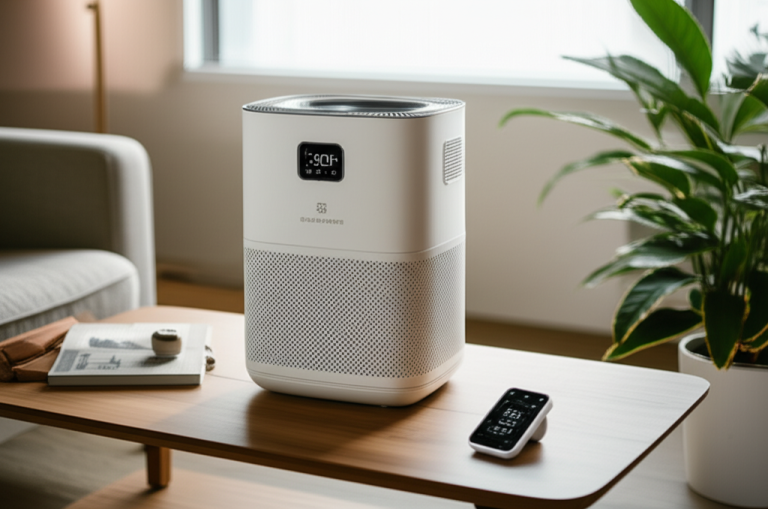
Air Purifier vs Humidifier For Allergies: Essential Guide

For allergy sufferers, understanding whether an air purifier or humidifier is best involves pinpointing your specific triggers. Air purifiers tackle airborne irritants like pollen and dust, while humidifiers add moisture to combat dry air that can worsen symptoms. This guide helps you choose the right device to breathe easier.
Air Purifier vs Humidifier For Allergies: Essential Guide
Dealing with allergies can feel like a constant battle, with symptoms like sneezing, itchy eyes, and a stuffy nose disrupting your daily life. You’ve probably heard that both air purifiers and humidifiers can help, but knowing which one is right for your specific allergy triggers can be confusing. This guide is here to demystify the difference and help you find the perfect solution for a healthier, more comfortable home environment. We’ll break down exactly how each device works and when to use them, so you can finally get the relief you deserve.
What Are Allergies and How Do They Affect Your Home Environment?
Allergies are your immune system’s overreaction to harmless substances called allergens. These can include pollen, dust mites, pet dander, mold spores, and even certain chemicals. When you inhale these allergens, your body releases histamine, causing those familiar, uncomfortable allergy symptoms. Your home, often considered a sanctuary, can unfortunately become a breeding ground for many of these common allergens.
Understanding your specific allergy triggers is the first step toward finding effective relief. Identifying what causes your symptoms will guide you in selecting the right tool to improve your indoor air quality. This knowledge empowers you to make informed decisions about your home’s environment and your well-being.
Air Purifiers: Your Shield Against Airborne Allergens
An air purifier is designed to remove airborne particles from the air. These devices use various filtration technologies to capture microscopic irritants before they can be inhaled. They are particularly effective at trapping common allergy triggers like pollen, dust, pet dander, and mold spores.
By actively cleaning the air, air purifiers create a cleaner breathing space. This can significantly reduce your exposure to allergens, leading to fewer allergy symptoms and a more comfortable living environment. They are a proactive solution for managing airborne irritants.
How Do Air Purifiers Work? The Science Behind Cleaner Air
Air purifiers typically work by drawing in air, passing it through a series of filters, and then releasing the cleaner air back into the room. The most crucial filter is usually the HEPA (High-Efficiency Particulate Air) filter, which is certified to capture at least 99.97% of particles as small as 0.3 microns. Other filters, like activated carbon, can also remove odors and gases.
Different types of purifiers use varying combinations of these technologies. Some might employ UV-C light to kill germs, while others use ionizers to charge particles, causing them to clump together and fall out of the air. Understanding these mechanisms helps in choosing a unit best suited for your needs.
When is an Air Purifier the Right Choice for Allergies?
An air purifier is your best bet if your allergies are primarily triggered by airborne particles. This includes seasonal allergies from pollen, year-round dust mite allergies, or sensitivities to pet dander and mold spores. If you notice your symptoms worsen when you’re indoors or after certain activities like dusting or vacuuming, an air purifier can offer substantial relief.
Consider an air purifier if you’re looking for a direct way to reduce the concentration of allergens in your home’s air. It’s a proactive measure that directly tackles the source of many respiratory discomforts. This makes it an excellent investment for anyone seeking consistent allergy relief.
Key Features to Look for in an Air Purifier for Allergies
When selecting an air purifier for allergy relief, prioritize models with a true HEPA filter. This is the gold standard for capturing microscopic allergens. Look for the Clean Air Delivery Rate (CADR) to ensure the unit is powerful enough for the size of your room.
Consider features like multiple fan speeds, a quiet sleep mode, and filter replacement indicators. Some advanced models offer smart features like air quality sensors and app control, allowing for automatic adjustments and remote monitoring. These additions enhance convenience and effectiveness.
Top Air Purifier Technologies for Allergy Sufferers
HEPA Filters: Essential for capturing fine particles like pollen, dust, and dander.
Activated Carbon Filters: Excellent for absorbing odors, smoke, and volatile organic compounds (VOCs) that can irritate airways.
Pre-filters: Capture larger particles like hair and lint, extending the life of the HEPA filter.
UV-C Light: Can help kill bacteria and viruses, though its effectiveness against allergens is debated.
Ionizers: Charge particles to make them easier to capture, but some models can produce ozone, which can be an irritant.
Choosing a unit with a robust HEPA filter is paramount for allergy sufferers. Always check the manufacturer’s specifications regarding particle capture efficiency.
Humidifiers: Soothing Dry Air for Allergy Relief
A humidifier adds moisture to the air, increasing the relative humidity level. This can be incredibly beneficial for allergy sufferers, especially when dry air exacerbates symptoms. Dry air can irritate nasal passages and airways, making them more susceptible to allergens and infections.
By maintaining optimal humidity levels, humidifiers can help soothe irritated tissues, loosen mucus, and make breathing more comfortable. They are particularly useful during dry winter months or in arid climates where indoor air tends to be very dry. This makes them a valuable tool for symptom management.
How Do Humidifiers Work to Improve Air Quality?
Humidifiers work by releasing water vapor into the air. There are several types, including ultrasonic, evaporative, and steam vaporizers. Ultrasonic humidifiers use high-frequency vibrations to create a cool mist, while evaporative humidifiers use a fan to blow air through a wet wick. Steam vaporizers heat water to produce warm mist, which can also help kill bacteria and viruses in the water.
The goal is to raise the humidity level to a comfortable range, typically between 40% and 60%. This prevents the air from becoming too dry, which can lead to a host of discomforts. Maintaining this balance is key to reaping the benefits.
When is a Humidifier the Right Choice for Allergies?
A humidifier is beneficial if dry air is a significant factor in your allergy symptoms. If you experience dry, itchy eyes, a sore throat, nasal congestion that feels worse with dry air, or cracked skin, a humidifier can provide relief. It’s especially helpful during seasons when heating systems dry out indoor air.
It’s important to note that humidifiers don’t remove allergens from the air. Instead, they create a more comfortable environment that can help your body cope better with existing allergens. They are a supportive tool for symptom management rather than a direct allergen remover.
Key Features to Look for in a Humidifier for Allergies
When choosing a humidifier, look for models with adjustable humidity settings and a built-in hygrometer to monitor the room’s humidity level. This allows you to maintain the optimal range of 40-60%. Ease of cleaning is also crucial, as dirty humidifiers can breed mold and bacteria, which can worsen allergies.
Consider cool-mist vs. warm-mist options based on your preference and safety concerns, especially if you have children or pets. Some humidifiers also feature essential oil diffusers, but use these with caution as certain oils can be irritants for some individuals.
Humidifier vs. Dehumidifier: A Quick Comparison for Allergies
| Feature | Humidifier | Dehumidifier |
| :————- | :——————————————- | :——————————————– |
| Purpose | Adds moisture to dry air | Removes excess moisture from humid air |
| Benefit | Soothes dry airways, loosens mucus | Reduces mold and dust mite growth |
| Best For | Dry climates, winter months, dry air symptoms | Humid climates, basements, mold/dust mite issues |
| Allergen | Helps cope with dry air irritation | Directly combats mold and dust mite triggers |
| Maintenance | Regular cleaning to prevent mold/bacteria | Emptying water tank, filter cleaning |
While a humidifier adds moisture, a dehumidifier removes it. If mold and dust mites are your primary concern, a dehumidifier might be more effective.
Air Purifier vs. Humidifier for Allergies: The Core Differences
The fundamental difference lies in their primary function: air purifiers clean the air by removing particles, while humidifiers add moisture to it. An air purifier targets the source of many airborne allergens, actively removing them from your breathing space. A humidifier, on the other hand, aims to make the environment less irritating for your respiratory system, especially when dry air exacerbates your allergy symptoms.
Think of it this way: an air purifier acts like a filter for your air, catching the bad stuff. A humidifier acts more like a soothing balm, making the air easier to breathe when it’s dry and harsh. Understanding this distinction is key to making the right choice.
Can You Use an Air Purifier and Humidifier Together?
Yes, you can absolutely use an air purifier and a humidifier together, and in many cases, this combination offers the most comprehensive approach to managing allergies. If you experience both airborne allergens and* symptoms exacerbated by dry air, using both devices can provide synergistic benefits. For instance, an air purifier tackles pollen and dust, while a humidifier keeps your nasal passages moist and less irritated.
It’s important to place them in the same room but not directly next to each other. This allows both devices to function optimally without interfering with each other’s air intake or output. This dual approach can lead to significant improvements in indoor air quality and allergy relief.
Best Practices for Using Both Devices
When using both an air purifier and a humidifier, maintaining optimal humidity levels is crucial. Aim for a relative humidity between 40% and 60%. Too much humidity can encourage mold and dust mite growth, while too little can irritate your airways. Use a hygrometer to monitor levels accurately.
Regular cleaning of both devices is paramount. Humidifiers, in particular, require diligent cleaning to prevent the growth of bacteria and mold, which can be dispersed into the air. Follow the manufacturer’s instructions for both your air purifier and humidifier to ensure they operate safely and effectively.
Choosing the Right Device for Your Specific Allergies
The best device for you depends entirely on what triggers your allergies. If you’re sensitive to pollen, dust mites, pet dander, or smoke, an air purifier is likely your primary need. These allergens float in the air and can be effectively captured by HEPA filters.
However, if your primary complaint is a dry, scratchy throat, persistent sinus congestion that feels worse in dry conditions, or cracked skin, a humidifier might offer more immediate relief. For many, a combination of both provides the most comprehensive solution to combat a range of allergy symptoms.
Air Purifier vs. Humidifier for Different Allergy Types
| Allergy Type | Primary Recommendation | Secondary Recommendation | Reasoning |
| :—————— | :——————— | :——————— | :——————————————————————————————————— |
| Pollen Allergy | Air Purifier | Humidifier (if dry air) | Purifier removes pollen; humidifier soothes irritated airways if pollen causes dryness. |
| Dust Mite Allergy| Air Purifier | Dehumidifier (if humid) | Purifier captures dust mite allergens; dehumidifier can reduce dust mite populations in humid environments. |
| Pet Dander | Air Purifier | Humidifier (if dry air) | Purifier captures dander particles; humidifier can ease throat/nasal irritation caused by dander. |
| Mold Allergy | Dehumidifier | Air Purifier | Dehumidifier reduces mold growth; air purifier can capture airborne mold spores. |
| Dry Air Irritation| Humidifier | Air Purifier (for other triggers) | Humidifier directly addresses dry air symptoms; air purifier helps if other airborne irritants are present. |
This table highlights how different allergens might lean your decision towards one device over the other. Remember that individual experiences can vary.
Factors Beyond the Device Itself: Holistic Allergy Management
While air purifiers and humidifiers are powerful tools, they are part of a larger strategy for allergy management. Consistent cleaning of your home, regular washing of bedding in hot water, and reducing exposure to known allergens are crucial steps. Consider consulting with an allergist to identify your specific triggers and discuss a comprehensive treatment plan.
Implementing these broader strategies alongside the use of appropriate air quality devices can significantly improve your quality of life. Don’t underestimate the power of a multi-faceted approach to allergy control.
Maintaining a Clean Home Environment
Regularly vacuuming with a HEPA-filter vacuum, dusting with a damp cloth, and washing curtains and upholstery can significantly reduce allergen buildup. Keeping windows closed during high pollen seasons and using allergen-proof covers on mattresses and pillows are also effective strategies. A clean home is the first line of defense against many common allergens.
These simple yet effective cleaning habits work hand-in-hand with air purification and humidification to create a healthier living space. Consistency is key to managing your allergy symptoms effectively.
The Role of Professional Allergy Testing
If you’re unsure about your specific allergy triggers, professional allergy testing can provide clarity. An allergist can perform skin prick tests or blood tests to identify what allergens are causing your reactions. This information is invaluable for tailoring your home environment and treatment plan effectively.
Knowing your triggers allows you to focus your efforts on the most impactful solutions. It removes the guesswork and empowers you to make targeted choices for relief.
Frequently Asked Questions About Air Purifiers and Humidifiers for Allergies
Q1: Can an air purifier cure my allergies?
No, an air purifier cannot cure allergies. It works by removing allergens from the air, which helps to reduce your symptoms and exposure. It’s a management tool, not a cure.
Q2: How often should I clean my humidifier to prevent mold?
You should clean your humidifier at least once a week, or more frequently if you use it daily. Always follow the manufacturer’s instructions for cleaning and maintenance to prevent mold and bacteria growth.
Q3: Will a humidifier make my allergies worse?
A humidifier can make allergies worse if it’s not cleaned regularly, leading to mold or bacteria growth. Also, if your allergies are solely triggered by dry air and not airborne particles, and you don’t have issues with mold or dust mites, a humidifier can be very helpful. If you have mold or dust mite allergies, a dehumidifier might be more appropriate.
Q4: Which is better for dust allergies, an air purifier or a humidifier?
For dust allergies, an air purifier is generally more effective because it directly removes dust particles from the air. A humidifier doesn’t remove dust; it adds moisture, which can sometimes make dust settle faster but doesn’t eliminate it.
Q5: Can I use essential oils in my humidifier for allergy relief?
While some people find relief using essential oils, it’s crucial to be cautious. Some oils can be respiratory irritants for allergy sufferers. Always check if your humidifier is designed for essential oils and research which oils, if any, are safe for your specific sensitivities.
Q6: How do I know if I need an air purifier or a humidifier?
Consider your symptoms. If you sneeze, wheeze, or have itchy eyes due to airborne triggers like pollen, dust, or dander, an air purifier is likely needed. If you have dry nasal passages, a sore throat, or dry skin, especially in winter, a humidifier might be more beneficial. Many people find a combination offers the best relief.
Conclusion: Making the Right Choice for Allergy Relief
Navigating the world of air quality devices can be daunting, but understanding the core functions of an air purifier versus a humidifier is key to making the right choice for your allergies. If airborne irritants like pollen, dust, dander, or mold spores are your primary concern, an air purifier is your most effective ally, actively filtering these particles from your breathing space. Conversely, if dry air exacerbates your symptoms—leading to a scratchy throat, dry sinuses, or irritated skin—a humidifier can provide soothing moisture and make breathing more comfortable.
For many individuals, the most comprehensive solution involves using both an air purifier and a humidifier together, creating an environment that is both clean and comfortably moist. Remember to maintain optimal humidity levels (40-60%) and practice diligent cleaning of both devices to prevent secondary issues. By assessing your specific allergy triggers and symptoms, you can confidently choose the right tools to achieve cleaner air and enjoy a healthier, more comfortable home. Your journey to allergy relief starts with informed decisions about your indoor environment.