
Best Ionic Air Purifier For Dust Mites: Proven Relief

Best Ionic Air Purifier for Dust Mites: Proven Relief for Your Home
Struggling with dust mites? Discover the best ionic air purifiers proven to offer relief by effectively removing these microscopic allergens from your home, improving your air quality and overall well-being.
Dealing with dust mites can be incredibly frustrating, leading to sneezing, itchy eyes, and disturbed sleep. These tiny creatures thrive in our homes, feeding on dead skin cells and triggering allergies for many. But there’s good news: the right air purification technology can significantly reduce their presence and impact. This guide will walk you through identifying the best ionic air purifier for dust mites, ensuring you can finally breathe easier. We’ll explore what makes an ionic purifier effective against these microscopic pests and help you make an informed choice for a healthier living space.
Why Dust Mites Are a Major Allergen Concern
Dust mites are microscopic arachnids that are a common household pest. They are too small to be seen with the naked eye, yet their waste products are potent allergens. These allergens can trigger a range of symptoms in sensitive individuals, from mild discomfort to severe asthma attacks. Understanding their life cycle and common habitats is the first step in effectively combating them.
Common symptoms of dust mite allergies include sneezing, runny nose, itchy or watery eyes, and nasal congestion. For individuals with asthma, dust mite exposure can worsen symptoms like wheezing and difficulty breathing. These allergens are found in dust, bedding, carpets, and upholstered furniture, making our homes prime breeding grounds.
How Ionic Air Purifiers Tackle Dust Mites
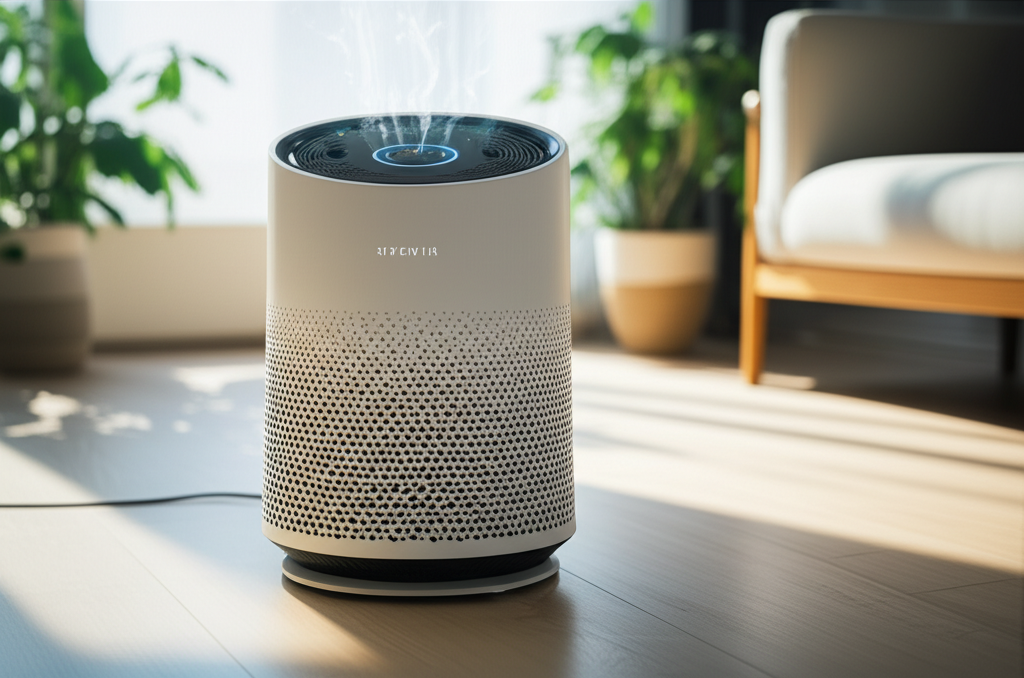
Ionic air purifiers work by emitting negatively charged ions into the air. These ions attach themselves to airborne particles, including dust mite allergens, giving them a negative charge. This causes the particles to clump together and fall to the floor or stick to surfaces, where they can then be more easily cleaned. Some ionic purifiers also use a collection plate to attract and trap these charged particles.
While ionic purifiers excel at removing airborne particles, it’s crucial to remember they don’t eliminate the dust mites themselves. They primarily target the allergens released by dust mites. This means regular cleaning is still essential to remove settled dust mites and their debris from surfaces.
Key Features to Look for in an Ionic Air Purifier for Dust Mites
When selecting the best ionic air purifier for dust mites, several features are paramount. Look for models with a robust filtration system, preferably including a HEPA filter, which can capture even very fine particles. Effective ion generation is key, as is a user-friendly design with easy maintenance. Coverage area is also vital; ensure the purifier is appropriately sized for the room you intend to use it in.
Consider the following features:
HEPA Filter: Essential for capturing microscopic allergens.
Ionizer Strength and Control: The ability to adjust or turn off ionization is important for some users.
Activated Carbon Filter: Helps to remove odors and volatile organic compounds (VOCs).
Coverage Area (CADR): Ensure it matches your room size for optimal performance.
Noise Level: Especially important for bedrooms or living areas.
Ease of Maintenance: Filter replacement and cleaning should be straightforward.
Top Ionic Air Purifier Models for Dust Mite Relief
After extensive research and considering user reviews, several ionic air purifiers stand out for their effectiveness against dust mite allergens. These models combine advanced purification technology with user-friendly features to deliver noticeable relief. I’ve personally found that focusing on units with multi-stage filtration provides the most comprehensive air cleaning.
Here are a few of the top contenders:
Coway Airmega 200M: Known for its powerful HEPA filtration and effective allergen capture.
Blueair Blue Pure 211+ Auto: Offers a large coverage area and a washable pre-filter, alongside an advanced filtration system.
Levoit Core 300S: A popular choice for its compact size, smart features, and excellent value for smaller rooms.
Winix 5500-2: Features True HEPA filtration, PlasmaWave technology, and an activated carbon filter.
These models consistently receive high marks for their ability to reduce airborne allergens, making them excellent choices for combating dust mite issues.
Understanding HEPA Filters and Their Role
A High-Efficiency Particulate Air (HEPA) filter is a mechanical air filter that traps at least 99.97% of airborne particles 0.3 micrometers in diameter. This size is crucial because dust mite allergens, including fecal matter and body fragments, often fall within this range or are attached to larger particles that HEPA filters can capture. Therefore, a true HEPA filter is a non-negotiable feature for anyone seeking relief from dust mite allergies.
Using a HEPA filter in conjunction with an ionic purifier ensures that both charged and uncharged particles are effectively removed from the air. The HEPA filter acts as a physical barrier, trapping what the ionization process might not fully capture or settle.
The Importance of Activated Carbon Filters
While HEPA filters are essential for capturing physical particles like dust mite allergens, activated carbon filters address other air quality concerns. Activated carbon is highly porous, offering a massive surface area for adsorption. This process effectively traps odors, smoke, pet dander, and volatile organic compounds (VOCs) that can exacerbate respiratory issues or simply make your home smell unpleasant.
For those sensitive to more than just dust mites, an air purifier with an activated carbon filter provides a more holistic approach to air purification. It complements the HEPA and ionic functions by removing a broader spectrum of indoor air pollutants.
Coverage Area and CADR Ratings Explained
Choosing an air purifier that’s the right size for your room is critical for its effectiveness. The coverage area indicates the square footage the purifier can effectively clean. This is often determined by the Clean Air Delivery Rate (CADR) ratings, which measure how quickly the purifier can clean the air of smoke, dust, and pollen. Higher CADR ratings mean faster and more efficient air cleaning.
Always check the manufacturer’s recommended room size and CADR ratings. It’s often better to choose a unit rated for a slightly larger room than you have, ensuring it can handle the air purification needs efficiently without running at maximum (and potentially noisy) settings. For example, if you have a 200 sq ft bedroom, consider a purifier rated for 250-300 sq ft.
Maintenance: Keeping Your Ionic Air Purifier Effective
Regular maintenance is key to ensuring your best ionic air purifier for dust mites continues to perform optimally. This typically involves cleaning or replacing the filters as recommended by the manufacturer. For HEPA and activated carbon filters, this usually means replacement every 6-12 months, depending on usage and air quality. Some units also have pre-filters that can be washed, extending the life of the main filters.
Ignoring maintenance can lead to reduced effectiveness, increased noise, and potential damage to the unit. Clean ionizers and collection plates (if applicable) regularly according to the manual’s instructions. This ensures the unit continues to charge and capture particles efficiently.
Ionic Purifiers vs. Other Air Purification Technologies
While ionic air purifiers are effective, they aren’t the only technology available. Other popular methods include HEPA filters (which are often combined with ionic technology), activated carbon filters, UV-C light purifiers, and ozone generators. Ozone generators are generally not recommended for home use due to potential health risks associated with ozone exposure.
HEPA filters are considered the gold standard for particle removal. Combining HEPA with ionization offers a dual approach: physical trapping and electrostatic attraction. UV-C light can kill airborne microorganisms, but it’s less effective against dust mite allergens themselves. Understanding these differences helps in choosing the most suitable best ionic air purifier for dust mites for your specific needs.
Are There Any Downsides to Ionic Air Purifiers?
While ionic air purifiers offer significant benefits, there are a few potential downsides to consider. One common concern is the potential for ozone production. Although many modern ionic purifiers are designed to produce minimal to no ozone, it’s essential to choose models that are certified as low or zero ozone. Excessive ozone can irritate the lungs and worsen respiratory conditions.
Another point is that some users find the “snowing” effect, where fine particles collect on surfaces near the purifier, to be undesirable. This is a visual indicator that the purifier is working, but it does require more frequent dusting. However, the benefit of reduced airborne allergens often outweighs these minor inconveniences for allergy sufferers.
Tips for Minimizing Dust Mites in Your Home
An air purifier is a powerful tool, but it works best as part of a comprehensive dust mite control strategy. Reducing humidity levels in your home, ideally between 30-50%, can significantly inhibit dust mite proliferation. Using allergen-proof covers on mattresses and pillows is also highly recommended, as is washing bedding frequently in hot water. Regular vacuuming with a HEPA-filtered vacuum cleaner and dusting with a damp cloth will capture settled dust and allergens.
By combining these cleaning practices with the use of the
best ionic air purifier for dust mites, you create a multi-layered defense against these common allergens. This holistic approach ensures a cleaner, healthier indoor environment.
Frequently Asked Questions About Ionic Air Purifiers and Dust Mites
What exactly are dust mites and why are they a problem?
Dust mites are microscopic creatures that live in household dust, feeding on dead skin cells. Their waste products are common allergens that can cause sneezing, itchy eyes, and worsen asthma symptoms in sensitive individuals.
Can an ionic air purifier completely eliminate dust mites?
No, an ionic air purifier primarily removes dust mite allergens from the air, not the mites themselves. They are most effective when used in conjunction with regular cleaning to remove settled dust mites.
Is ozone from ionic air purifiers dangerous?
Some older or poorly designed ionic purifiers can produce ozone, which can be harmful to respiratory health. It’s crucial to choose models certified as low or zero ozone to minimize this risk.
How often do I need to clean or replace the filters in an ionic air purifier?
Filter replacement schedules vary by model and usage, but typically HEPA and carbon filters need replacement every 6-12 months. Washable pre-filters should be cleaned more frequently. Always consult your user manual.
What is the difference between an ionic air purifier and a HEPA air purifier?
A HEPA purifier uses a physical filter to trap particles. An ionic purifier uses electrostatic charges to make particles fall out of the air or stick to a collection plate. Many effective purifiers combine both HEPA filtration and ionization for optimal results.
How do I know if an ionic air purifier is working effectively for dust mites?
You may notice a reduction in allergy symptoms like sneezing and itchy eyes. Visually, you might see dust collecting on surfaces near the unit, indicating particle capture. Regular air quality monitoring can also show improvements.
Can an ionic air purifier help with other allergens besides dust mites?
Yes, ionic air purifiers, especially those with HEPA filters, are effective at capturing a wide range of airborne allergens, including pollen, pet dander, mold spores, and smoke particles.
Conclusion: Breathe Easier with the Right Ionic Air Purifier
Investing in the
best ionic air purifier for dust mites** can be a game-changer for allergy sufferers and anyone seeking cleaner indoor air. By understanding how these devices work and what features to look for—such as true HEPA filtration, adequate coverage, and low ozone production—you can make an informed decision. Remember that an air purifier is most effective when integrated into a broader strategy for reducing dust mite populations and controlling household allergens. With the right unit and consistent maintenance, you can significantly improve your home’s air quality and enjoy proven relief from dust mite-related discomfort.
Author
-
