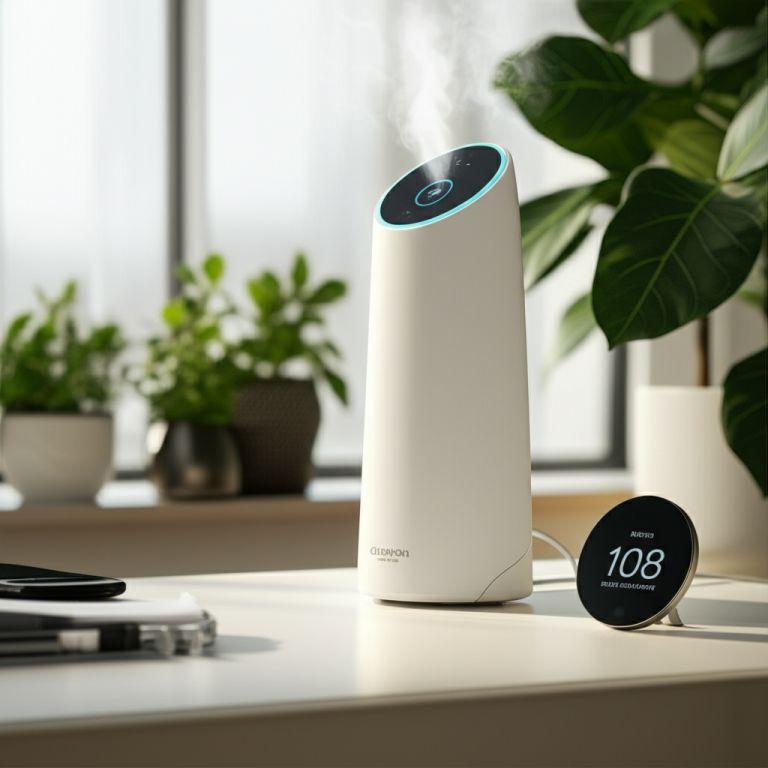
Air Purifier Smells Like Wet Dog: Essential Fix

Don’t let your air purifier smell like wet dog. This essential guide provides a step-by-step fix to identify the cause and restore fresh air to your home, ensuring a clean and odor-free environment.
Air purifiers are supposed to make our homes smell cleaner, not like a damp canine companion. If your air purifier suddenly starts emitting a musty, wet dog odor, it’s a frustrating sign that something isn’t right. This unpleasant smell can be embarrassing and defeats the purpose of having an air purification system. Fortunately, most causes are easy to pinpoint and fix with a little troubleshooting. Let’s dive into how we can get your air purifier smelling fresh again.
Why Does My Air Purifier Smell Like Wet Dog?
This common, yet unwelcome, smell often points to a buildup of moisture and organic matter within the unit. It’s usually a combination of trapped humidity, dust, and microbial growth that creates that distinct musty odor. Identifying the source is the first step to banishing the “wet dog” scent.
The Role of Filters in Odor Production
Air purifier filters are designed to trap particles, including dust, pollen, and even airborne bacteria. When these filters become saturated and are not regularly cleaned or replaced, they can become a breeding ground for mold and mildew. This microbial growth is a primary culprit behind the “air purifier smells like wet dog” issue.
Moisture: The Unseen Culprit
Excess moisture is the key ingredient for mold and mildew to thrive. If your air purifier is placed in a humid environment, like a bathroom or a basement, or if it’s exposed to condensation, it can trap that moisture. This dampness creates the perfect conditions for that signature wet dog smell to develop.
Internal Components and Mold Growth
Beyond the filters, other internal components like the fan blades or the casing can accumulate dust and moisture. Over time, these areas can also become susceptible to mold and mildew growth. Regular maintenance is crucial to prevent these hidden spots from contributing to unpleasant odors.
Step-by-Step Guide to Fixing the “Wet Dog” Smell
Tackling the “air purifier smells like wet dog” problem requires a systematic approach. We’ll walk through each potential cause and its solution.
Step 1: Unplug and Disassemble
Safety first! Always unplug your air purifier before any cleaning or maintenance. Carefully disassemble the unit according to your manufacturer’s instructions. This usually involves removing the outer casing and accessing the filters.
Step 2: Inspect the Filters
This is where the majority of issues lie. Carefully remove each filter and inspect it closely. Look for any visible signs of mold, mildew, or a general grimy appearance. A filter that smells strongly of dampness is likely the primary offender.
Step 3: Clean or Replace Filters
Pre-filters: Many air purifiers have a washable pre-filter. Gently wash it with mild soap and water, rinse thoroughly, and ensure it’s completely dry before reinserting.
HEPA and Activated Carbon Filters: These are typically not washable and need to be replaced when they are dirty or when the unit starts to smell. Check your air purifier’s manual for the recommended replacement schedule, which is often every 6-12 months.
Step 4: Clean the Interior of the Unit
Once the filters are out, it’s time to clean the inside. Use a soft, dry cloth or a vacuum cleaner with a brush attachment to remove dust from the fan blades, motor housing, and any accessible internal surfaces. For stubborn grime, a slightly damp cloth with a diluted solution of vinegar or mild soap can be used, but ensure everything is thoroughly dried afterward.
Step 5: Wipe Down the Exterior Casing
Don’t forget the outside! Wipe down the exterior casing with a damp cloth to remove any dust or grime that might be contributing to the odor. This also helps maintain the overall appearance of your appliance.
Step 6: Reassemble and Test
Carefully reassemble your air purifier, ensuring all parts are correctly in place. Plug it back in and turn it on. Listen for any unusual noises and check if the “wet dog” smell has disappeared.
Understanding Different Filter Types and Their Maintenance
The type of filters in your air purifier significantly impacts how you should maintain them. Understanding these differences is key to preventing odors.
HEPA Filters: The Workhorses
HEPA (High-Efficiency Particulate Air) filters are excellent at capturing tiny particles. However, they are not designed to be cleaned and must be replaced regularly. A clogged HEPA filter can trap moisture and organic material, leading to that dreaded smell.
Activated Carbon Filters: Odor Absorbers
Activated carbon filters are specifically designed to trap odors and VOCs (Volatile Organic Compounds). If these filters become saturated with odors, they can sometimes release a musty smell themselves. Regular replacement is essential for them to perform effectively.
Washable Pre-Filters: The First Line of Defense
Washable pre-filters catch larger particles like hair and dust. While they can be cleaned, they must be thoroughly dried to prevent mold growth. A damp pre-filter is a direct pathway to the “air purifier smells like wet dog” issue.
Common Mistakes That Lead to “Wet Dog” Smells
Avoiding certain pitfalls can save you from dealing with this unpleasant odor. Many issues stem from simple oversights in maintenance.
Neglecting Regular Filter Replacement
The most common mistake is not replacing filters on schedule. Manufacturers provide guidelines for a reason; ignoring them is a fast track to a smelly air purifier.
Ignoring Humidity Levels
Placing your air purifier in overly humid areas without proper ventilation can lead to moisture buildup inside the unit. Consider the environment where your purifier is operating.
Using Harsh Cleaning Chemicals
Harsh chemicals can damage filter materials and internal components, potentially creating new odors or exacerbating existing ones. Stick to mild cleaning solutions as recommended by the manufacturer.
When to Consider a New Air Purifier
Sometimes, despite your best efforts, an old or damaged air purifier might be beyond repair. If the smell persists after thorough cleaning and filter replacement, or if the unit is several years old, it might be time for an upgrade. Modern air purifiers often feature improved designs and materials that are more resistant to odor buildup.
Preventative Measures for Long-Term Freshness
Keeping your air purifier smelling great long-term involves consistent habits. These simple practices will help you avoid the “air purifier smells like wet dog” problem in the future.
Establish a Regular Cleaning Schedule
Mark your calendar for filter checks and replacements. A consistent schedule ensures your unit functions optimally and smells fresh.
Monitor Humidity Levels in Your Home
Use a hygrometer to keep track of humidity. If levels are consistently high, consider using a dehumidifier in conjunction with your air purifier.
Ensure Proper Airflow Around the Unit
Don’t block the air intake or output vents. Good airflow helps the unit operate efficiently and prevents moisture from getting trapped.
Troubleshooting Specific Brands and Models
While the general principles apply to most air purifiers, some brands or models might have specific quirks. Always refer to your appliance’s user manual for model-specific advice on cleaning and maintenance. For example, some Dyson air purifiers have integrated sensors that can alert you to filter issues. Coway air purifiers are known for their robust multi-stage filtration systems, requiring diligent filter changes.
Table: Common Air Purifier Odor Causes and Solutions
| Odor Cause | Description | Solution |
| :————————— | :——————————————————————————– | :—————————————————————————— |
| Saturated HEPA Filter | Trapped dust, pollen, and allergens lead to microbial growth. | Replace the HEPA filter according to manufacturer recommendations. |
| Dirty Activated Carbon Filter | Absorbed odors and VOCs have reached capacity. | Replace the activated carbon filter. |
| Trapped Moisture | High humidity or condensation allows mold/mildew to grow. | Clean internal components thoroughly and ensure the unit is completely dry. |
| Dirty Fan Blades | Dust and grime accumulate on fan blades, harboring moisture and odors. | Carefully clean fan blades with a dry or slightly damp cloth. |
| Exterior Grime | Accumulated dust and dirt on the casing can sometimes hold odors. | Wipe down the exterior casing with a damp cloth. |
Frequently Asked Questions (FAQ)
What if my air purifier still smells after cleaning?
If the odor persists after a thorough cleaning and filter replacement, the internal motor or fan might have mold growth that’s difficult to reach. It might also indicate a damaged component or that the unit is simply old and needs replacing.
How often should I clean my air purifier?
You should inspect and clean washable pre-filters monthly. HEPA and activated carbon filters typically need replacement every 6-12 months, depending on usage and air quality. Always consult your manual.
Can I use essential oils to mask the smell?
It’s generally not recommended to use essential oils or air fresheners directly in or on your air purifier. They can clog the filters, damage components, and potentially release harmful VOCs into the air, defeating the purifier’s purpose.
Is a wet dog smell a sign of a serious health hazard?
While unpleasant, the “wet dog” smell itself isn’t usually a direct health hazard. However, the mold and mildew causing the smell can be problematic for individuals with allergies or respiratory issues. Addressing the smell promptly is best for overall air quality.
What’s the difference between a wet dog smell and a chemical smell?
A wet dog smell is typically musty and damp, indicating microbial growth. A chemical smell might suggest VOCs are being released from new filters or other plastic components. Different issues require different solutions.
Can I use a vacuum cleaner to clean my air purifier filters?
You can use a vacuum cleaner with a brush attachment to gently clean washable pre-filters or to remove loose dust from the exterior and accessible parts of the unit. However, never vacuum HEPA or activated carbon filters as this can damage them and reduce their effectiveness.
Conclusion
Dealing with an “air purifier smells like wet dog” problem can be unsettling, but it’s almost always a solvable issue. By systematically inspecting and cleaning your filters and internal components, you can effectively eliminate the source of the odor. Remember that regular maintenance, including timely filter replacements and keeping an eye on humidity, is your best defense against future smells. Your air purifier is an investment in your home’s health and comfort, and a little consistent care ensures it continues to deliver clean, fresh air for years to come.