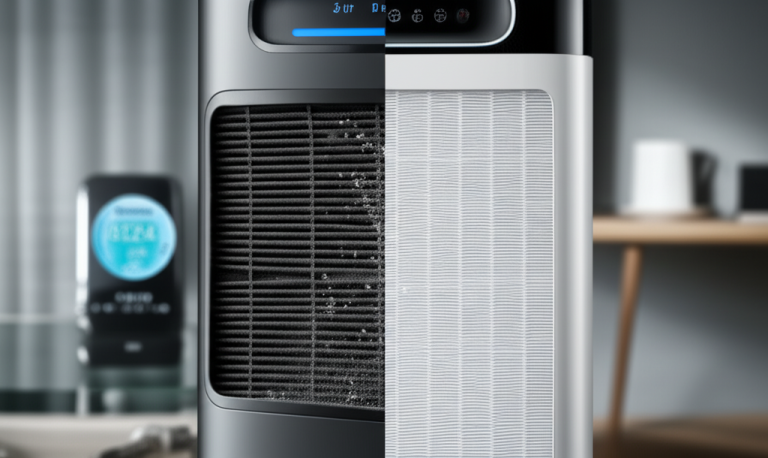
Air Purifier Good For Mold: Proven Essential Cleaner

Yes, an air purifier is good for mold, acting as an essential cleaner by capturing airborne mold spores and improving indoor air quality. It’s a vital tool for allergy sufferers and anyone concerned about mold-related health issues, working in conjunction with other mold remediation efforts.
Air Purifier Good for Mold: Your Proven Essential Cleaner for Healthier Air
Dealing with mold can be a frustrating and worrying experience, impacting both your home’s environment and your well-being. The thought of tiny mold spores floating invisibly in the air is unsettling, and for many, it triggers allergies and respiratory problems. But what if there was a way to actively combat these airborne invaders and create a cleaner living space? This article will explore how an air purifier can be your proven essential cleaner against mold, detailing its effectiveness, the best types to choose, and how to integrate it into your mold-fighting strategy. Get ready to breathe easier knowing you have a powerful ally.
Understanding Mold and Its Airborne Threat
Mold is a type of fungus that thrives in damp, humid environments, reproducing by releasing spores into the air. These microscopic spores can travel through ventilation systems, open windows, and even on pets and clothing, settling on surfaces and potentially growing if moisture is present. For individuals sensitive to mold, inhaling these spores can lead to a range of symptoms, from sneezing and itchy eyes to more severe respiratory issues. Understanding this airborne aspect is crucial for appreciating how an air purifier can help.
How Air Purifiers Tackle Airborne Mold Spores
Air purifiers work by drawing in the air from a room, passing it through a series of filters, and then releasing cleaner air back into the environment. This filtration process is key to capturing airborne mold spores before they can settle or be inhaled. By continuously circulating and cleaning the air, an air purifier significantly reduces the concentration of mold spores, offering a proactive approach to managing indoor air quality. This makes an air purifier good for mold by directly addressing the airborne component of the problem.
The Role of HEPA Filters in Capturing Mold
The most effective air purifiers for mold utilize High-Efficiency Particulate Air (HEPA) filters. A true HEPA filter is designed to capture at least 99.97% of airborne particles as small as 0.3 microns. Since most mold spores fall within this size range, HEPA filters are exceptionally good at trapping them. When considering an air purifier good for mold, prioritizing a model with a certified HEPA filter is paramount for optimal spore removal.
Why HEPA is Superior for Mold Spore Filtration
Other filter types might catch larger particles, but they often miss the smaller, more problematic mold spores. HEPA filters, on the other hand, are engineered with a dense mesh that physically traps these tiny allergens. This ensures that the air passing through is thoroughly cleaned of mold spores, significantly improving the air you breathe and reducing potential exposure.
Activated Carbon Filters: A Secondary Line of Defense
While HEPA filters capture the physical mold spores, activated carbon filters in air purifiers can address the odors often associated with mold. Activated carbon is a porous material that adsorbs volatile organic compounds (VOCs) and other odor-causing molecules. If you’re dealing with a musty smell from mold, an air purifier with both HEPA and activated carbon filters can offer a more comprehensive solution for cleaner, fresher air.
Adsorbing Mold-Related Odors Effectively
Mold can release unpleasant smells that linger in the air. The activated carbon component works in tandem with the HEPA filter to not only remove the spores but also neutralize the associated odors. This dual-action approach makes the air purifier a more complete solution for a mold-affected environment, enhancing the overall sense of cleanliness.
Choosing the Right Air Purifier for Mold Control
When selecting an air purifier good for mold, several factors come into play. Look for units with true HEPA filters, appropriate coverage area (CADR rating) for your room size, and additional features like activated carbon filters. Some purifiers also offer pre-filters to catch larger particles like dust and pet dander, extending the life of the main HEPA filter.
Key Features to Consider for Mold Removal
True HEPA Filter: Essential for capturing at least 99.97% of airborne particles 0.3 microns in size.
CADR Rating: Clean Air Delivery Rate indicates how quickly the purifier cleans a room of pollutants, including mold spores. Match this to your room size.
Activated Carbon Filter: Helps to neutralize mold-related odors.
Pre-Filter: Captures larger particles, prolonging the HEPA filter’s lifespan.
Coverage Area: Ensure the purifier is rated for the square footage of the room you intend to use it in.
Placement and Usage Tips for Maximum Effectiveness
Proper placement and consistent use are vital for an air purifier to effectively combat mold. Position the unit in areas where mold is likely to be a concern or where air circulation is poor, such as bathrooms, basements, or kitchens. Running the air purifier continuously, especially during periods of high humidity or after visible mold has been treated, will yield the best results.
Optimizing Airflow and Operation
Ensure the air purifier has ample space around it for optimal airflow, avoiding corners or placing it directly against walls. For persistent mold issues, consider running the purifier on a higher setting during the day and a quieter setting at night. Regular filter maintenance, as recommended by the manufacturer, is also crucial for maintaining its effectiveness in capturing mold spores.
Air Purifiers vs. Other Mold Remediation Methods
It’s important to understand that an air purifier is a tool for managing airborne mold spores, not a solution for existing mold growth on surfaces. For visible mold, you’ll still need to address the moisture source and physically clean or remove the mold. An air purifier works best as a complementary measure to prevent spore circulation and re-contamination after remediation.
A Holistic Approach to Mold Management
Think of an air purifier as part of a comprehensive mold management plan. It complements physical cleaning and moisture control by tackling the invisible threat of airborne spores. This integrated approach ensures that you’re not just treating the symptoms but also proactively preventing future mold issues and improving your home’s overall air quality.
When to Consider an Air Purifier for Mold Concerns
You should seriously consider an air purifier good for mold if you:
Live in a humid climate or have experienced water damage.
Suffer from mold allergies or respiratory sensitivities.
Notice a persistent musty odor in your home.
Have recently remediated visible mold and want to prevent recurrence.
Spend significant time in areas prone to mold, like basements or bathrooms.
An air purifier can provide peace of mind and tangible relief by actively cleaning the air you breathe, making it a valuable addition to any mold-conscious household.
Maintaining Your Air Purifier for Optimal Mold Capture
To ensure your air purifier continues to be an effective cleaner against mold, regular maintenance is key. This primarily involves cleaning or replacing the filters according to the manufacturer’s guidelines. A clogged HEPA filter will significantly reduce the unit’s ability to capture mold spores and can even lead to reduced airflow and efficiency.
Filter Replacement Schedule and Cleaning Tips
Check your air purifier’s manual for specific recommendations, but generally, pre-filters should be cleaned monthly, and HEPA filters replaced every 6-12 months, depending on usage and air quality. Some manufacturers offer washable filters for their pre-filters, which can be rinsed under water. Always ensure filters are completely dry before reinserting them.
The Benefits of Cleaner Air Beyond Mold Control
While an air purifier is excellent for mold, its benefits extend far beyond just spore removal. These devices also capture dust, pollen, pet dander, smoke particles, and other allergens and pollutants from the air. This leads to overall improved indoor air quality, which can benefit everyone in the household, especially those with asthma or other respiratory conditions.
A Healthier Home Environment for Everyone
By reducing the number of airborne irritants, an air purifier can contribute to better sleep, reduced allergy symptoms, and a general sense of well-being. It creates a sanctuary within your home, free from many of the invisible contaminants that can affect your health and comfort. It’s an investment in a healthier living space for you and your family.
Frequently Asked Questions About Air Purifiers and Mold
Can an air purifier kill mold?
No, an air purifier cannot kill mold. It works by capturing airborne mold spores in its filters, preventing them from spreading and being inhaled. You still need to address the moisture source and physically remove existing mold growth.
How often should I run an air purifier for mold?
For best results, run your air purifier continuously, especially in areas prone to mold or high humidity. If continuous operation isn’t possible, run it for several hours a day in the affected rooms.
What type of air purifier is best for mold?
Look for an air purifier with a true HEPA filter, as this is crucial for capturing small mold spores. Models with activated carbon filters are also beneficial for removing mold-related odors.
Do air purifiers help with mold allergies?
Yes, air purifiers are very effective at reducing airborne mold spores, which are common allergens. By capturing these spores, they can significantly alleviate allergy symptoms for sensitive individuals.
Can an air purifier prevent mold from growing?
An air purifier cannot directly prevent mold growth, as mold requires moisture to grow. However, by removing spores from the air, it can help prevent mold from spreading to new areas and reduce the likelihood of new growth if moisture is controlled.
How do I know if my air purifier is working for mold?
You’ll likely notice a reduction in musty odors and a decrease in mold-related allergy symptoms. Visually inspecting and cleaning the filters regularly will also show you how much dust and debris (including potential spores) it’s capturing.
Conclusion: Air Purifier Good for Mold – A Smart Investment
In conclusion, an air purifier is indeed a good and essential cleaner for combating the airborne threat of mold. By utilizing advanced filtration technologies like HEPA, these devices effectively capture microscopic mold spores, significantly improving your indoor air quality. While not a replacement for addressing moisture issues and physically removing mold, an air purifier serves as a vital complementary tool in creating a healthier home environment. Investing in a quality air purifier with a true HEPA filter is a proactive step towards mitigating mold-related health concerns and enjoying cleaner, fresher air every day.