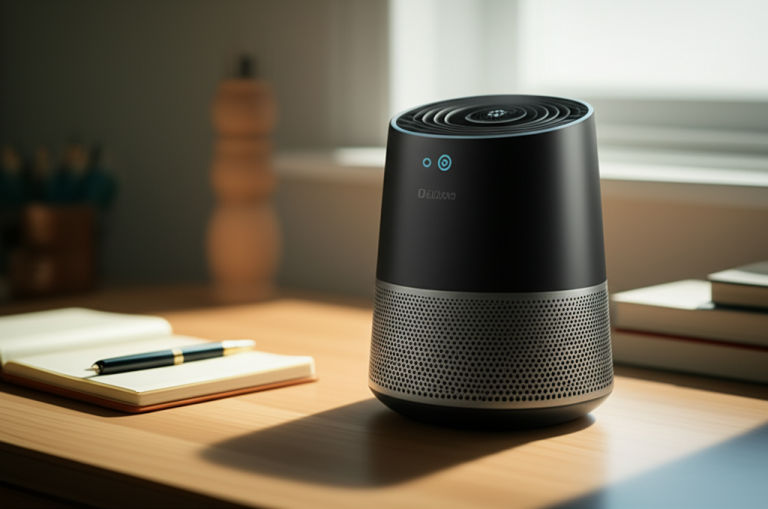
Activated Carbon Filter for Formaldehyde Removal: Essential Guide

Activated carbon filters are a highly effective solution for removing formaldehyde from your home, offering a safe and natural way to improve indoor air quality. This guide explores how they work, their benefits, and how to choose the best filter for your needs.
Formaldehyde is a common indoor air pollutant that can cause a range of health problems, from headaches and dizziness to more serious respiratory issues. It’s released from many everyday items in our homes, making it a persistent concern for many families. Fortunately, a powerful natural solution exists: the activated carbon filter.
Understanding Formaldehyde and Its Dangers
Formaldehyde is a colorless gas with a pungent odor, widely used in building materials and household products. Its presence indoors is a significant concern for health and well-being.
Sources of Formaldehyde in Your Home
Formaldehyde off-gasses from pressed wood products like particleboard and plywood, commonly found in furniture and cabinetry. It’s also present in adhesives, paints, varnishes, and even some cosmetics and cleaning supplies. Even new carpets and drapes can contribute to indoor formaldehyde levels.
Health Impacts of Formaldehyde Exposure
Short-term exposure can lead to watery eyes, burning sensations in the eyes and throat, coughing, wheezing, nausea, and skin irritation. Long-term exposure is linked to more severe respiratory problems and is classified as a human carcinogen by the International Agency for Research on Cancer (IARC).
How Activated Carbon Filters Work for Formaldehyde
Activated carbon filters are a leading technology for capturing volatile organic compounds (VOCs), including formaldehyde, through a process called adsorption. This makes them incredibly effective for improving indoor air quality.
The Science Behind Adsorption
Activated carbon is specially processed to have millions of tiny pores, dramatically increasing its surface area. When air passes through these pores, formaldehyde molecules (and other VOCs) get trapped on the surface, effectively removing them from the air you breathe.
Why Activated Carbon is Ideal for Formaldehyde
Unlike other filtration methods that might trap particles, activated carbon chemically bonds with gaseous pollutants like formaldehyde. This process is highly efficient and specific, making it a go-to solution for tackling this pervasive indoor air contaminant.
Benefits of Using an Activated Carbon Filter
Investing in an activated carbon filter offers significant advantages for your home environment and overall health. These filters provide a safe, effective, and often long-term solution.
Improved Indoor Air Quality
The most immediate benefit is cleaner air. By removing formaldehyde and other harmful gases, these filters create a healthier living space, reducing the risk of respiratory irritation and other health issues.
Natural and Safe Filtration
Activated carbon is a natural material, making it a safe choice for homes with children, pets, or individuals with chemical sensitivities. It doesn’t introduce any harmful byproducts into the air during the filtration process.
Odor Elimination
Beyond formaldehyde, activated carbon is excellent at adsorbing many other odor-causing compounds. This means your home will smell fresher and cleaner overall.
Choosing the Right Activated Carbon Filter
Selecting the best activated carbon filter depends on your specific needs and the type of air purification system you use. Here’s what to consider.
Filter Material and Pore Size
Look for filters with a high percentage of activated carbon, ideally made from coconut shells or wood, known for their superior adsorption capabilities. The pore size is also crucial for effectively capturing formaldehyde molecules.
Filter Lifespan and Replacement Schedule
Activated carbon filters have a limited lifespan as their pores become saturated. Check the manufacturer’s recommendations for replacement, typically every 6-12 months, depending on air quality and usage.
Filter Size and Compatibility
Ensure the filter is the correct size and type for your existing air purifier or ventilation system. Using an incompatible filter can reduce efficiency or even damage the unit.
Types of Air Purifiers with Activated Carbon Filters
Activated carbon is a key component in many air purification devices. Understanding these options can help you find the best fit for your home.
Standalone Air Purifiers
These units are designed specifically for air purification and often combine HEPA filters for particles with substantial activated carbon filters for gases and odors. Many popular brands like Levoit and Coway offer models with effective activated carbon stages.
HVAC System Filters
You can also integrate activated carbon filters into your home’s central heating, ventilation, and air conditioning (HVAC) system. These whole-house solutions can significantly reduce formaldehyde levels throughout your entire living space.
Range Hoods and Other Appliances
Some kitchen range hoods and other specialized appliances also incorporate activated carbon filters to remove cooking fumes and other airborne contaminants. These are particularly useful in preventing the spread of odors and VOCs.
Maximizing Formaldehyde Removal with Activated Carbon
To get the most out of your activated carbon filter, proper placement and maintenance are key. Following these tips can significantly enhance its effectiveness.
Optimal Placement in Your Home
Place air purifiers with activated carbon filters in rooms where you spend the most time, such as bedrooms and living areas. Ensure good airflow around the unit for maximum air intake and purification.
Regular Maintenance and Filter Replacement
Adhere strictly to the manufacturer’s recommended filter replacement schedule. A saturated filter will no longer effectively remove formaldehyde and can even become a source of pollutants.
Combining with Other Air Quality Solutions
For severe formaldehyde issues, consider combining activated carbon filters with other strategies like increased ventilation and source control (e.g., using low-VOC building materials). This multi-pronged approach offers the best protection.
Limitations of Activated Carbon Filters
While highly effective, activated carbon filters do have limitations that are important to understand for realistic expectations.
Saturation and Lifespan
As mentioned, activated carbon filters eventually become saturated and need replacement. This means they require ongoing investment and maintenance.
Effectiveness Against Other Pollutants
While excellent for gases like formaldehyde, activated carbon is not designed to capture fine particulate matter like dust, pollen, or mold spores. For these, a HEPA filter is necessary.
Energy Consumption
Stand-alone air purifiers do consume electricity, which is a factor to consider for ongoing operational costs.
Activated Carbon Filter vs. Other Formaldehyde Removal Methods
Comparing activated carbon filters to other methods helps clarify why they are often the preferred choice for formaldehyde.
Comparison Table: Activated Carbon vs. Other Methods
| Method | Formaldehyde Removal Efficiency | Other Benefits | Drawbacks |
| :———————- | :—————————— | :———————————————- | :———————————————— |
| Activated Carbon | High | Odor removal, natural | Requires replacement, doesn’t capture particles |
| Ventilation | Moderate to High (if constant) | Cost-effective (natural air) | Can lose heat/cool air, may bring in outdoor pollutants |
| Photocatalytic Oxidation| High | Can break down VOCs into harmless substances | Can produce ozone, requires UV light |
| Ionizers/Ozone Generators | Low (for formaldehyde) | Can remove particles | Can produce harmful ozone, not effective for gases |
Why Activated Carbon Stands Out
The adsorption process of activated carbon is highly effective and safe for gaseous pollutants like formaldehyde. It doesn’t produce ozone, a common issue with some other technologies, making it a superior choice for health-conscious individuals.
Frequently Asked Questions About Activated Carbon Filters for Formaldehyde
Here are answers to some common questions about using activated carbon filters to combat formaldehyde in your home.
How quickly can an activated carbon filter remove formaldehyde?
The speed depends on the filter’s size, the air purifier’s fan speed, and the concentration of formaldehyde. However, you should notice a reduction in odor and a measurable improvement in air quality within a few hours to a few days.
Do activated carbon filters remove all types of formaldehyde?
Activated carbon is highly effective at adsorbing gaseous formaldehyde. However, it cannot remove formaldehyde that is still bound within materials like furniture.
How often should I replace my activated carbon filter?
Most manufacturers recommend replacing activated carbon filters every 6 to 12 months, depending on the unit and your home’s air quality. Always check the user manual for specific guidance.
Can activated carbon filters be cleaned and reused?
No, activated carbon filters cannot be effectively cleaned for reuse. Once the adsorption sites are filled, the carbon is saturated and must be replaced to maintain its effectiveness.
Are there any downsides to using activated carbon filters?
The main downsides are the need for regular replacement and their inability to capture fine particulate matter. They also contribute to ongoing costs for replacement filters and electricity.
How can I tell if my activated carbon filter is working?
If you notice a reduction in the pungent odor associated with formaldehyde or other volatile organic compounds, your filter is likely working. Air quality monitors can also provide measurable data on VOC levels.
Conclusion: Breathe Easier with Activated Carbon
Activated carbon filters are an essential tool for anyone concerned about formaldehyde in their home. Their ability to effectively adsorb this harmful gas offers a natural, safe, and highly efficient solution for improving indoor air quality. By understanding how they work, choosing the right filter, and maintaining it properly, you can significantly reduce formaldehyde levels and create a healthier living environment for yourself and your family. Investing in an activated carbon filter for formaldehyde removal is a proactive step towards a cleaner, safer home.