Activated Carbon Air Purifiers For Asthma: Essential Relief

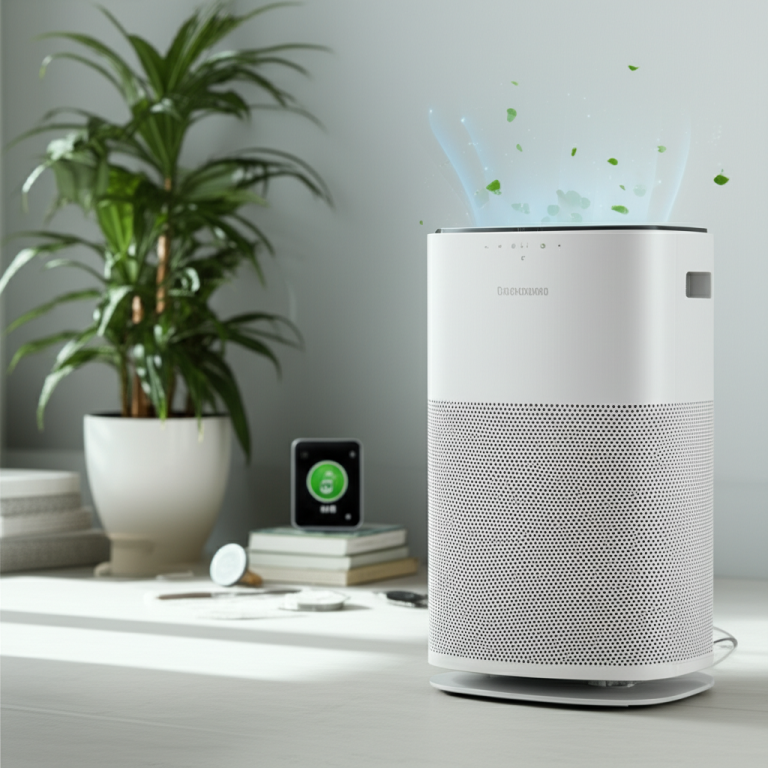
Activated carbon air purifiers for asthma offer a vital solution for improving indoor air quality and alleviating respiratory symptoms. These devices effectively trap common asthma triggers like volatile organic compounds (VOCs), smoke, and odors, providing much-needed relief for sufferers. Discover how they work and why they are essential for a healthier home environment.
Activated Carbon Air Purifiers For Asthma: Essential Relief for a Breath of Fresh Air
Living with asthma can feel like a constant battle against invisible triggers in your own home. The air you breathe, meant to sustain you, can sometimes exacerbate your condition, leading to wheezing, coughing, and shortness of breath. But what if there was a way to significantly improve your indoor air quality and find genuine relief? This article explores how activated carbon air purifiers for asthma can be a game-changer, offering a powerful and natural approach to managing your respiratory health. We’ll delve into the science behind them, their benefits, and how to choose the best one for your needs, so you can start breathing easier.
Understanding Asthma Triggers and Indoor Air Quality
Asthma is a chronic respiratory condition characterized by inflammation and narrowing of the airways. This inflammation makes the airways extra sensitive to various triggers present in our environment. Common culprits include dust mites, pet dander, pollen, mold spores, and even airborne chemicals. Poor indoor air quality can trap these allergens and irritants, making your home a persistent source of discomfort and potential asthma attacks.
The Science Behind Activated Carbon: A Natural Sponge for Pollutants
Activated carbon, also known as activated charcoal, is a highly porous material that undergoes a special heating process to increase its surface area. This intricate network of pores acts like a sponge, effectively adsorbing (not absorbing) a wide range of airborne contaminants. Its incredible adsorptive capacity makes it a powerful tool for purifying air, particularly for those sensitive to odors and chemicals.
How Activated Carbon Air Purifiers Help Asthma Sufferers
Activated carbon air purifiers for asthma work by drawing in air and passing it through a filter containing a substantial amount of activated carbon. As the air flows through, the carbon’s vast surface area traps volatile organic compounds (VOCs), smoke particles, pet odors, cooking fumes, and other gases that can irritate sensitive airways. This process significantly reduces the concentration of these airborne irritants, creating a cleaner breathing environment.
Key Pollutants Activated Carbon Effectively Targets
Activated carbon is exceptionally adept at removing gases and odors that HEPA filters alone cannot capture. This includes:
Volatile Organic Compounds (VOCs): Released from paints, cleaning supplies, furniture, and air fresheners.
Smoke: From cigarettes, fireplaces, or cooking.
Odors: Pet smells, cooking odors, mildew, and general staleness.
Gases: Such as nitrogen dioxide and sulfur dioxide, which can worsen respiratory issues.
The Role of HEPA Filters in a Comprehensive Air Purification System
While activated carbon excels at trapping gases and odors, it’s important to understand its synergy with HEPA (High-Efficiency Particulate Air) filters. HEPA filters are designed to capture at least 99.97% of airborne particles 0.3 microns in size, including dust mites, pollen, pet dander, and mold spores. For asthma sufferers, a combination air purifier with both a HEPA filter and an activated carbon filter provides the most comprehensive solution for tackling both particulate and gaseous pollutants.
Choosing the Right Activated Carbon Air Purifier for Your Needs
Selecting the best activated carbon air purifier for asthma involves considering several factors. The amount of activated carbon is crucial; a thicker, heavier carbon filter generally offers superior performance and longevity. Look for air purifiers with a substantial carbon pre-filter or a dedicated, thick activated carbon layer. Consider the size of the room the purifier will be used in and its CADR (Clean Air Delivery Rate) to ensure it can effectively clean the air.
Essential Features to Look for in an Asthma-Friendly Air Purifier
When shopping for an air purifier, prioritize features that enhance its effectiveness and user experience for asthma management. These include:
Multiple Filtration Stages: A pre-filter, True HEPA filter, and a substantial activated carbon filter offer the most complete air cleaning.
High Activated Carbon Content: Look for units that specify the weight or thickness of their carbon filter.
Coverage Area (CADR): Ensure the purifier is rated for the square footage of your room.
Low Noise Levels: Especially important for bedrooms or living spaces.
* Energy Efficiency: For cost-effective, continuous operation.
Where to Place Your Activated Carbon Air Purifier for Maximum Benefit
Strategic placement of your activated carbon air purifier for asthma can significantly enhance its effectiveness. The most beneficial locations are typically where you spend the most time, such as your bedroom, living room, or home office. Ensure the unit has ample space around it for optimal airflow and avoid placing it in corners or behind furniture, which can impede its ability to draw in and circulate air.
Maintenance and Filter Replacement: Keeping Your Purifier Effective
To ensure your activated carbon air purifier continues to provide essential relief for your asthma, regular maintenance is key. This primarily involves cleaning or replacing the filters according to the manufacturer’s recommendations. Carbon filters have a finite lifespan as their adsorptive capacity becomes saturated. Replacing them at the recommended intervals ensures the purifier continues to effectively trap odors and gases.
Typical Filter Lifespans and Replacement Needs:
| Filter Type | Typical Lifespan | Function |
| :————— | :————— | :—————————————————- |
| Pre-filter | 1-3 months | Captures larger particles like hair and dust bunnies. |
| HEPA Filter | 6-12 months | Removes microscopic allergens and pollutants. |
| Activated Carbon | 6-12 months | Adsorbs gases, odors, and VOCs. |
Beyond Activated Carbon: Other Air Quality Considerations for Asthma
While activated carbon air purifiers for asthma are a powerful tool, a holistic approach to indoor air quality is beneficial. This includes regular cleaning to reduce dust and allergens, controlling humidity to prevent mold growth, and identifying and removing sources of strong odors or chemical fumes. Consulting with an allergist or pulmonologist can also provide personalized strategies for managing your asthma.
Frequently Asked Questions About Activated Carbon Air Purifiers for Asthma
Can activated carbon air purifiers cure asthma?
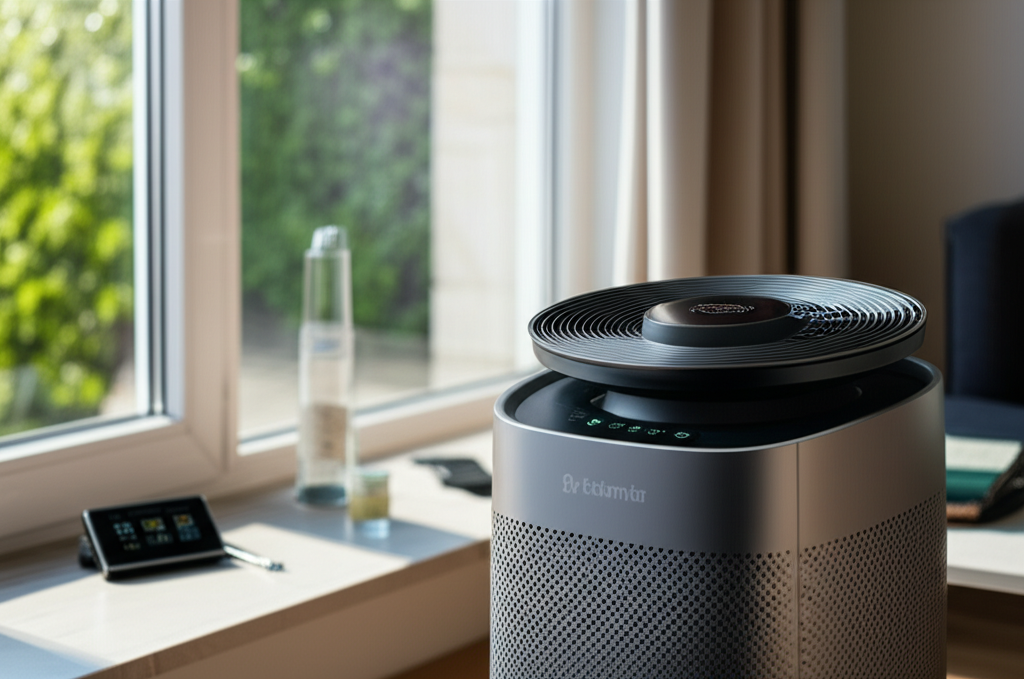
No, activated carbon air purifiers are not a cure for asthma. They are designed to improve indoor air quality by removing triggers, which can help manage symptoms and reduce the frequency or severity of asthma attacks.
How much activated carbon is needed in an air purifier for asthma?
A significant amount of activated carbon is beneficial. Look for purifiers with a substantial, thick carbon filter, often measured by weight. More carbon generally means better odor and gas removal capacity.
How often do I need to replace the activated carbon filter?
Replacement frequency varies by model and usage, but typically ranges from 6 to 12 months. Always follow the manufacturer’s guidelines for optimal performance.
Are there any downsides to using activated carbon air purifiers?
The main “downside” is the ongoing cost of filter replacements. Additionally, while effective for gases and odors, they don’t remove all airborne particles; a HEPA filter is usually needed for that.
Can activated carbon air purifiers remove pet dander and dust mites?
Activated carbon filters primarily target gases and odors. To effectively remove pet dander and dust mites, an air purifier with a True HEPA filter is essential.
Which brands offer good activated carbon air purifiers for asthma?
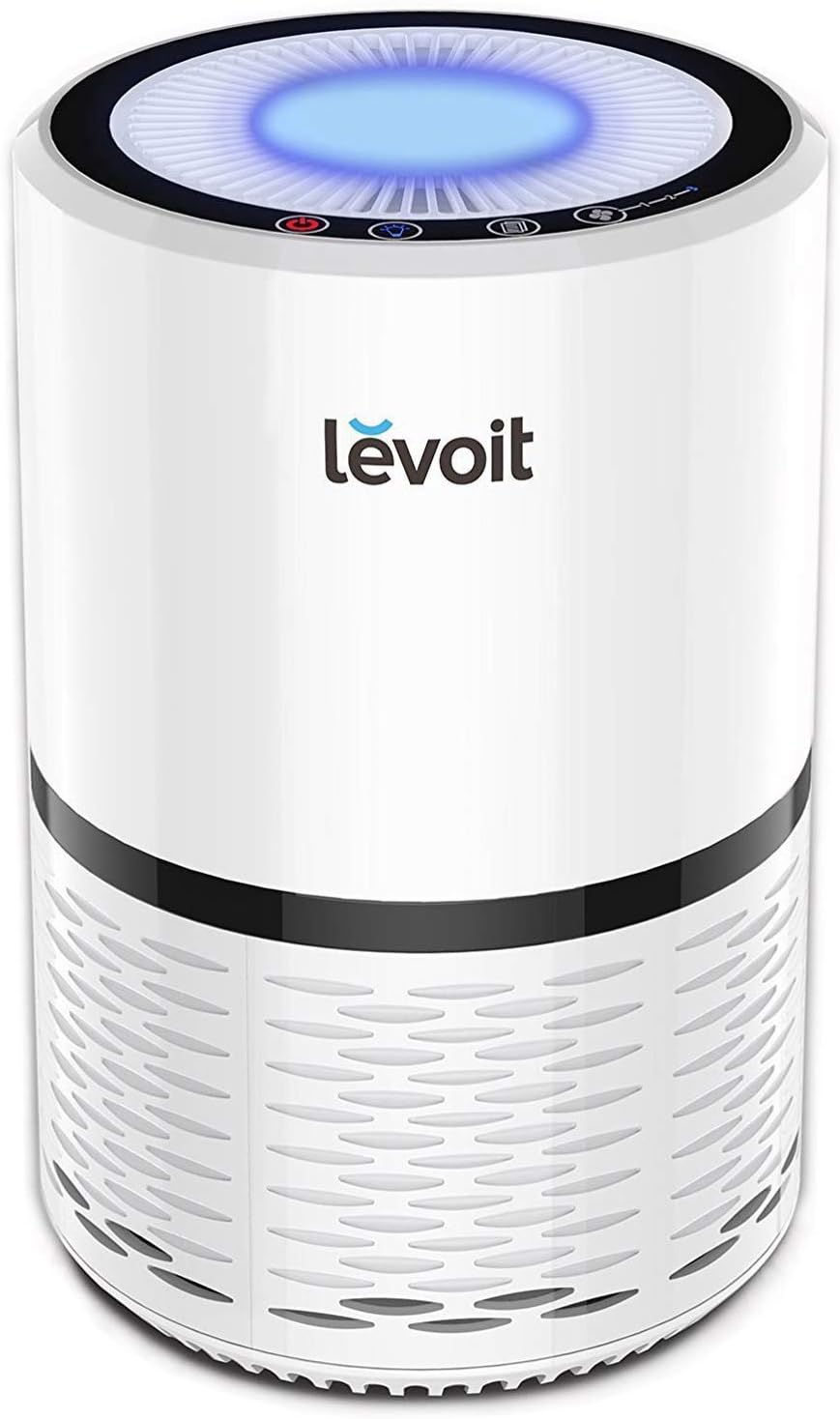
Reputable brands known for effective air purifiers with substantial activated carbon filters include Coway, Blueair, Levoit, and Winix. Always check specific model specifications.
Conclusion: Breathe Easier with the Power of Activated Carbon
For individuals managing asthma, creating a clean and healthy indoor environment is paramount. Activated carbon air purifiers for asthma offer a scientifically proven and effective way to tackle a broad spectrum of airborne irritants, particularly gases and odors that often go unaddressed by other filtration methods. By understanding how these purifiers work and choosing a unit with ample activated carbon alongside a HEPA filter, you can significantly reduce your exposure to common asthma triggers. Investing in a quality air purifier is an investment in your respiratory health, paving the way for fewer symptoms and a better quality of life. Take control of your indoor air and experience the relief of breathing cleaner, fresher air every day.