
Activated Carbon Air Purifiers For Allergy Relief: Essential Guide

Activated carbon air purifiers for allergy relief are a powerful solution for cleaner indoor air, effectively trapping allergens and irritants. This guide breaks down how they work, their benefits, and how to choose the best one for your needs, ensuring a healthier, sneeze-free home.
Activated Carbon Air Purifiers for Allergy Relief: Your Essential Guide
Are seasonal sniffles or year-round respiratory discomfort making your home feel less like a sanctuary and more like a trigger zone? You’re not alone. Millions struggle with indoor allergies, often worsened by unseen airborne particles like pollen, dust mites, pet dander, and mold spores. Fortunately, a powerful ally exists in the fight for cleaner air: activated carbon air purifiers. This guide will walk you through everything you need to know to find relief and breathe easier.
What Exactly is Activated Carbon and How Does it Work in Air Purifiers?
Activated carbon air purifiers leverage a highly porous material to capture airborne contaminants. The magic lies in its incredible surface area, allowing it to effectively adsorb a wide range of volatile organic compounds (VOCs), odors, and gases. This process traps microscopic irritants that trigger allergic reactions, offering a tangible solution for allergy sufferers.
The Science Behind Activated Carbon: Adsorption vs. Absorption
Understanding how activated carbon works is key to appreciating its effectiveness. It relies on a process called adsorption, where gas or liquid molecules adhere to the surface of the carbon. This is different from absorption, where molecules are taken into the bulk of the material. The vast, intricate network of pores within activated carbon provides an enormous surface area for these unwanted particles to cling to, effectively removing them from your air.
Why Activated Carbon is a Game-Changer for Allergy Sufferers
For those plagued by allergies, the benefits of activated carbon air purifiers are profound. They don’t just filter; they actively neutralize many common allergens and irritants. This leads to fewer allergy symptoms, better sleep, and an overall improved quality of life within your home.
Targeting the Invisible Culprits: How Activated Carbon Catches Allergens
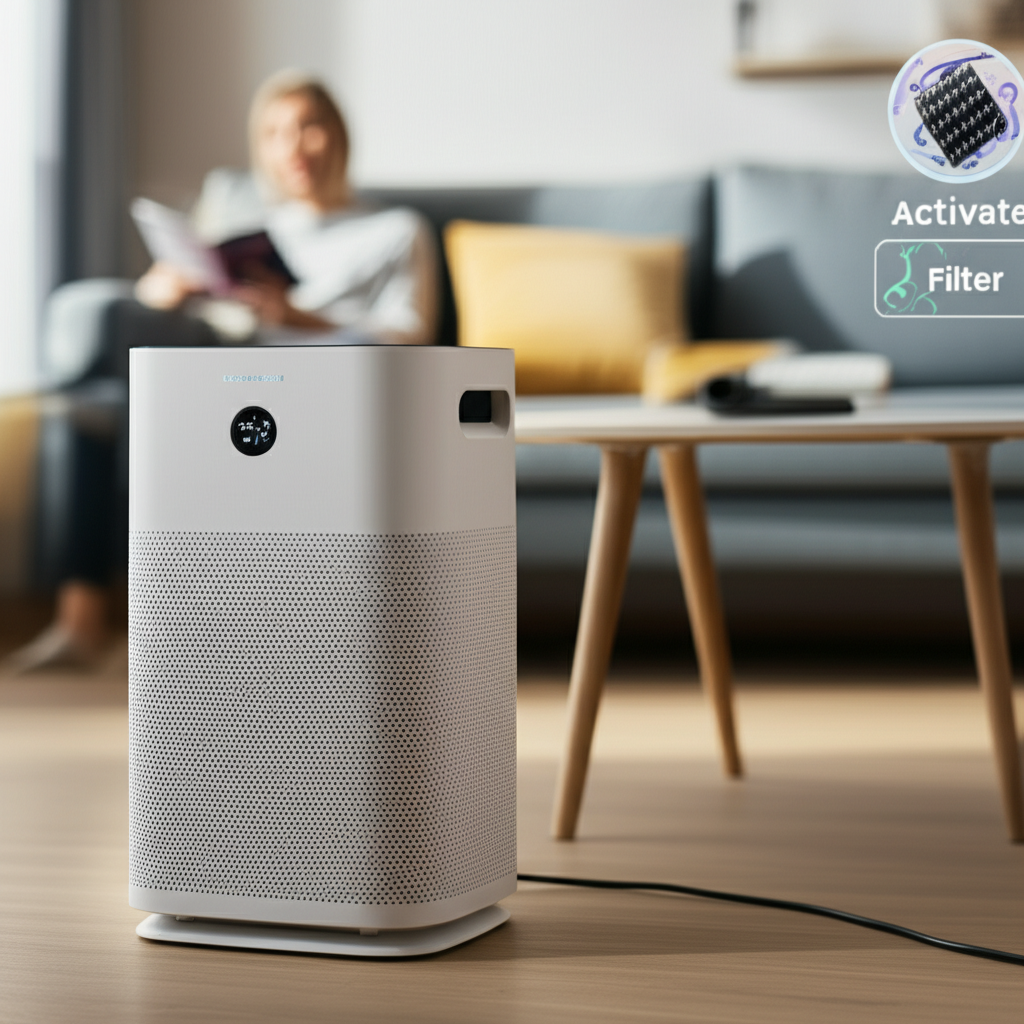
While HEPA filters excel at capturing larger particles like dust and pollen, activated carbon is specifically designed to tackle gases and odors. This includes VOCs released from cleaning products, furniture, and even cooking fumes, which can exacerbate allergy and asthma symptoms. It acts as a secondary line of defense, trapping what other filters might miss.
Key Benefits of Using Activated Carbon Air Purifiers for Allergy Relief
The advantages of integrating an activated carbon air purifier into your home are numerous, particularly for allergy sufferers. Beyond symptom reduction, they contribute to a healthier living environment.
Odor Neutralization: Beyond Just Smells
One of the most immediate benefits you’ll notice is the elimination of unpleasant odors. This isn’t just about making your home smell fresh; many odor-causing compounds can also be irritants. Activated carbon effectively neutralizes these, contributing to cleaner, more comfortable air.
VOC Removal: Tackling Hidden Household Toxins
Volatile Organic Compounds (VOCs) are emitted from everyday items like paints, air fresheners, and building materials. These can be potent allergens and irritants. Activated carbon’s porous structure traps these gaseous pollutants, significantly improving indoor air quality. You can learn more about VOCs and their impact on health from the Environmental Protection Agency (EPA).
Gas and Smoke Filtration: A Breath of Fresh Air
Whether it’s cooking smoke, cigarette smoke (if applicable), or other airborne gases, activated carbon is highly effective at trapping them. This is crucial for allergy sufferers who may be sensitive to even trace amounts of these irritants.
Types of Activated Carbon Filters in Air Purifiers
Not all activated carbon filters are created equal. The type and amount of carbon used can significantly impact the purifier’s performance.
Amount of Activated Carbon: More is Often Better
The effectiveness of an activated carbon filter is directly related to the quantity and quality of carbon it contains. Air purifiers designed for serious allergy relief typically feature substantial amounts of activated carbon, often measured in pounds. This ensures a longer lifespan and greater capacity for trapping pollutants.
Impregnated vs. Granular Activated Carbon
Activated carbon can be used in different forms. Granular activated carbon (GAC) consists of small, irregularly shaped particles, offering good airflow. Impregnated activated carbon has specific chemicals added to target particular pollutants, like formaldehyde or ammonia.
Choosing the Right Activated Carbon Air Purifier for Your Needs
Selecting the best activated carbon air purifier involves considering several factors tailored to your specific allergy concerns and home environment. A well-chosen unit can make a significant difference.
Assessing Your Allergy Triggers
First, identify what triggers your allergies most. If pollen and dust are primary concerns, a robust HEPA filter combined with activated carbon is ideal. For chemical sensitivities or strong odors, prioritize units with a substantial activated carbon layer.
Room Size and CADR Ratings
Ensure the air purifier is sized appropriately for the room you intend to use it in. Look for the Clean Air Delivery Rate (CADR) for smoke, dust, and pollen. Higher CADR ratings mean faster air purification. A good rule of thumb is to match the purifier’s recommended room size to your actual space.
Filter Layers: The Power of a Multi-Stage System
The most effective air purifiers use a multi-stage filtration system. This typically includes a pre-filter for larger particles, a True HEPA filter for microscopic allergens, and a substantial activated carbon filter for gases, odors, and VOCs. This comprehensive approach tackles a wider range of pollutants.
Noise Levels and Energy Efficiency
Consider the noise level, especially if the purifier will be in a bedroom or living area. Energy efficiency is also important for long-term running costs. Look for Energy Star certified models.
Top Features to Look For in Activated Carbon Air Purifiers for Allergy Relief
When comparing models, specific features can elevate an air purifier’s performance for allergy sufferers. Prioritizing these will lead to a more satisfying and effective solution.
Substantial Carbon Filter Weight
A heavier carbon filter generally means more activated carbon is present. For significant odor and VOC reduction, look for purifiers with carbon filters weighing at least a pound or more. This ensures a greater capacity to trap irritants.
True HEPA Filtration Integration
While activated carbon targets gases and odors, a True HEPA filter is essential for capturing airborne allergens like pollen, dust mites, and pet dander. The combination provides comprehensive air cleaning. According to the American College of Allergy, Asthma & Immunology (ACAAI), HEPA filters are highly recommended for allergy relief.
Activated Carbon Filter Lifespan and Replacement Costs
Activated carbon filters have a finite lifespan and will need replacement. Check the manufacturer’s recommendations for filter replacement frequency and the cost of replacement filters. This is a crucial factor in the long-term cost of ownership.
Smart Features and Controls
Some modern air purifiers offer smart features like automatic modes that adjust fan speed based on air quality, filter life indicators, and app control. These can enhance convenience and ensure optimal performance.
How Activated Carbon Air Purifiers Compare to Other Air Purification Methods
Understanding where activated carbon purifiers stand relative to other technologies provides valuable context for making an informed decision.
Activated Carbon vs. HEPA Filters
HEPA filters are excellent for trapping physical particles like pollen and dust. Activated carbon excels at adsorbing gases, odors, and VOCs. For comprehensive allergy relief, a combination of both is usually the most effective.
Activated Carbon vs. Ionizers and UV-C Lights
Ionizers release charged particles that can cause allergens to clump together and fall out of the air, but they can also produce ozone, a lung irritant. UV-C lights kill germs but are less effective against common allergens. Activated carbon is generally considered a safer and more effective solution for a broad range of allergy triggers.
Activated Carbon vs. Electrostatic Precipitators
Electrostatic precipitators use electric charges to capture particles. While effective, they can also produce ozone. Activated carbon offers a passive, ozone-free method for adsorbing gases and odors.
Maintaining Your Activated Carbon Air Purifier for Peak Performance
Proper maintenance is crucial to ensure your activated carbon air purifier continues to provide optimal allergy relief. Regular care maximizes its effectiveness and lifespan.
Regular Filter Checks and Replacements
Follow the manufacturer’s guidelines for checking and replacing filters. Pre-filters should be cleaned or replaced regularly, while HEPA and activated carbon filters have a limited lifespan. Ignoring this can reduce purification efficiency.
Cleaning the Unit’s Exterior and Interior
Keep the air purifier clean by dusting the exterior and gently cleaning any accessible interior components. This prevents dust buildup that could hinder airflow or contribute to recirculating contaminants.
Optimal Placement for Maximum Effectiveness
Place your air purifier in the room where you spend the most time, such as your bedroom or living room. Ensure it has adequate space around it for proper airflow, avoiding corners or obstructions.
Common Questions About Activated Carbon Air Purifiers for Allergy Relief (FAQ)
Here are answers to some common questions about using activated carbon air purifiers for allergy relief.
Will an activated carbon air purifier eliminate all my allergy symptoms?
While activated carbon air purifiers can significantly reduce airborne allergens and irritants, they may not eliminate all symptoms, especially if your allergies are triggered by factors not addressed by air purification, such as certain foods or direct contact with allergens. They are a powerful tool in managing symptoms by improving indoor air quality.
How often do I need to replace the activated carbon filter?
The replacement frequency for activated carbon filters varies by manufacturer and usage. Typically, they need replacement every 6-12 months. Always refer to your air purifier’s manual for specific recommendations and check the filter for signs of saturation, such as a return of odors.
Can activated carbon air purifiers help with pet dander allergies?
Yes, activated carbon air purifiers, especially those combined with True HEPA filters, are very effective at capturing pet dander, a common allergen. The HEPA filter traps the dander particles, while the activated carbon helps to neutralize the associated odors.
Are there any downsides to using activated carbon air purifiers?
The main downside is that activated carbon filters have a limited lifespan and require regular replacement, adding to the ongoing cost. Some purifiers can also be noisy on higher settings, and the effectiveness depends on the amount and quality of activated carbon used.
How do I know if my activated carbon filter needs changing?
Signs that your activated carbon filter needs changing include a return of odors that the purifier previously eliminated, a noticeable decrease in air freshness, or when the filter life indicator on your unit signals it’s time. Some filters may also appear visibly dirty or clogged.
Can activated carbon air purifiers help with mold allergies?
Activated carbon air purifiers can help by trapping airborne mold spores. However, they do not eliminate the source of mold growth. Addressing moisture issues and cleaning visible mold are crucial steps alongside using an air purifier for effective mold allergy management.
Conclusion: Breathe Easier with Activated Carbon Air Purifiers
Investing in activated carbon air purifiers for allergy relief is a proactive step towards creating a healthier, more comfortable home environment. By understanding how these devices work and choosing the right model for your needs, you can significantly reduce exposure to common allergens and irritants. With proper maintenance, your air purifier will continue to provide the clean air you deserve, allowing you to enjoy your home without the constant burden of allergy symptoms. Take control of your indoor air quality and experience the difference a breath of fresh, purified air can make.
