Cuisinart Air Purifier Filters: Essential & Proven Guide

This comprehensive guide dives deep into Cuisinart air purifier filters, covering their types, replacement schedules, and maintenance tips to ensure optimal air quality in your home. Discover how to choose the right filters and keep your Cuisinart unit running efficiently for cleaner, healthier air.
Breathe easy knowing that your Cuisinart air purifier is working diligently to remove pollutants from your home. The heart of this efficiency lies in its filters. When these essential components become clogged or worn, their performance diminishes, impacting the air you breathe. This guide will demystify Cuisinart air purifier filters, offering proven advice to keep your unit in top shape. We’ll explore everything from understanding different filter types to knowing when and how to replace them, ensuring your Cuisinart continues to deliver fresh, clean air.
Understanding Your Cuisinart Air Purifier Filters
Cuisinart air purifiers utilize a multi-stage filtration system designed to capture a wide array of airborne contaminants. Each layer plays a crucial role in purifying your air, from large particles to microscopic allergens and odors. Understanding these filters is the first step to maximizing your air purifier’s effectiveness and ensuring a healthier living environment.
The Multi-Stage Filtration Process

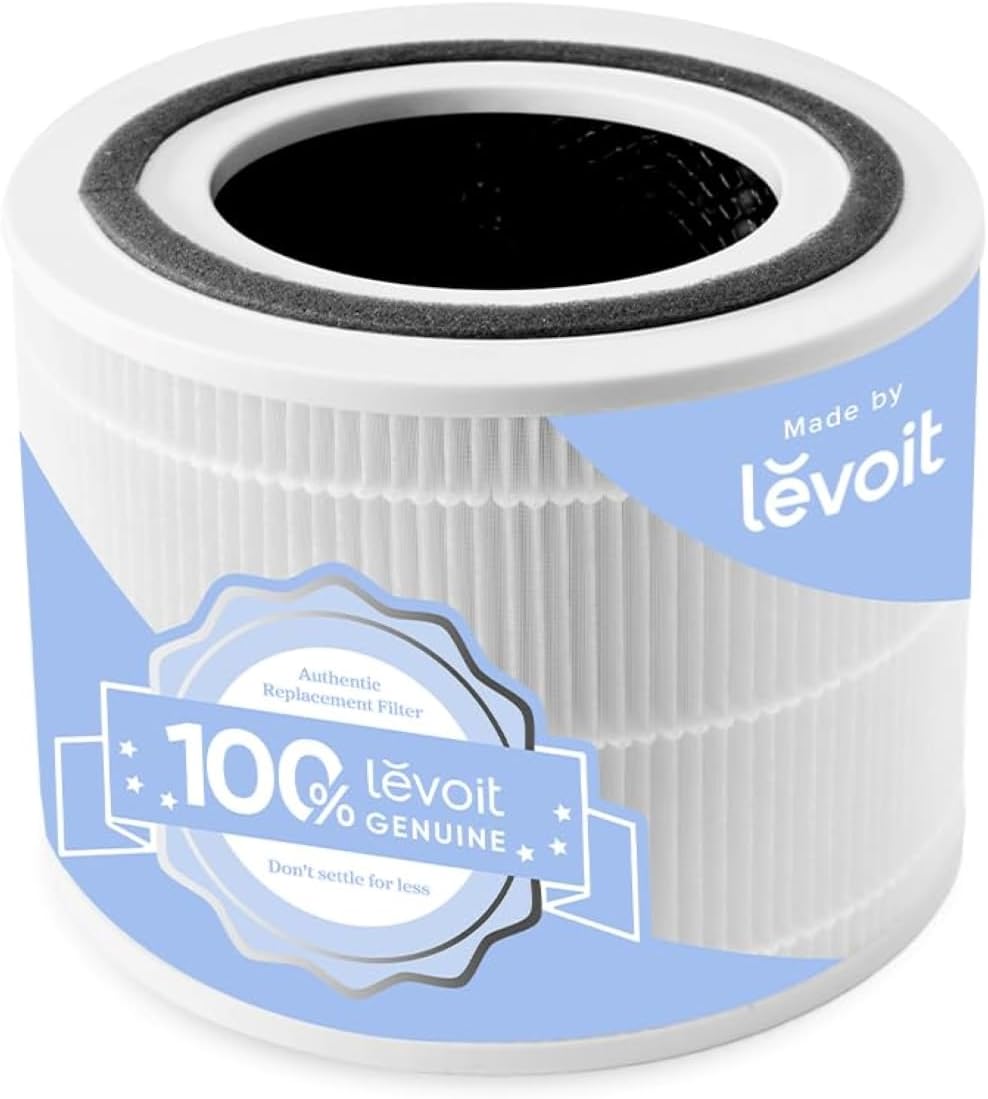
Most Cuisinart air purifiers employ a three-stage filtration system. This layered approach ensures that different types of pollutants are captured efficiently. The pre-filter traps larger particles, the activated carbon filter tackles odors and gases, and the HEPA filter captures the smallest allergens and irritants.
Types of Cuisinart Air Purifier Filters
Cuisinart offers various filter types tailored to different models and purification needs. While the core components remain similar, understanding the specifics for your unit is key. These filters are designed to work in concert, providing comprehensive air cleaning.
Pre-Filters: The First Line of Defense
The pre-filter is the initial barrier in your Cuisinart air purifier. It’s designed to catch larger airborne particles like dust, pet hair, and lint. This crucial first step prevents these larger debris from reaching and clogging the more sensitive filters within the system, thereby extending their lifespan.
Activated Carbon Filters: Odor and Gas Neutralizers
Activated carbon filters are essential for eliminating unpleasant odors and volatile organic compounds (VOCs). The porous nature of activated carbon allows it to adsorb gases and smells from cooking, smoke, pets, and other household sources. This makes your home smell fresher and reduces exposure to harmful airborne chemicals.
HEPA Filters: Capturing Microscopic Allergens
High-Efficiency Particulate Air (HEPA) filters are the workhorses for capturing fine particles. True HEPA filters are certified to remove at least 99.97% of airborne particles as small as 0.3 microns. This includes allergens like pollen, mold spores, dust mites, and pet dander, significantly improving air quality for allergy sufferers.
When to Replace Your Cuisinart Air Purifier Filters
Regular filter replacement is paramount for maintaining the optimal performance of your Cuisinart air purifier. Neglecting this crucial maintenance can lead to reduced air purification efficiency, increased energy consumption, and a potential breeding ground for bacteria. Knowing the signs and recommended schedule ensures your unit continues to deliver clean air.
Recommended Replacement Schedule
Cuisinart typically recommends replacing the HEPA and activated carbon filters every 6 to 12 months, depending on usage and air quality. The pre-filter, being washable, can be cleaned more frequently, usually every 2 to 4 weeks. Always consult your specific Cuisinart model’s manual for the most accurate recommendations.
Signs Your Filters Need Replacing
Several indicators suggest it’s time to change your Cuisinart air purifier filters. A noticeable decrease in air output or unusual noises from the unit can signal clogged filters. Additionally, if you start noticing familiar odors returning or if the air quality doesn’t seem as fresh, it’s a strong indication that your filters are no longer effective.
The Impact of Filter Lifespan on Performance
Over time, filters become saturated with captured pollutants. A clogged HEPA filter struggles to pull air through, reducing the volume of air being purified. Similarly, an exhausted activated carbon filter loses its ability to adsorb odors and gases. This diminished capacity means your Cuisinart air purifier is no longer effectively cleaning your air, rendering it less beneficial.
How to Clean and Maintain Your Cuisinart Air Purifier Filters
Proper maintenance not only extends the life of your Cuisinart air purifier filters but also ensures they function at their peak. While HEPA and carbon filters are typically disposable, the pre-filter is often washable, offering a cost-effective and eco-friendly maintenance option. Regular cleaning and careful handling can make a significant difference.
Cleaning the Washable Pre-Filter
To clean your Cuisinart air purifier’s washable pre-filter, gently vacuum it to remove loose dust and debris. For a more thorough clean, you can rinse it under cool running water. Ensure the pre-filter is completely dry before reinserting it into the unit to prevent moisture buildup. This simple step significantly prolongs the life of your other filters.
Handling Disposable Filters
When it’s time to replace the HEPA and activated carbon filters, handle them with care. Avoid touching the HEPA filter media directly, as oils from your skin can degrade its performance. Dispose of the old filters properly and ensure the new ones are correctly seated in the air purifier to maintain a proper seal.
Tips for Extending Filter Life
To maximize the lifespan of your Cuisinart air purifier filters, place the unit in a central location away from walls or furniture that could obstruct airflow. Running the unit on a lower setting when possible can also reduce wear and tear. Regular dusting of surrounding areas will also reduce the load on the pre-filter.
Choosing the Right Cuisinart Air Purifier Filters
Selecting the correct replacement filters for your Cuisinart air purifier is crucial for optimal performance and to avoid potential damage to your unit. Using incompatible filters can lead to poor air purification, increased noise, and even system failure. Ensuring you have the right fit guarantees your Cuisinart continues to deliver the clean air you expect.
Identifying Your Cuisinart Model Number
The first step in finding the right Cuisinart air purifier filters is to locate your air purifier’s model number. This information is typically found on a sticker on the back or bottom of the unit. Knowing your exact model number will allow you to search for the precise filter set designed for your specific appliance.
Genuine vs. Compatible Filters
Cuisinart offers genuine replacement filters specifically designed for their air purifiers. While compatible filters may be available at a lower price point, genuine filters are engineered to meet the exact specifications of your unit, ensuring optimal fit and performance. For best results and to maintain your warranty, sticking with genuine Cuisinart air purifier filters is generally recommended.
Where to Purchase Cuisinart Air Purifier Filters
You can purchase Cuisinart air purifier filters directly from the Cuisinart website, authorized appliance retailers, and major online marketplaces like Amazon. Comparing prices and reading reviews can help you find the best deals. Always buy from reputable sellers to ensure you receive authentic products.
Troubleshooting Common Cuisinart Air Purifier Filter Issues
Even with regular maintenance, you might encounter issues with your Cuisinart air purifier filters. Understanding common problems and their solutions can help you quickly restore your unit’s functionality. These troubleshooting tips are designed to be straightforward and effective for most users.
Filter Replacement Indicator Lights
Many Cuisinart air purifiers feature a filter replacement indicator light that illuminates when it’s time for a change. If this light stays on after you’ve replaced the filters, you may need to reset the indicator. Consult your user manual for the specific reset procedure for your model, as it often involves pressing and holding a particular button.
Reduced Airflow or Strange Noises
If you notice a significant drop in airflow or hear unusual noises, it’s often a sign of clogged filters or improper filter installation. Ensure the filters are seated correctly and that no packaging material was left on them. If the issue persists after filter replacement, the motor or fan might require professional attention.
Persistent Odors Despite Filter Changes
If your Cuisinart air purifier continues to emit odors even after replacing the activated carbon filter, the problem might be deeper. The interior components of the purifier itself could be harboring dust or mold. In such cases, a thorough cleaning of the unit’s interior, or even replacing the entire filter set again, might be necessary.
Maximizing the Efficiency of Your Cuisinart Air Purifier
Beyond regular filter changes, several practices can help you get the most out of your Cuisinart air purifier. These tips focus on optimizing airflow, placement, and overall unit care to ensure consistent, high-quality air purification in your home. A well-maintained purifier provides superior air quality benefits.
Optimal Placement Strategies
Positioning your Cuisinart air purifier strategically is key to efficient operation. Place it on a level surface in a central area of the room you use most frequently. Avoid placing it directly against walls or furniture, as this can restrict airflow and hinder its ability to circulate and purify air effectively. Keeping it away from heat sources or direct sunlight is also beneficial.
Understanding Airflow and Circulation
Air purifiers work by drawing in surrounding air, passing it through the filters, and expelling cleaner air. For maximum efficiency, ensure there’s ample space around your Cuisinart unit for unobstructed airflow. Consider running it on a medium setting for continuous purification, switching to a higher setting during periods of increased pollutant levels, like when cooking or during allergy season.
Energy Efficiency Considerations
While Cuisinart air purifiers are designed to be energy-efficient, choosing the right fan speed can further optimize power consumption. Running the unit on lower settings when air quality is good and only increasing the speed when necessary can lead to noticeable savings on your electricity bill. The cost of replacement filters is also a factor to consider in overall operational expenses.
The Long-Term Benefits of Clean Cuisinart Air Purifier Filters
Investing in and maintaining your Cuisinart air purifier filters offers significant long-term advantages for your health and home environment. Consistent use of clean filters contributes to a healthier living space and a more efficient appliance. This proactive approach pays dividends in overall well-being and appliance longevity.
Improved Indoor Air Quality
The most profound benefit of clean Cuisinart air purifier filters is the consistent improvement in your indoor air quality. By effectively removing allergens, pollutants, and odors, you create a healthier environment for everyone, especially for individuals with respiratory issues, allergies, or asthma. This leads to fewer allergy flare-ups and a generally more comfortable living space.
Reduced Health Risks
Prolonged exposure to indoor air pollutants can contribute to various health problems, including respiratory infections, headaches, and long-term chronic conditions. Regularly replacing your Cuisinart air purifier filters ensures that these harmful particles are continuously removed, thereby reducing your family’s exposure and mitigating associated health risks. Clean air is fundamental to good health.
Extended Appliance Lifespan
By preventing dust and debris from accumulating within the Cuisinart air purifier’s internal components, clean filters protect the motor and fan from unnecessary strain. This proactive maintenance can significantly extend the overall lifespan of your appliance, saving you money on premature replacements and ensuring you continue to benefit from cleaner air for years to come.
Frequently Asked Questions About Cuisinart Air Purifier Filters
How often should I replace my Cuisinart air purifier HEPA filter?
Generally, Cuisinart recommends replacing the HEPA filter every 6 to 12 months, but this can vary based on usage and your home’s air quality. Always check your model’s manual for specific guidance.
Can I wash my Cuisinart HEPA filter?
No, HEPA filters are not washable and should be replaced when they are no longer effective. Only the pre-filter is typically designed to be washed.
What happens if I don’t replace my Cuisinart air purifier filters?
If you don’t replace your filters, the purifier’s efficiency will decrease significantly, it may stop purifying air effectively, and it could even lead to motor damage or reduced lifespan.
Are Cuisinart compatible filters as good as genuine ones?
While compatible filters can be cheaper, genuine Cuisinart air purifier filters are designed to meet the exact specifications of your unit, ensuring optimal fit, performance, and potentially maintaining your warranty.
My Cuisinart air purifier filter light is still on after replacing the filters. What should I do?
You likely need to reset the filter indicator light. The method varies by model, but it usually involves pressing and holding a specific button for several seconds. Refer to your Cuisinart user manual for the correct reset procedure.
How can I tell if my Cuisinart air purifier filter needs cleaning or replacing?
Signs include reduced airflow from the unit, increased noise, a visible layer of dust on the filter, or a return of odors in your home. The filter replacement indicator light is also a key signal.
Conclusion: The Vital Role of Cuisinart Air Purifier Filters
Maintaining clean and effective Cuisinart air purifier filters is not merely a suggestion; it’s a fundamental requirement for enjoying the full benefits of your appliance. These essential components are the frontline defense against airborne pollutants, ensuring the air you breathe is as pure as possible. By understanding the different types of Cuisinart air purifier filters, adhering to recommended replacement schedules, and performing basic maintenance, you actively contribute to a healthier home environment and prolong the life of your Cuisinart unit.