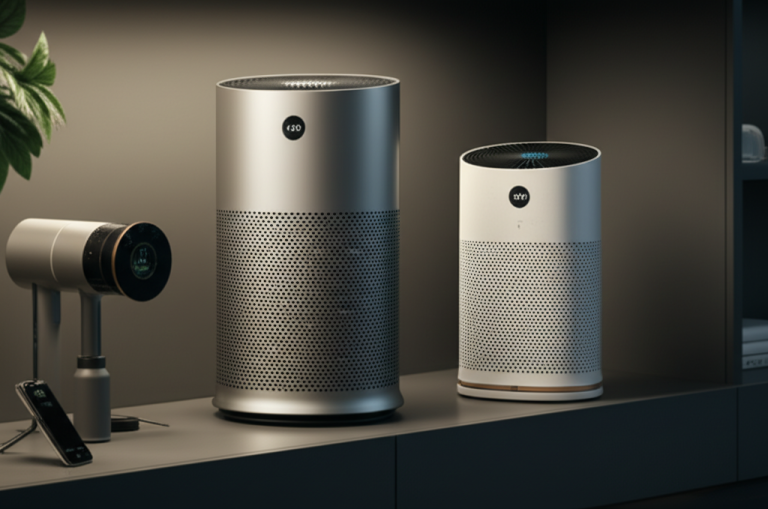
Air Purifier With Ioniser: Essential For Healthy Learning

An air purifier with an ioniser is crucial for creating a healthy learning environment, reducing airborne pollutants and improving cognitive function for students and educators alike.
Breathe Easier, Learn Better: Why an Air Purifier with Ioniser is a Classroom Essential
The air we breathe significantly impacts our well-being, and this is especially true in environments dedicated to learning. Stale, polluted air can lead to fatigue, reduced concentration, and even illness, hindering academic progress. Fortunately, a simple yet effective solution exists: an air purifier with an ioniser. This innovative technology actively combats indoor air pollutants, creating a fresher, healthier atmosphere conducive to focused learning.
Understanding the Problem: The Invisible Threat in Learning Spaces
Many learning spaces, from classrooms to home study areas, suffer from poor indoor air quality. This isn’t just about dust; it includes volatile organic compounds (VOCs) from cleaning supplies and building materials, allergens like pollen and pet dander, and even microscopic pathogens. These invisible threats can accumulate unnoticed, impacting cognitive function and overall health.
What is an Air Purifier with Ioniser? A Deeper Dive
An air purifier with an ioniser is a device designed to clean the air. It typically combines traditional filtration methods with an ionisation process. This dual-action approach tackles a wider range of airborne contaminants, making it a powerful tool for improving indoor air quality.
How Ionisers Work to Clean Your Air
Ionisers work by releasing negatively charged ions into the air. These ions attach themselves to positively charged particles like dust, pollen, and smoke. This process causes the particles to clump together and become heavier, causing them to fall out of the air.
The Science Behind Negative Ions and Air Quality
Negative ions are naturally found in environments like forests and near waterfalls, where the air is often perceived as fresher. When an ioniser replicates this process indoors, it helps to neutralize airborne pollutants, making the air feel cleaner and more invigorating. Studies suggest a link between negative ion exposure and improved mood and cognitive function.
The Synergy: How Ionisers Enhance Air Purification
While traditional air purifiers use filters to trap particles, ionisers add an extra layer of defense. By clumping smaller particles together, the ioniser makes it easier for the air purifier’s filters to capture them more effectively. This means a cleaner, healthier breathing space for everyone.
Benefits for Students: Boosting Focus and Reducing Sickness
For students, clear air is directly linked to better academic performance. Reduced exposure to allergens and pollutants can mean fewer sick days and less time spent feeling sluggish or unfocused. A healthier learning environment fosters greater engagement and a more positive attitude towards studies.
Improving Concentration and Cognitive Function
When the air is clean, the brain receives more oxygen, leading to improved concentration and cognitive performance. Students can absorb information more effectively and maintain focus for longer periods, crucial for complex subjects and extended study sessions.
Reducing Allergy and Asthma Symptoms
Many students suffer from allergies or asthma, which can be triggered by airborne irritants. An air purifier with an ioniser can significantly reduce these triggers, leading to fewer respiratory issues and a more comfortable learning experience. This is particularly important for children whose developing lungs are more sensitive.
Minimizing the Spread of Airborne Illnesses
In shared learning spaces like classrooms, the rapid spread of colds, flu, and other airborne illnesses is a constant concern. Ionisers can help neutralize airborne viruses and bacteria, reducing the risk of transmission and keeping students and educators healthier throughout the academic year.
Benefits for Educators and Learning Environments
Educators also benefit greatly from improved air quality. A healthier classroom means a more comfortable teaching environment, leading to reduced teacher fatigue and absenteeism. A proactive approach to air quality demonstrates a commitment to student well-being.
Creating a More Productive Teaching Space
Teachers can focus more on instruction and less on managing student discomfort or illness when the air quality is optimal. This leads to a more efficient and productive learning environment for everyone involved.
Demonstrating a Commitment to Health and Safety
Implementing an air purifier with an ioniser signals a strong commitment to the health and safety of students and staff. This can enhance the reputation of educational institutions and provide peace of mind to parents and guardians.
Choosing the Right Air Purifier with Ioniser for Your Needs
Selecting the best air purifier with an ioniser involves considering several factors. Not all models are created equal, and understanding your specific needs will help you make an informed decision.
Key Features to Look For
When shopping, prioritize HEPA filtration for trapping fine particles, activated carbon filters for odors and VOCs, and a quiet operation mode for minimal disruption. Ensure the ioniser can be turned on or off, as some individuals may be sensitive to ozone, a byproduct of certain ionisation technologies.
Understanding Ozone Production and Safety
It’s important to note that some ionisers can produce small amounts of ozone. Look for models certified by organizations like the California Air Resources Board (CARB) to ensure they meet strict ozone emission standards. Alternatively, choose ionisers that use technologies specifically designed to minimize ozone production.
Comparing Different Types of Ionisers
There are various ionisation technologies, including corona discharge and bipolar ionisation. Bipolar ionisation is generally considered safer as it produces significantly less ozone. Researching the specific technology used by a product is advisable.
Integrating an Air Purifier with Ioniser into Learning Spaces
Seamlessly integrating an air purifier with an ioniser into any learning environment is straightforward. Placement and maintenance are key to maximizing its effectiveness.
Optimal Placement for Maximum Effectiveness
Place the air purifier in a central location within the learning space. Avoid placing it directly against walls or furniture, as this can obstruct airflow. Ensure it’s within reach for easy operation and filter changes.
Maintenance and Filter Replacement Schedules
Regular maintenance is crucial for an air purifier to function optimally. Follow the manufacturer’s recommendations for cleaning pre-filters and replacing HEPA and carbon filters. This ensures the device continues to capture pollutants efficiently.
Air Purifier with Ioniser vs. Other Air Quality Solutions
While ventilation and regular cleaning are important, an air purifier with an ioniser offers a more active and comprehensive approach to indoor air purification. It complements existing strategies by targeting airborne contaminants directly.
Comparing with Traditional Ventilation Systems
Ventilation systems introduce fresh outdoor air, which is beneficial. However, they can also bring in outdoor pollutants like pollen and smog. An air purifier with an ioniser cleans the air already inside, regardless of outdoor conditions.
The Role of Air Purifiers in a Holistic Approach
An air purifier with an ioniser is a vital component of a holistic approach to healthy indoor air. It works best when combined with good ventilation practices, regular cleaning, and minimizing the use of strong chemicals.
Real-World Impact: Case Studies and Testimonials
Many schools and families have already experienced the benefits of using air purifiers with ionisers. Reports often highlight reduced absenteeism, improved student focus, and a general sense of a healthier environment.
Success Stories from Educational Institutions
Several school districts have implemented air purification programs, reporting fewer student illnesses and a more positive learning atmosphere. These initiatives demonstrate a forward-thinking approach to student well-being.
Feedback from Parents and Students
Parents often notice a decrease in their children’s allergy symptoms and a general improvement in their child’s energy levels and focus after introducing an air purifier with an ioniser into their home study areas. Students themselves may report feeling less tired or experiencing fewer headaches.
Frequently Asked Questions About Air Purifiers with Ionisers
Let’s address some common questions to help you make the best decision for your learning environment.
Q1: Can an air purifier with an ioniser produce too much ozone?
A1: Some older or poorly designed models can. However, reputable brands offer units certified to meet strict ozone safety standards, producing negligible amounts. Always check for certifications like CARB.
Q2: Are air purifiers with ionisers safe for children?
A2: Yes, when using a certified low-ozone model, they are safe and beneficial for children. They help reduce allergens and airborne irritants that can affect young respiratory systems.
Q3: How often do I need to replace the filters?
A3: Filter replacement frequency varies by model and usage. Typically, HEPA filters need replacement every 6-12 months, and carbon filters every 3-6 months. Always consult your user manual.
Q4: Can an air purifier with an ioniser help with pet dander in a classroom?
A4: Absolutely. The ioniser helps clump dander particles, and the HEPA filter effectively captures them, significantly reducing allergens for students and staff.
Q5: Do ionisers make a lot of noise?
A5: Most modern air purifiers are designed for quiet operation. Many have a “sleep mode” or low fan speed that is virtually inaudible, ideal for learning environments.
Q6: What is the difference between an ioniser and a regular air purifier?
A6: A regular air purifier primarily uses filters to trap pollutants. An air purifier with an ioniser adds the function of releasing ions to help neutralize and clump airborne particles before they are filtered.
Conclusion: Investing in Healthier Learning Through Cleaner Air
An air purifier with an ioniser is more than just an appliance; it’s a vital investment in the health and academic success of students and educators. By actively removing pollutants and creating a fresher atmosphere, these devices foster better concentration, reduce illness, and contribute to a more positive and productive learning experience. Prioritizing clean air is prioritizing learning.