
Can Dyson Air Purifier Filter Viruses? Essential Guide

Yes, Dyson air purifiers can filter viruses, capturing them with advanced HEPA filtration systems. This guide explains how they work, what to look for, and how to maximize their effectiveness for a healthier home environment.
The presence of viruses in our homes is a constant concern, especially for families and those with compromised immune systems. You might be wondering, “Can Dyson air purifiers actually filter out these tiny, invisible threats?” The good news is that advanced air purification technology, like that found in Dyson machines, is designed to tackle these very particles. We’ll delve into the specifics, demystifying how these devices work and what makes them a valuable addition to your home’s defense against airborne pathogens. Get ready to understand the science behind cleaner air and how Dyson can help protect your loved ones.
How Dyson Air Purifiers Capture Viruses
Dyson air purifiers are engineered with sophisticated filtration systems that can effectively capture microscopic particles, including viruses. These machines utilize a combination of sealed HEPA filtration and activated carbon filters to trap airborne contaminants. The HEPA filter is crucial for capturing virus-sized particles, while the activated carbon helps remove gases and odors.
The Science Behind Dyson’s Filtration
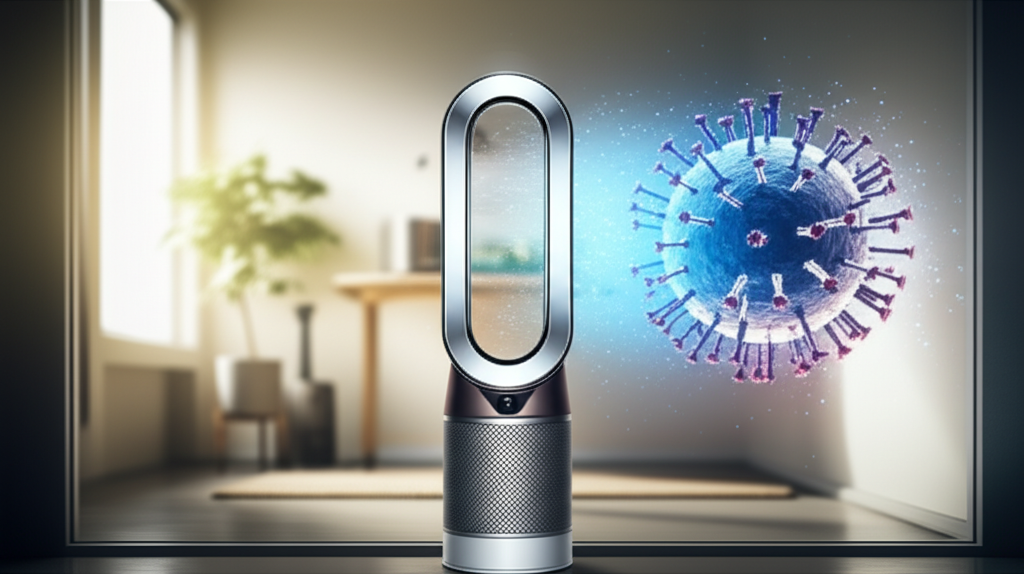
Dyson’s commitment to air quality is evident in their multi-stage filtration process. Their machines are designed to capture an impressive range of pollutants, from allergens and dust to bacteria and, yes, viruses. The sealed nature of their filtration system ensures that no air bypasses the filters, meaning all the air you breathe has been thoroughly purified.
Understanding HEPA Filtration for Viruses
HEPA, which stands for High-Efficiency Particulate Air, is a standard for air filters. A true HEPA filter is certified to remove at least 99.97% of particles that are 0.3 microns in size. While viruses themselves are often smaller than 0.3 microns, they typically travel attached to larger particles like dust or moisture droplets, which are easily captured by HEPA filters. This makes HEPA filtration a highly effective method for reducing the presence of viruses in the air.
The Role of Activated Carbon
Beyond just particles, Dyson purifiers also employ activated carbon filters. These are particularly effective at adsorbing gases, volatile organic compounds (VOCs), and odors. While not directly filtering viruses, this component contributes to overall air quality by removing other harmful airborne substances, creating a more comprehensively clean environment.
Which Dyson Models Are Best for Virus Filtration?
Dyson offers a range of air purifiers, and most of their modern models are equipped with the necessary filtration technology to capture viruses. Key features to look for include HEPA filtration and a sealed system. Newer models often boast enhanced sensing capabilities to monitor air quality in real-time.
Key Features to Look for in Dyson Purifiers
When selecting a Dyson air purifier for virus filtration, prioritize models that explicitly state they use a HEPA filter and have a fully sealed filtration system. Look for certifications like Asthma & Allergy Friendly or Energy Star, which indicate a commitment to air quality and efficiency. Dyson’s app integration also provides valuable insights into your home’s air quality and filter status.
Dyson’s Sealed System Explained
A sealed system is paramount for effective air purification. It means that the entire housing of the purifier is airtight, preventing polluted air from leaking back into the room without passing through the filters. Dyson emphasizes this design in their products, ensuring that every bit of air is treated before being released.
Specific Dyson Models and Their Capabilities
While Dyson’s entire modern range is designed for effective purification, models like the Dyson Purifier Cool, Dyson Purifier Hot+Cool, and the Dyson Purifier Humidify+Cool are excellent choices. These often combine advanced HEPA and activated carbon filtration with smart features like air quality sensing and app control, providing comprehensive protection and convenience.
How to Maximize Your Dyson Air Purifier’s Effectiveness
Simply owning a Dyson air purifier is the first step, but proper usage and maintenance are crucial for optimal performance, especially when it comes to filtering out viruses. Ensuring the unit is correctly placed and filters are regularly maintained will significantly enhance its ability to clean your air.
Proper Placement for Optimal Airflow
The placement of your Dyson air purifier can significantly impact its effectiveness. For best results, place it in a central location within the room, away from walls or furniture that could obstruct airflow. This allows the purifier to circulate and clean the air more efficiently throughout the entire space.
Understanding Filter Replacement Cycles
Dyson air purifiers have filters that need to be replaced periodically to maintain their efficiency. The lifespan of a filter depends on usage and the level of pollution in your environment. Your Dyson machine will typically alert you when a filter needs changing, ensuring you always have optimal filtration.
Utilizing Smart Features and Modes
Many Dyson purifiers come with intelligent auto modes that adjust fan speed based on real-time air quality readings. Utilizing these features ensures the purifier works efficiently without constant manual adjustment. The Dyson Link app can provide detailed air quality reports and allow you to control your purifier remotely.
Beyond Filtration: Other Factors for a Virus-Free Home
While an air purifier is a powerful tool, creating a healthier home environment against viruses involves a multi-faceted approach. Combining air purification with good hygiene practices and ventilation can create a more robust defense.
The Importance of Ventilation
Even with a high-quality air purifier, fresh air circulation is vital. Opening windows regularly, even for short periods, can help dilute indoor air pollutants and reduce the concentration of airborne viruses. This is particularly important in smaller or poorly ventilated spaces.
Hygiene Practices Still Matter
Air purifiers are not a substitute for essential hygiene practices. Regular handwashing, disinfecting frequently touched surfaces, and practicing respiratory etiquette (like covering coughs and sneezes) remain critical in preventing the spread of viruses.
Complementary Technologies
Some Dyson purifiers also incorporate UV-C light technology, which can help neutralize airborne bacteria and viruses captured by the filters. This adds another layer of protection, ensuring that any captured microorganisms are inactivated.
Frequently Asked Questions About Dyson Air Purifiers and Viruses
Here are answers to some common questions about how Dyson air purifiers handle viruses and what you need to know.
Can a Dyson air purifier kill viruses?
Dyson air purifiers primarily capture viruses within their HEPA filters. While some models may include UV-C light to help neutralize captured microorganisms, the main mechanism for dealing with viruses is physical capture by the filter.
How small of a particle can a Dyson HEPA filter capture?
A true HEPA filter, like those used in Dyson purifiers, is certified to capture at least 99.97% of particles as small as 0.3 microns. Viruses are often smaller, but they commonly travel on larger particles that are effectively captured.
How often should I replace my Dyson air purifier filters?
The replacement frequency depends on your usage and the air quality in your home. Your Dyson purifier will usually notify you when it’s time to replace the filters, but generally, this can range from 6 to 12 months.
Does Dyson air purifier remove COVID-19?
Dyson air purifiers are designed to capture 99.97% of particles 0.3 microns in size, which includes virus-carrying particles. While they can significantly reduce airborne virus particles, they are not a medical device and should be used as part of a comprehensive approach to health and safety.
Where is the best place to put a Dyson air purifier for viruses?
For maximum effectiveness, place your Dyson air purifier in a central location within the room, ensuring unobstructed airflow around the unit. Avoid placing it directly against walls or furniture.
Can I run my Dyson air purifier 24/7?
Yes, Dyson air purifiers are designed for continuous operation. Running your purifier 24/7, especially in auto mode, ensures consistent air quality and maximum effectiveness in capturing airborne pollutants like viruses.
Conclusion: Breathing Easier with Dyson
In conclusion, the question “Can Dyson air purifier filter viruses?” is met with a resounding yes. Through their advanced HEPA filtration systems and sealed designs, Dyson air purifiers are highly effective at capturing virus-sized particles. By understanding how these machines work, choosing the right model, and maintaining them properly, you can significantly enhance the air quality in your home. Remember that air purification is most effective when combined with good ventilation and hygiene practices. Investing in a Dyson air purifier is a proactive step towards creating a healthier living environment for you and your family, offering peace of mind and cleaner air to breathe.
