
Best Air Purifiers For Cigarette Smoke: Proven Clean Air

Breathe easier with the best air purifiers for cigarette smoke. Discover top-rated models proven to eliminate odors, toxins, and fine particles, ensuring a healthier, fresher home environment.
The persistent smell and harmful particles from cigarette smoke can significantly impact your home’s air quality and your well-being. Dealing with lingering odors and invisible toxins can feel overwhelming, but thankfully, effective solutions exist. This guide will help you navigate the options and find the best air purifiers for cigarette smoke, transforming your living space into a sanctuary of clean air. Let’s explore how you can achieve proven clean air.
Why Air Purifiers Are Essential for Cigarette Smoke
Air purifiers are crucial for combating the multifaceted problem of cigarette smoke. They go beyond masking odors to actively remove airborne contaminants. This proactive approach is vital for creating a healthier living environment for everyone.
The Invisible Threat of Secondhand Smoke
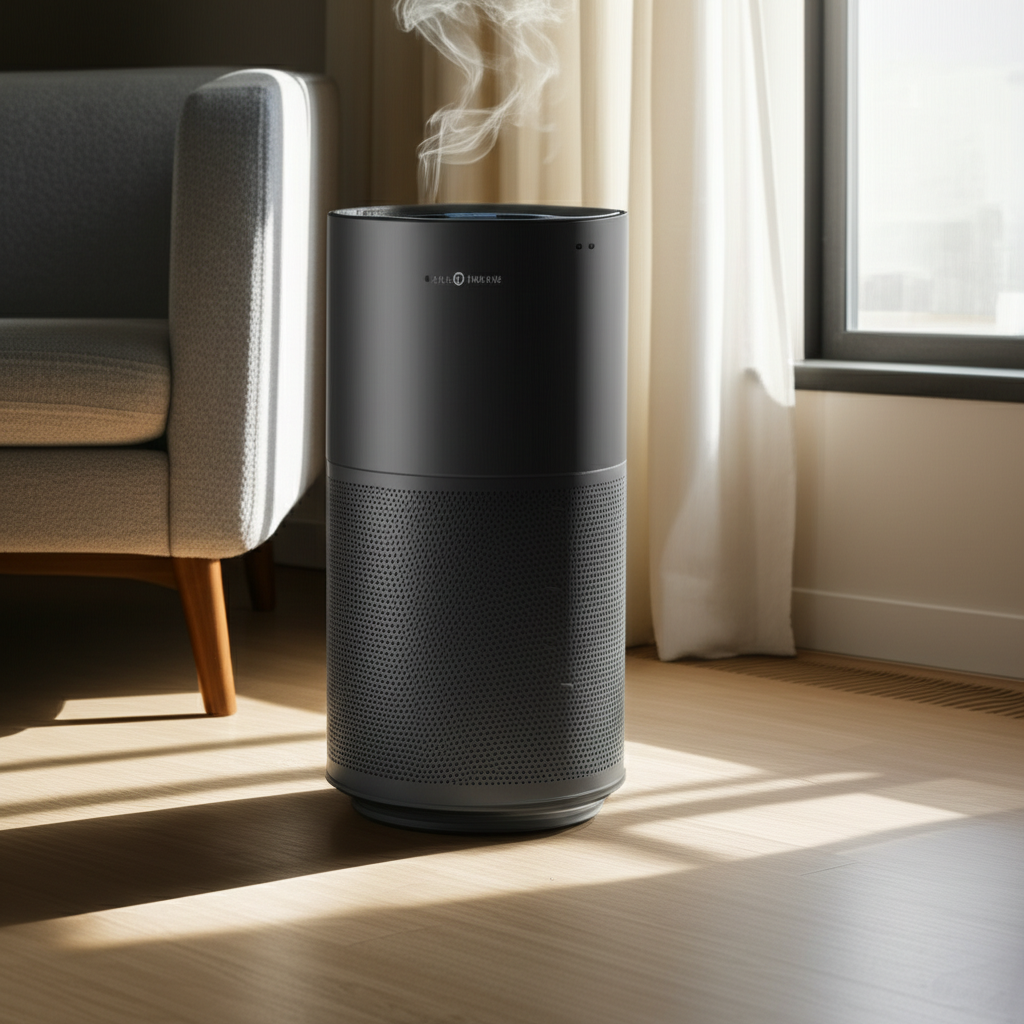
Secondhand smoke contains over 7,000 chemicals, hundreds of which are toxic and at least 70 can cause cancer. Even with ventilation, these harmful particles linger in the air and on surfaces. An air purifier with a robust filtration system is your best defense against these invisible dangers.
Eliminating Lingering Odors
Cigarette smoke has a notoriously stubborn odor that permeates fabrics, furniture, and walls. Standard air fresheners only temporarily mask the smell. A high-quality air purifier targets the root cause, breaking down odor-causing molecules for a truly fresh atmosphere.
Key Features to Look For in an Air Purifier for Smoke
When choosing an air purifier specifically for cigarette smoke, certain features are non-negotiable. These components work together to effectively capture smoke particles and neutralize odors. Prioritizing these aspects will lead you to the most effective solutions.
The Power of HEPA Filtration
High-Efficiency Particulate Air (HEPA) filters are the gold standard for capturing microscopic particles. True HEPA filters are certified to remove at least 99.97% of airborne particles as small as 0.3 microns. This includes the fine ash and tar particles from cigarette smoke.
Activated Carbon for Odor Control
While HEPA filters trap particles, activated carbon filters are essential for absorbing gases and odors. Cigarette smoke contains numerous volatile organic compounds (VOCs) and odor molecules. A substantial activated carbon filter is key to neutralizing that pervasive smoky smell.
CADR: A Measure of Effectiveness
The Clean Air Delivery Rate (CADR) indicates how quickly an air purifier can clean a room of specific pollutants. Look for high CADR ratings for smoke, dust, and pollen. A higher CADR means the unit will be more effective in larger rooms or for heavily affected areas.
Room Size and Air Changes Per Hour (ACH)
Ensure the air purifier is appropriately sized for your space. Manufacturers typically recommend a maximum room size. More importantly, consider the ACH, which tells you how many times the air in the room is filtered per hour. For smoke, aim for at least 5 ACH.
Additional Features to Consider
Other helpful features include pre-filters to capture larger particles like pet hair and dust (extending the life of the HEPA filter), quiet operation modes for nighttime use, and smart features for remote control and air quality monitoring. Some models also offer UV-C light or ionizers, though their effectiveness for smoke can vary and some people prefer to avoid ionizers due to potential ozone production.
Top Air Purifiers for Cigarette Smoke: Our Top Picks
After extensive research and considering performance, features, and user reviews, here are some of the best air purifiers for cigarette smoke that deliver proven clean air. These models consistently perform well in tackling smoke-related challenges.
1. Coway Airmega 200M: A Solid All-Rounder
The Coway Airmega 200M is a popular choice for its balance of performance and affordability. It features a multi-stage filtration system, including a washable pre-filter, an activated carbon filter, and a True HEPA filter. Its smart sensor automatically adjusts fan speed based on air quality, making it efficient and effective.
Filtration: Pre-filter, Activated Carbon, True HEPA
Coverage Area: Up to 361 sq. ft.
CADR: 100 (Smoke)
Pros: Effective odor and particle removal, quiet operation, energy-efficient, aesthetically pleasing design.
Cons: Replacement filters can be a recurring cost.
This purifier is a reliable option for medium-sized rooms, efficiently clearing the air of smoke and other pollutants. Its automatic mode ensures continuous protection without constant manual adjustments.
2. Levoit Core 300S: Compact Powerhouse
For smaller spaces or bedrooms, the Levoit Core 300S is an excellent choice. Despite its compact size, it packs a powerful punch with its 3-stage filtration system: a fine preliminary filter, a True HEPA filter, and an activated carbon filter. The “S” version includes smart capabilities for app control.
Filtration: Preliminary Filter, True HEPA Filter, Activated Carbon Filter
Coverage Area: Up to 219 sq. ft.
CADR: 141 (Smoke)
Pros: Affordable, quiet operation (especially on sleep mode), smart features, compact design, readily available replacement filters.
Cons: Best suited for smaller rooms; may struggle in very large or heavily contaminated spaces.
The Levoit Core 300S proves that effective smoke purification doesn’t require a large or expensive unit. It’s a smart investment for personal spaces or smaller living areas.
3. Blueair Blue Pure 211+ Auto: High Performance, Low Noise
The Blueair Blue Pure 211+ Auto stands out for its exceptional performance and sleek design. It uses a unique combination of electrostatic and mechanical filtration (HEPASilent™ technology) to capture particles efficiently while operating at very low noise levels. The activated carbon filter is integrated into a fabric pre-filter for added convenience.
Filtration: Washable fabric pre-filter, HEPASilent™ filtration (combines electrostatic and mechanical)
Coverage Area: Up to 540 sq. ft.
CADR: 160+ (Smoke)
Pros: Extremely quiet, high CADR for its size, energy-efficient, stylish design with customizable pre-filter colors.
Cons: Replacement filter costs can add up; does not have a separate, thick carbon filter like some competitors.
This purifier is a fantastic choice for those who prioritize quiet operation without sacrificing purification power. It’s ideal for larger living areas where smoke might be a concern.
4. Winix 5500-2: A Trusted Name in Air Purification
The Winix 5500-2 is a long-standing favorite, offering a comprehensive filtration system that includes a washable fine-mesh pre-filter, an activated carbon filter, and a True HEPA filter. It also features Winix’s PlasmaWave technology, which breaks down airborne pollutants at a molecular level (this can be turned off if preferred).
Filtration: Washable Fine-Mesh Pre-Filter, Activated Carbon Filter, True HEPA Filter, PlasmaWave Technology
Coverage Area: Up to 360 sq. ft.
CADR: 121 (Smoke)
Pros: Excellent value for money, effective multi-stage filtration, auto mode with air quality sensor, quiet operation.
Cons: PlasmaWave technology may produce trace amounts of ozone, though generally considered safe; replacement filters are needed.
This unit offers robust protection and a good balance of features for its price point. It’s a reliable workhorse for tackling smoke in common living areas.
5. IQAir HealthPro Plus: Premium Performance for Serious Concerns
For those with severe smoke issues or significant sensitivities, the IQAir HealthPro Plus represents a premium investment. It boasts a multi-stage filtration system including a HyperHEPA filter, which captures ultra-fine particles down to 0.003 microns, and a massive granular activated carbon filter for superior odor and gas removal.
Filtration: Pre-filter, HyperHEPA filter, Granular Activated Carbon Filter
Coverage Area: Up to 1125 sq. ft. (with 2 air changes per hour)
CADR: High (specific smoke CADR not always published, but performance is top-tier)
Pros: Unparalleled filtration for fine particles and odors, medical-grade performance, durable construction, excellent for severe smoke conditions.
Cons: Very expensive, larger and heavier than other models, replacement filters are costly.
The IQAir HealthPro Plus is the ultimate solution for those who need the absolute best in air purification for cigarette smoke. Its advanced filtration technology provides peace of mind and a truly clean air experience.
Understanding Air Purifier Technology for Smoke
The effectiveness of an air purifier against cigarette smoke relies on its technological components and how they work in concert. Understanding these technologies helps in making an informed decision. Each component plays a vital role in achieving clean air.
HEPA vs. HEPA-Type vs. HEPA-Grade
It’s crucial to distinguish between different types of HEPA filters. True HEPA filters meet the strict standard of capturing 99.97% of particles 0.3 microns in size. HEPA-type or HEPA-like filters may capture a similar percentage of larger particles but do not meet the same stringent standard for smaller ones. For cigarette smoke, which produces very fine particles, True HEPA is essential.
The Role of Activated Carbon Filters
Activated carbon filters are made from charcoal treated to be extremely porous, creating a massive surface area for adsorption. This process traps odor molecules and harmful VOCs emitted from cigarette smoke, effectively neutralizing smells that HEPA filters alone cannot address. The amount and quality of activated carbon significantly impact odor removal efficiency.
Ionizers and Ozone Production
Some air purifiers use ionizers to release charged ions into the air, which then attach to particles, causing them to clump together and fall to the floor or be attracted to the filter. While this can help with particle removal, some ionizers can produce ozone as a byproduct. For individuals sensitive to ozone or concerned about its health effects, models with optional or no ionizer function are preferable. Regulatory bodies like the California Air Resources Board (CARB) have strict limits on ozone production for air purifiers sold in California.
UV-C Light Technology
UV-C light is sometimes included in air purifiers to kill airborne bacteria and viruses. While it can be a beneficial feature for general air quality, its direct impact on smoke particles or odors is minimal. Its primary function is sanitization, not particle or odor removal in the context of cigarette smoke.
How to Maximize Your Air Purifier’s Effectiveness Against Smoke
Simply purchasing an air purifier isn’t enough; proper placement, maintenance, and usage are key to achieving optimal results against cigarette smoke. Following these practices will ensure your investment provides the cleanest air possible. Consistent care maximizes performance.
Strategic Placement in Your Home
Place the air purifier in the room where smoking most frequently occurs or where occupants spend the most time. Ensure it has adequate space around it for air intake and outflow—avoid placing it directly against walls or furniture. For multi-room smoke issues, consider using multiple units or a larger one for common areas.
Regular Filter Maintenance and Replacement
HEPA and activated carbon filters have a limited lifespan and become less effective as they become clogged with pollutants. Follow the manufacturer’s recommendations for cleaning pre-filters and replacing HEPA and carbon filters. Neglecting this step will significantly reduce the unit’s ability to clean the air.
Running Your Air Purifier Continuously
For the best results against persistent cigarette smoke, it’s recommended to run your air purifier continuously, especially on a medium or high setting when smoke is actively being produced or lingering. Many modern units have auto modes that adjust fan speed based on detected air quality, which is an energy-efficient way to maintain clean air.
Combining Air Purifiers with Other Ventilation Strategies
While air purifiers are powerful tools, they work best when complemented by other good practices. Open windows for fresh air when possible, and use exhaust fans in kitchens and bathrooms to remove moisture and odors. These combined efforts create a more comprehensive approach to air quality management.
Comparing the Best Air Purifiers: A Quick Overview
Here’s a table summarizing some of the top contenders for the best air purifiers for cigarette smoke, highlighting their key strengths and suitability. This comparison aims to simplify your decision-making process.
| Air Purifier Model | Ideal Room Size (sq. ft.) | Filtration Type | Key Strength | Price Range (Approx.) |
| :———————— | :———————— | :———————————————- | :——————————————– | :——————– |
| Coway Airmega 200M | Up to 361 | Pre-filter, Activated Carbon, True HEPA | Balanced performance, smart features | $$ |
| Levoit Core 300S | Up to 219 | Preliminary, True HEPA, Activated Carbon | Compact, affordable, smart control | $ |
| Blueair Blue Pure 211+ Auto | Up to 540 | Washable Pre-filter, HEPASilent™ | Very quiet, high CADR, stylish | $$$ |
| Winix 5500-2 | Up to 360 | Washable Pre-filter, Activated Carbon, HEPA, PlasmaWave | Excellent value, comprehensive filtration | $$ |
| IQAir HealthPro Plus | Up to 1125 | Pre-filter, HyperHEPA, Granular Activated Carbon | Premium, medical-grade for severe issues | $$$$$ |
Note: Price ranges are approximate and can vary based on retailer and sales.*
Choosing the right size and feature set for your specific needs will ensure you get the most bang for your buck and the best possible air quality. Consider your budget and the severity of the smoke issue when making your final selection.
Frequently Asked Questions About Air Purifiers and Cigarette Smoke
Q1: Can an air purifier completely remove the smell of cigarette smoke?
Yes, air purifiers equipped with substantial activated carbon filters are highly effective at adsorbing the odor molecules from cigarette smoke, leading to a significant reduction or complete elimination of the smell.
Q2: How often do I need to replace the filters in an air purifier for smoke?
Filter replacement frequency varies by model and usage. Generally, HEPA filters should be replaced every 6-12 months, and activated carbon filters may need replacement every 3-6 months, especially with heavy smoke exposure. Always check your manufacturer’s recommendations.
Q3: Are air purifiers with ionizers safe for cigarette smoke removal?
Some ionizers can produce trace amounts of ozone, which can be an irritant. If you are concerned, opt for models that allow you to turn off the ionizer feature or choose purifiers that are certified by organizations like CARB for low or no ozone production.
Q4: Will an air purifier help if someone smokes inside occasionally?
Yes, even occasional indoor smoking can leave lingering odors and particles. An air purifier can significantly help clear the air after smoking sessions, reducing the impact on air quality. Running it during and after smoking is most effective.
Q5: Can air purifiers remove smoke residue from furniture and walls?
Air purifiers primarily clean the air. While they remove airborne particles, they cannot remove smoke residue that has settled on surfaces. Regular cleaning of furniture, walls, and fabrics is still necessary.
Q6: Which type of filter is most important for cigarette smoke?
A combination of a True HEPA filter for fine particles and a substantial activated carbon filter for odors and VOCs is most critical for effectively dealing with cigarette smoke.
Conclusion: Breathe Freely with the Best Air Purifiers for Cigarette Smoke
Dealing with cigarette smoke in your home doesn’t have to be a losing battle. By understanding the key technologies and features, and by selecting one of the best air purifiers for cigarette smoke, you can reclaim your living space and enjoy truly clean, fresh air. Investing in a quality air purifier is an investment in your health and well-being, providing a tangible solution for a common and frustrating problem. Choose wisely, maintain your unit, and breathe easier knowing you’ve taken proven steps towards a healthier home environment.
