
Do Air Purifiers Cancel Out Air Fresheners: Essential Guide

No, air purifiers don’t typically “cancel out” air fresheners in the way you might expect. While they can remove some of the volatile organic compounds (VOCs) that air fresheners release, they can also inadvertently trap the pleasant scents. Understanding how they interact is key to achieving truly fresh air.
The scent of a blooming flower or a fresh linen candle can be incredibly inviting. However, when combined with the underlying odors in our homes, it can sometimes lead to a complex, even unpleasant, chemical cocktail. Many of us turn to air purifiers to combat stale air, but a common question arises: do air purifiers cancel out air fresheners?

PuroAir 240 HEPA Air Purifier for Large Rooms
It’s a valid concern for anyone seeking a genuinely clean and pleasant-smelling living space. Let’s explore how these two seemingly opposing forces interact and what you can do to create the perfect ambiance.
Understanding How Air Fresheners and Air Purifiers Work
Air fresheners aim to mask or neutralize odors by releasing fragrant compounds into the air. These can be aerosols, plug-ins, gels, or even natural essential oils. The goal is to add a pleasant aroma to your home.
Air purifiers, on the other hand, are designed to remove airborne particles and pollutants. They use filters, like HEPA and activated carbon, to trap dust, pollen, pet dander, smoke, and importantly, volatile organic compounds (VOCs) that contribute to odors.
The Interaction: Do Air Purifiers Cancel Out Air Fresheners?
Yes, air purifiers, especially those with activated carbon filters, can indeed remove the scent molecules released by air fresheners. Activated carbon is highly porous and adsorbs a wide range of chemicals, including the fragrance compounds found in many air fresheners. This means the pleasant smell you intentionally introduced might be captured by your air purifier.
This interaction is a double-edged sword. While it helps remove potentially harmful VOCs from air fresheners, it also means the intended fragrance might be short-lived. It’s important to consider what you want to achieve for your indoor air quality.

Air Wick Air Freshner Refill
Why Do Air Fresheners and Air Purifiers Seem to “Cancel” Each Other Out?
The “cancellation” effect often happens because the air purifier is doing its job too well. It’s actively filtering the air, and the scent molecules from the air freshener are just another type of airborne compound it can capture. This can leave you wondering if the air freshener is even working.
Essentially, the purifier removes the fragrance before it has a chance to linger and be perceived by your senses. It’s a testament to the purifier’s effectiveness in cleaning the air, but not ideal if your sole aim is a lasting pleasant scent.

Febreze Bathroom Air Freshener
The Role of Activated Carbon Filters
Activated carbon filters are crucial in this dynamic. They are made from materials like charcoal that have been treated to be extremely porous. This high surface area allows them to effectively adsorb (chemically bind) gases and odors, including those from air fresheners.
Without an activated carbon filter, an air purifier might only capture larger particles, leaving the volatile fragrance compounds to circulate. Therefore, the presence and quality of the activated carbon filter significantly impact how well an air purifier handles air freshener scents.
Air Purifier vs. Air Freshener: A Comparison
Let’s compare how these two devices function and their impact on your home environment. It’s clear they serve very different purposes.
| Feature | Air Purifier 🌀 | Air Freshener 🌸 |
|---|---|---|
| Primary Goal | Removes pollutants and allergens from the air | Adds pleasant fragrance to the air |
| Mechanism | Uses HEPA and activated carbon filters to clean the air | Releases chemicals or scent particles into the air |
| Health Impact | ✅ Improves air quality and helps reduce dust, smoke, and irritants | ⚠️ May introduce VOCs or synthetic irritants |
| Effectiveness | ✔️ Eliminates odors and airborne particles | ❌ Masks odors with artificial scents |
| Cost | 💰 Higher initial cost + filter replacements | 💵 Low to moderate, requires regular repurchasing |
This table highlights that an air purifier aims to clean the air, while an air freshener aims to scent it. They work in opposition in terms of introducing chemicals.
Potential Health Concerns with Air Fresheners
It’s worth noting that many commercial air fresheners release VOCs that can be detrimental to health. These can include formaldehyde, phthalates, and benzene, which are linked to respiratory issues, headaches, and other health problems. Air purifiers can help mitigate these risks by removing these compounds.
While aiming for a pleasant scent, it’s wise to be aware of what you’re breathing in. Opting for natural or low-VOC air fresheners can be a healthier choice.
When Do Air Purifiers Work Best for Air Freshener Smells?

LEVOIT Air Purifiers for Large Room
Air purifiers are most effective at tackling air freshener smells when several conditions are met. It’s about creating an environment where the purifier can do its job efficiently.
Minimal and Intermittent Use of Fresheners
If you use air fresheners sparingly and only for short periods, your air purifier will have an easier time removing the resulting VOCs. Continuous or heavy use can saturate the carbon filter quickly. This makes it harder for the purifier to keep up.
High-Quality Air Purifier with Robust Carbon Filter
A purifier with a large, high-quality activated carbon filter is essential. These filters have a greater capacity to adsorb odor-causing molecules. Look for units specifically marketed for odor and VOC removal.
Good Air Circulation and Room Size
The air purifier needs to effectively circulate the air in the room. Ensure the unit is appropriately sized for the space. Proper placement, as discussed earlier, allows for maximum air intake and filtration.
When to Use Air Purifiers and Air Fresheners Together (and How)
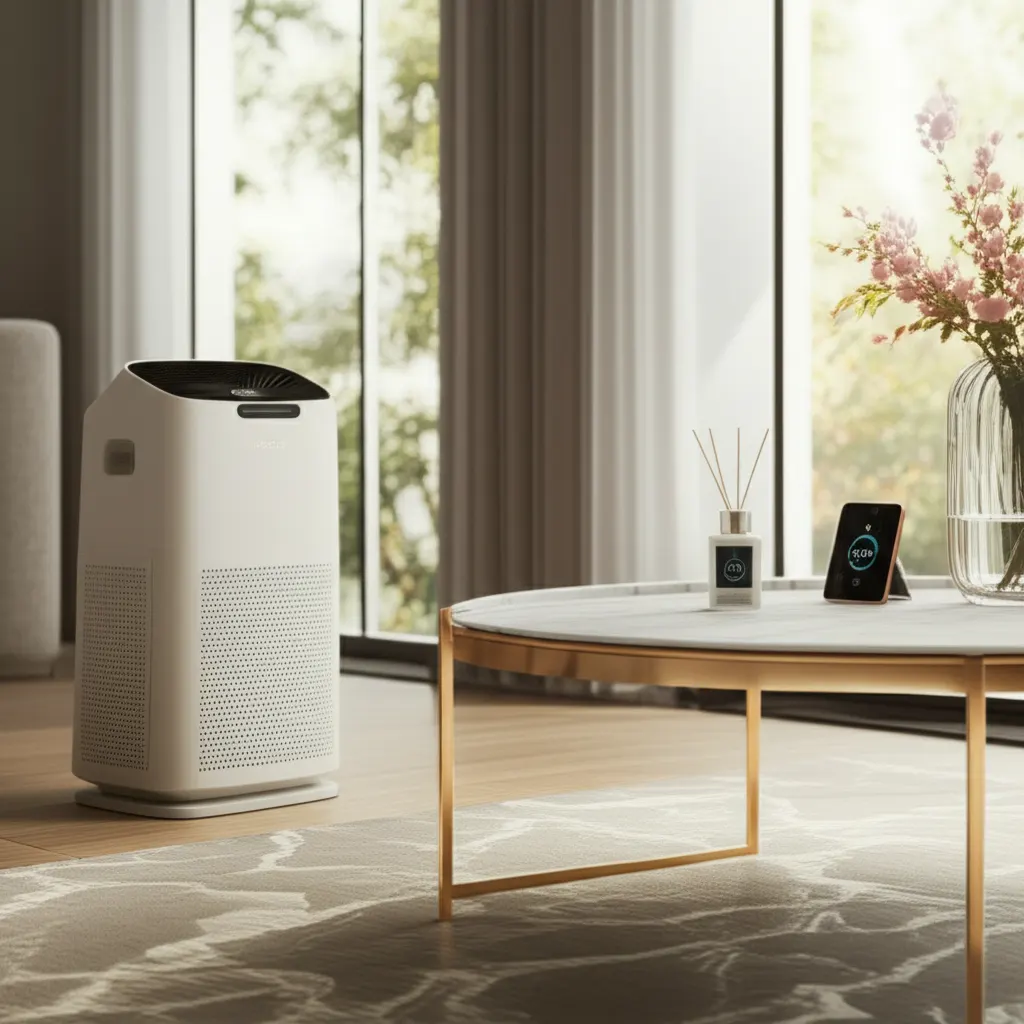
If you enjoy both clean air and a pleasant scent, it’s possible to use them together effectively. The key is strategic placement and timing. Consider running your air purifier primarily when you’re not actively trying to enjoy a specific fragrance.
Alternatively, use air fresheners that are less chemically intense, such as natural essential oil diffusers, and ensure your air purifier has a robust activated carbon filter to manage any unwanted byproducts.
Strategies for Optimal Air Quality and Scent
1. Strategic Placement: Place your air freshener away from your air purifier. This gives the fragrance a chance to disperse before being filtered.
2. Timing is Key: Run your air purifier during times when you don’t need a specific scent, like overnight or when you’re away from home.
3. Choose Natural Options: Opt for essential oil diffusers, potpourri, or simmering spices over chemical sprays and plug-ins.
4. Ventilate: Open windows regularly to allow fresh air to circulate, reducing the need for artificial scents.
5. Maintain Your Purifier: Ensure your air purifier’s filters, especially the activated carbon one, are clean and replaced as recommended.
By following these steps, you can enjoy the benefits of both cleaner air and a delightful aroma without them completely negating each other.
Air Purifier Features That Help Manage Scents
Some air purifiers are specifically designed with scent management in mind. Look for models with:
Thick Activated Carbon Filters: A larger amount of activated carbon means more capacity to adsorb odors and VOCs.
Multiple Stages of Filtration: Combining HEPA with substantial carbon filtration offers the best of both worlds.
Adjustable Fan Speeds: You can lower the fan speed when you want to enjoy a scent and increase it for purification.
These features can help balance the removal of pollutants with the presence of desired fragrances.

Yankee Candle Pink Sands Whole Home Air Freshener
Alternatives to Traditional Air Fresheners
If you’re concerned about the chemicals in air fresheners and their interaction with your air purifier, consider these alternatives:
Essential Oil Diffusers: These use water and essential oils to create a fine mist of fragrance.
Simmer Pots: Gently heat water with citrus peels, spices like cinnamon, or herbs like rosemary on the stove.
Natural Potpourri: Dried flowers, herbs, and spices can provide a subtle, natural scent.
Houseplants: Many plants naturally filter the air and some release subtle, pleasant aromas.
Baking Soda or Activated Charcoal: These can absorb odors rather than mask them.
These methods offer a gentler approach to scenting your home.
When to Consider an Air Purifier Without a Carbon Filter
In rare cases, if your only concern is removing large particles and you actively want air freshener scents to linger (and are not worried about VOCs), you might consider an air purifier without a substantial activated carbon filter. However, this is generally not recommended for optimal indoor air quality.
Most people seeking air purification are doing so to remove pollutants, allergens, and odors, making a carbon filter an essential component.
Frequently Asked Questions
Will an air purifier remove the smell of my air freshener?
Yes, air purifiers with activated carbon filters are designed to remove airborne odors, including those from air fresheners, by adsorbing the scent molecules.
Can I use air fresheners and an air purifier at the same time?
You can, but the air purifier will likely remove the scent. For best results, use them at different times or in different areas, or opt for natural scents.
Are air fresheners bad for my air purifier?
Air fresheners themselves aren’t bad for an air purifier, but the purifier will remove their scent. Some chemicals in air fresheners can be harmful to your health.
How can I make my air freshener scent last longer if I have an air purifier?
Try placing the air freshener further from the purifier, using less potent or natural scents, and running the purifier on a lower setting or at different times.
What is the best type of air purifier for dealing with scents?
Air purifiers with a substantial activated carbon filter are best for removing odors and VOCs, including those from air fresheners.
Should I stop using air fresheners if I have an air purifier?
Not necessarily, but it’s wise to choose low-VOC or natural air fresheners and understand that your purifier will likely filter out their scents.
Can an air purifier make my home smell bad if I use air fresheners?
No, an air purifier’s job is to clean the air. If anything, it will remove both the unwanted odors and the air freshener scent, leaving neutral air.
Conclusion: Finding Your Perfect Balance
So, do air purifiers cancel out air fresheners? In essence, yes, they can significantly reduce or eliminate the scents introduced by air fresheners because they are designed to filter out airborne compounds, including fragrance molecules. This effectiveness is largely due to the activated carbon filters present in most quality air purifiers. While this might seem counterproductive if your goal is a lasting pleasant aroma, it’s a positive sign that your purifier is working to clean your air of potentially harmful VOCs often found in commercial air fresheners.
For those who want both cleaner air and a welcoming scent, the solution lies in strategic use. By understanding how these devices interact and employing smart placement, timing, and choosing healthier scent alternatives, you can achieve a home that is both refreshingly clean and pleasantly fragrant. I’ve found that embracing natural methods and being mindful of when and where I use scent has made a huge difference in my own home. Your indoor environment is a personal sanctuary, and with a little know-how, you can curate it to be exactly as you desire.
