Does Air Purifier Help With Pollen? Proven Relief!

Yes, air purifiers can significantly help with pollen by capturing airborne allergens, offering proven relief for allergy sufferers. They work by drawing in air, trapping pollen particles, and releasing cleaner air back into your home, reducing symptoms like sneezing and itchy eyes.
Are you tired of seasonal sniffles, itchy eyes, and constant sneezing whenever pollen season arrives? It feels like no matter how much you clean, those tiny allergens find their way inside, turning your home into an uncomfortable zone. You’re not alone; millions struggle with pollen allergies, desperately seeking relief. Fortunately, modern technology offers a powerful solution. This article explores how air purifiers can be your secret weapon against pollen, providing a breath of fresh air and much-needed comfort.
How Air Purifiers Tackle Pollen Allergens
Air purifiers are designed to capture airborne particles, including pollen, dust mites, pet dander, and mold spores. They work by drawing air through a series of filters, trapping these microscopic irritants before they can trigger your allergies. This process significantly reduces the concentration of pollen in your indoor environment, offering tangible relief.
The Science Behind Air Purification and Pollen
The effectiveness of air purifiers against pollen lies in their filtration systems. Most modern units employ High-Efficiency Particulate Air (HEPA) filters, which are certified to capture at least 99.97% of airborne particles as small as 0.3 microns. Pollen grains, while varying in size, often fall within this range or are efficiently trapped by the dense mesh of a HEPA filter.
Understanding Pollen: The Tiny Invader
Pollen is a fine powder released by plants, trees, and grasses as part of their reproductive cycle. These microscopic particles travel through the air, and when inhaled by sensitive individuals, they can trigger allergic reactions. Even with windows closed, pollen can enter your home through open doors, on clothing, or carried by pets.
The Impact of Pollen on Indoor Air Quality
While often associated with outdoor air, pollen can drastically reduce indoor air quality during allergy seasons. Without proper mitigation, pollen can accumulate on surfaces and remain suspended in the air for extended periods. This constant exposure can lead to persistent allergy symptoms, impacting your daily life and overall well-being.
Key Features of an Effective Pollen-Fighting Air Purifier
When choosing an air purifier for pollen relief, several features are crucial. Look for units with true HEPA filters, as these are the most effective at trapping small allergen particles. A robust pre-filter can also capture larger particles like pet hair and dust, extending the life of the HEPA filter. Consider the CADR (Clean Air Delivery Rate) to ensure the unit can adequately clean the air in your room size.
HEPA Filters: The Gold Standard for Allergy Relief
True HEPA filters are the cornerstone of effective air purification for allergy sufferers. They are rigorously tested to meet specific standards for particle removal, making them highly reliable for capturing pollen. Investing in a purifier with a certified HEPA filter means you’re getting a device proven to reduce airborne allergens.
Activated Carbon Filters: Beyond Just Pollen
While HEPA filters excel at capturing solid particles like pollen, activated carbon filters are excellent at adsorbing odors and volatile organic compounds (VOCs). Many air purifiers combine HEPA and activated carbon filters, offering a comprehensive approach to improving indoor air quality by tackling both allergens and common household smells.
How to Maximize Your Air Purifier’s Effectiveness Against Pollen
Proper placement and maintenance are key to getting the most out of your air purifier. Position the unit in the room where you spend the most time, such as your bedroom or living area. Ensure it has adequate space around it for optimal airflow and replace filters regularly according to the manufacturer’s recommendations to maintain peak performance.
Strategic Placement for Optimal Airflow
Placing your air purifier in a central location within a room allows it to circulate and clean the air more effectively. Avoid placing it directly against walls or furniture, as this can obstruct airflow and reduce its efficiency. For larger homes, consider using multiple units or a larger, more powerful model designed for whole-room coverage.
Regular Filter Maintenance: A Non-Negotiable Step
Filters are the workhorses of any air purifier, and their effectiveness diminishes over time as they become clogged with trapped pollutants. Regularly cleaning pre-filters and replacing HEPA and carbon filters as recommended by the manufacturer is essential. Neglecting filter maintenance can lead to reduced performance and even cause the unit to recirculate allergens.
Do Air Purifiers Help With Pollen? The Scientific Evidence
Numerous studies support the effectiveness of air purifiers in reducing indoor pollen levels. Research published in journals like the Journal of Allergy and Clinical Immunology has demonstrated that HEPA air purifiers can significantly decrease the concentration of airborne allergens in homes, leading to a reduction in allergy symptoms for many individuals. This scientific backing provides strong evidence that air purifiers are a valuable tool for pollen relief.
Impact on Allergy Symptoms: Reduced Sneezing and Itching
Users often report a noticeable decrease in allergy symptoms after consistently using an air purifier. This includes fewer episodes of sneezing, reduced nasal congestion, less itchy eyes, and an overall improvement in respiratory comfort. The constant removal of pollen from the air prevents it from accumulating and triggering allergic responses.
Improving Sleep Quality for Allergy Sufferers
Pollen can wreak havoc on sleep, causing nighttime congestion and discomfort. By purifying the air in your bedroom, an air purifier can create a more conducive environment for restful sleep. Waking up feeling refreshed and less congested is a common benefit reported by individuals who use air purifiers during allergy season.
Choosing the Right Air Purifier for Your Needs
When selecting an air purifier, consider your room size, the severity of your allergies, and any additional concerns like odors or pet dander. Look for ENERGY STAR certified models for energy efficiency and check for third-party certifications like AHAM Verified for performance claims. Brands like Coway, Levoit, and Blueair are often well-regarded for their pollen-fighting capabilities.
Understanding CADR Ratings for Different Pollutants
The Clean Air Delivery Rate (CADR) indicates how quickly an air purifier can filter specific pollutants, including pollen, dust, and smoke. A higher CADR rating means the purifier cleans the air more efficiently. Ensure the CADR rating for pollen is appropriate for the square footage of the room you intend to use it in.
Additional Features to Consider
Beyond HEPA filters, some air purifiers offer features like air quality sensors that automatically adjust fan speed, timers for scheduled operation, and quiet modes for nighttime use. Smart features allowing control via a mobile app can also add convenience. Always prioritize true HEPA filtration as the primary feature for pollen control.
Limitations and What to Expect from Air Purifiers
While air purifiers are highly effective against airborne pollen, they are not a magic bullet for all allergy issues. They cannot remove pollen that has settled on surfaces, so regular cleaning and dusting are still necessary. Additionally, the effectiveness depends on continuous operation and proper maintenance of the unit.
Air Purifiers vs. Other Allergy Relief Methods
Air purifiers work best when integrated into a comprehensive allergy management plan. This might include staying informed about pollen counts, keeping windows closed during peak seasons, and using nasal rinses. While medications and immunotherapy address the body’s reaction to allergens, air purifiers focus on reducing the allergen load in your environment.
The Importance of a Clean Home Environment
An air purifier complements, but does not replace, good housekeeping practices. Vacuuming regularly with a HEPA-filtered vacuum, dusting with a damp cloth, and washing bedding frequently can significantly reduce the amount of pollen that settles in your home. These combined efforts create a more allergen-free living space.
Expert Recommendations for Pollen Season Preparedness
As an expert in home health and air quality, I always advise proactive measures. Start using your air purifier before pollen season peaks to get ahead of the allergens. Ensure your unit is appropriately sized for your space and that you have replacement filters on hand. Regularly check local pollen forecasts and adjust your indoor air purification strategy accordingly.
When to Run Your Air Purifier for Maximum Benefit
For the best results, run your air purifier continuously, especially during high pollen seasons. Consider using it on a higher setting during the day when you’re most active and switching to a quieter mode at night. Maximizing the hours the unit operates ensures a consistently lower concentration of airborne pollen.
Maintaining a Pollen-Free Bedroom Sanctuary
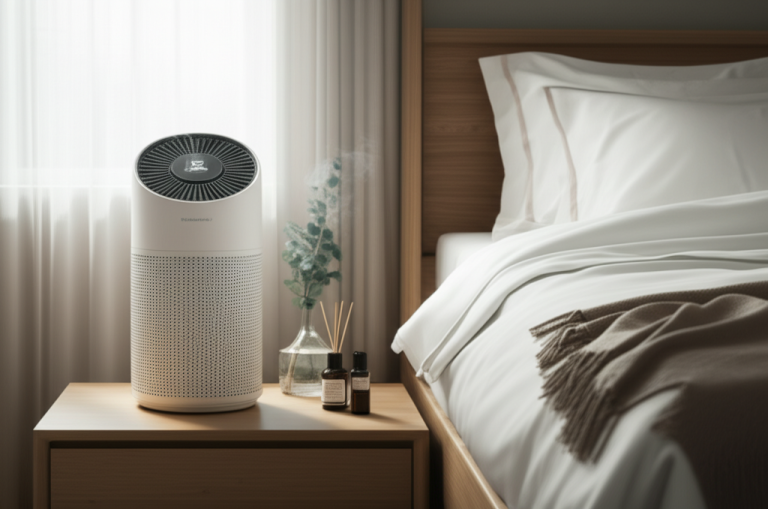
Your bedroom should be a haven from allergens. Placing a high-quality air purifier in your sleeping space can make a significant difference in symptom severity and sleep quality. Combine this with regular bedding changes and keeping windows closed to create an optimal environment for allergy relief.
Frequently Asked Questions About Air Purifiers and Pollen
Will an air purifier eliminate all pollen from my home?
An air purifier significantly reduces airborne pollen, but it cannot eliminate 100% of it, especially particles that have settled on surfaces. Regular cleaning is still essential.
How often should I run my air purifier for pollen?
For maximum benefit during pollen season, it’s recommended to run your air purifier continuously, especially in rooms where you spend the most time.
Can air purifiers help with pet allergies as well as pollen?
Yes, air purifiers with HEPA filters are effective at capturing both pollen and common pet allergens like dander and saliva.
What is the best type of filter for pollen?
True HEPA filters are considered the gold standard for capturing pollen and other fine airborne particles.
Do I need a special air purifier for pollen?
Not necessarily. Any air purifier equipped with a true HEPA filter and an appropriate CADR rating for your room size will be effective against pollen.
How close to my bed should I place an air purifier for pollen relief?
Placing it within a few feet of your bed, ensuring good airflow around the unit, can maximize its effectiveness for nighttime allergy relief.
Conclusion: Breathe Easier with an Air Purifier
So, to answer the question: does air purifier help with pollen? Absolutely, they offer proven relief. By effectively capturing airborne pollen particles, air purifiers can dramatically improve indoor air quality, leading to fewer allergy symptoms and a more comfortable living environment. Investing in a quality air purifier with a true HEPA filter is a proactive step towards managing seasonal allergies and reclaiming your home as a sanctuary. Remember to maintain your unit by regularly cleaning and replacing filters to ensure it continues to perform at its best throughout pollen season and beyond.