
Can I Use Air Purifier With Ceiling Fan: Essential Guide

Yes, you can absolutely use an air purifier with a ceiling fan; in fact, it can enhance air purification by circulating air more effectively. This guide explains how to optimize their combined use for cleaner, healthier indoor air.
Can I Use Air Purifier With Ceiling Fan: An Essential Guide for Cleaner Air
Breathing fresh, clean air at home is a priority for many, and the thought of combining an air purifier with a ceiling fan often arises. You might wonder if these two devices can work together harmoniously or if they might interfere with each other. The good news is that using an air purifier with a ceiling fan is not only possible but can be a strategic way to improve your indoor air quality significantly. This guide will walk you through everything you need to know, from the basic principles to optimizing their combined performance for a healthier living space.
How Ceiling Fans and Air Purifiers Work Independently
Understanding how each device functions on its own is the first step to appreciating their combined potential. Ceiling fans are designed primarily to move air within a room, creating a cooling effect by circulating air and promoting ventilation. They don’t filter the air themselves but rather push it around. Air purifiers, on the other hand, are specifically built to clean the air. They draw in air, pass it through a series of filters (like HEPA and activated carbon), and then release cleaner air back into the room.
The Synergy: Can I Use Air Purifier With Ceiling Fan Together?
The answer is a resounding yes, and it’s often beneficial. When you use an air purifier with a ceiling fan, the fan helps to distribute the purified air more evenly throughout the space. This means that the cleaner air reaches corners and areas that might otherwise be stagnant, leading to more consistent air quality across the entire room. It effectively amplifies the reach of your air purifier.
Optimizing Airflow for Maximum Purification
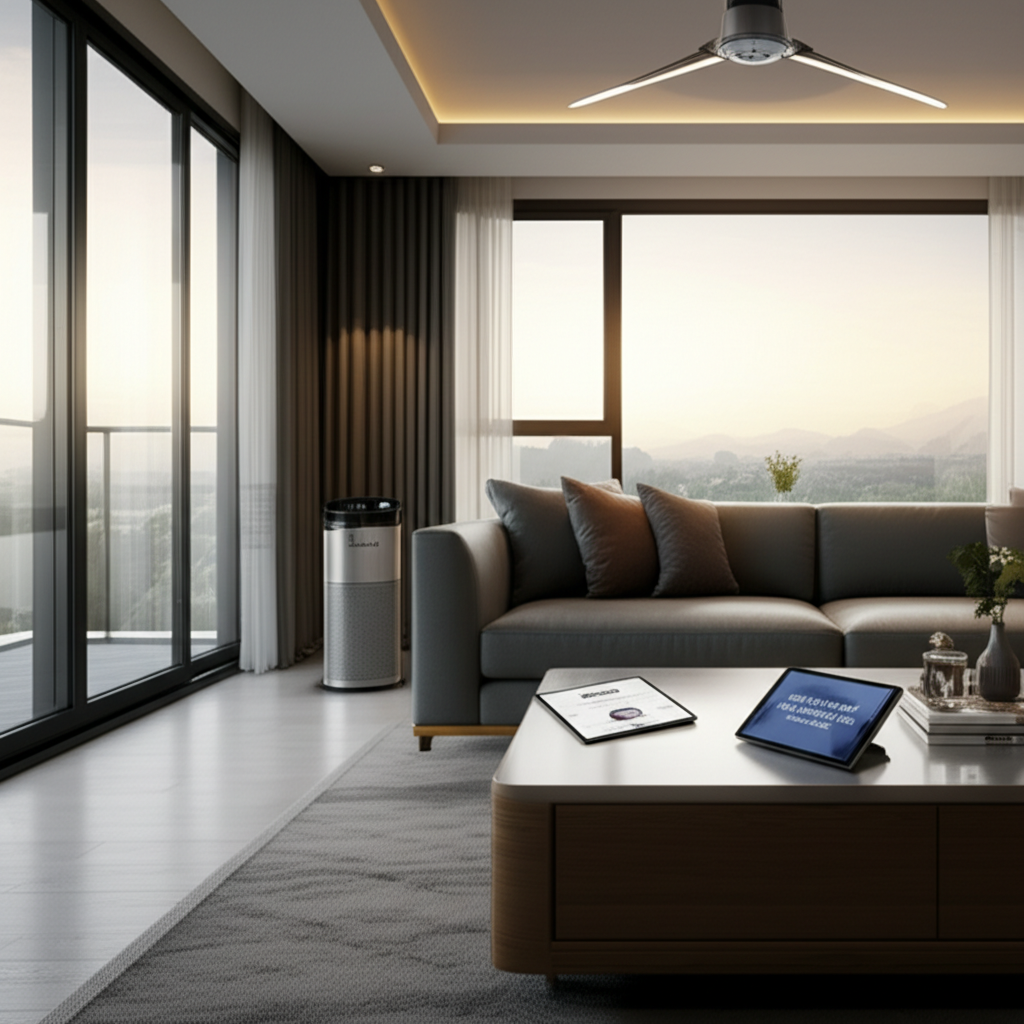
To get the most out of this combination, consider the direction of your ceiling fan. In warmer months, fans typically rotate counter-clockwise, pushing air downwards. This downward airflow can help to draw air towards your air purifier, which is often placed on the floor or a low table. Conversely, in cooler months, reversing the fan to rotate clockwise pushes air upwards and towards the ceiling, which can also aid in circulation without directly blowing the purified air away.
Placement Strategies for Air Purifiers and Ceiling Fans
Strategic placement is key when using both devices. It’s generally recommended to place your air purifier away from direct airflow from the ceiling fan, at least a few feet. This prevents the fan from excessively pushing unfiltered air directly into the purifier’s intake or blowing the purified air out of the room too quickly. Aim for a position where the fan’s circulation helps draw air towards the purifier’s intake.
Understanding Air Purifier Technology and Ceiling Fan Interaction
Different types of air purifiers utilize various technologies, such as HEPA filters, activated carbon filters, or UV-C light. The effectiveness of these technologies isn’t diminished by a ceiling fan; in fact, better air circulation ensures that more airborne particles are brought into contact with the purifier’s filters. A ceiling fan essentially acts as a passive circulation system, supporting the active cleaning process of the air purifier.
HEPA Filters and Enhanced Circulation
HEPA (High-Efficiency Particulate Air) filters are designed to capture tiny particles like dust, pollen, and pet dander. When a ceiling fan is running, it stirs up dust and other particles that might be settled on surfaces, making them airborne. These now-airborne particles are then more readily drawn into your air purifier, where the HEPA filter can effectively trap them, leading to a cleaner environment. This is a significant benefit for allergy sufferers.
Activated Carbon Filters and Odor Removal
Activated carbon filters are excellent at absorbing odors, VOCs (Volatile Organic Compounds), and smoke. A ceiling fan can help to move air containing these odor-causing molecules towards the air purifier more efficiently. This means that the activated carbon filter can work more effectively to neutralize smells, ensuring that the purified air you breathe is not only free of particles but also fresh-smelling.
Potential Drawbacks and How to Mitigate Them
While the combination is generally beneficial, there are minor considerations. Running both devices simultaneously will increase your electricity consumption. Additionally, if an air purifier is placed directly under a fan, the airflow could potentially stir up dust from the purifier itself or reduce the purifier’s efficiency by pushing air away too forcefully.
Electricity Consumption Considerations
Both air purifiers and ceiling fans consume electricity. Running them concurrently will naturally lead to a higher energy bill compared to using just one device. However, modern ceiling fans are quite energy-efficient, and many air purifiers also have energy-saving modes. You can mitigate this by using timers or running the devices during off-peak hours if your electricity provider offers such plans.
Noise Levels and Air Purifier Placement
Some air purifiers can produce a noticeable hum, especially on higher settings. Ceiling fans also generate their own ambient noise. Placing the air purifier too close to where you spend most of your time might amplify the combined noise. Experiment with different locations for your air purifier to find a balance between optimal air circulation and acceptable noise levels.
Choosing the Right Air Purifier for Your Space
The effectiveness of your air purification system depends on selecting the right unit for your room size and specific needs. Look for air purifiers with a suitable CADR (Clean Air Delivery Rate) for your space, ensuring it can effectively clean the air within a reasonable time. Consider the types of filters it uses based on what you’re trying to remove from the air.
When to Run Your Air Purifier and Ceiling Fan Together
There are several scenarios where running both devices concurrently is highly advantageous. If you’re cooking and want to quickly dissipate cooking odors and smoke, a combined approach works wonders. Similarly, during allergy seasons, when pollen counts are high, or if you have pets that shed dander, running both can significantly improve air quality.
Allergy Season and Pet Dander Management
During peak allergy seasons, airborne allergens like pollen and mold spores are rampant. Pets also contribute dander, which can irritate respiratory systems. By using your ceiling fan to circulate air and draw these allergens towards your air purifier, you can create a much more comfortable indoor environment. This is a prime example of how to use air purifier with ceiling fan effectively.
Cooking Odors and VOC Reduction
Cooking can release smoke, grease particles, and various odors into the air. Volatile Organic Compounds (VOCs) can also be released from cleaning products or new furniture. Running your air purifier with a ceiling fan can speed up the removal of these airborne contaminants, leaving your kitchen and surrounding areas smelling fresh and free from irritants.
Alternative Air Circulation Methods
If a ceiling fan isn’t an option or you’re looking for alternatives, other methods can help circulate air to support your air purifier. This includes using portable oscillating fans or even strategically opening windows for cross-ventilation when outdoor air quality is good. These methods can also help distribute purified air more effectively.
Frequently Asked Questions About Air Purifiers and Ceiling Fans
Q1: Will running a ceiling fan with an air purifier make my air purifier less effective?
No, it typically makes it more effective. The fan circulates air, bringing more airborne particles to the purifier’s filters. Just ensure they aren’t placed in a way that creates a direct, strong draft away from the purifier’s intake.
Q2: Can I place my air purifier directly underneath my ceiling fan?
It’s generally not recommended to place it directly underneath. While it will circulate air, a direct downdraft might push purified air away too quickly or stir up dust from the purifier itself. A few feet away, where circulation is good, is often better.
Q3: Does a ceiling fan filter the air?
No, ceiling fans only move air around. They do not have any filtering mechanism to remove pollutants from the air.
Q4: How can I optimize the placement of my air purifier with my ceiling fan?
Position your air purifier so that the general room circulation from the fan helps draw air towards its intake. Avoid placing it directly in the fan’s strongest airflow path. Consider its position relative to windows and doors for best overall air movement.
Q5: Will using both devices increase my electricity bill significantly?
There will be an increase, as both devices consume power. However, modern fans and purifiers are often energy-efficient. Using timers or energy-saving modes can help manage consumption.
Q6: Is it better to run the ceiling fan on high or low when using an air purifier?
A medium to low setting is often ideal. This provides good air circulation without creating excessive drafts that might interfere with the air purifier’s intake or blow purified air out of the room too rapidly. Experiment to see what works best for your room.
Conclusion: Enhancing Your Indoor Air Quality
In conclusion, the question of “can I use air purifier with ceiling fan” is answered with a confident yes, and it’s a smart strategy for anyone aiming for superior indoor air quality. By understanding how these devices work and implementing thoughtful placement and usage, you can create a synergistic effect that cleans and circulates your air more effectively. The combined power of air purification and gentle air circulation leads to a healthier, more comfortable, and fresher living environment for you and your family. Embrace this powerful duo for a breath of fresh air.
