
Are Lab Charge Air Purifiers Good? Essential Guide

Lab charge air purifiers are a mixed bag, offering unique benefits like quiet operation and no filters, but often falling short on effective particle capture and potentially producing harmful ozone. This guide will help you understand their technology, pros, cons, and whether they’re the right choice for your home’s air quality.
The air in our homes can be surprisingly dirty, filled with dust, allergens, and other microscopic particles. Finding the right air purifier to combat this can feel overwhelming. You might have heard about “lab charge air purifiers” and wondered if they are a good solution. They promise a different approach to clean air, often without the need for replacement filters. But are lab charge air purifiers truly good at what they do, and are they safe for your family? This guide will break down everything you need to know.
What Exactly is a Lab Charge Air Purifier?
A lab charge air purifier, often referred to as an ionizer or electrostatic precipitator, works by electrically charging particles in the air. These charged particles are then attracted to oppositely charged collection plates within the device. Unlike HEPA filters that physically trap pollutants, this technology uses static electricity to remove them. It’s a fascinating approach to air purification, aiming to tackle airborne contaminants in a novel way.
How Lab Charge Air Purifiers Work: The Science Explained
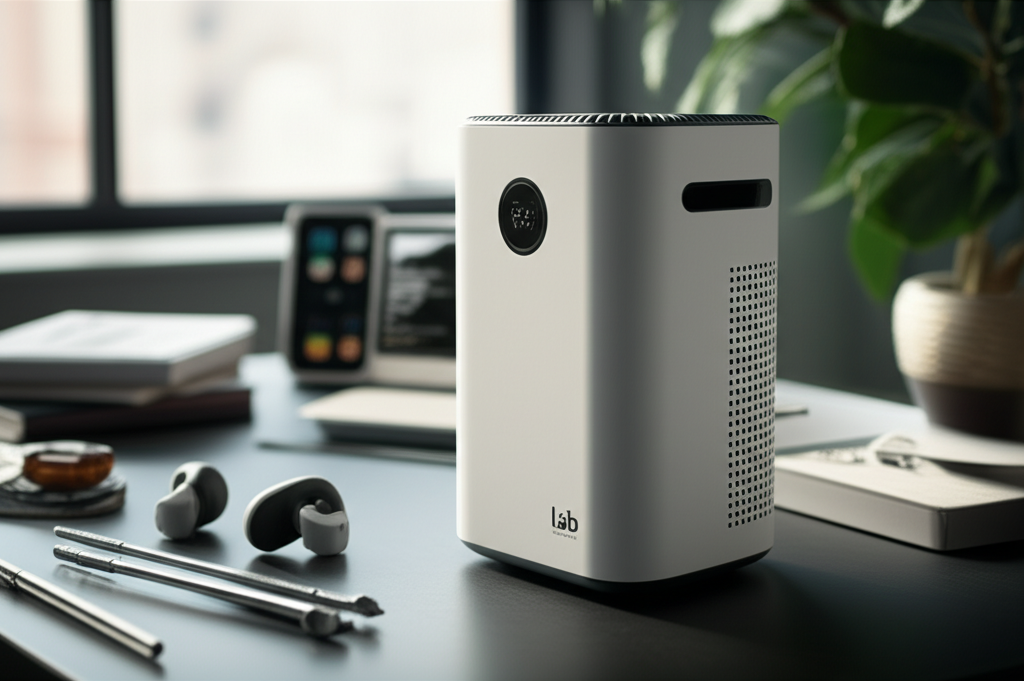
These purifiers employ a process called electrostatic precipitation. They use a series of electrodes, some of which carry a high voltage, to create an electric field. As air passes through this field, particles like dust, pollen, and smoke acquire an electrical charge. These charged particles are then drawn to oppositely charged collector plates, effectively removing them from the air stream.
The Role of Ionization in Air Purification
Ionization is the key mechanism behind lab charge air purifiers. Negative ions are released into the air, which then attach themselves to airborne particles. This process can make particles heavier and cause them to fall out of the air or stick to surfaces, or be attracted to the collection plates. While effective for some particles, the science behind its overall air cleaning efficiency is still debated.
Are Lab Charge Air Purifiers Good? Weighing the Pros
Lab charge air purifiers boast several advantages that make them appealing to consumers. Their filterless design significantly reduces ongoing costs, and they often operate very quietly, making them unobtrusive in living spaces. The absence of filters also means no recurring expenses and less waste.
Key Advantages of Lab Charge Air Purifiers
Filterless Operation: This is a major selling point, eliminating the need to buy and replace expensive HEPA or carbon filters regularly.
Quiet Performance: Many models are significantly quieter than traditional HEPA purifiers, making them suitable for bedrooms and quiet offices.
Lower Running Costs: Without filters to replace, the primary ongoing cost is electricity, which is typically minimal.
Effective for Certain Pollutants: They can be effective at removing very fine particles that might otherwise pass through less advanced filters.
No Filters Means No Hassle and Lower Costs
The absence of filters is arguably the biggest draw for many users. This means you won’t have to remember to purchase replacements or spend time changing them out. The long-term savings on filter costs can be substantial compared to HEPA purifiers, making them an attractive option for budget-conscious consumers.
The Downsides: Potential Drawbacks of Lab Charge Air Purifiers
Despite their advantages, lab charge air purifiers come with significant drawbacks that are crucial to consider. The most concerning is their potential to produce ozone, a lung irritant, as a byproduct of their ionization process. Furthermore, their effectiveness against all types of pollutants can be inconsistent.
The Ozone Problem: A Major Health Concern
Many ionizers and electrostatic precipitators are known to emit ozone. Ozone is a gas that can irritate the lungs, aggravate asthma, and worsen other respiratory conditions. The U.S. Food and Drug Administration (FDA) has set limits for ozone emissions from electronic devices, but some purifiers may still exceed these safe levels. It’s essential to check for ozone-free certifications.
Particle Capture Effectiveness: A Lingering Question
While they can attract particles, lab charge air purifiers may not capture them as efficiently or completely as a true HEPA filter. Particles can sometimes become re-suspended in the air or simply stick to surfaces instead of being collected. This means the air may not be as clean as you think, and regular dusting becomes even more important.
Static Electricity and Particle Re-entrainment
The static charge that attracts particles to the plates can also cause them to cling to other surfaces in your home, like furniture and walls. In some cases, these charged particles can become dislodged and re-enter the air, negating some of the purification efforts. This phenomenon, known as re-entrainment, can be a significant issue.
Comparing Lab Charge Air Purifiers to HEPA Filters
When deciding on an air purifier, understanding the difference between lab charge technology and HEPA filtration is vital. HEPA (High-Efficiency Particulate Air) filters are the gold standard for physically trapping airborne particles. They are designed to capture at least 99.97% of particles 0.3 microns in size.
HEPA Filters: The Benchmark for Particle Removal
HEPA filters physically trap particles using a dense mat of fibers. This mechanical process is highly effective against a wide range of pollutants, including dust, pollen, pet dander, mold spores, and even some bacteria and viruses. They do not produce ozone and are widely recommended by health professionals for allergy and asthma sufferers.
Lab Charge vs. HEPA: A Direct Comparison
| Feature | Lab Charge Air Purifier | HEPA Air Purifier |
| :—————- | :—————————————————– | :—————————————————– |
| Mechanism | Electrostatic precipitation, ionization | Physical filtration |
| Particle Capture | Attracts charged particles to plates | Traps particles in filter media |
| Ozone Production | Potential for ozone emission | Generally ozone-free |
| Filter Costs | None (but plates need cleaning) | Ongoing cost for replacement filters |
| Noise Level | Often very quiet | Varies, but can be louder at higher settings |
| Effectiveness | Variable; can struggle with very fine particles | Highly effective for most airborne particles |
| Maintenance | Regular cleaning of collection plates | Regular filter replacement |
Are Lab Charge Air Purifiers Safe? Understanding Ozone Risks
Safety is paramount when choosing any home appliance, especially one that affects the air you breathe. The primary safety concern with lab charge air purifiers is ozone production. While some manufacturers claim their devices produce minimal or no ozone, independent testing has often shown otherwise. Always look for certifications like CARB (California Air Resources Board) approval, which indicates compliance with strict ozone emission standards.
What the Experts Say About Ozone
Health organizations like the American Lung Association and the EPA warn about the dangers of ozone. Even at low levels, ozone can cause coughing, shortness of breath, and throat irritation. For individuals with respiratory issues, exposure can trigger asthma attacks or other serious health problems. It’s crucial to prioritize air purifiers that are certified ozone-free.
Choosing Ozone-Free or Low-Ozone Models
If you are considering a lab charge air purifier, your top priority should be finding a model that is certified ozone-free or has extremely low ozone emissions. Look for specific certifications like CARB compliance. Many reputable brands will clearly state their ozone-free status on their packaging and product descriptions.
Maintaining Your Lab Charge Air Purifier
Even though they don’t have traditional filters, lab charge air purifiers require regular maintenance to function effectively and safely. The collection plates need to be cleaned periodically to remove the accumulated dust and debris. Neglecting this can reduce the purifier’s efficiency and potentially lead to other issues.
Cleaning the Collection Plates: A Crucial Step
The collection plates are where the charged particles are supposed to accumulate. Over time, they will become coated with dust, dirt, and other pollutants. You will need to remove and wash these plates according to the manufacturer’s instructions, typically with soap and water. This cleaning process is essential for maintaining optimal performance.
Frequency of Cleaning and Potential Issues
The frequency of cleaning will depend on your home’s air quality and how often you run the purifier. In dusty environments, you might need to clean the plates every few weeks. If the plates are not cleaned regularly, the static charge can diminish, reducing the purifier’s effectiveness.
When Might a Lab Charge Air Purifier Be a Good Fit?
Despite the significant concerns, there might be specific scenarios where a lab charge air purifier could be considered, provided you choose a certified ozone-free model. These might include situations where ultra-quiet operation is paramount, or where the primary concern is very large particles that are easily charged. However, these situations are often niche.
Situations Favoring Lab Charge Technology
Extremely Quiet Operation Needed: For bedrooms or quiet study areas where noise is a major concern, a very quiet lab charge model might be appealing.
Budget for Initial Purchase: If the upfront cost is the primary driver and ongoing filter costs are a deterrent.
* Specific Particle Types: In industrial or lab settings where specific, easily ionizable particles are the main target (though professional-grade equipment is usually used here).
When to Stick with Traditional HEPA Purifiers
For most households, especially those with allergy sufferers, asthma patients, or concerns about general indoor air quality, a HEPA air purifier remains the superior choice. Their proven effectiveness and lack of ozone production offer peace of mind and more reliable air cleaning. Consider brands like Coway, Blueair, or Levoit for their reliable HEPA offerings.
Navigating Certifications and Testing for Air Purifiers
When buying any air purifier, understanding certifications is key to making an informed decision. For lab charge air purifiers, ozone emissions are the biggest concern, so look for specific approvals. For all air purifiers, CADR (Clean Air Delivery Rate) is an important metric.
Understanding CADR Ratings
CADR, developed by AHAM (Association of Home Appliance Manufacturers), measures how quickly an air purifier can clean the air of specific pollutants: smoke, dust, and pollen. A higher CADR rating indicates faster and more effective air cleaning for a given room size. Always compare CADR ratings for similar-sized purifiers.
The Importance of CARB Certification
The California Air Resources Board (CARB) has set stringent standards for ozone emissions from air purifiers. Devices sold in California must meet these standards, making CARB certification a strong indicator of a product’s safety regarding ozone. If a lab charge air purifier is CARB-certified, it suggests it has undergone rigorous testing for ozone output.
Frequently Asked Questions About Lab Charge Air Purifiers
Q1: Do lab charge air purifiers actually work?
They can remove some airborne particles by charging them and attracting them to plates. However, their effectiveness can vary, and they may not capture all particle sizes as efficiently as HEPA filters.
Q2: Are lab charge air purifiers safe for my pets?
The main safety concern is ozone production, which can be harmful to both humans and pets, especially those with respiratory sensitivities. Always choose ozone-free or low-ozone certified models.
Q3: How often do I need to clean a lab charge air purifier?
You typically need to clean the collection plates every few weeks to a month, depending on your home’s air quality and purifier usage. This is essential for maintaining performance.
Q4: Can lab charge air purifiers cause allergies or asthma?
While they aim to reduce allergens, the potential for ozone production can actually worsen respiratory symptoms for those with allergies or asthma. It’s best to opt for ozone-free solutions.
Q5: What’s the difference between a lab charge air purifier and an ionizer?
The terms are often used interchangeably. Both use electrical charges to remove particles from the air, and both carry the risk of ozone production.
Q6: Are there any lab charge air purifiers that don’t produce ozone?
Some manufacturers design their lab charge purifiers to minimize or eliminate ozone production and are CARB-certified. However, it’s crucial to verify these claims through independent testing and certifications.
Final Verdict: Are Lab Charge Air Purifiers Good for Your Home?
After exploring the technology, benefits, and significant drawbacks, my recommendation is to approach lab charge air purifiers with extreme caution. While the idea of a filterless, quiet system is appealing, the potential for ozone production is a serious health concern that often outweighs the advantages for typical home use. If you are seeking effective air purification for your home, especially if you have allergies, asthma, or young children, I strongly advise prioritizing air purifiers with certified HEPA filters. These devices offer proven, reliable removal of a wide range of airborne pollutants without the risks associated with ozone. Always look for trusted brands and certifications like AHAM Verifide for CADR ratings when making your final decision for cleaner, healthier indoor air.


