
Do Air Purifiers Create Oxygen? Essential Truth Revealed

No, air purifiers do not create oxygen. Their primary function is to remove pollutants from the air, not to generate oxygen. Understanding how they work is key to appreciating their benefits for indoor air quality.
Do Air Purifiers Create Oxygen? The Essential Truth Revealed
It’s a question many of us wonder about when we’re trying to improve our home’s air quality: do air purifiers create oxygen? With all the advanced technology packed into these devices, it’s easy to imagine they might be doing more than just filtering. However, the reality is quite different, and understanding this distinction is crucial. Let’s dive into what air purifiers actually do and why they’re so vital for a healthier home environment.
What Exactly is an Air Purifier?
An air purifier is a device designed to remove contaminants and impurities from the air in a specific space. These contaminants can include dust, pollen, pet dander, mold spores, smoke particles, and volatile organic compounds (VOCs). They work by drawing air in, passing it through a series of filters, and then releasing cleaner air back into the room.
Air purifiers are essential tools for improving indoor air quality. They help alleviate allergy symptoms, reduce the spread of airborne illnesses, and create a more comfortable living environment. By trapping microscopic particles, they make a tangible difference in the air we breathe every day.
The Science Behind Air Purification: How They Work
Air purifiers employ various filtration technologies to capture pollutants. The most common type is a High-Efficiency Particulate Air (HEPA) filter, which is designed to trap at least 99.97% of airborne particles 0.3 microns in size. Other filters, like activated carbon filters, are used to remove odors and gases.
These filters work through physical trapping and adsorption. As air is pulled through the filter media, particles are caught in the intricate pathways. Activated carbon filters, with their porous structure, adsorb gaseous pollutants onto their surface, effectively removing them from the air.
Do Air Purifiers Produce Oxygen? The Direct Answer
To be absolutely clear, air purifiers do not create oxygen. They do not have the biological or chemical mechanisms required for oxygen production. Their sole purpose is to clean the air by removing existing pollutants.
Oxygen is primarily produced by plants through photosynthesis. This natural process converts carbon dioxide and water into glucose and oxygen using sunlight. Air purifiers simply recirculate and filter the air that is already present in your home.
Understanding the Role of Filters in Air Purifiers
The effectiveness of an air purifier hinges on its filtration system. A typical system includes a pre-filter for larger particles, a HEPA filter for fine particles, and often an activated carbon filter for odors and gases. Some advanced models may also include UV-C light or ionizers, though these have different functions.
Each filter plays a specific role in the purification process. The pre-filter extends the life of the HEPA filter by capturing larger debris. The HEPA filter is the workhorse for removing allergens and microscopic irritants, while the carbon filter tackles chemical pollutants and smells.
HEPA Filters: The Gold Standard for Particle Removal
HEPA filters are crucial components of most high-quality air purifiers. They are certified to meet stringent standards for particle removal, making them incredibly effective at capturing allergens like pollen, dust mites, and pet dander. Their dense mesh physically traps these tiny invaders.
By removing these common allergens, HEPA filters can significantly improve indoor air quality for allergy and asthma sufferers. They ensure that the air circulating in your home is free from many common irritants that can trigger respiratory issues.
Activated Carbon Filters: Tackling Gases and Odors
While HEPA filters excel at removing particulate matter, activated carbon filters are designed to address gases, odors, and VOCs. These filters are made from carbon that has been treated to be extremely porous, increasing its surface area for adsorption. This makes them highly effective at trapping molecules responsible for smells and chemical fumes.
If your concern is smoke, cooking odors, or the off-gassing from new furniture, an activated carbon filter is essential. It works in tandem with HEPA filters to provide comprehensive air cleaning, addressing both particles and gaseous pollutants.
Do Ionizers and UV-C Lights in Air Purifiers Create Oxygen?
Some air purifiers include additional technologies like ionizers or UV-C lights. Ionizers release negatively charged ions into the air, which attach to airborne particles, causing them to clump together and fall to surfaces or be more easily captured by filters. UV-C lights are used to kill or inactivate microorganisms like bacteria and viruses.
Neither ionizers nor UV-C lights create oxygen. Ionizers work by altering the charge of particles, and UV-C lights use ultraviolet radiation to disrupt biological matter. Their functions are focused on particle behavior and pathogen destruction, not oxygen generation.
The Importance of Air Circulation for Oxygen Levels
While air purifiers don’t create oxygen, proper air circulation is vital for maintaining healthy oxygen levels indoors. Opening windows to allow fresh air exchange is a natural way to replenish oxygen and reduce CO2 buildup. Air purifiers complement this by cleaning the air that is already circulating.
Adequate ventilation ensures a continuous supply of fresh, oxygen-rich air. This process also helps to dilute indoor pollutants. Air purifiers then take over the task of removing any contaminants that are present in that circulating air.
When to Use an Air Purifier for Optimal Air Quality
Air purifiers are most beneficial in enclosed spaces where air circulation might be limited or pollution levels are high. This includes homes with pets, individuals with allergies or asthma, areas with outdoor pollution, and rooms where cooking or smoking occurs. Regular use ensures consistent air cleaning.
Using an air purifier in your bedroom can significantly improve sleep quality by providing cleaner air throughout the night. For families with young children, an air purifier can help create a healthier environment, reducing exposure to airborne irritants.
Air Purifiers vs. Plants: A Comparison of Air Improvement Methods
It’s a common misconception that plants are the only natural way to improve indoor air. While plants do produce oxygen through photosynthesis, their capacity to significantly alter the oxygen levels in a typical room is limited. Air purifiers, on the other hand, excel at removing pollutants.
Here’s a look at what each brings to the table:
| Feature | Air Purifier | Plants |
| :—————- | :——————————————– | :————————————————- |
| Primary Function | Removes pollutants (dust, allergens, VOCs) | Produces oxygen, absorbs CO2 |
| Oxygen Production | None | Yes, through photosynthesis |
| Pollutant Removal | Highly effective for particles and gases | Limited, some can absorb certain VOCs over time |
| Maintenance | Filter replacement, occasional cleaning | Watering, sunlight, occasional repotting |
| Speed of Effect | Immediate and continuous | Gradual, requires many plants for significant impact |
While plants contribute to air quality in a different way, they cannot replace the rapid and thorough pollutant removal provided by an air purifier. For comprehensive indoor air improvement, both can play a role, but their functions are distinct.
Maintaining Your Air Purifier for Peak Performance
To ensure your air purifier operates effectively, regular maintenance is essential. This primarily involves cleaning or replacing the filters according to the manufacturer’s instructions. Neglecting filter maintenance can reduce the purifier’s efficiency and even lead to it becoming a source of pollutants.
Always refer to your air purifier’s manual for specific cleaning and replacement schedules. This will guarantee that your device continues to provide clean, fresh air for your home.
Frequently Asked Questions About Air Purifiers and Oxygen
Do air purifiers add oxygen to the air?
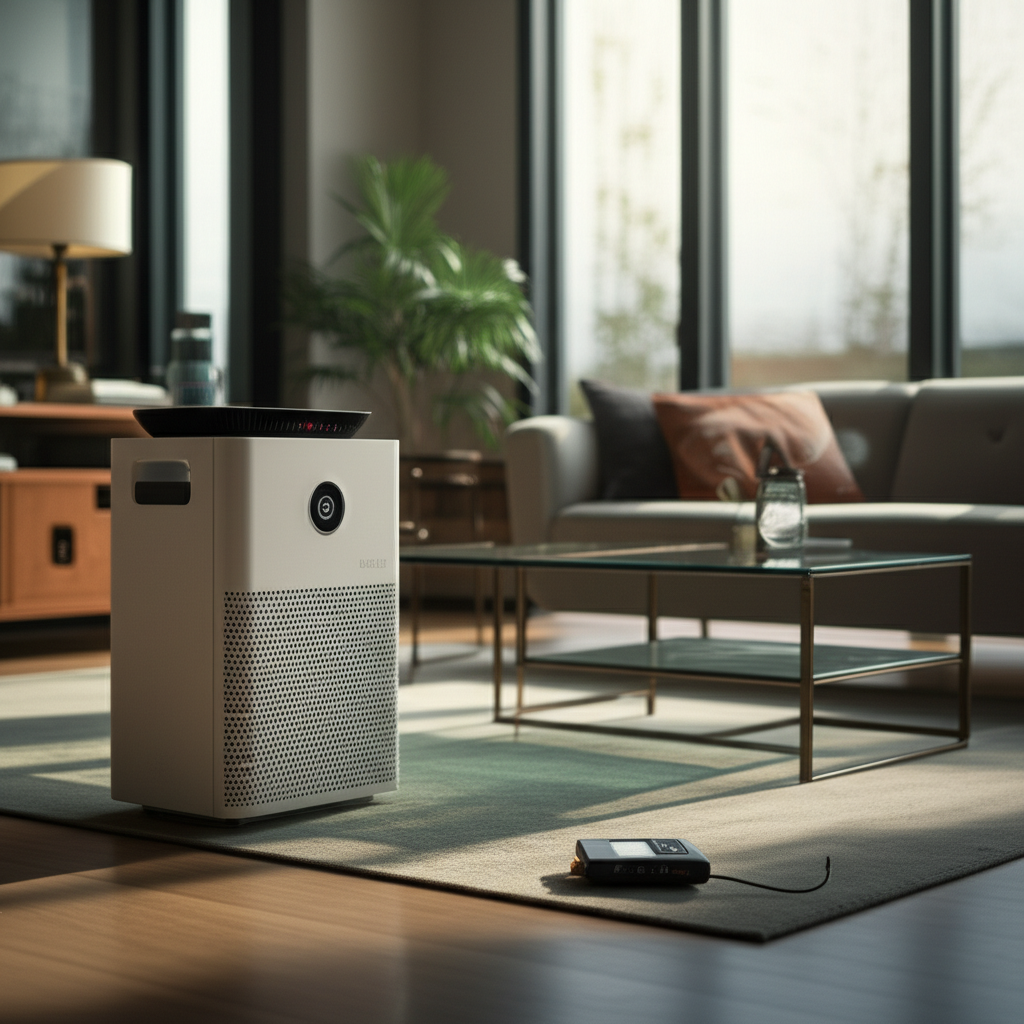
No, air purifiers do not add oxygen to the air. They function by removing pollutants like dust, pollen, smoke, and VOCs from the air.
Can air purifiers increase CO2 levels?
Air purifiers do not directly increase CO2 levels. They recirculate existing air. However, if an air purifier is used in a poorly ventilated room, CO2 can build up due to human respiration, but this is not caused by the purifier itself.
Are air purifiers safe for my pets?
Yes, most air purifiers are safe for pets. Some pets can be sensitive to certain features like ionizers, so it’s wise to research specific models and their potential effects.
How often should I replace my air purifier filters?
Filter replacement frequency varies by model and usage. Generally, HEPA filters should be replaced every 6-12 months, and activated carbon filters every 3-6 months. Always check your manual.
Do air purifiers make any noise?
Yes, air purifiers do make noise, as they contain fans to circulate air. The noise level varies depending on the model and the fan speed setting, with quieter models available for bedrooms.
Can air purifiers help with allergies?
Absolutely. Air purifiers with HEPA filters are highly effective at capturing common allergens like pollen, dust mites, and pet dander, significantly reducing allergy symptoms for many individuals.
Conclusion: Air Purifiers Clean, They Don’t Create Oxygen
In conclusion, the essential truth is that air purifiers are remarkable machines designed for one primary purpose: to clean the air you breathe by removing harmful pollutants. They do not create oxygen. While the idea might be appealing, their function is based on filtration and adsorption, not biological processes like photosynthesis. Understanding this distinction helps us appreciate the true value of air purifiers in creating a healthier indoor environment. For superior indoor air quality, rely on air purifiers for what they do best – filtering out the bad stuff and leaving you with cleaner, fresher air.
