
Do Air Purifiers Expire? Essential Guide

Yes, air purifiers don’t technically “expire” in the way food does, but their effectiveness diminishes significantly over time, primarily due to filter degradation. Understanding this is key to maintaining healthy indoor air quality and getting the most out of your investment.
When you invest in an air purifier, you’re looking forward to cleaner, fresher air. But a common question that pops up is, “Do air purifiers expire?” It’s a valid concern, as you want to ensure your device is working optimally. The good news is that the purifier itself doesn’t suddenly stop working. However, its components, especially the filters, have a lifespan and degrade, impacting performance. Let’s break down what this means for you and your home’s air quality.
Understanding Air Purifier Lifespans: More Than Just a Date
Air purifiers don’t have a hard expiration date like milk. Instead, their operational effectiveness is tied to the lifespan of their individual components, most critically, the filters. These filters are the workhorses, capturing pollutants from your air.
Why Filters Matter Most: The Heart of Your Air Purifier
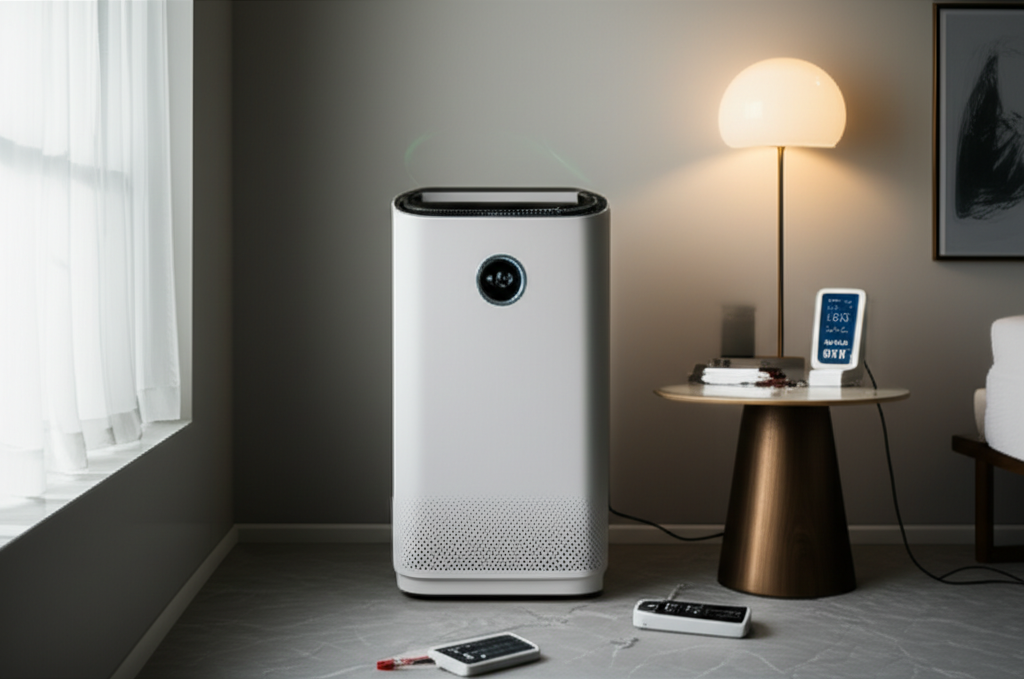
The filters within an air purifier are designed to trap airborne particles like dust, pollen, pet dander, mold spores, and even volatile organic compounds (VOCs). Over time, these filters become saturated with pollutants, rendering them less effective at capturing new contaminants. This saturation is the primary reason an air purifier’s performance declines.
The Science Behind Filter Degradation
Different filter types degrade at different rates. HEPA filters, for instance, are designed to capture 99.97% of particles down to 0.3 microns. However, as they collect more particles, their airflow resistance increases, and their capture efficiency can decrease. Activated carbon filters, used for odors and gases, become saturated with adsorbed chemicals, losing their ability to neutralize them.
How Long Do Air Purifier Filters Typically Last?
The lifespan of an air purifier filter varies greatly depending on the type of filter, the model of the air purifier, and the air quality in your home. Pre-filters, which capture larger particles, often need cleaning or replacement every 1-3 months. HEPA filters typically last 6-12 months, while activated carbon filters might need replacement every 3-6 months, especially if you have strong odors.
| Filter Type | Typical Lifespan | Primary Function | Replacement Frequency |
| :—————- | :————— | :———————————— | :——————– |
| Pre-filter | 1-3 Months | Captures large particles (dust, hair) | Clean or replace |
| HEPA Filter | 6-12 Months | Traps fine particles (pollen, dander) | Replace |
| Activated Carbon | 3-6 Months | Absorbs odors and gases (VOCs) | Replace |
| Specialty Filters | Varies | Specific pollutant removal | Varies |
Signs Your Air Purifier Might Be “Expired” or Underperforming
Recognizing the signs of an underperforming air purifier is crucial. A decrease in air quality, persistent odors, or unusual noises can all indicate it’s time for maintenance or filter replacement. Don’t wait for your air quality to noticeably suffer.
Reduced Airflow and Odor Neutralization
One of the most obvious signs is a noticeable decrease in the amount of air the purifier is expelling. If it feels like it’s barely blowing air, the filters are likely clogged. Similarly, if odors that used to be eliminated are now lingering, your activated carbon filter may be saturated.
Increased Noise Levels and Strange Sounds
As filters become clogged, the motor may have to work harder to push air through, leading to increased noise. Sometimes, a failing motor or a buildup of debris within the unit can also cause unusual rattling or humming sounds.
Visible Dirt or Damage on Filters
If you can visually inspect your filters (and your manual says it’s okay to do so), a heavily discolored or visibly dirty filter is a clear indicator it’s past its prime. For washable pre-filters, if they remain dirty after cleaning, it’s time for a new one.
Factors Influencing Your Air Purifier’s Effective Lifespan
Several factors beyond filter type dictate how long your air purifier will remain effective. Understanding these can help you manage expectations and maintenance schedules.
Your Home’s Air Quality and Usage Patterns
If you live in a high-pollution area, have pets, suffer from allergies, or frequently cook with gas, your air purifier will work harder and its filters will saturate faster. Continuous use, especially on higher settings, also contributes to quicker filter degradation compared to intermittent use.
Manufacturer Recommendations and Maintenance Schedules
Always consult your air purifier’s user manual. Manufacturers provide specific recommendations for filter replacement and maintenance based on their product’s design and intended use. Adhering to these guidelines is the best way to ensure optimal performance. For example, Coway air purifiers often have detailed maintenance schedules outlined in their manuals.
Environmental Conditions and Storage
Storing an air purifier in a damp or dusty environment when not in use can impact its internal components. While not directly related to “expiration,” improper storage can lead to issues that shorten the unit’s overall functional life.
Extending the Life of Your Air Purifier’s Components
While filters are consumables, you can take steps to maximize their lifespan and the overall effectiveness of your air purification system. Consistent maintenance is key.
Regular Cleaning of Pre-filters
Many air purifiers come with a washable pre-filter. Cleaning this component regularly (e.g., monthly) prevents larger dust particles from reaching and clogging the more sensitive HEPA and carbon filters, thereby extending their life. A vacuum cleaner can also be used for a quick clean between washes.
Proper Placement and Ventilation
Ensure your air purifier is placed in a location where it can draw air in freely. Avoid placing it directly against walls or furniture, as this restricts airflow and makes the unit work harder. Adequate ventilation around the unit is essential for efficient operation.
Using the Right Settings for Your Needs
Running your air purifier on a lower setting when air quality is good can reduce wear and tear on the filters. Reserve higher settings for periods of higher pollution or when you need a quick purification cycle. Many modern air purifiers also feature an auto mode that adjusts fan speed based on sensor readings.
When It’s Time to Consider a New Air Purifier
There comes a point where maintenance isn’t enough, and replacing the unit is the most cost-effective and efficient solution. This is especially true for older models or if the cost of replacement filters becomes prohibitive.
Filter Replacement Costs vs. New Unit Price
Calculate the ongoing cost of replacement filters. If the annual cost of filters approaches or exceeds the price of a new, more efficient air purifier model, it’s likely time to upgrade. Newer models often offer better energy efficiency and advanced features.
Technological Advancements in Newer Models
The air purification technology landscape is constantly evolving. Newer air purifiers may offer improved HEPA filtration standards, more effective activated carbon layers, smart features like app control and air quality monitoring, and quieter operation. These advancements can provide superior air cleaning capabilities compared to older units.
Air Purifier Maintenance: A Proactive Approach
Think of air purifier maintenance as a health check-up for your device. Regular attention ensures it performs at its best, safeguarding your indoor air quality.
Creating a Maintenance Schedule
A simple calendar reminder or a dedicated logbook can help you stay on track. Schedule regular checks for pre-filters, note down when HEPA and carbon filters were last replaced, and keep an eye on any performance changes.
Understanding Your Specific Model’s Needs
Different brands and models have unique maintenance requirements. For instance, Blueair air purifiers might have different filter change indicators or cleaning procedures compared to Levoit air purifiers. Always refer to your specific user manual.
When to Call a Professional
For complex issues or if you’re uncomfortable performing certain maintenance tasks, don’t hesitate to contact the manufacturer or a qualified appliance repair technician. They can diagnose problems and perform necessary repairs or deep cleaning.
Common Misconceptions About Air Purifier Lifespans
It’s easy to fall into common traps when thinking about how long an air purifier lasts. Let’s clear up some confusion.
“My Air Purifier is Still Running, So It’s Fine”
While a running motor is a good sign, it doesn’t guarantee effective air purification. A unit can still blow air even with completely saturated filters, meaning it’s circulating pollutants rather than removing them. This is a critical point to understand about why air purifiers effectively expire.
“Air Purifiers Last Forever”
This is a myth. Like any appliance with mechanical and consumable parts, air purifiers have a finite operational lifespan. The components, especially filters, are designed to be replaced to maintain peak performance.
Frequently Asked Questions About Air Purifier Lifespans
Do air purifiers need to be replaced?
While the main unit can last many years, the filters inside are consumable and need regular replacement. If filters are not changed, the purifier’s effectiveness will drastically decrease, making it functionally “expired” in terms of air cleaning.
How often should I replace my air purifier filters?
This depends on the filter type and your home environment, but typically HEPA filters need replacing every 6-12 months, and activated carbon filters every 3-6 months. Always check your manufacturer’s recommendations.
Can I clean and reuse HEPA filters?
Most true HEPA filters are not designed to be cleaned and reused. Washing them can damage the delicate filter media, reducing its ability to capture fine particles. Some pre-filters are washable, but HEPA filters should be replaced.
What happens if I don’t replace my air purifier filters?
If you don’t replace your filters, they will become saturated with pollutants. This means your air purifier will stop effectively cleaning your air, and can even reduce airflow and strain the motor, making it less efficient and potentially shortening its lifespan.
Do air purifiers lose effectiveness over time?
Yes, air purifiers lose effectiveness over time primarily because their filters become clogged with pollutants. This reduces airflow and the ability to capture new contaminants.
How do I know if my air purifier filters need changing?
Look for signs like reduced airflow, increased noise, lingering odors, or a filter change indicator light if your model has one. Visually inspecting the filters can also provide clues.
Conclusion: Ensuring Continuous Clean Air
So, to answer the core question: do air purifiers expire? Not the unit itself, but their ability to purify your air absolutely diminishes over time, primarily due to filter degradation. By understanding filter lifespans, recognizing the signs of underperformance, and committing to a regular maintenance schedule, you can ensure your air purifier continues to provide you with the clean, healthy air you deserve. Investing in your air purifier’s upkeep is an investment in your well-being.
