
Do Air Purifiers Create Negative Pressure? Essential Guide

No, typically, standard home air purifiers do not create significant negative pressure in a room. They recirculate air within a space, rather than actively expelling it outdoors, which is what causes negative pressure. Understanding this distinction is key to managing your home’s air quality effectively.
Ever wondered if your trusty air purifier is secretly altering the air pressure in your home? It’s a common question, especially if you’re focused on creating the healthiest possible environment. You might be concerned about drafts or how your HVAC system interacts with the purifier. This guide will demystify whether air purifiers create negative pressure, offering clear, actionable insights. We’ll break down the science simply, so you can feel confident about your air quality decisions.
Understanding Air Pressure: Positive, Negative, and Neutral
Air pressure refers to the force exerted by air on a surface. In simple terms, it’s the weight of the air around us. Understanding the different types of air pressure is crucial for grasping how devices like air purifiers might affect your indoor environment. This knowledge helps in making informed choices about ventilation and air quality management.
What is Negative Air Pressure?
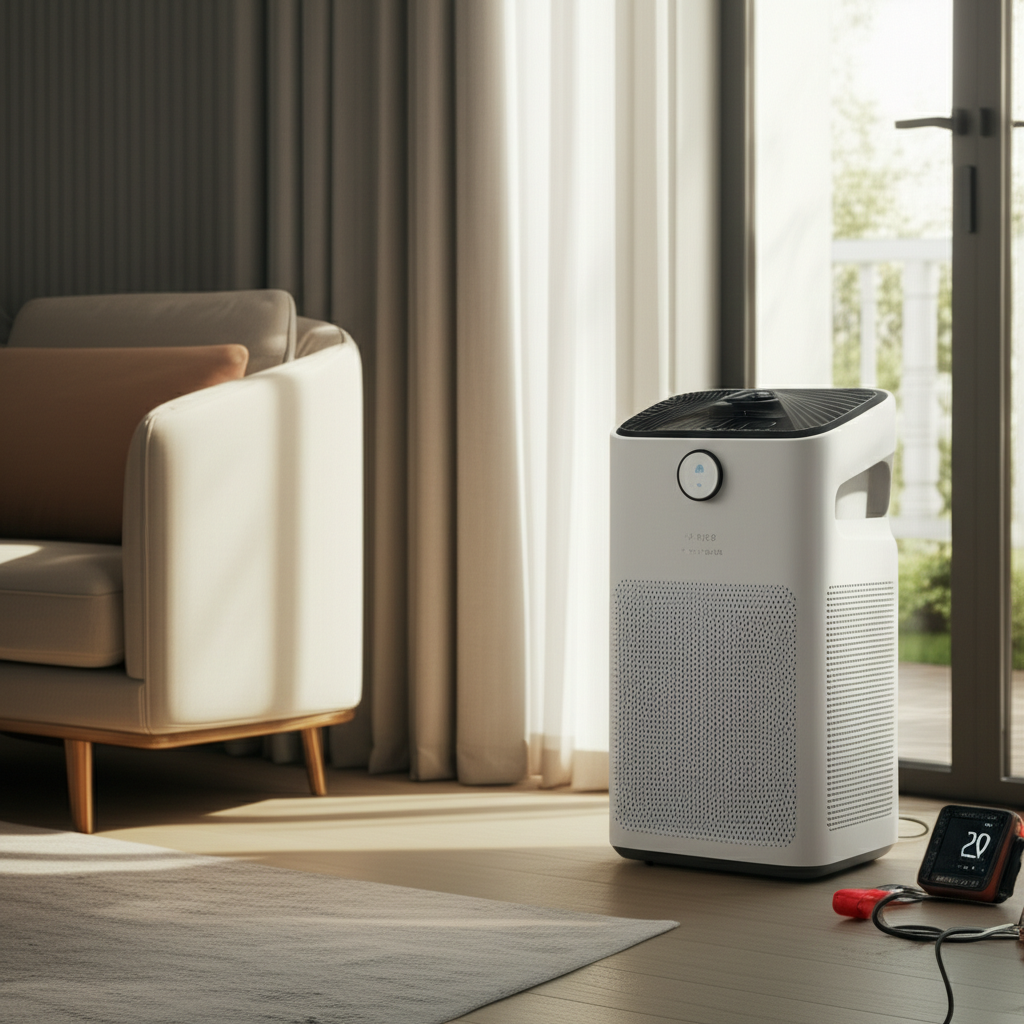
Negative air pressure occurs when the air pressure inside a space is lower than the air pressure outside that space. This pressure difference causes air to flow inward from surrounding areas. It’s often intentionally created in controlled environments like hospitals or during construction to contain contaminants. Without proper ventilation, this can lead to unwanted air infiltration.
What is Positive Air Pressure?
Conversely, positive air pressure means the air pressure inside a space is higher than the surrounding area. This pushes air outwards, preventing outside air from entering. HVAC systems in homes often aim for a slightly positive pressure to keep dust and pollutants out. This is generally considered a desirable state for residential comfort and air quality.
What is Neutral Air Pressure?
Neutral air pressure signifies that the air pressure inside a space is equal to the air pressure outside. In this balanced state, there’s no significant natural tendency for air to flow in or out due to pressure differences alone. Maintaining neutral pressure is often the goal for energy efficiency and consistent indoor air quality.
How Do Air Purifiers Work?
Air purifiers are designed to improve indoor air quality by removing airborne pollutants. They achieve this through a filtration process that draws air in, cleans it, and then releases it back into the room. Understanding their core function is the first step in determining their impact on air pressure.
The Filtration Process Explained
Most air purifiers use fans to pull room air through a series of filters. These filters, often including HEPA and activated carbon layers, capture particles like dust, pollen, pet dander, and volatile organic compounds (VOCs). The purified air is then circulated back into the room, effectively cleaning the air within that enclosed space.
Recirculation vs. Ventilation
It’s vital to distinguish between recirculation and ventilation. Air purifiers recirculate air; they clean the air already present in a room. Ventilation, on the other hand, involves exchanging indoor air with outdoor air, either naturally through open windows or mechanically via exhaust fans or HVAC systems. This difference is key to understanding air pressure effects.
Do Air Purifiers Create Negative Pressure? The Direct Answer
To directly address the question: Do air purifiers create negative pressure? Generally, no, standard home air purifiers do not create significant negative pressure. Their operation is primarily about cleaning and recirculating existing air within a room, not expelling it. This means they don’t actively reduce the air pressure inside compared to the outside environment in a way that would cause noticeable negative pressure effects.
The Role of the Fan and Filters
The fan in an air purifier moves air, but it does so within a closed system. It draws air in and pushes filtered air out, maintaining a near-neutral pressure balance. While there might be minuscule, imperceptible pressure fluctuations, they are not enough to classify as negative pressure. The system is designed to keep the air volume and pressure consistent within the room.
Comparing to Ventilation Systems
Unlike exhaust fans or certain HVAC configurations that actively remove air from a building, air purifiers don’t expel air to the exterior. Exhaust fans, for instance, are designed to create negative pressure to vent moisture or odors outside, thus altering the overall air balance. Air purifiers simply cycle air through their internal filters, leaving the room’s overall pressure largely unchanged.
Factors That Can Influence Room Air Pressure
While air purifiers themselves are unlikely to cause negative pressure, several other factors within your home can influence air pressure dynamics. Understanding these elements helps paint a complete picture of your indoor environment. These factors often play a much larger role than any air purifier.
HVAC System Operations
Your home’s heating, ventilation, and air conditioning (HVAC) system is a major player in air pressure. If your system is set up to exhaust more air than it supplies, it can create negative pressure. Conversely, an over-pressurized system can lead to positive pressure. Consulting a professional about your HVAC setup is wise for optimal balance.
Exhaust Fans and Ventilation
Kitchen and bathroom exhaust fans are designed to remove air and moisture. When used, they actively reduce the air pressure within the room, potentially creating negative pressure relative to adjacent areas or the outdoors. This is their intended function for moisture and odor control. Using them judiciously is important.
Sealing and Drafts
The overall airtightness of your home significantly impacts air pressure. Older homes with many leaks and drafts might experience more natural air infiltration due to external wind pressure. Newer, tightly sealed homes can sometimes struggle with ventilation if not properly designed, potentially leading to imbalances. Understanding your home’s construction matters.
Outdoor Weather Conditions
Even external factors like wind speed and direction can subtly influence indoor air pressure, especially in less sealed homes. Strong winds can create pressure differentials across your home’s exterior, affecting how air moves in and out. This is a natural phenomenon beyond the control of most indoor devices.
When Might an Air Purifier Seem to Affect Pressure?
There are specific scenarios where an air purifier’s operation might be perceived as affecting air pressure, even if it’s not creating true negative pressure. These are often related to how the air purifier interacts with other elements in the room or subtle sensory effects. Recognizing these can prevent confusion.
Perceived Drafts or Air Movement
Some users might feel a slight breeze or air movement directly from the air purifier’s output. This is simply the result of the fan expelling filtered air, not a sign of negative pressure. The sensation is localized to the purifier’s immediate vicinity.
Interaction with Other Devices
In a very small, tightly sealed room with multiple devices operating (like an air purifier and an exhaust fan), the combined effect on air dynamics might be noticeable. However, the air purifier itself is still unlikely to be the sole cause of negative pressure. It’s more about the interplay of all air-moving devices.
High-Speed Fan Settings
Running an air purifier on its highest fan setting can increase the volume of air being moved. While this enhances purification, it doesn’t fundamentally change the pressure dynamics to create negative pressure. The air is still being recirculated within the room.
Can Air Purifiers Help with Existing Negative Pressure?
Air purifiers are not designed to fix or create negative pressure. However, they can play a role in improving air quality within a space that might be experiencing it. Their primary function remains pollutant removal, not pressure regulation. If you suspect negative pressure, addressing the source is key.
Improving Indoor Air Quality
If negative pressure is causing unwanted outdoor air (and its pollutants) to infiltrate your home, an air purifier can help clean that incoming air. By capturing dust, allergens, and other particles, it mitigates some of the negative effects of uncontrolled air exchange. This offers a supplementary benefit.
Focusing on the Root Cause
Addressing the actual source of negative pressure is crucial for long-term solutions. This might involve adjusting your HVAC system, ensuring proper use of exhaust fans, or sealing air leaks. An air purifier is a tool for managing air quality, not for correcting fundamental air pressure issues. Resources like Energy Star offer guidance on home energy efficiency, which often touches upon air sealing and ventilation.
Choosing the Right Air Purifier for Your Needs
When selecting an air purifier, focus on its ability to effectively clean your air, not on its potential to alter air pressure. Consider factors like room size, the types of pollutants you need to address, and noise levels. A well-chosen purifier enhances your living environment significantly.
Key Features to Look For
Prioritize models with True HEPA filters, which capture 99.97% of particles 0.3 microns in size. Activated carbon filters are excellent for odors and VOCs. Look for CADR (Clean Air Delivery Rate) ratings appropriate for your room size to ensure effective air cleaning. Energy efficiency is also a plus for long-term use.
Understanding CADR and Room Size
The CADR rating indicates how quickly an air purifier can clean the air in a specific room size. A higher CADR means faster purification. Always match the purifier’s recommended room size to your actual space for optimal performance. For example, a purifier with a CADR of 200 is suitable for a room around 300-400 square feet.
Maintaining Your Air Purifier for Peak Performance
Regular maintenance is essential for your air purifier to function effectively and efficiently. This ensures it continues to provide clean air without issues. Neglecting maintenance can reduce performance and potentially impact airflow, though not typically to the point of creating negative pressure.
Filter Replacement Schedule
Filters have a limited lifespan and need regular replacement. Check your manufacturer’s recommendations, as this varies by model and usage. Typically, HEPA filters are replaced every 6-12 months, while carbon filters might need replacing more often, especially if dealing with strong odors. Keeping a log can be helpful.
Cleaning the Unit
Beyond filter replacement, periodically clean the exterior and interior components of your air purifier. Dust can accumulate on the fan blades and intake grills, hindering airflow. Always unplug the unit before cleaning and follow the manufacturer’s instructions carefully.
Frequently Asked Questions (FAQ)
Do air purifiers make rooms feel colder?
Air purifiers themselves do not actively cool or heat a room. While the fan might create a slight localized breeze, it’s not enough to significantly change the room’s temperature. Any perceived cooling is usually due to the air movement directly on your skin.
Can an air purifier cause a draft?
An air purifier doesn’t cause drafts in the way that an open window or a faulty seal does. The air you feel coming from it is simply the filtered air being expelled by the fan. This is a controlled airflow, not an uncontrolled infiltration of outside air.
Is negative pressure bad for my health?
Significant negative pressure can be detrimental if it leads to the infiltration of outdoor pollutants, mold spores, or allergens into your home. It can also make it harder for combustion appliances to vent properly. Mild, controlled negative pressure used in specific settings is for containment, but uncontrolled negative pressure in a home is generally undesirable.
Should I run my air purifier and my HVAC fan at the same time?
Yes, running your air purifier simultaneously with your HVAC system’s fan is generally beneficial. The HVAC fan circulates air throughout your home, allowing the air purifier to process more of it over time. It enhances the overall effectiveness of both systems in maintaining good air quality.
How do I know if my house has negative air pressure?
You can perform a simple test: close all windows and doors, then turn off your HVAC system. Light a stick of incense and hold it near potential leak points like windows, doors, electrical outlets, and plumbing penetrations. If the smoke is drawn inwards, it indicates negative pressure. A professional energy audit can provide more precise measurements.
Can an air purifier help if my house has too much humidity?
Air purifiers are not designed to dehumidify. While they can circulate air, which might indirectly help with evaporation, they do not remove moisture from the air. For high humidity, a dedicated dehumidifier is the appropriate solution. High humidity can contribute to mold growth, which an air purifier can then help manage by filtering spores.
Conclusion: Air Purifiers and Air Pressure Balance
In conclusion, when asking “do air purifiers create negative pressure?”, the straightforward answer for most standard home units is no. They operate by recirculating and filtering air within a room, maintaining a neutral or near-neutral air pressure balance. Their primary role is enhancing indoor air quality by removing pollutants, not altering the fundamental air dynamics of your home. While other factors like HVAC systems and exhaust fans can influence air pressure, your air purifier is likely a benign, beneficial addition to your environment. By understanding how these devices work and focusing on their core function of purification, you can ensure you’re making the best choices for a healthier, more comfortable home.
