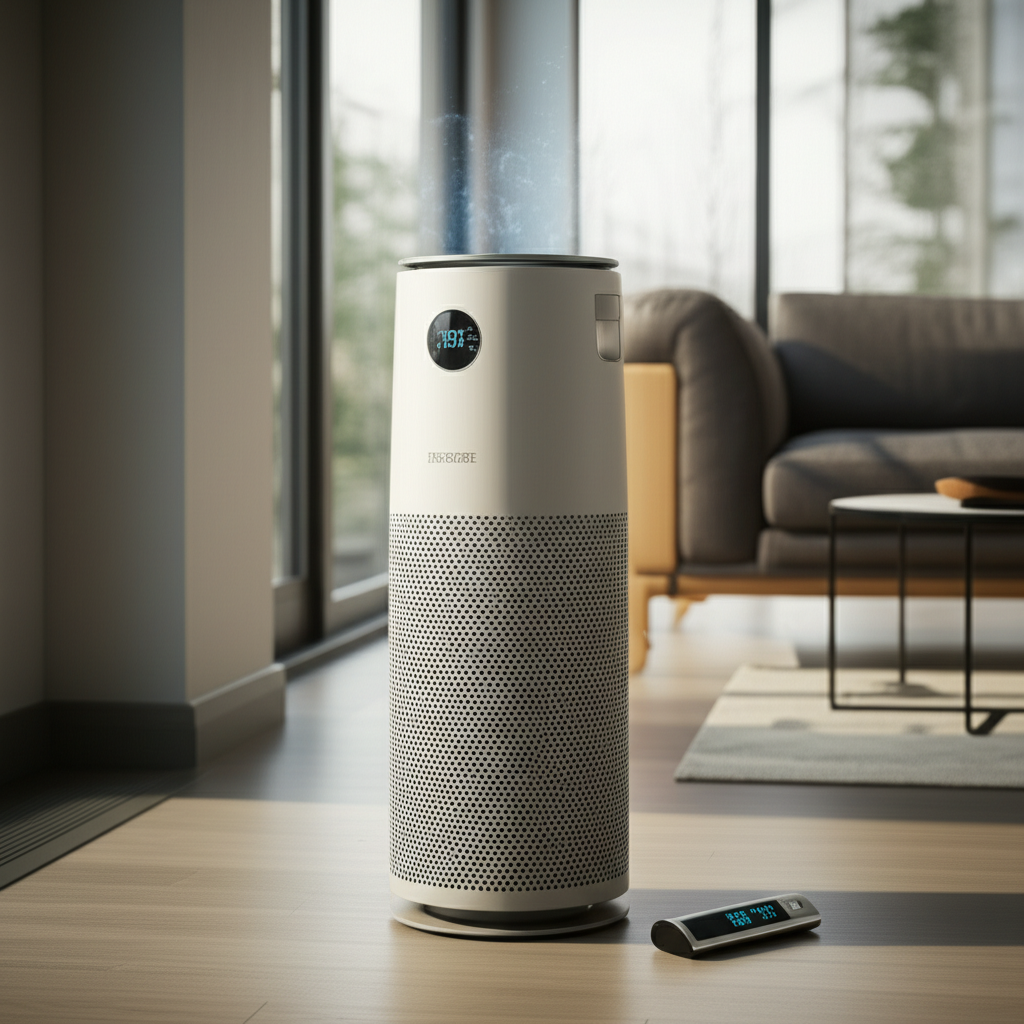
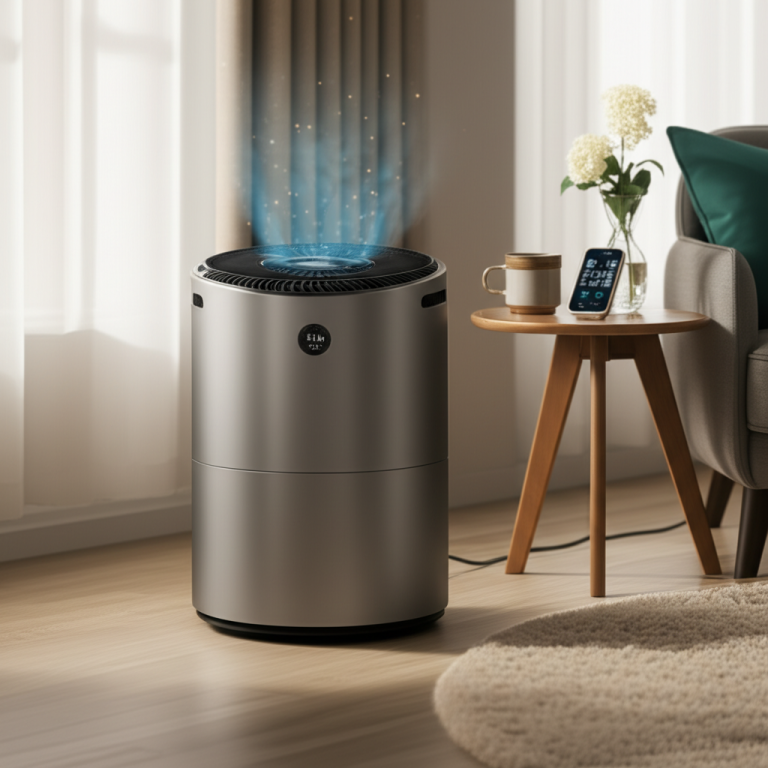
Do Air Purifiers Create Heat? Essential Truth Revealed

Air purifiers generate minimal heat, often imperceptible, due to their internal components like motors and fans. While they don’t significantly warm a room, understanding their thermal output is key to managing your home environment effectively.
Do Air Purifiers Create Heat? The Essential Truth Revealed
Have you ever wondered if your trusty air purifier, working diligently to clean your home’s air, might also be contributing to the room’s temperature? It’s a common question, especially as you notice the device humming away. Many people worry that these essential appliances might inadvertently warm up their living space, particularly during warmer months. This concern is understandable, but let me assure you, the truth about do air purifiers create heat is simpler than you might think. We’ll dive into the science behind it, explore how much heat they really produce, and discuss what it means for your comfort.
Understanding How Air Purifiers Work
At their core, air purifiers are designed to circulate air through a series of filters to trap pollutants. This process involves several key components, each with a minor role in energy consumption. The main components are the fan motor, which drives air through the filters, and the electronic controls that manage the device’s settings. These electrical components inherently convert a small amount of electrical energy into thermal energy as a byproduct of their operation.
The Physics of Heat Generation in Electronics
Any electrical device that draws power will generate some heat. This is a fundamental principle of physics known as the Joule heating effect, where electrical resistance causes energy to be released as heat. In an air purifier, the electric motor powering the fan and the circuitry for its operation are the primary sources of this minimal heat. It’s the same reason your laptop or television gets warm to the touch during use.
Do Air Purifiers Create Heat? The Direct Answer
So, do air purifiers create heat? Yes, they do, but the amount is generally negligible. Think of it as a gentle warmth, not a significant source of heat that would noticeably raise the ambient temperature of a room. The heat generated is a byproduct of the motor and electronics running, but it’s typically very low-level and designed to dissipate efficiently.
Factors Influencing Heat Output
Several factors can subtly influence how much heat an air purifier produces. The size and power of the motor are primary determinants; larger, more powerful units might generate slightly more heat than smaller, less potent ones. The fan speed also plays a role; running the purifier on its highest setting will consume more energy and thus produce a touch more heat than on a lower setting.
Comparing Air Purifier Heat to Other Appliances
To put it into perspective, the heat generated by an air purifier is significantly less than that of appliances designed for heating, like space heaters or even your refrigerator. A typical air purifier might produce an amount of heat comparable to a moderately warm light bulb, which is unlikely to impact your room’s temperature in any meaningful way.
The Role of the Fan Motor
The fan motor is the workhorse of any air purifier, responsible for drawing air into the unit and expelling filtered air. As this motor operates, it experiences electrical resistance, leading to the generation of heat. However, most air purifier motors are designed for efficiency, minimizing energy loss as heat. This ensures they perform their primary function of air filtration without becoming a substantial heat source.
Are Some Air Purifiers Hotter Than Others?
While most air purifiers operate with minimal heat output, there can be slight variations. Units with larger, more powerful motors designed for very large spaces might generate a fraction more warmth. Conversely, smaller, personal air purifiers typically produce even less heat. It’s rare to find an air purifier that generates enough heat to be a concern for comfort or safety.
The Impact on Room Temperature
For the vast majority of users, the heat output from an air purifier will not have a noticeable impact on room temperature. The amount of heat generated is typically absorbed by the surrounding air and dissipated without significantly altering the overall climate of a room. This is especially true in moderately sized rooms and when the purifier is running on standard settings.
When Might You Notice Heat from an Air Purifier?
You might perceive a slight warmth if you place your hand directly over the air outlet of a purifier that has been running for an extended period on a high setting. This is normal and indicates the device is functioning as expected. However, this warmth is unlikely to contribute to making a room feel warmer overall.
Maximizing Efficiency and Minimizing Heat
To ensure your air purifier operates at peak efficiency and minimizes any potential heat generation, regular maintenance is key. Keeping the filters clean or replacing them as recommended by the manufacturer prevents the motor from working harder. Ensuring the unit has adequate ventilation around it also helps dissipate any minor heat produced.
The Energy Consumption Connection
The amount of heat an air purifier produces is directly linked to its energy consumption. More powerful units that require more wattage will naturally generate more heat. Modern air purifiers are designed with energy efficiency in mind, often earning ENERGY STAR certifications, which indicates they meet strict energy efficiency guidelines set by the U.S. Environmental Protection Agency. This focus on efficiency means less energy is wasted as heat.
Are HEPA Filters Related to Heat?
HEPA (High-Efficiency Particulate Air) filters themselves do not generate heat. Their function is purely mechanical filtration. Any heat associated with an air purifier comes from the electrical components that power the fan drawing air through these filters. The type of filter used does not inherently increase or decrease the unit’s thermal output.
Understanding the ‘Warm Air’ Phenomenon
If you feel warm air coming from your air purifier, it’s most likely the air that has been drawn into the unit and passed over the motor and electronics before being expelled. This air might be slightly warmer than the ambient room temperature due to the operational heat of the internal components. However, this effect is usually minimal and dissipates quickly.
Expert Insights on Air Purifier Heat
Leading appliance engineers and home comfort specialists consistently state that air purifiers are not designed to be heat sources. Their primary purpose is air purification, and any thermal output is a secondary, minimal byproduct. They emphasize that the energy used by an air purifier is primarily to power the fan, not to generate heat.
Troubleshooting Potential Heat Issues
In the rare instance you suspect your air purifier is producing an unusual amount of heat, it’s worth checking a few things. Ensure the air vents are not blocked, as this can cause the unit to overheat. Also, check if the filters need cleaning or replacing, as a clogged filter can strain the motor. If concerns persist, consult the manufacturer’s guidelines or contact customer support.
Conclusion: Peace of Mind for Your Home Environment
In conclusion, to answer the question “do air purifiers create heat?” with clarity: yes, but the amount is insignificant for most home environments. The minimal warmth they produce is a normal part of their operation and should not affect your room’s temperature noticeably. Prioritizing clean air doesn’t mean sacrificing comfort; your air purifier is working efficiently to provide both. Enjoy the benefits of cleaner air with confidence, knowing your device isn’t inadvertently heating your home.
Frequently Asked Questions About Air Purifier Heat
Do air purifiers make a room hotter?
No, air purifiers do not make a room noticeably hotter. The heat they generate is minimal and dissipates quickly.
Can an air purifier act like a heater?
No, an air purifier is not designed to function as a heater. Its purpose is to clean the air, and any heat produced is a byproduct.
Is the heat from an air purifier dangerous?
The heat generated by an air purifier is not dangerous. It’s a low-level warmth consistent with the operation of small electric motors.
Should I turn off my air purifier in summer to avoid heat?
There’s no need to turn off your air purifier in summer due to heat concerns. Its heat output is too small to impact room temperature significantly.
What is the heat output of a typical air purifier?
The heat output is very low, comparable to a warm light bulb, and not enough to raise the ambient temperature of a room.
Why does my air purifier feel warm?
It feels warm because the motor and electronics inside generate a small amount of heat as they operate, which slightly warms the air passing through.